Table of Contents >> Show >> Hide
- Why Timing Matters (It’s Not Just What You Eat)
- The Ideal Daily Snack Time: The RD Rule of Thumb
- How to Tell If It’s the Right Time to Snack (Without Staring at a Clock)
- The Best Snack Timing for Common Goals
- What the “Ideal Snack” Looks Like (So Timing Actually Helps)
- Sample Snack Schedules (Pick the One That Looks Like Your Life)
- Common Snack Timing Mistakes (And Easy Fixes)
- So What’s the Ideal Time to Snack Daily?
- Real-Life Experiences With Snack Timing (The Part Where the Advice Meets Reality)
- 1) The “I Forgot Lunch” Office Worker
- 2) The Student With the 3:15 p.m. Crash
- 3) The Parent Who Eats Everyone Else’s Snacks
- 4) The Gym-Goer Who Mistook Thirst for Hunger
- 5) The Night Snacker Who Was Actually Under-Eating Earlier
- 6) The Shift Worker Who Needed a Snack Strategy, Not a Lecture
- 7) The Person Who Finally Made Snacks Boring (In a Good Way)
Snacking has a reputation problem. In one corner: “Snacks ruin appetites!” In the other: “Snacks save lives!”
(OK, maybe not lives, but definitely 3 p.m. meetings.)
The truth, according to registered dietitians (RDs), is a lot more practical: the best snack time is the one that
keeps your energy steady, prevents “hangry decisions,” and fits your schedule without turning your day into a
never-ending grazing marathon.
So what’s the ideal time to snack daily? For most people, RDs point to a simple sweet spot:
about 2–3 hours after a mealoften landing in the mid-afternoon (around 2–4 p.m.).
That’s when many adults hit an energy dip, cravings get loud, and dinner is still far enough away to feel like a
mirage on the horizon.
But don’t worrywe’re not issuing you a “Snack at 3:17 p.m. or else” citation. Timing depends on your meals,
activity level, sleep, medical needs, and whether your lunch was a real lunch or “two iced coffees and vibes.”
Let’s break down what RDs actually recommendand how to make snack timing work for your real life.
Why Timing Matters (It’s Not Just What You Eat)
Most RDs don’t obsess over the clock for fun. They focus on timing because it affects:
- Hunger and fullness: Going too long between meals can push you into “ravenous mode,” where any food becomes a good idea.
- Energy and focus: Long gaps can lead to afternoon fatigue and that “staring at the screen” feeling.
- Blood sugar balance: Especially for people with diabetes or insulin resistance, spacing meals and snacks can help avoid big swings.
- Sleep quality: Eating too close to bedtime (especially large, heavy, or sugary snacks) can backfire for some people.
In other words: snack timing is less about “metabolism hacks” and more about preventing the kind of hunger that
makes you eat a family-size bag of chips while standing in front of the pantry like it’s performance art.
The Ideal Daily Snack Time: The RD Rule of Thumb
If you want a simple guideline that fits most schedules, many RDs use this:
Snack when there’s a long gap between mealstypically when your next meal is more than 4–5 hours away.
Practically, that often means a snack:
- Mid-morning: roughly 10–11 a.m. (if breakfast was early and lunch is later)
- Mid-afternoon: roughly 2–4 p.m. (the classic “why am I suddenly tired?” window)
The mid-afternoon snack gets the “most useful award” because it can prevent pre-dinner overeating. If you arrive at
dinner feeling like a wolf who missed lunch, you’re more likely to eat fast, overshoot fullness, and still wonder
why the kitchen is calling your name again at 9 p.m.
So… Is 3 p.m. the Magic Snack Hour?
For many adults, around 3 p.m. is a great target because:
- It’s often 3–4 hours after lunch (especially if lunch happened around noon).
- It can smooth the afternoon energy dip and help you stay productive.
- It reduces the odds of arriving at dinner starving (a recipe for “I’ll just have seconds… and then thirds… and then dessert”).
But your ideal time might be 2:00 p.m. if you eat lunch early, or 4:30 p.m. if you eat later. The goal is not
perfectionit’s prevention: preventing extreme hunger and keeping your intake intentional.
How to Tell If It’s the Right Time to Snack (Without Staring at a Clock)
RDs often suggest using hunger cues to guide snack timing. A helpful approach is a simple hunger scale.
You want to eat when you’re hungrybut not when you’re so hungry you’d consider chewing the corner of your desk.
A Quick Hunger Check
- Good time to snack: You feel moderately hungry, your stomach is reminding you, and focus is slipping.
- Maybe wait: You’re bored, stressed, or procrastinating and suddenly “need” something crunchy.
- Too late: You’re shaky, irritable, or so hungry you’ll eat anything that can’t run away.
A smart snack is often a “bridge” between mealsnot a random detour. If you snack because you’re truly hungry,
that’s normal eating. If you snack every time an email arrives, that’s a workplace coping strategy. (No judgmentjust awareness.)
The Best Snack Timing for Common Goals
If You Want Steadier Energy
Aim for a snack every 3–4 hours if your meals are spaced far apart. The trick is choosing a snack
that won’t spike energy and then drop you into a crash.
Best time: mid-morning and/or mid-afternoon, whenever you notice a predictable dip.
If You’re Trying to Manage Weight (Without Feeling Miserable)
Contrary to snack-shaming headlines, a well-timed snack can help with portion control at mealsbecause you’re not
eating dinner like it’s your last supper.
Best time: mid-afternoon, especially if dinner is late, plus mid-morning only if breakfast-to-lunch is a long stretch.
If You Have Diabetes or Are Watching Blood Sugar
Many diabetes-friendly plans focus on eating at regular times and avoiding long stretches without food.
Not everyone needs scheduled snacks, but some people doespecially if medications, activity, or meal timing create
dips. The key is consistency and choosing snacks that combine fiber and protein.
Best time: when there’s a big gap between meals, when your plan calls for it, or when activity (like a workout) changes your needs.
If you use glucose monitoring, your data can help confirm what timing works best.
If You Work Out
Snack timing around exercise can matter more than most other situations.
- Pre-workout snack: about 30–90 minutes before, especially if you haven’t eaten in a while.
- Post-workout snack: within about 60 minutes if your next meal isn’t soon, focusing on protein plus carbs for recovery.
If Late-Night Snacking Is Your “Thing”
Many nutrition experts recommend avoiding heavy eating close to bedtime because later eating can affect hunger signals
and metabolism, and it can worsen reflux or disrupt sleep for some people. That doesn’t mean you’re “bad” for wanting
something at nightit means your day may need better structure so you aren’t under-fueled until the evening.
Best time: ideally earlierbuild a planned afternoon snack so nighttime cravings don’t become a nightly event.
If you truly need something later (for hunger or medical reasons), keep it small and balanced.
What the “Ideal Snack” Looks Like (So Timing Actually Helps)
Timing is only half the story. RDs often recommend snacks that combine food groups to make them more satisfying.
The simplest formula:
Fiber-rich carbs + protein (and/or healthy fat)
This combo helps you feel full longer and keeps energy steadier than snacks that are mostly sugar or refined carbs.
Think of it as building a snack that can do a job, not just entertain your taste buds for 90 seconds.
RD-Approved Snack Examples
- Apple or pear + peanut butter
- Greek yogurt + berries
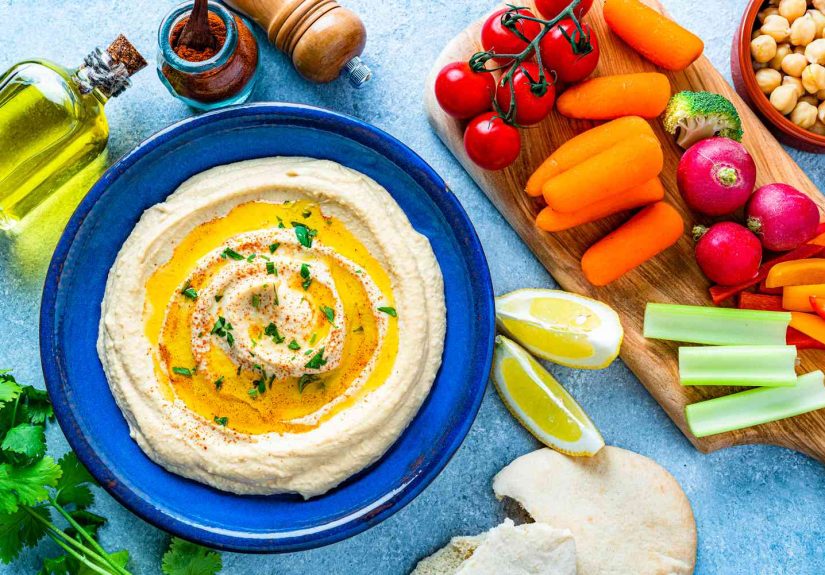
- Hummus + carrots and whole-grain crackers
- Air-popped popcorn + a handful of nuts
- Cheese stick + fruit
- Turkey roll-ups + cucumber slices
- Trail mix (portion-controlled) + freeze-dried fruit
Portion Reality Check (Because Snacks Can Secretly Become Meals)
Many RD guides suggest keeping snacks modestoften roughly 150–300 calories depending on your needs.
If you’re frequently needing a 600-calorie “snack,” it may be a sign your meals are too small, too low in protein/fiber,
or too far apart.
Sample Snack Schedules (Pick the One That Looks Like Your Life)
Schedule A: The Classic 9-to-5
- 7:30 a.m. Breakfast
- 12:00 p.m. Lunch
- 3:00 p.m. Snack (the hero of the afternoon)
- 6:30 p.m. Dinner
Schedule B: Early Breakfast, Late Lunch
- 6:30 a.m. Breakfast
- 10:00 a.m. Snack (bridges a long gap)
- 1:30 p.m. Lunch
- 4:30 p.m. Optional snack if dinner is late
- 7:30 p.m. Dinner
Schedule C: Shift Work / Nontraditional Hours
If you work nights or rotating shifts, the “ideal time” is still the same concept: snack when there’s a long gap,
and aim to avoid constant grazing. Try to anchor your day with consistent meals when possible, then place a snack
around your predictable dip in energy or focus.
Common Snack Timing Mistakes (And Easy Fixes)
Mistake: Waiting Until You’re Starving
Fix: Plan a snack before you hit the danger zone. If dinner is consistently late, treat the afternoon snack
like an appointment you actually keep.
Mistake: “Snack O’Clock” All Day Long
Fix: If you’re eating every hour, you may be under-eating at meals or choosing snacks that don’t satisfy.
Add protein and fiber, and check if stress or screen time is triggering mindless bites.
Mistake: A Sugary Snack That Leads to a Crash
Fix: Upgrade to a balanced snack combo (fruit + nuts, yogurt + berries, whole grains + protein).
You can still include sweet flavorsjust pair them with something that slows digestion.
Mistake: Late-Night Snacking Becoming a Daily Habit
Fix: First, add a planned afternoon snack. Second, build a satisfying dinner with protein and fiber.
If you’re still hungry later, choose a small, simple option and avoid eating right up until you sleep.
So What’s the Ideal Time to Snack Daily?
Here’s the RD-style answer you can actually use:
- The ideal time to snack is when your next meal is more than 4–5 hours awayand you’re genuinely hungry.
- For most people, that means mid-afternoon (about 2–4 p.m.), often around 3 p.m..
- If breakfast and lunch are far apart, a mid-morning snack can also be helpful.
- If late-night cravings are common, the solution is often a smarter afternoon snack and a more satisfying dinner.
And remember: the “best” snack time is the one that supports your energy, mood, and health goalswithout turning your day
into a 12-part snack series.
Real-Life Experiences With Snack Timing (The Part Where the Advice Meets Reality)
Advice sounds great in theory. In practice, your calendar doesn’t care about your blood sugar, your boss schedules
meetings through lunch, and your body chooses the exact moment you can’t eat to demand food like a tiny opera singer.
Here are some real-world snack timing experiencesbased on patterns dietitians commonly seeso you can recognize yourself
and adjust without trying to become a perfect nutrition robot.
1) The “I Forgot Lunch” Office Worker
A lot of people don’t plan to skip lunch. They just… blink… and suddenly it’s 2:30 p.m.
When they finally eat, they inhale something ultra-processed, then feel sleepy and snacky an hour later.
The fix that works most often is scheduling a 3 p.m. balanced snack even on “normal” daysbecause it prevents the
“emergency vending machine” situation on chaotic days. A yogurt with berries or an apple with nut butter becomes the
difference between steady energy and the 4 p.m. brain fog.
2) The Student With the 3:15 p.m. Crash
Students often describe the same pattern: a decent breakfast, a quick lunch, then a long afternoon stretch of classes or studying.
Around mid-afternoon, focus drops and cravings spikeusually for sweet, fast energy.
When they move their snack earlier (around 2:30–3:00 p.m.) and add protein (like trail mix with nuts, or cheese and fruit),
they report fewer “snack spirals” later. The snack doesn’t just fuel the bodyit protects study time from turning into
a snack scavenger hunt.
3) The Parent Who Eats Everyone Else’s Snacks
Parents don’t always snackthey sample. One cracker here, one bite of a granola bar there, half a banana “so it doesn’t go to waste.”
By dinner, they’re oddly hungry and not sure why. A planned mid-afternoon snack for the parent (not just the kids) is the game-changer.
Something quickhummus and crackers, a protein smoothie, or nuts and fruitreduces the “drive-by bites” that add up without satisfaction.
4) The Gym-Goer Who Mistook Thirst for Hunger
People who exercise after work often show up to the gym under-fueled because lunch was hours ago and dinner is “later.”
They feel weak mid-workout, then ravenous afterward, which can lead to overeating at night.
The practical fix is a pre-workout snack 30–90 minutes before trainingsomething light but balanced, like a banana with peanut butter
or yogurt. Hydration matters too: sometimes “snack cravings” are partly thirst, especially in hot climates or intense training blocks.
5) The Night Snacker Who Was Actually Under-Eating Earlier
Many people swear they have “no willpower” at night. Often, the real issue is that their day didn’t include enough protein, fiber,
or consistent eating. They’re not failingthey’re catching up.
When they add a real afternoon snack (and a more satisfying dinner), nighttime cravings shrink. Not always to zero, but to something manageable.
The big lesson: late-night snacking is often a symptom, not a personality trait.
6) The Shift Worker Who Needed a Snack Strategy, Not a Lecture
For shift workers, “Just don’t eat late!” isn’t helpful. If your “late” is someone else’s “lunchtime,” your body still needs fuel.
What helps most is creating a predictable pattern: a meal, then a snack about 3–4 hours later, then another meal.
The snack is planned (protein + fiber) so it doesn’t turn into constant grazing from convenience foods.
Consistency is the anchor when your schedule isn’t.
7) The Person Who Finally Made Snacks Boring (In a Good Way)
One of the most effective “success stories” is surprisingly unglamorous: people pick two or three go-to snacks and repeat them.
Not foreverjust long enough to build a rhythm. The snack becomes routine, not an event.
And once snack timing is stable, cravings often calm down. It’s not magic. It’s just your body trusting that food is coming.
If you take one thing from these experiences, let it be this:
the ideal time to snack is the time that prevents you from getting overly hungryand makes your next meal feel normal, not urgent.
For many people, that’s the mid-afternoon window. For you, it might be slightly earlier or later. The best plan is the one you can repeat on a Tuesday.