Table of Contents >> Show >> Hide
- What a dessert subscription box really is (and what “all the ingredients” actually means)
- Spotlight: The Pastry Project Monthly Pastry Kitdessert with a mission
- Why dessert kits are having a moment (and why your future self will thank you)
- Who this is perfect for (besides people who love sugar)
- How to choose the best dessert subscription box for you
- What you’ll still need at home (so you’re not mixing batter with a fork like a pioneer)
- Quick cost math: is a monthly baking kit worth it?
- Other U.S. dessert and baking subscription boxes worth knowing
- Bottom line: the easiest way to make dessert night happen more often
- The Sweet Reality: of What the Experience Feels Like
You know that moment when you think, “Tonight I’m baking something impressive,” and then your brain immediately
remembers you’d have to: find a recipe, make a grocery list, drive to the store, buy a lifetime supply of one spice,
and somehow leave with everything except the one ingredient you actually needed?
A dessert subscription box is the antidote to that whole situation. It’s basically “dessert night” in a cardboard
tuxedo: a monthly box that shows up with a chef-designed recipe and the pre-measured ingredients you need to pull it
offwithout turning your pantry into a museum of half-used baking supplies.
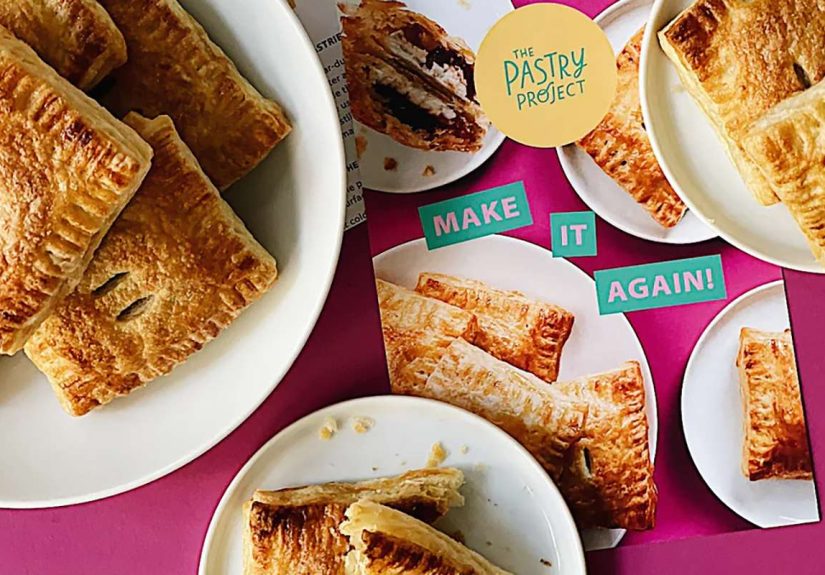
One standout in this category is The Pastry Project’s Monthly Pastry Kit, a box that delivers
pre-measured, non-perishable ingredients and step-by-step instructions so you can bake a seasonal dessert at home
with fewer errands, less waste, and more “wow, I made that?” energy.
What a dessert subscription box really is (and what “all the ingredients” actually means)
Most monthly baking kits aim for the sweet spot: they ship you the specialty and shelf-stable items that are annoying
to source in small quantitiesthink unique flours, sugars, spices, chocolates, mix-ins, and measured dry goodsplus a
recipe that’s been tested so you’re not playing edible roulette.
Here’s the honest asterisk (and it’s not a dealbreaker): many boxes still ask you to add a few common refrigerator or
pantry staples like eggs, butter, milk, or oil. That’s partly because perishable shipping is expensive and partly
because you probably already have those basics. The best kits make this super clear and keep the “you add” list short,
predictable, and easy.
Spotlight: The Pastry Project Monthly Pastry Kitdessert with a mission
The Monthly Pastry Kit from The Pastry Project is designed to make baking feel like a
treat, not a chore. Each box includes a chef-curated recipe card and pre-measured, non-perishable ingredients for a
new bakeoften seasonal, sometimes trend-forward, and usually the kind of dessert you’d brag about in a group chat.
You add a few fridge staples, follow the instructions, and suddenly you’re producing something that looks suspiciously
bakery-adjacent.
What arrives in the box
Expect the ingredients you’d rather not buy in bulk (or hunt down across three aisles), neatly portioned for the
month’s recipe. The instructions are built for real people who have jobs, pets, and attention spansnot just pastry
professionals with unlimited prep time. Subscriptions commonly include shipping, and you can typically cancel whenever
life gets busy (or your waistband asks for a sabbatical).
Why it’s more than a “cute baking kit”
The Pastry Project is a women-owned social enterprise with a mission to break barriers to employment by offering free
baking and pastry training. That means your monthly dessert habit can do double duty: feeding your sweet tooth and
supporting skills-building and job readiness in the pastry world. If you like your brownies with a side of purpose,
this is that.
Why dessert kits are having a moment (and why your future self will thank you)
Monthly baking kits are popular for the same reason meal kits took off: they remove friction. When the hardest part
of baking is “getting started,” a box that says “Here, begin” is basically motivation in packaging.
-
Less food waste: Pre-measured ingredients mean fewer leftover bags of specialty items that sit in
your pantry until they become a science experiment. -
More consistency: The recipe has been tested and calibrated to the included ingredients, which can
reduce the chance of a bake going off the rails. -
Skill-building without homework: You learn technique by doingcreaming, folding, proofing, glazing
but without needing to read a 4,000-word forum debate on flour brands. -
It’s an experience: Dessert night becomes a ritual: music on, oven warm, phone on “do not disturb,”
and someone inevitably saying, “Wait… we made this?”
Who this is perfect for (besides people who love sugar)
A dessert subscription box isn’t only for “bakers.” It’s for anyone who wants the feeling of bakingcozy,
creative, satisfyingwithout the full logistical obstacle course.
Busy beginners
If you’re new to baking, buying full-size ingredients for one recipe is a pricey way to learn. Kits keep it contained:
one project, one box, one clear set of steps.
Date nights and friend nights
Making dessert together is the rare activity that’s fun even when you’re “bad” at it. Measuring is handled, the plan
is provided, and the end result is edible validation.
Gift-givers who want to look thoughtful with minimal effort
A monthly baking kit is a gift that keeps arriving. It’s also wildly easier than guessing someone’s taste in perfume or
pretending they need another candle.
How to choose the best dessert subscription box for you
1) Check the “you add” list
The best monthly baking kits keep extras minimal: eggs, butter, maybe milk. If a box asks you to provide half the
ingredients, that’s not a kitit’s a motivational poster.
2) Look for learning support
Some boxes include videos, QR-code tutorials, or step-by-step photos. If you’re the type who reads instructions once
and then improvises wildly, visual guidance is your friend.
3) Understand the skill level
Boxes range from “stir, bake, celebrate” to “laminate dough and confront your fears.” Pick what matches your mood and
your Tuesday-night energy.
4) Ingredients and allergens
If you’re dealing with allergies, check whether the company shares allergen statements and cross-contact warnings.
Many kits are nut-free by recipe but may still be produced in facilities that handle common allergensimportant nuance
if you’re baking for someone sensitive.
5) Servings and value
Some boxes are designed for a crowd (12–20 servings), while others are a smaller “treat yourself” batch. Decide if you
want leftovers, shareables, or a dessert that disappears in one heroic sitting.
What you’ll still need at home (so you’re not mixing batter with a fork like a pioneer)
Even the best dessert kit delivery assumes you have basic kitchen gear. Typically, you’ll want:
- Mixing bowls and measuring spoons (for the few add-ins you provide)
- A whisk or hand mixer (depending on the recipe)
- A baking sheet, loaf pan, or cake pan (some boxes include specialty tools, some don’t)
- Parchment paper or nonstick spray
- Cooling rack (optional, but helpful if you want crisp edges and not soggy bottoms)
Don’t worrymost kits tell you what tools you’ll need before you start. The goal is “confident bake,” not “surprise
equipment shopping.”
Quick cost math: is a monthly baking kit worth it?
If you compare a kit to buying ingredients at the grocery store, the kit can look pricier at first glance. But the
comparison changes when you account for what you don’t buy: bulk specialty items you’ll only use once, extra
flavorings that expire, and the “oops, I forgot one thing so I’m back at the store” tax.
Think of it like paying for convenience, curation, and reduced wasteplus the experience. If you’re the kind of person
who loves baking but hates the prep logistics, the value is less about pennies and more about actually doing the thing.
Other U.S. dessert and baking subscription boxes worth knowing
If you’re shopping the category, here are a few other well-known options and styles you’ll see in the U.S. market:
-
Bake Eat Love: Monthly kits with pre-measured non-perishable ingredients, a specialty baking tool,
and video supportoften designed to feel like a mini baking class. -
Foodstirs: Organic baking kits and mixes that emphasize cleaner ingredients and approachable steps,
with a strong “weeknight baking” vibe. -
Baketivity: Kid-friendly baking subscription boxes featuring pre-measured ingredients and structured
learning elements, often geared toward family baking time. -
BāKIT Box: A baking-meets-learning angle, with pre-measured shelf-stable ingredients and activities
designed to make the process educational and interactive. -
Crumble Crate: A more “bakery-style showstopper” approach with pre-measured ingredients and content
support, aimed at creating an impressive finished dessert. -
Fikabröd-style boxes: Curated baking experiences that can feel artisanal and themed, often with
thoughtful packaging and storytelling.
Bottom line: the easiest way to make dessert night happen more often
A dessert subscription box is the simplest answer to a very modern problem: you want to do something cozy and creative,
but you don’t want to spend your entire evening sourcing ingredients and decoding recipes.
If you like the idea of baking a seasonal dessert with clear instructions, pre-measured ingredients, and minimal
grocery-store drama, a monthly baking kitespecially one like The Pastry Project’s Pastry Kitturns “someday” baking
into “this weekend” baking. And honestly, your future self deserves that.
The Sweet Reality: of What the Experience Feels Like
Let’s talk about the part no product page can fully capture: the oddly satisfying ritual of a dessert subscription box
showing up like a tiny edible holiday. It starts at the door. You pick up the package and immediately do the classic
“kitchen detective” movetilting it gently to guess what’s inside. Is it something crunchy? Something delicate? Is
there chocolate involved, and if so, is it the “serious” kind that makes you feel like a Food Network judge?
Then comes the unboxing, which is basically a dopamine buffet. Everything is portioned, labeled, and tidylike your
messiest baking dreams got organized by a professional. Instead of rummaging through your pantry for that one spice you
bought two years ago (and now looks… emotionally complicated), you see exactly what you’re working with. The recipe
card feels like a friendly coach: “Here’s what we’re making. Here’s how it’s going to go. I will not abandon you in
Step 7.”
The best part is how quickly you can get to the fun. You read the “you add” listusually eggs and butter, maybe milk
and realize you’re already 90% prepared. That’s when the vibe shifts from “I might bake” to “I am, in fact, baking.”
You preheat the oven, and suddenly the kitchen feels like a place where good decisions happen.
Mid-bake, there’s a specific kind of confidence that shows up when you’re not juggling ten different ingredient bags.
You can focus on the technique: creaming until fluffy, folding gently, watching dough transform, learning what “until
it looks like wet sand” actually means in real life. If the kit includes a video tutorial, you’ll catch yourself doing
the totally normal thing where you pause, rewind, and nod like you’re in a masterclass. It’s not just dessertit’s
skill-building disguised as a treat.
And yes, there is always a moment of chaosbecause baking is baking. Flour will escape. A whisk will fling batter in a
way that feels personal. You will question whether you lined the pan enough. But the kit structure keeps that chaos
contained. You’re not panicking because you forgot vanilla extract; you’re dealing with normal, manageable “I live in a
kitchen” energy.
Finally, the payoff: the smell. Your home turns into a dessert-scented force field that makes everyone wander into the
kitchen like cartoon characters floating toward a pie on a windowsill. When the bake comes out, you get that quiet,
proud pausethe one where you stare at it like, “Wait. That’s… actually legit.” You let it cool (or pretend you’re
letting it cool), you slice, and you take the first bite. It’s warm, fresh, and somehow tastes better because you made
itwith help that didn’t feel like cheating, just smarter planning.
The last surprise is what happens afterward: you keep the recipe card. Not because you’re a scrapbook person, but
because it’s proof. You did a real bake. Next month, another box arrives, and suddenly you’re the kind of person who
“has a baking routine.” That’s the magic: the subscription doesn’t just deliver ingredientsit delivers momentum.