Table of Contents >> Show >> Hide
- Why Hoka Feels Like a Cheat Code for Tired Feet
- The Under-$40 Contender Shoppers Keep Talking About
- How a $35 Sneaker Can Feel “Hoka-Level” Comfortable
- Where Budget Comfort Sneakers Usually Cut Corners
- Fit Checklist: Make the Comfort Last
- How Long Should You Expect Them to Last?
- Other Comfort Sneakers Shoppers Compare to Hoka
- The Bottom Line
- Experience Section: What a Week in a Budget “Hoka Rival” Can Feel Like (500+ Words)
There are two kinds of people in this world: the ones who will happily drop $150+ on a pair of cloud-cushioned sneakers,
and the ones who whisper, “Absolutely not,” while opening a dozen browser tabs labeled best Hoka alternatives.
If you’re in Group Two (or you’re in Group One but your bank account is in Group Two), you’ve probably seen the buzz:
shoppers say an under-$40 slip-on walking sneaker feels more comfortable than the expensive pairs they’ve tried.
Is it actually possible for a budget sneaker to give you that “my feet just exhaled” feeling people love in Hoka?
Sometimes, yesif you understand what you’re comparing. This article breaks down what makes Hoka-style comfort so addictive,
what this under-$40 contender gets right, where it cuts corners, and how to make any affordable walking shoe feel like a smarter buy.
Why Hoka Feels Like a Cheat Code for Tired Feet
Hoka built a reputation on a specific vibe: max cushion, smooth stride, less pounding.
Even if you’re not a runner, you feel the difference on long dayscommutes, errands, theme parks, hospital shifts, you name it.
The “Hoka sensation” typically comes from three comfort ideas working together.
1) Plush cushioning that softens impact
Hokas are known for thick midsoles that absorb shock and reduce that “heel-to-pavement” slap. For many people, that translates to
less foot fatigue by mile three of a day that somehow turned into mile nine. Cushioning also tends to help people who get cranky
feet on hard surfaces like concrete floors, sidewalks, and airport terminals.
2) A rocker-like ride that helps you roll forward
Many popular Hoka models use a rocker-shaped geometry that encourages a smoother transition from heel to toe. Instead of feeling like you’re
bending a stiff board with your foot, the shoe helps you “roll” through each step. For walkers, that can feel efficientlike your stride
is on a gentle conveyor belt (the good kind, not the treadmill kind).
3) Stability tricks in a tall shoe
Tall cushioning can feel wobbly if the platform isn’t designed well. Hoka often counters that with design choices that cradle the foot and
guide the stride so the shoe feels stable rather than marshmallowy. This matters most if you’re on your feet all day or if you’ve ever stepped
off a curb and briefly reconsidered your life choices.
The Under-$40 Contender Shoppers Keep Talking About
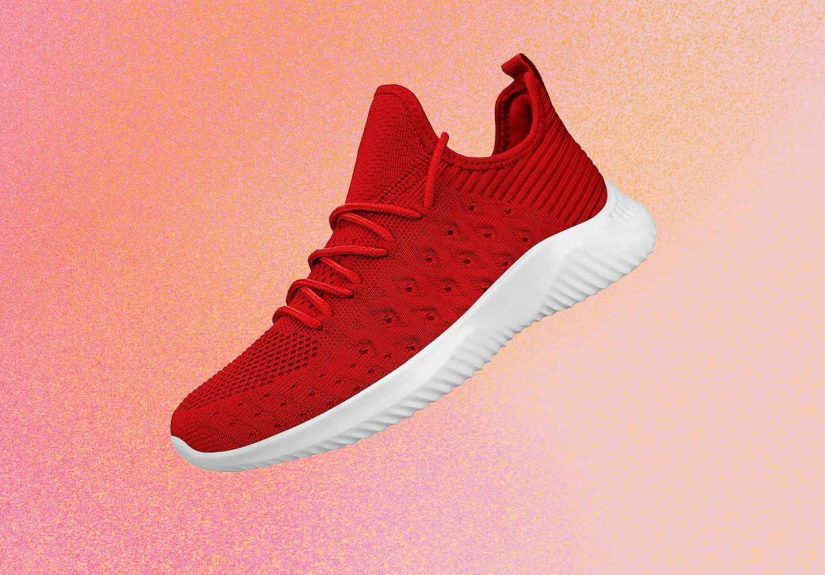
The buzzy budget pick is the Feethit Slip-On Walking Shoe, a lightweight sneaker that shoppers rave about for all-day comfortespecially
people who stand and walk for hours. The big headline claim (from reviewers): it can feel better than pricier, name-brand pairs.
What it is (in plain English)
Think of it as a sporty slip-on with a stretchy, sock-like upper, a cushioned footbed, and a flexible outsole. It’s designed to be easy to put on,
breathable in warm weather, and comfortable for daily walking. It’s not trying to be a high-tech performance running shoe. It’s trying to be the pair
you grab when you need comfort fast.
Why shoppers say it feels so good
- Lightweight feel: Less shoe to haul around can mean less fatigue on long days.
- Breathable upper: A mesh knit that helps heat escape (aka fewer “why are my feet simmering?” moments).
- Roomier fit options: Many buyers mention comfort for wide feet and a less pinched toe area.
- Cushy underfoot feel: Softness that feels immediately comfortable, especially on hard floors.
- Easy on/off: Slip-on convenience for busy mornings, travel days, or anyone who hates fighting with shoes.
How a $35 Sneaker Can Feel “Hoka-Level” Comfortable
Let’s be honest: a budget sneaker isn’t magically using the same premium materials as a flagship running shoe from a major brand.
The comfort trick is usually about getting the basics rightand matching them to how most people actually use the shoe.
Comfort isn’t only cushioningit’s also pressure distribution
A surprisingly common reason people love an affordable walking sneaker is that it doesn’t create “hot spots.” If the upper is soft and forgiving,
the toe area doesn’t squeeze, and the footbed spreads pressure evenly, the shoe can feel greateven if it’s not the most advanced foam on earth.
Soft uppers can feel amazing on sensitive feet
If you’ve ever worn a stiff sneaker that rubs the top of your foot or irritates your toes, you already know: the upper can ruin a shoe.
A stretchy knit that moves with your foot can be a comfort multiplierespecially for swelling after long hours, warmer climates, or travel days.
Slip-on simplicity can reduce daily friction
This sounds silly until you’re late: a shoe you can put on quickly is a shoe you’ll wear more. And if it feels comfortable immediately,
it becomes your default. That’s how “backup sneakers” become “I own five pairs in different colors” sneakers.
Where Budget Comfort Sneakers Usually Cut Corners
If you want a fair comparison with Hoka (or any premium sneaker), you need to look at what might be different behind the scenes.
Here are the most common trade-offs with under-$40 comfort shoes.
Durability: the midsole can “pancake” sooner
Softer, simpler foams can compress faster over time. At first the shoe feels cushythen months later it feels flatter, and you wonder
why your feet are suddenly grumpy again. If you walk a lot, pay attention to how the cushion feels after a few weeks and rotate pairs if possible.
Support: cushion and support are not the same thing
Some people need more structure: heel stability, arch support, or motion guidance. If you deal with persistent heel pain or plantar fasciitis-type
symptoms, experts often recommend shoes that combine cushioning with meaningful heel and arch support. If your budget sneaker feels good but your heel
starts complaining after long days, you may need a more supportive insole or a more structured shoe.
Sizing quirks and quality control
Affordable shoes sometimes vary more between colorways or batches. If you’re between sizes, read the most recent sizing feedback and consider ordering
two sizes to compare (if the retailer makes that easy). Your goal is a secure heel, a comfortable midfoot, and enough toe room to wiggle.
Fit Checklist: Make the Comfort Last
You can turn a “pretty comfy” shoe into a “why didn’t I do this sooner?” shoe with a few quick checks.
Do the toe-room test
Stand up (because your feet spread under load). You want about a thumb’s width between your longest toe and the front of the shoe.
Not clown-shoe roomyjust enough so your toes aren’t bracing with every step.
Lock in the heel (even in slip-ons)
Your heel shouldn’t slide much. If it does, you’ll subconsciously grip with your toes, which can lead to fatigue. Try a slightly thicker sock,
a heel grip pad, or adjusting the lacing (if the shoe has laces). A secure heel often makes a shoe feel more supportive immediately.
Upgrade with a simple insole if you need support
If you want more arch structure, a basic over-the-counter insole can help. Some people do best with a little extra arch support rather than
extra softness. If you’ve been told you need orthotics or you’ve got ongoing pain, it’s worth checking in with a podiatry professional for guidance.
How Long Should You Expect Them to Last?
A common guideline from sports podiatry is that many walking/running shoes are due for replacement somewhere around a few hundred miles of use.
That doesn’t mean your shoes self-destruct at a specific numberit means cushioning and stability components tend to wear down gradually.
If your shoes suddenly feel flatter, you’re getting new aches, or the outsole looks uneven, it may be time. Rotating between two pairs often helps both
pairs last longer (and gives the foam time to rebound between wears).
Other Comfort Sneakers Shoppers Compare to Hoka
If you’re building a short list, shoppers frequently mention other budget-friendly comfort picksespecially slip-ins and roomy walking shoes.
Here are a few names you’ll see often:
- Skechers hands-free slip-ins: Popular for convenience and cushion when you’re on your feet all day.
- Abboos slip-on sneakers: Another under-$40 style shoppers praise for comfort and value.
- Roomy toe-box walking sneakers: Often recommended by people with wide feet or toe sensitivity.
The best choice depends on your foot shape, how long you’re standing, and whether you need more structure or just a softer ride.
The Bottom Line
If you love the idea of Hoka-like comfort but not the price tag, an under-$40 sneaker can absolutely scratch the itchespecially for daily walking,
commuting, travel, and long hours on hard floors. The Feethit Slip-On Walking Shoe gets attention because it nails the basics:
lightweight feel, breathable comfort, and an easy fit that works for a lot of real-life feet.
Just keep expectations realistic: premium shoes often win on durability, structure, and consistency over time. If you treat a budget sneaker as a
high-value daily walker (and replace it when the cushion fades), it can be one of the smartest comfort purchases you’ll make all year.
Experience Section: What a Week in a Budget “Hoka Rival” Can Feel Like (500+ Words)
Let’s talk about the part people actually care about: the day-to-day experience. Not the product-page poetry. Not the “responsive energy return”
buzzwords. The real question is: How does a budget comfort sneaker feel on a random Tuesday when you’re running late, walking a ton, and your feet
are already judging you?
Imagine a typical week where you wear a lightweight slip-on walking shoe as your main pair. Monday starts with errands: groceries, a pharmacy run,
and that “quick” stop at a store that turns into a 45-minute wandering safari. The first thing you notice isn’t the cushioningit’s the lack of
irritation. A soft knit upper can feel like a truce between your foot and your shoe. No stiff edges digging into the top of your foot. No toe pinch.
If you’re someone whose feet swell a little by afternoon (hello, heat and humidity), that gentle stretch can be the difference between “fine” and
“get these off me immediately.”
By midweek, the test gets more serious: lots of standing. Think teachers, baristas, retail workers, hospitality, caregiversor anyone who has ever
stood on a hard floor long enough to start bargaining with the universe. This is where shoppers often say an affordable cushy sneaker can surprise you.
The win is that the shoe feels light and forgiving, so you’re not fighting it with every step. On long shifts, “lightweight” isn’t a luxuryit’s
fatigue management. Every ounce matters when you’ve got hours to go.
Thursday is the travel-style trial: longer walks at a steady pace. Maybe it’s parking farther away, taking the long route home, or hitting a big-box
store that’s basically an indoor marathon. Here, a soft underfoot feel can keep your mood intactbut the fit becomes crucial. If your heel is sliding,
your feet will start doing that sneaky toe-grip thing to stabilize you, and that’s when fatigue creeps in. The fix is usually simple: slightly thicker
socks, tightening the laces (if you have them), or using a heel grip. Once the heel feels secure, the whole shoe often feels more supportiveeven if
the midsole didn’t change at all.
Friday is where you notice the difference between “cushion” and “support.” If you have higher arches, plantar fasciitis flare-ups, or you just know your
feet prefer structure, you might want a basic insole upgrade. This is one of the most common “budget sneaker hacks”: keep the comfy upper and overall feel,
but add a little arch shaping so your foot isn’t doing all the stabilizing work. For many people, that combinationsoft upper + cushy platform + simple
insolecreates that “why does this feel so good?” effect that reminds them of pricier shoes.
The weekend is the real-world finale: casual outfits, longer walks, maybe a neighborhood stroll that turns into an accidental step-count flex.
This is where a budget comfort sneaker shines: you don’t baby it. You don’t feel guilty wearing it into messy weather or on a spontaneous plan.
You just slip it on and go. And honestly, that freedom is part of comfort too.
The key takeaway from a week like this: when shoppers say an under-$40 sneaker “rivals” Hoka, they usually mean it delivers the feeling they want most
less foot fatigue and fewer pain points during real life. If you get the right size, lock in the heel, and replace the pair once the
cushion fades, an affordable slip-on can be the unsung hero of your daily routine.