Table of Contents >> Show >> Hide
- What Makes Massaman Curry Different?
- Quick Ingredient Checklist
- Step-by-Step: Vegetarian Thai Massaman Curry
- Shortcut Option: No Massaman Paste? Use This Backup Plan
- Helpful Tips (So Your Curry Doesn’t Get Weird)
- Variations Everyone Asks For
- What to Serve With Vegetarian Massaman Curry
- Storage and Meal Prep
- of “Massaman Experiences” (From Real Kitchens, Not Fairy Tales)
- Conclusion
If Thai curry is the party, Massaman is the cozy sweater you put on when you want comfort and compliments.
It’s rich and creamy from coconut milk, gently spicy (not “call your insurance agent” spicy), and layered with warm
spices like cinnamon and cardamomplus the signature duo of potatoes and peanuts that makes Massaman feel like a hug in a bowl.
This vegetarian Thai Massaman curry recipe keeps all the classic vibes while swapping in plant-based protein and a few smart
techniques that reputable U.S. recipe developers swear by: blooming curry paste in oil and coconut cream, balancing sweet–salty–sour,
and simmering until the sauce turns glossy and spoon-clingy.
What Makes Massaman Curry Different?
Compared with green or red curry, Massaman is typically milder and warmerthink “aromatic and toasty” rather than “bright and fiery.”
The flavor profile often includes:
- Coconut milk for richness
- Massaman curry paste (or a clever shortcut with red curry paste + warm spices)
- Potatoes (waxy varieties hold shape best)
- Peanuts or a bit of peanut butter for body
- Tamarind for tang (or a shortcut tart element if needed)
- Sweetener like palm sugar or brown sugar
- Umami traditionally from fish saucehere we’ll use vegetarian alternatives
Quick Ingredient Checklist
Before we cook: Massaman curry paste is sometimes made with shrimp paste or fish-based ingredients. If you’re vegetarian (or vegan),
read the label. Many brands vary.
Core Ingredients
- 2 tablespoons neutral oil (avocado, grapeseed, canola)
- 3 to 4 tablespoons vegetarian Massaman curry paste (start with 3; add more to taste)
- 1 can (13.5–14 oz) full-fat coconut milk
- 1 to 1 1/4 cups vegetable broth (or water)
- 1 pound Yukon Gold or other waxy potatoes, cut into 1-inch chunks
- 1 medium yellow onion, sliced into thick wedges
- 2 medium carrots, sliced (or sub sweet potato)
- 1 1/2 to 2 cups quick-cooking vegetables (green beans, bell pepper, cauliflower, zucchini)
- 1 block (14 oz) extra-firm tofu, pressed and cubed or 1 can chickpeas, drained and rinsed
- 1/3 cup roasted unsalted peanuts (plus more for garnish)
For the “Massaman Balance” (Sweet–Salty–Sour)
- 1 1/2 tablespoons tamarind concentrate/paste (dilute with warm water if very thick)
- 1 to 2 tablespoons brown sugar (or palm sugar if you have it)
- 1 to 2 tablespoons soy sauce or tamari (for vegetarian umami)
- 1/2 to 1 teaspoon kosher salt (only if needed after soy sauce)
- Juice of 1/2 lime (optional but lovely at the end)
Optional “Restaurant Aroma” Boosters
- 1 cinnamon stick
- 1 star anise
- 2 to 3 cardamom pods, lightly crushed
- 1 tablespoon peanut butter (for extra body)
Step-by-Step: Vegetarian Thai Massaman Curry
Step 1: Prep the tofu (worth it)
Press tofu for 10–15 minutes (wrap in a clean towel and set something heavy on top). Cube it into bite-size pieces.
For better texture, either:
- Pan-sear: Brown tofu in a little oil until golden on 2–3 sides, then set aside.
- Bake: 425°F for ~20–25 minutes, flipping once, until edges look bronzed and chewy.
Shortcut: Use chickpeas. They don’t crisp, but they’re weeknight heroes.
Step 2: Bloom the curry paste (flavor lives here)
- In a large pot or Dutch oven, warm the oil over medium heat.
- Add the curry paste and cook 1–2 minutes, stirring constantly, until fragrant and slightly darker.
- Spoon in the thick part of coconut milk (the creamy top layer) and cook 2–3 minutes more, stirring, until glossy.
This step is the difference between “pretty good” and “why is my kitchen suddenly a Thai restaurant?”
Step 3: Build the simmer
- Add onion, potatoes, and carrots. Stir to coat in the curry mixture.
- Pour in remaining coconut milk and the vegetable broth.
- If using cinnamon stick/star anise/cardamom, add them now.
- Bring to a gentle simmer, then lower heat and cook 12–15 minutes, stirring occasionally.
Step 4: Add quick vegetables + protein
- When potatoes are about halfway tender, add your quick vegetables.
- Add tofu (or chickpeas) and peanuts.
- Simmer 6–10 minutes more, until vegetables are tender and the sauce thickens slightly.
Step 5: Season like you mean it
Massaman should taste roundednot just salty, not just sweet, not just sour. Add:
- 1 tablespoon tamarind + 1 tablespoon sugar + 1 tablespoon soy sauce.
- Stir, simmer 1 minute, then taste.
- Add the remaining tamarind/sugar/soy gradually until it hits that cozy “sweet–salty–tangy” harmony.
- Finish with a squeeze of lime if you want extra brightness.
Step 6: Serve
Serve over jasmine rice, brown rice, or rice noodles. Garnish with cilantro, extra peanuts, and lime wedges.
If you want a crunchy, fancy finish: sprinkle fried shallots on top (the store-bought kind is totally allowed).
Shortcut Option: No Massaman Paste? Use This Backup Plan
If you can’t find vegetarian Massaman paste, several U.S. test kitchens recommend a practical workaround:
use Thai red curry paste plus warm spices to mimic Massaman’s signature profile.
Quick “Fake It” Massaman Mix
- 2 tablespoons Thai red curry paste
- 1/2 teaspoon ground cinnamon
- 1/4 teaspoon ground cloves (or a pinchcloves are bossy)
- 1/2 teaspoon ground cumin
- 1 star anise (optional)
- 1 tablespoon peanut butter (recommended)
Cook this mix in oil and coconut cream exactly like the recipe above, then proceed. It won’t be identical, but it will be
deeply satisfyingand nobody at the table has to know it was Plan B.
Helpful Tips (So Your Curry Doesn’t Get Weird)
Pick the right potatoes
Waxy potatoes (like Yukon Gold) hold their shape better than starchy potatoes, which can break down and turn the curry into
“delicious mashed curry” (not a tragedy, but… different).
Keep the simmer gentle
Coconut milk can separate if boiled aggressively. A gentle simmer keeps the sauce creamy while still letting flavors meld.
Don’t dump all the seasoning at once
Tamarind and soy sauce vary a lot by brand. Add them gradually, taste, and adjust. The goal is balance, not a sour punch to the face.
Want it thicker?
- Simmer uncovered 3–6 minutes to reduce.
- Stir in 1 tablespoon peanut butter.
- Mash a few potato chunks against the side of the pot and stir back in.
Variations Everyone Asks For
Vegan Massaman Curry
Use tofu or chickpeas, ensure your curry paste is vegan, and season with soy sauce/tamari instead of fish sauce.
Gluten-Free Massaman Curry
Use tamari instead of soy sauce and verify curry paste ingredients. Everything else is naturally gluten-free.
Nut-Free Version
Skip peanuts and use toasted sunflower seeds for garnish. For body, use sunflower seed butter instead of peanut butter.
Extra Veggie Version
Add cauliflower, green beans, zucchini, or bell peppers. Add leafy greens (spinach) at the very end so they don’t overcook.
What to Serve With Vegetarian Massaman Curry
- Jasmine rice (classic)
- Brown rice (heartier, nutty)
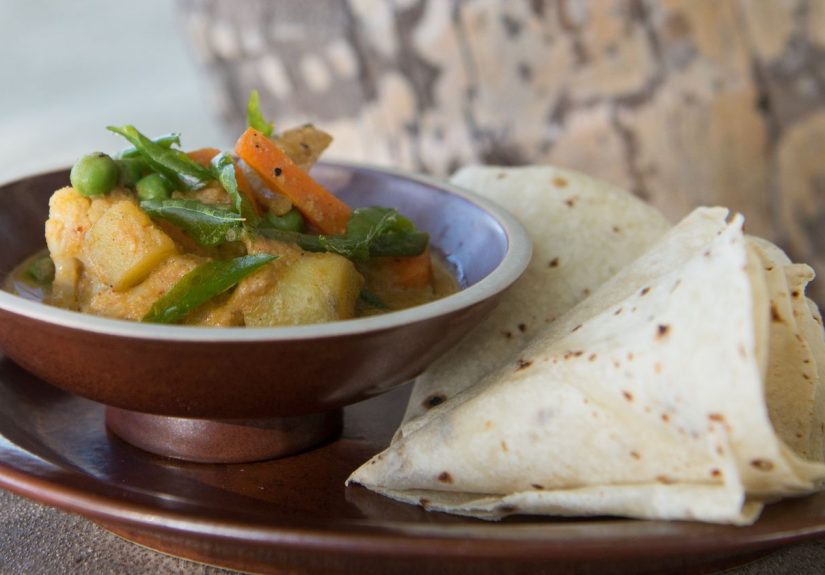
- Roti (the “scoop every drop” option)
- Cucumber salad (cool crunch against warm curry)
- Lime wedges + fresh herbs (instant freshness)
Storage and Meal Prep
Massaman is one of those dishes that often tastes even better the next day. Store in an airtight container:
- Fridge: 3–4 days
- Freezer: up to 2 months (texture may soften; still tasty)
Reheat gently on the stove with a splash of water or broth to loosen the sauce.
of “Massaman Experiences” (From Real Kitchens, Not Fairy Tales)
There are two kinds of curry nights: the ones where you cook because you have a plan, and the ones where you cook because your brain
has declared, “I need comfort food immediately.” Vegetarian Massaman curry is the rare recipe that works beautifully for both.
On a planned night, you can press tofu properly, toast peanuts, and feel like the organized adult you pretend to be on LinkedIn.
On an unplanned night, you can open a can of chickpeas, grab whatever vegetables are teetering on the edge of “use me or lose me,”
and still end up with a dinner that tastes like you tried.
Many home cooks notice the same small miracle the first time they make Massaman: the smell. It starts quietlyoil warming, curry paste
hitting the panthen suddenly the kitchen smells warm and spiced, like cinnamon decided to move into a coconut grove.
It’s not the sharp, chili-forward punch of some Thai curries; it’s softer and rounder. That’s why Massaman is such a crowd-pleaser:
it invites people in instead of daring them to prove something.
Another common “aha” moment: balancing the sauce. The first taste might be rich but flat, like a movie with great actors and no plot.
Then you add a little tamarind and the curry wakes up. A spoon of sugar smooths the edges. A splash of soy sauce adds that savory depth
that vegetarians sometimes miss in restaurant-style Thai curries. The flavor doesn’t just get strongerit gets more complete. It’s the
same feeling as adjusting the lighting in a room and realizing, “Oh, this is the vibe.”
Texture is where experiences divergeespecially with tofu. Some people fall in love with soft tofu simmered gently in curry,
while others want tofu with edges that fight back a little (in a charming way). That’s why browning or baking tofu is worth the extra step:
it changes the whole experience. You get chewy, golden bites that hold their identity in the sauce instead of dissolving into it.
Chickpeas offer a different kind of satisfaction: they’re creamy inside, sturdy outside, and they make the curry feel hearty fast.
And finally, there’s the “last spoon” phenomenon. Massaman tends to leave behind a little extra sauceon purpose, it seems.
People who swear they’re full will still hover near the pot, negotiating with themselves: “Just a little more rice.”
That’s the sign you nailed it. When a curry makes you consider cooking a bonus carbohydrate as a sauce-delivery vehicle,
you’ve officially entered the comfort-food hall of fame.
Conclusion
Vegetarian Thai Massaman curry is proof that plant-based cooking doesn’t have to be “a salad, but make it sad.”
With the right techniqueblooming curry paste, simmering gently, and balancing sweet–salty–souryou get a rich, fragrant curry
that feels special on a weeknight and impressive on a weekend. Keep it classic with potatoes and peanuts, customize the vegetables,
and make it your new “everyone loves this” recipe.