Table of Contents >> Show >> Hide
- What Is the Vertigo Pendant Lamp?
- The Design Story: Why It Became a Modern Icon
- Materials, Construction, and What That Means for Your Room
- Sizes and Specs: Picking the Right Vertigo Without Guessing
- Light Output: Choosing a Bulb That Makes Vertigo Look Its Best
- Where the Vertigo Pendant Lamp Works Best
- Style and Finish: White, Black, Copper, and the “Personality Colors”
- Placement Tips That Make a Big Difference
- Care and Maintenance: Keep the Halo Looking Fresh
- Buying Advice: How to Shop Smart
- FAQ
- Real-World Experiences With the Vertigo Pendant Lamp (The 500-Word Reality Check)
Some lights simply illuminate. The Vertigo pendant lamp? It performs. Hang one up and it doesn’t just sit there like a polite houseguestit
gently shifts with the air, throws graphic shadows like it’s auditioning for a noir film, and somehow makes even a basic dining table feel like it
belongs in a design magazine. It’s big, it’s airy, it’s strangely lightweight, and yespeople will ask about it. Repeatedly.
In this guide, we’ll break down what makes the Vertigo pendant lamp iconic, how to choose the right size, where it works best, what bulb actually
flatters it (spoiler: not the “whatever was in the junk drawer” option), and what it’s like to live with a lamp that occasionally sways like it’s
listening to music you can’t hear.
What Is the Vertigo Pendant Lamp?
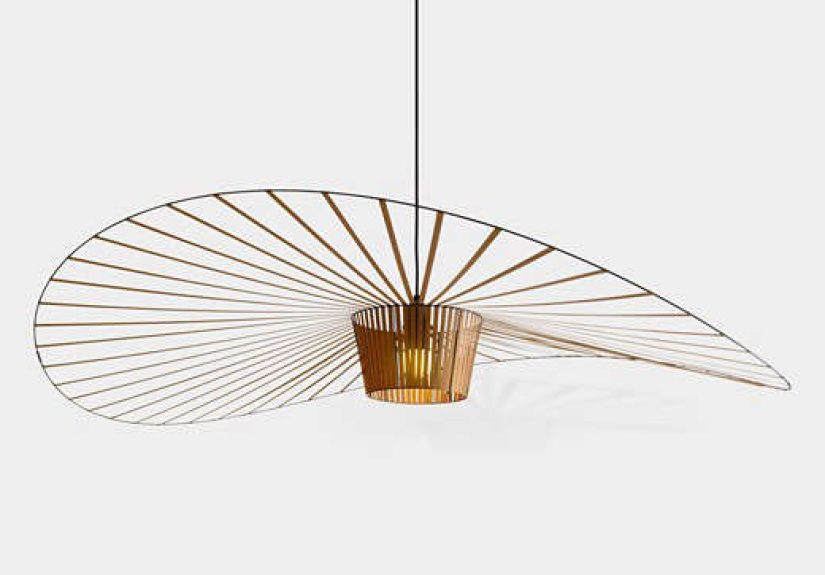
The Vertigo pendant lamp is a sculptural, large-scale hanging light designed to feel both “there” and “not there” at the same time. Its shade is
made from a lightweight fiberglass structure traced with velvety polyurethane ribbons laid by hand. The result is a floating halo that looks graphic
in daylight and becomes a shadow-casting machine once the bulb is on.
Designers often describe it as a “den lamp”a fixture that creates a cozy zone inside a larger space. That’s the magic trick: even in open-plan rooms,
it can visually “lower” the ceiling over a dining table or seating area without turning your space into a cave.
The Design Story: Why It Became a Modern Icon
Designed in 2010, Vertigo quickly earned “statement piece” status because it’s dramatic without being heavy. Its silhouette is wide, but its physical
presence is surprisingly light. In other words: it looks like it should require a crane, but it behaves more like an elegant, oversized mobile.
The lamp’s gentle movement is not a gimmickit’s part of the experience. Small air currents can cause it to subtly rotate or sway, and the ribbons
create a shifting pattern of shadows note-for-note with that movement. In the right room, it’s a little like having a slow-motion ceiling mural that
changes with the day.
Materials, Construction, and What That Means for Your Room
Vertigo’s build is a mix of practical engineering and visual drama:
- Fiberglass frame: keeps the structure light but stable.
- Polyurethane ribbons: soft, velvety-looking lines that define the shade and create the shadow pattern.
- Steel canopy / hardware: gives it a secure ceiling mount; some listings note recycled steel for the canopy.
- Textile cord: helps the lamp feel more “furniture-like” and less “office ceiling.”
Translation: it’s airy enough for minimalist interiors, graphic enough for modern spaces, and sculptural enough for eclectic rooms that need a single
strong focal point.
Sizes and Specs: Picking the Right Vertigo Without Guessing
One reason Vertigo is so widely used is that it comes in multiple diameters. Different U.S. retailers may label sizes slightly differently, but these
are the common dimensions you’ll see:
Quick Size Table
| Size | Diameter | Height | Approx. Weight | Best For |
|---|---|---|---|---|
| Small | 43.3 in | 5.9 in | ~0.9 lb | Smaller dining tables, reading corners, apartments with lower ceilings |
| Medium | 55.1 in | 5.9 in | ~1.0–1.1 lb | Most 4–6 seat dining tables, open living rooms, “main character” lighting |
| Large | 78.7 in | 6.7 in | ~1.3–1.4 lb | Big rooms, high ceilings, lofts, dramatic entries, hotel-lobby energy (at home) |
Cord Length and Hanging Height
Many listings show an adjustable cable around 118 inches (about 9.8 feet). Some retailers also offer an extra-long cord option around 393.8 inches
(about 32.8 feet) for stairwells and tall lobbies. If your ceiling is standard height, the regular cord is plenty. If your ceiling is “former cathedral,”
you’ll want the long cord.
Installation Notes
- Hardwire installation: common for Vertigo; plan for an electrical box in the ceiling.
- Assembly: the shade typically requires simple assembly; two people are often recommended for unfolding/folding.
- Indoor use: it’s intended for dry interior spaces.
Light Output: Choosing a Bulb That Makes Vertigo Look Its Best
Vertigo’s shade isn’t about blasting task lighting. It’s about soft, ambient glow plus a shadow pattern that makes walls and ceilings look interesting.
Your bulb choice decides whether that pattern looks dreamyor like a flashlight trapped in a birdcage.
Bulb Base and Shape
In the U.S., Vertigo listings commonly specify an E26 medium base socket. The “globe” style bulb is a popular match (often referenced
as G30/G120 shapes depending on retailer language). A globe bulb helps distribute light evenly inside that wide shade, so you don’t get a harsh hotspot.
Brightness and Color Temperature
- Color temperature: aim for warm white (around 2700K) for a cozy, flattering glow.
- Brightness: about 800–1500 lumens works well for ambient lighting in many rooms; go higher if it’s your only overhead source.
- LED is your friend: it reduces heat and keeps the look consistent, especially if the lamp is on for hours.
Is It Dimmable?
This is where product listings can be confusing. Some retailer pages list “dimmable: no,” while others specify compatibility with a standard 120V
dimmer setup. In real-world terms, dimming usually comes down to your wall dimmer and whether your chosen LED bulb is dimmable. If dimming matters to
you, treat it like a three-part checklist: fixture listing + dimmer type + bulb compatibility. When in doubt, confirm with the retailer or
your electrician before installing.
Where the Vertigo Pendant Lamp Works Best
Over a Dining Table
Vertigo is famous in dining spaces because it creates a “room within a room.” The wide diameter visually anchors the table, while the shadows add
texture without clutter. For most 4–6 seat tables, the 55.1-inch diameter is a sweet spot: big enough to feel intentional, not so big it eats the room.
In a Living Room
In living rooms, Vertigo can replace a traditional chandelier and still feel lighterespecially in white or pale finishes. The shadow pattern becomes
decor, which is excellent news if you’re tired of buying throw pillows for emotional support.
Bedrooms and Reading Corners
A Vertigo pendant in a bedroom is less about brightness and more about atmosphere. Think: soft glow, subtle movement, and a shadow pattern that makes a
plain ceiling feel designed. Just keep it away from ceiling fans unless you want your lamp to develop a hobby as a wind sock.
Entries, Stairwells, and Double-Height Spaces
If you have height, Vertigo loves it. An extra-long cord option can make it work in tall foyers and stairwells, where the lamp reads like sculpture
from multiple angles.
Style and Finish: White, Black, Copper, and the “Personality Colors”
Vertigo comes in multiple finishes. Here’s how they tend to behave in a room:
- White: airy, soft, and almost architecturalgreat for bright interiors and low visual clutter.
- Black: sharper, more graphic, and higher contrastexcellent when you want the shadow pattern to pop.
- Copper/metallic: warmer and more decorative; it can echo brass hardware, warm woods, and earthy palettes.
- Bold colors (like cobalt, beetle/iridescent looks, and other seasonal tones): a statement within the statementbest when the rest of the room is calm enough to let it shine.
Placement Tips That Make a Big Difference
1) Center it for the “Den” Effect
Vertigo looks best when it’s clearly defining a zonecentered over a table, coffee table, or seating arrangement. Off-center placement can work, but
it changes the effect from “intentional canopy” to “did we measure?”
2) Watch the Airflow
A little movement is charming. Constant blasting from an air vent is less charming. If your HVAC vent points directly at the lamp, you may get more
spinning than you planned for. If you want gentle sway, place it where natural air currents can reach it (without turning it into a ceiling
windmill).
3) Respect the Diameter
The 78.7-inch version is dramaticand it needs breathing room. In smaller rooms, it can feel like a stylish UFO landing. That might be the vibe! Just
make sure doors, tall cabinets, and circulation paths aren’t fighting the silhouette.
Care and Maintenance: Keep the Halo Looking Fresh
The good news: Vertigo is lightweight. The other news: it’s big, so dust eventually notices it.
- Regular dusting: a feather duster works well for quick cleanups.
- Deeper cleaning: wipe gently with a soft, lint-free cloth; a slightly damp cloth can help.
- Avoid shortcuts: skip compressed air sprays and harsh cleanersthey can be too aggressive for the ribbons and finish.
- Assembly tip: if you ever need to fold/unfold it again, plan on two people and a calm mood.
Buying Advice: How to Shop Smart
Vertigo is widely available through design retailers, and policies can varyespecially on made-to-order colors or special configurations.
- Check size labeling: some stores list only two sizes, others list three. Confirm the diameter in inches, not just “small/large.”
- Plan for shipping: it’s lightweight, but the box is not tiny (because circles refuse to be compact).
- Return policies: certain finishes and made-to-order options may be final sale or non-returnable.
- Budget range: pricing varies by size and finish; many U.S. listings cluster around the low-to-mid $1,000s.
FAQ
Does the Vertigo pendant lamp provide enough light for a whole room?
It can, depending on your bulb brightness and room size, but it excels at ambient lighting. In larger rooms, pair it with floor lamps, wall
sconces, or table lamps for layered light.
Is it too delicate for homes with kids or pets?
The shade is lightweight and designed for interior living, but any large pendant benefits from smart placement. Keep it at a safe height and away from
areas where someone might grab it like a ceiling piñata.
Can I install it myself?
Because it’s typically hardwired, many homeowners hire a licensed electricianespecially if you’re adding a dimmer or adjusting ceiling box placement.
The shade assembly is usually straightforward, but the wiring should be treated seriously.
Real-World Experiences With the Vertigo Pendant Lamp (The 500-Word Reality Check)
The first “experience” most people have with Vertigo is not turning it onit’s watching someone walk into the room and do that involuntary slow-down
where their eyes go wide and their brain goes, “Wait… what is that?” The lamp reads like a drawing in the air, especially in daylight. In
brighter rooms, the shade can feel almost transparent from certain angles, like it’s hovering rather than hanging. That’s the charm: it takes up a lot
of visual space while still feeling light on its feet.
At night, the mood shifts. When the bulb glows, the ribbons project a pattern that spreads across nearby surfaceswalls, ceiling, even the floor if the
lamp is hung lower. Owners often describe it as “soft drama”: it’s noticeable, but not harsh. The best setups tend to use a warm LED globe bulb so the
light feels even and flattering. With the wrong bulb (too cool, too bright, too directional), the pattern can look busy and the bulb can become the
star of the showwhich is unfortunate, because nobody invited the bulb to be the star.
The movement is another thing you don’t fully “get” until you live with it. It’s subtlemore of a slow drift than a spin. You’ll notice it when the
HVAC kicks on, when a window is cracked, or when a group of people walks through the room and changes the air. In calm conditions, it’s still. In a
gentle breeze, it comes alive. That can feel oddly soothing, like a ceiling-mounted reminder to stop doom-scrolling and breathe. (No promises, but it
tries.)
The most practical experience note is assembly and handling. The shade is big and light, which means it’s easy to lift but awkward to manage solo. Many
people end up doing a two-person “lamp ballet” during setupone person stabilizes while the other follows the instructions and tries not to accidentally
turn the dining table into a temporary workbench of doom. Once it’s up, though, it tends to be a low-maintenance relationship: occasional dusting, the
rare deeper clean, and the satisfaction of a statement piece that doesn’t require constant styling.
One more real-world detail: Vertigo has a talent for making the rest of your lighting feel… underachieving. Put it in the dining room and suddenly the
hallway flush mount looks like it gave up. The solution is not to replace all your lights (unless you want to). It’s to let Vertigo be the hero and
make everything else supportivesimple, warm, and quietly functional.