Table of Contents >> Show >> Hide
- What Does the Gallbladder Actually Do?
- Common Gallbladder Problems
- 1. Gallstones (Cholelithiasis)
- 2. Biliary Colic (Gallbladder Attack)
- 3. Cholecystitis (Inflammation of the Gallbladder)
- 4. Stones in the Bile Ducts (Choledocholithiasis) and Related Complications
- 5. Gallbladder Polyps
- 6. Gallbladder Cancer (Rare but Serious)
- 7. Functional Gallbladder Disorder (Biliary Dyskinesia)
- Common Symptoms of Gallbladder Problems
- Why Do Gallbladder Problems Happen? (Causes and Risk Factors)
- How Are Gallbladder Problems Diagnosed?
- Treatment Options for Gallbladder Problems
- Can Gallbladder Problems Be Prevented?
- When Should You See a Doctor or Go to the ER?
- Living With Gallbladder Problems: Real-World Experiences
- Bottom Line
Your gallbladder is a tiny, pear-shaped organ that most people ignore completely… until it starts
screaming for attention at 2 a.m. If you’ve ever had sharp pain under your right ribs after a rich,
greasy meal, you might have already met this small but mighty troublemaker.
In this guide, we’ll break down the most common gallbladder problems, what causes them, how they’re
diagnosed, and which treatments actually help. We’ll also talk about what you can do to lower your
risk and share some real-world experiences of living with gallbladder issuesall in plain English, with
a dash of humor and zero medical-school vocabulary quizzes.
What Does the Gallbladder Actually Do?
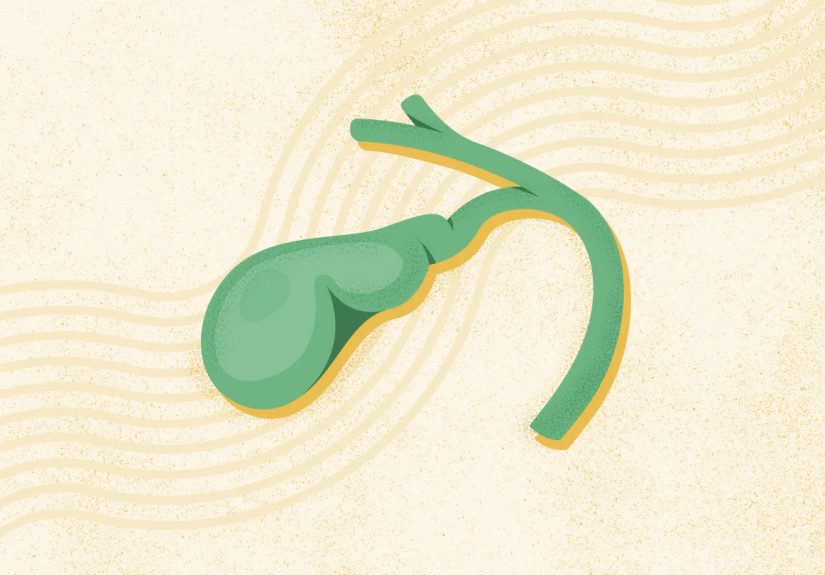
The gallbladder sits under your liver on the right side of your abdomen. Its main job is to store and
concentrate bile, a yellow-green digestive fluid made by your liver. Bile helps you digest fats.
Think of your liver as a factory that makes bile all day long. The gallbladder is the storage tank
that holds and concentrates that bile, then squeezes it into your small intestine when you eatespecially
when your meal includes pizza, burgers, butter, or other high-fat foods.
When something interferes with the flow of bilelike stones, inflammation, or blockagesyou can develop
gallbladder disease and a variety of uncomfortable (and sometimes dangerous) symptoms.
Common Gallbladder Problems
“Gallbladder problems” is an umbrella term for several different conditions. Some are mild and mostly
annoying; others can be serious and require urgent care or surgery.
1. Gallstones (Cholelithiasis)
Gallstones are hardened chunks of material (usually cholesterol or pigment from red blood cells) that
form in the gallbladder. They can be tiny like grains of sand or as large as a golf ball. Many people
have gallstones and never know itthese are called “silent” gallstones.
Problems tend to start when a stone moves and blocks the duct that bile uses to leave the gallbladder.
That’s when you can get pain, inflammation, or a full-on gallbladder “attack.”
2. Biliary Colic (Gallbladder Attack)
Biliary colic is the medical term for the classic gallbladder attack: sudden, gripping pain in the
upper right abdomen, often after a fatty meal or during the night. The pain may radiate to your back
or right shoulder, and it can last from 15 minutes to several hours.
The pain typically happens when a gallstone temporarily blocks the cystic duct (the tube that drains
the gallbladder). Once the stone moves and bile can flow again, the pain usually eases.
3. Cholecystitis (Inflammation of the Gallbladder)
Cholecystitis is inflammation of the gallbladder. It’s often caused by a gallstone that gets stuck and
stays stuck, leading to swelling, irritation, and sometimes infection. Acute cholecystitis can cause
severe pain, fever, and feeling very unwell.
Chronic cholecystitis develops over time when repeated episodes of irritation and mild inflammation
scar and stiffen the gallbladder. People may have frequent indigestion, nausea, and discomfort after
meals rather than one dramatic attack.
4. Stones in the Bile Ducts (Choledocholithiasis) and Related Complications
Sometimes gallstones escape the gallbladder and get lodged in the common bile duct, the main highway
that carries bile from the liver and gallbladder into the intestine. This can block bile flow and
cause:
- Jaundice (yellowing of the skin and eyes)
- Cholangitis (infection of the bile ducts)
- Pancreatitis (inflammation of the pancreas) if the nearby pancreatic duct is blocked
These complications are serious and can become life-threatening if not treated quickly.
5. Gallbladder Polyps
Gallbladder polyps are growths that stick out from the inner wall of the gallbladder. Most are small,
benign (noncancerous), and found accidentally on ultrasound. However, larger polyps or those in people
with certain risk factors may need closer monitoring or removal of the gallbladder to reduce the risk
of cancer.
6. Gallbladder Cancer (Rare but Serious)
Gallbladder cancer is uncommon, but when it does occur, it’s often discovered late because early
symptoms can look just like everyday gallbladder problemspain, nausea, or gallstones. Risk is higher
in people with long-standing inflammation, large gallstones, certain structural abnormalities, or a
porcelain (calcified) gallbladder.
The good news: for most people, common gallbladder symptoms turn out to be gallstones or inflammation,
not cancer. Still, persistent or severe symptoms always deserve a medical check.
7. Functional Gallbladder Disorder (Biliary Dyskinesia)
Sometimes the gallbladder looks normal and there are no stones, but it doesn’t contract properly. This
is called biliary dyskinesia or functional gallbladder disorder. People may have biliary-type pain,
but imaging doesn’t show obvious blockages. Special tests can measure how well the gallbladder squeezes
to help make this diagnosis.
Common Symptoms of Gallbladder Problems
Symptoms depend on the exact condition, but many gallbladder issues share a similar theme: pain and
digestive drama after eating.
- Sharp, cramping, or steady pain in the upper right or middle upper abdomen
- Pain that may radiate to the right shoulder blade or back
- Pain that often starts after a heavy or high-fat meal
- Nausea and vomiting
- Feeling bloated, gassy, or “uncomfortably full” after eating
- Fever or chills (can signal infection or acute inflammation)
- Jaundice (yellow skin or eyes)
- Dark urine and pale or clay-colored stools
Some people have no symptoms at all, even with multiple stones in the gallbladder. Others
can tell you exactly which cheese fries triggered their last attack.
Why Do Gallbladder Problems Happen? (Causes and Risk Factors)
Most gallbladder problems start with gallstones. Stones form when substances in bileespecially
cholesterol or bilirubincrystallize and clump together.
Key factors that increase the risk of gallbladder problems include:
- Biological sex: People assigned female at birth are more likely to develop gallstones.
- Age: Risk rises with age, especially after 40.
- Family history: Gallstones can run in families.
- Body weight: Overweight and obesity increase the risk; very rapid weight loss can also trigger stones.
- Pregnancy: Hormonal shifts slow gallbladder emptying and change bile composition.
- Diet: High-fat, high-cholesterol, and low-fiber diets may contribute.
- Medical conditions: Diabetes, metabolic syndrome, liver disease, some blood disorders, and certain intestinal diseases.
- Medications: Some cholesterol-lowering drugs and hormone therapy may slightly raise risk.
The classic (though oversimplified) old teaching was “female, forty, fertile, and fat”which is catchy
but not fully accurate. Men, younger people, and those who are not overweight can absolutely develop
gallbladder disease too.
How Are Gallbladder Problems Diagnosed?
If you show up at a clinic or emergency department with upper right abdominal pain, your healthcare
provider will:
1. Ask About Your Symptoms and Medical History
They’ll ask when the pain started, what it feels like, how long it lasts, what makes it better or
worse, and whether you have nausea, vomiting, fever, or jaundice. They’ll also ask about your diet,
medications, weight changes, and family history.
2. Perform a Physical Exam
The provider will gently press on your abdomen, especially in the upper right quadrant. Pain or
tenderness thereespecially when you take a deep breathcan suggest gallbladder involvement.
3. Order Blood Tests
Blood tests may check white blood cell counts (for infection), liver enzymes, bilirubin, and pancreatic
enzymes. Abnormal results can point toward inflammation, blockage, or related complications.
4. Use Imaging Studies
- Ultrasound: The first-line test for gallstones and gallbladder inflammation.
- CT scan: Helpful for complications or to rule out other causes of pain.
- HIDA scan: A nuclear medicine test that shows how well the gallbladder fills and empties.
- MRCP: A special type of MRI that visualizes bile ducts and can detect stones or strictures.
- ERCP: A procedure that uses an endoscope and X-ray to look at and sometimes remove stones from bile ducts.
Treatment Options for Gallbladder Problems
Treatment depends on your specific diagnosis, how severe your symptoms are, and whether you have any
complications.
1. Watchful Waiting for Silent Gallstones
If gallstones are found by accident and you have no symptoms, your provider may recommend doing…
nothing. Many “silent” gallstones never cause problems. You’ll be advised to watch for warning signs
like sudden abdominal pain, fever, or jaundice.
2. Medications and Supportive Care
For mild episodes, treatment may include:
- Pain relievers for biliary colic
- Antibiotics if there’s evidence of infection
- IV fluids and nausea medication if you’re dehydrated or vomiting
In select cases, medications such as ursodeoxycholic acid can slowly dissolve certain cholesterol
gallstones, but this works only for specific types of stones and usually takes months to years. Stones
may also come back after treatment stops.
3. Surgery to Remove the Gallbladder (Cholecystectomy)
For symptomatic gallstones, recurrent biliary colic, cholecystitis, or certain complications, the most
common recommendation is to remove the gallbladder entirely. This procedure is called a
cholecystectomy.
Today, most surgeries are done laparoscopically, using small incisions and a camera. Recovery is
generally quicker than with an open surgery, though every surgery has risks and recovery times vary.
You can live without a gallbladder. After surgery, bile flows directly from your liver into your small
intestine. Some people notice looser stools or urgency at first, but this often improves over time.
4. Procedures for Bile Duct Stones and Complications
When stones lodge in the common bile duct, a specialist may perform an ERCP to remove them and relieve
the blockage. If pancreatitis or infection develops, you may need additional treatments, close
monitoring, or a hospital stay.
Can Gallbladder Problems Be Prevented?
There’s no guaranteed way to prevent gallstones or gallbladder disease, but certain habits can reduce
your risk:
- Maintain a healthy weight: Aim for slow, steady weight loss if neededcrash diets can backfire.
- Eat a balanced, high-fiber diet: Include plenty of fruits, vegetables, whole grains, and lean protein.
- Limit highly processed and very fatty foods: Think deep-fried, super-creamy, or ultra-rich meals.
- Stay active: Regular physical activity supports healthy metabolism and weight.
- Manage underlying conditions: Work with your provider to control diabetes, high triglycerides, or liver disease.
- Discuss medications: If you have risk factors, ask whether any medications you take could affect your gallbladder.
Some risk factorslike age, sex assigned at birth, or family historyare out of your control. But
supporting your overall metabolic and digestive health is still worthwhile.
When Should You See a Doctor or Go to the ER?
Call your healthcare provider if you notice:
- Recurrent pain in the upper right abdomen, especially after meals
- Persistent nausea or vomiting
- Ongoing indigestion or bloating not explained by diet alone
Seek emergency care right away if you have:
- Severe, unrelenting abdominal pain
- Fever with abdominal pain
- Yellowing of the skin or eyes
- Confusion, weakness, or feeling very unwell
Online articles (even really good ones!) can’t replace a professional evaluation. If something feels
“off,” trust your gutand your gallbladderand get checked.
Living With Gallbladder Problems: Real-World Experiences
Gallbladder disease isn’t just a list of symptoms on a chartit affects meals, social life, sleep,
and even how people think about food. Here are some common experiences people describe when dealing
with gallbladder issues.
The “Mystery Indigestion” Stage
Many people look back and realize they had gallbladder symptoms for months or years before getting a
diagnosis. Episodes of discomfort or fullness after eating, especially high-fat meals, are often blamed
on “indigestion,” stress, or getting older.
Someone might notice that pizza night reliably leads to upper abdominal pain and nausea, or that they
feel strange pressure under the right ribs after holiday dinners. Because the symptoms come and go,
it’s easy to shrug them offuntil one day the pain ramps up enough to send them to urgent care or the
emergency department.
Adjusting Eating Habits Before (and After) Diagnosis
People with gallbladder symptoms often start making informal changes long before anyone says the word
“gallstones.” They may:
- Cut back on fried foods or rich sauces because they “don’t sit right anymore”
- Eat smaller portions or avoid late-night meals to reduce pain
- Bring their own lighter dish to family gatherings
After a diagnosis, dietary changes can feel more intentional. Some people find that avoiding large,
high-fat meals significantly lowers the odds of an attack. Others keep a food diary to spot patterns,
like specific trigger foods (cream-based dishes, fast food, or heavy cheese).
The Emotional Side of a Gallbladder Attack
A sudden gallbladder attack can be frightening. The pain can be intense and may mimic a heart attack
or other serious chest or abdominal conditions. It’s common to feel anxious, worried about what’s
happening, and unsure whether you should stay home or seek emergency care.
Many people describe a mix of relief and frustration once they learn that gallstones are the cause.
On one hand, there’s an explanation. On the other, surgery or procedures may now be on the table, which
can stir up fear and questions about recovery, time off work, or family responsibilities.
Life After Gallbladder Removal
For those who undergo gallbladder removal, the experience can vary. Some feel almost immediate relief:
their old pain is gone, and they’re back to everyday life within a few weeks. Others notice new symptoms
at first, such as softer stools, urgency after meals, or sensitivity to very high-fat foods.
Over time, many people figure out what their post-surgery digestive system tolerates best. Small,
frequent meals, adequate fiber, and a moderate-fat diet often work well. Some can eventually go back
to enjoying most of their favorite foods in reasonable portions, while others prefer to stay cautious
around extremely heavy or greasy dishes.
Living With Gallstones Without Surgery
Not everyone with gallstones chooses or needs surgery. People with very mild or rare symptoms may
manage by changing their diet, maintaining a healthy weight, and working with their provider on a
watch-and-wait plan. Even in these cases, there’s an awareness that symptoms could flare up again, so
many keep a mental checklist of when to seek urgent help.
Finding Balance and Support
Whether or not someone has surgery, living with gallbladder issues often means learning to listen to
their body more closely. That might look like:
- Reading menus with a new eye for how foods are prepared
- Planning ahead for travel days or big events to avoid known triggers
- Talking openly with friends or family about why they’re eating differently
Online communities, support groups, or simply comparing notes with others who’ve been through it can
make the journey feel less isolating. Ultimately, many people find that once they get a clear diagnosis
and a personalized treatment plan, life with (or without) a gallbladder becomes manageableand a lot
less scary than that first 2 a.m. attack.
Bottom Line
Common gallbladder problemsespecially gallstones and inflammationcan cause significant pain and
disruption, but they’re also very treatable. Understanding the symptoms, risk factors, and treatment
options helps you recognize when something might be wrong and when it’s time to call a healthcare
professional.
You may not have thought much about your gallbladder before, but if it’s trying to get your attention
now, listening sooner rather than later can prevent more serious trouble down the road.