Table of Contents >> Show >> Hide
- Quick Answer: What Are Lice?
- The Head Lice Life Cycle (AKA: How a Tiny Bug Builds an Empire)
- Where Do Lice Come From? The Truth Is Way Less Mysterious Than the Myths
- How Do You Get Lice? Real-World Scenarios That Actually Matter
- Common Myths (Because Lice Come With a Side of Bad Advice)
- Signs and Symptoms: How to Tell If It’s Actually Lice
- Why Schools Get Blamed (and What Policies Are Changing)
- Prevention: What Actually Helps (and What’s Mostly Wishful Thinking)
- If You Find Lice: A Calm, Evidence-Based Next Step
- So… Where Do Lice Come From in the Big Picture?
- Real-Life Experiences With Lice (500+ Words, Because This Is Where It Gets Very Real)
If you’ve ever heard the words “We have lice” spoken in the same tone as “The kitchen is on fire,” you already know:
lice are tiny, dramatic, and somehow capable of turning a normal week into a full-blown household event.
The good news? Lice are common, manageable, anddespite the rumorsnot a sign that you’re “dirty,” “gross,” or “failing at life.”
The bad news? They’re excellent at surviving on human heads and spreading through simple, everyday kid stuff like hugging,
leaning together, and taking selfies with your heads touching.
This guide breaks down what lice are, where they really come from, how they spread, and what the science says (not what the
playground grapevine says). Expect facts, myth-busting, and a calm, no-panic approachbecause lice thrive on heads, not on shame.
Quick Answer: What Are Lice?
Lice are tiny паразitic insects that live on humans and feed on small amounts of blood. They’re not invisible “germs,”
they don’t hatch from dust, and they don’t come from pets. They’re real bugs with legs, a life cycle, and a very specific goal:
stay close to a human host so they can eat and reproduce.
The three types of lice that affect humans
- Head lice (the most common): live on the scalp and hair, especially behind the ears and near the neckline.
- Body lice: live mostly in clothing and bedding and move to the skin to feed.
- Pubic lice (sometimes called “crab” lice): typically live in coarse body hair and usually spread through close, intimate contact.
This article focuses mainly on head lice, because they’re the ones most families run intoespecially with school-aged kids.
What do lice and nits look like?
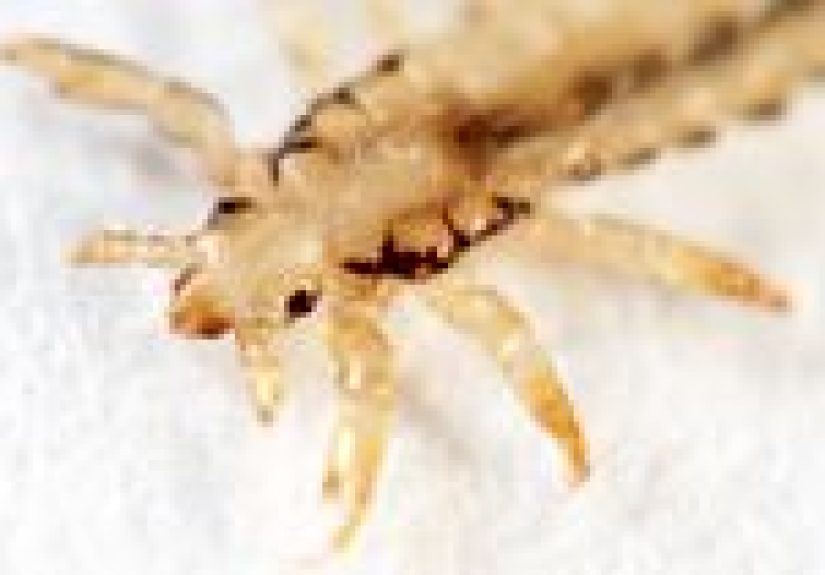
Adult head lice are smallabout the size of a sesame seed. They can look tan, grayish, or brown depending on lighting and hair color.
Their eggs are called nits, and they’re tiny, oval, and glued firmly to hair shafts. Nits can be confused with dandruff,
but dandruff flakes off; nits tend to stick like they paid rent.
The Head Lice Life Cycle (AKA: How a Tiny Bug Builds an Empire)
Understanding the life cycle helps explain why lice can be stubborn and why timing matters. Head lice generally go through three stages:
nit (egg) → nymph → adult.
Stage 1: Nits (eggs)
Adult female lice lay eggs and cement them near the scalp where it’s warm. That warmth matters: nits close to the scalp are more likely to hatch,
while those far from the scalp are less likely to survive. Think of the scalp as a built-in incubation blanketunfortunate, but true.
Stage 2: Nymphs
When a nit hatches, a nymph (a baby louse) crawls out and starts feeding. Nymphs look like smaller versions of adult lice and
mature into adults in about a week or so.
Stage 3: Adult lice
Adult lice feed on the scalp and can live for several weeks on a person’s head. Females can lay multiple eggs per day, which is why an untreated
infestation can grow from “a few bugs” to “why is everyone itchy?” faster than you’d expect.
Where Do Lice Come From? The Truth Is Way Less Mysterious Than the Myths
Here’s the most important answer in this whole article:
lice come from other humans who currently have lice.
They don’t spontaneously generate from dirty hair. They don’t fall from trees like tiny acorns of doom. And they don’t teleport from a classroom
carpet because your kid sat cross-legged for too long.
They don’t jump, fly, or “drop” onto you
Head lice move by crawling. They can’t hop like fleas, and they can’t fly like… well, anything with wings.
That’s why the most common route is simple: hair-to-hair contact.
When two heads touch (sleepovers, sports huddles, story time, selfies, sibling cuddles), lice can crawl from one set of hair to another.
Do lice come from pets?
No. Head lice are human parasites. Your dog didn’t “bring them in,” your cat isn’t secretly running a louse rideshare service,
and you do not need to quarantine the hamster. Pets don’t spread human head lice.
Can lice come from hats, brushes, pillows, or couches?
Sometimesbut it’s generally less common than direct head-to-head contact. It’s possible for lice to transfer via shared items
like hats, helmets, hairbrushes, and pillows, especially if they’re used right after an infested person. The reason it’s less common is simple:
lice don’t do great away from the scalp.
How long can lice live off a head?
Head lice need human blood and the scalp environment to thrive. Once they’re off the head, they typically survive for only a short time.
Nits also need the right warmth and conditions to hatch. Translation: the “lice living in your sofa for weeks” fear is usually overblown.
That said, common-sense cleaning is still helpful (more on that below).
How Do You Get Lice? Real-World Scenarios That Actually Matter
Lice spread isn’t about cleanlinessit’s about contact. In the U.S., head lice are especially common among children ages 3–11,
largely because kids do what kids do: play close, share space, and forget that personal bubbles exist.
Most common: head-to-head contact
- Sleepovers where kids pile onto one couch like a human blanket
- Sports huddles and team photos
- Playtime, hugging, leaning together while reading or gaming
- Selfies (yes, reallyheads touching is heads touching)
Less common: sharing personal items
Sharing can contribute, especially when items are used back-to-back:
hats, helmets, hair ties, brushes, combs, headphones that sit on hair, and pillows.
The risk isn’t “every shared object forever”it’s more about recent use and close timing.
What about swimming pools?
This myth refuses to die, but head lice are not great swimmers. Chlorine isn’t a reliable “lice killer,” and most spread in “pool situations”
happens because kids are close togethertowel huddles, heads touching, sharing hair accessoriesnot because lice are doing laps in the deep end.
Common Myths (Because Lice Come With a Side of Bad Advice)
Myth: “Only dirty people get lice.”
False. Lice can infest clean or dirty hair. They’re looking for a human scalp, not a moral scorecard.
Hygiene and how often someone shampoos are not reliable predictors of who gets head lice.
Myth: “Lice mean my house is unsanitary.”
Also false. Lice are a human-to-human issue, not a “dirty home” issue. You can have a spotless house and still get licebecause lice don’t care
about your sparkling countertops. (If anything, they’re rude for not appreciating them.)
Myth: “If you see nits, the infestation is definitely active.”
Not always. Nits can remain attached to hair even after successful treatment. What matters most is whether there are live, crawling lice.
A careful check with good lighting and a fine-toothed comb is often more reliable than panic-scrolling pictures online.
Myth: “Shaving the head is the only way.”
Nope. Some families choose a short haircut for convenience, but shaving isn’t required. Lice are treatable without drastic measures.
The best approach is usually a combination of an effective treatment strategy and thorough combing/checking.
Signs and Symptoms: How to Tell If It’s Actually Lice
The most famous symptom is itching, but itching alone doesn’t prove lice. Dry scalp, eczema, product buildup, and allergies can itch too.
Here are more specific clues:
Common signs
- Itching on the scalp, neck, or around the ears (often from an allergic reaction to bites)
- A tickling feeling like something is moving in the hair
- Trouble sleeping (lice can be more active at night)
- Visible nits attached to hair near the scalp, especially behind ears and at the nape
- Live lice (hard to spot because they move quickly and avoid light)
How to check (without losing your mind)
A thorough check usually works best with:
good lighting, a fine-toothed nit comb, and damp hair (lice are easier to catch when they’re slowed down).
If you’re unsure, a pediatrician, school nurse, or pharmacist can help confirm whether what you’re seeing is lice or something else.
Why Schools Get Blamed (and What Policies Are Changing)
Head lice and schools have a long, dramatic relationshippartly because school is where kids are close together for hours every day.
But there’s also a policy history: many schools used to send kids home immediately or require “no-nit” proof before returning.
More recent guidance from major health organizations has pushed back on that approach. Many experts emphasize that head lice don’t spread disease,
and keeping kids out of school for nits alone often causes more disruption than benefit. In many cases, children can stay in class until the end of the day
and return after treatment begins, depending on local rules.
Prevention: What Actually Helps (and What’s Mostly Wishful Thinking)
Prevention isn’t about “super shampoo” or spraying your house like it’s a sci-fi movie. It’s about reducing the most likely transmission routes.
Practical prevention tips
- Avoid head-to-head contact during known outbreaks (easier said than done with little kids, but worth trying)
- Don’t share brushes, combs, hats, helmets, hair accessories, or pillows
- Keep long hair tied back for school, camp, or sports (reduces hair-to-hair contact)
- Do quick checks after sleepovers or if your child has persistent scalp itching
- Talk calmly about licestigma makes kids hide itching, which delays detection
Important reality check: there’s no proven method that guarantees you’ll never encounter lice. The goal is reducing risk and catching infestations early,
not living in fear of every hoodie on a coat rack.
If You Find Lice: A Calm, Evidence-Based Next Step
If you confirm live lice, you’ll typically choose one of these approaches (often combined):
OTC or prescription treatment plus careful combing/checking.
Some communities have lice resistant to certain over-the-counter ingredients, so if the first treatment doesn’t work as expected,
a pediatrician can recommend alternatives.
Household cleanup (keep it reasonable)
Lice don’t thrive in the environment the way some bugs do, but basic cleanup can help prevent quick reinfestation:
- Wash and dry recently used bedding, hats, and clothing according to label instructions (heat can help).
- Soak combs and brushes in hot water and clean them well.
- Vacuum common resting spots (couches, car seats) if you want peace of mind.
- Avoid fumigant sprays or harsh home chemicalsthese can be unsafe and aren’t necessary for head lice control.
If you’re dealing with repeated cases, the main suspects are usually reinfestation from close contact, missed live lice, or resistancenot “your house is cursed.”
So… Where Do Lice Come From in the Big Picture?
If you zoom way out, lice have been hanging around humans for a very long timelong enough that researchers have studied lice genetics to learn about
human history. For example, scientists have used differences between head lice and body lice to estimate when humans began wearing clothing.
(Yes, lice: gross, annoying, and accidentally helpful to anthropology.)
But in day-to-day life, the answer is still simple: lice come from someone who already has lice, usually through close contact.
Not from dirt. Not from pets. Not because your kid ate one French fry off the floor at soccer practice. (That’s a separate conversation.)
Real-Life Experiences With Lice (500+ Words, Because This Is Where It Gets Very Real)
People don’t just “get lice”they experience lice. And those experiences tend to follow a predictable emotional arc:
confusion → disbelief → frantic laundry marathon → “Wait, we’re okay” → cautious peace → random phantom itching for the next month.
Here are some common, relatable scenarios families report, written as composite examples (not one person’s story), so you can recognize patterns
without feeling singled out.
1) The “It’s Probably Just Dry Scalp” Week
It often starts innocently. A child scratches their head during homework. You assume it’s winter dryness, a new shampoo, or the dreaded “mystery itch”
that happens when kids remember they have a scalp. Days pass. The scratching continues. Then you notice they’re itching most behind the ears and at the
neckline, especially at night. That’s when many parents do the late-evening flashlight inspectionpart detective work, part emotional endurance test.
2) The School Note That Changes Your Evening Plans
Few papers strike fear like the “Possible exposure to head lice” note. Suddenly you’re canceling plans, googling “nits vs dandruff,” and realizing you
do not own a comb fine enough for the job. Many caregivers describe the first night as the hardest, not because lice are dangerous, but because the
idea of lice is so upsetting. The best shift happens when you move from disgust to a checklist mindset: confirm, treat, comb, recheck.
Lice are a problem, not a verdict.
3) The Sibling Domino Effect
One child has lice, and suddenly every sibling wants a hug. Families often learn quickly that close contact is the real culpritkids share couches,
lean together during movies, and pile into the same bed at 2 a.m. after a bad dream. The experience becomes less about blame and more about systems:
separate hair brushes, tie hair back, do quick checks every few days, and keep conversations calm so kids don’t hide symptoms.
4) The Teen Version: “Please Don’t Tell Anyone”
Teens can feel intense embarrassment about lice, even though it’s common. They worry about being teased, excluded, or labeled “gross.”
In real life, supportive adults make the biggest difference by treating it like any other health annoyancematter-of-fact, private, and solvable.
A helpful approach is to focus on what’s true: lice don’t reflect hygiene, they don’t mean someone is unclean, and lots of people deal with them.
That reassurance can reduce shame and make teens more willing to cooperate with checking and follow-up.
5) The “Phantom Itch” After It’s Over
Even after successful treatment, many people swear they still feel itchy. That’s normal. Skin can stay irritated, and your brain can stay on high alert.
The memory of itching is powerfullike hearing your phone vibrate when it didn’t. Families often describe a “reassurance routine”: weekly checks for a
short period, good lighting, and focusing on whether there are live lice rather than obsessing over every speck. Over time, the anxiety fades,
and life returns to normaluntil the next school year, when the lice memo tries to ruin everyone’s Monday again.
The big takeaway from these experiences is surprisingly hopeful: once people understand how lice spread and what actually works, the panic drops fast.
Lice are annoying, not dangerous. And with a calm plan, they’re a temporary problemnot a permanent personality trait.