Table of Contents >> Show >> Hide
- First, Know the Difference Between Picky Eating and a Bigger Problem
- What You Can Do Right Now If Your Child Refuses to Eat
- 1. Stay calm, even if you are absolutely not calm inside
- 2. Keep regular meal and snack times
- 3. Let your child decide whether to eat and how much
- 4. Serve one family meal, not a short-order diner menu
- 5. Use the “safe food plus new food” approach
- 6. Keep portions small
- 7. Re-offer foods many times
- 8. Involve your child in food without forcing bites
- 9. Make the table boring in the best possible way
- What Not to Do
- How to Support Nutrition When Your Child Barely Eats
- Age-by-Age Tips
- When Food Refusal Means You Should Call the Pediatrician
- What the Doctor May Look For
- The Best Mindset Shift for Parents
- Common Parent Experiences: What This Looks Like in Real Life
- Final Thoughts
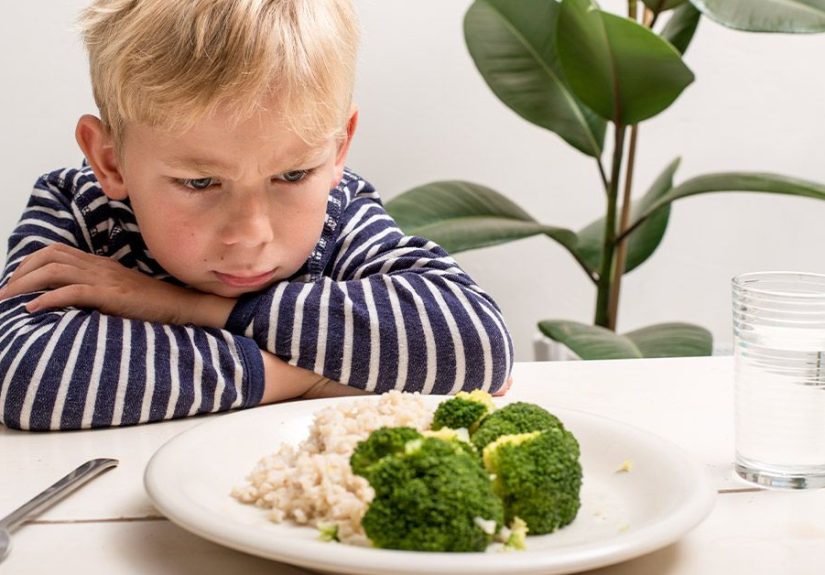
If your child has decided that dinner is a personal insult, welcome to one of parenting’s least glamorous clubs. One day they happily eat pasta, eggs, strawberries, and half your sandwich. The next day they survive on two crackers, a sip of milk, and pure stubbornness. It is enough to make any parent stare at a plate of untouched food and wonder whether their child is secretly powered by moonlight and chaos.
The good news is that food refusal is common in babies, toddlers, preschoolers, and even older kids. The less fun news is that there is no magic wand, no universal “one weird trick,” and no scientifically proven way to make a child adore broccoli by playing airplane with a fork. Still, there are smart, evidence-based ways to handle it without turning every meal into a hostage negotiation.
If your child refuses to eat anything, the goal is not to win dinner. The goal is to protect growth, lower stress, build better habits, and recognize when “picky” has crossed the line into “this needs a doctor.” Here is how to do that without losing your mind or your spaghetti.
First, Know the Difference Between Picky Eating and a Bigger Problem
Many children go through a stage where they reject foods they used to eat, narrow their menu to a few favorites, or insist that anything green is a crime against humanity. Ordinary picky eating is frustrating, but it is usually part of normal development. Kids often want control, prefer familiar textures, and can be suspicious of anything that looks “different,” which is apparently a very broad category when you are 3 years old.
But not all food refusal is ordinary picky eating. Sometimes a child refuses food because something hurts, something feels scary, or something medical or developmental is getting in the way. That is why the first question is not, “How do I make my child eat?” It is, “Why might my child be refusing food?”
Common reasons a child may refuse to eat
- Normal picky eating: They prefer familiar foods, reject textures, or want control.
- Illness: A sore throat, stomach bug, constipation, reflux, mouth sores, or teething can kill appetite fast.
- Too much grazing: Constant snacks, milk, juice, or sweet drinks can flatten real hunger.
- Sensory issues: Some kids are highly sensitive to texture, smell, color, or temperature.
- Fear: A past choking, gagging, vomiting, or painful swallowing episode can make eating feel unsafe.
- Developmental or feeding challenges: Trouble chewing, swallowing, or coordinating bites can make meals hard work.
- ARFID or another eating disorder: If the diet becomes extremely limited and growth, nutrition, or daily life are affected, it may be more than picky eating.
That last point matters. A child who is merely selective may still grow well and get enough nutrition over time. A child with a feeding disorder or avoidant/restrictive food intake disorder may not. If the menu keeps shrinking, your child avoids whole categories of food, or eating causes major distress, it is time to look closer.
What You Can Do Right Now If Your Child Refuses to Eat
When parents panic, it is easy to start doing things that feel helpful in the moment but make feeding harder later. Bribing. Begging. Making three separate dinners. Offering cookies as a reward for “just one bite.” Conducting a 45-minute speech on vitamins. None of this makes you a bad parent. It just makes you a tired one.
Here is a better plan.
1. Stay calm, even if you are absolutely not calm inside
Children are excellent at reading pressure. The more dramatic the room becomes, the more food can turn into a power struggle. Try a neutral tone: “This is dinner. You do not have to eat it, but this is what we’re serving.” Calm is not magic, but it removes gasoline from the fire.
2. Keep regular meal and snack times
One of the fastest ways to create a child who “never eats” is to let them graze all day. A few crackers here, milk there, fruit pouch in the car, half a granola bar during cartoons, and suddenly they arrive at dinner as full as a tiny CEO after a catered meeting.
Try predictable meal and snack times instead. That helps hunger show up on schedule, which is exactly the coworker you want at the table.
3. Let your child decide whether to eat and how much
Your job is to decide what, when, and where food is offered. Your child’s job is to decide whether to eat and how much. This division of responsibility can feel terrifying at first, especially if your child seems committed to living on beige food and audacity. But it lowers pressure and helps children stay connected to hunger and fullness cues.
4. Serve one family meal, not a short-order diner menu
Making a backup meal every time your child refuses dinner teaches a very efficient lesson: “If I wait long enough, the nuggets arrive.” Instead, serve one meal for the family and include at least one food your child usually accepts. That safe food gives them something familiar without requiring you to perform line-cook duties at 6:17 p.m.
5. Use the “safe food plus new food” approach
A practical plate might look like this: chicken, rice, cucumber slices, and strawberries. Maybe your child only eats the strawberries and a little rice. That is not failure. That is exposure. Familiar foods keep the meal from feeling threatening, and repeated exposure helps new foods become less dramatic over time.
6. Keep portions small
A mountain of peas can feel like a personal attack. A teaspoon of peas is just a pea situation. Serve small portions of less-preferred foods. A child is far more likely to approach one bite than a giant heap that looks like homework.
7. Re-offer foods many times
One refusal does not mean permanent rejection. Kids often need many low-pressure exposures before a food becomes familiar enough to try. That means you can serve the same food again later in a different form, with a different dip, or next to a favorite item without making a speech about it.
8. Involve your child in food without forcing bites
Children are more open to food when they can touch it, wash it, stir it, choose it, or help plate it. Let them pick apples at the store, tear lettuce, mix pancake batter, or arrange carrot sticks like tiny orange fence posts. Participation builds comfort. Comfort often comes before tasting.
9. Make the table boring in the best possible way
Turn off screens. Sit down together when you can. Avoid chasing your child with a spoon like you are in an action movie set in a kitchen. Meals should feel routine, not theatrical.
What Not to Do
Some strategies feel logical but backfire.
- Do not force bites. Pressure can increase resistance and make food feel scary or unpleasant.
- Do not bribe with dessert. This makes dessert the hero and dinner the villain.
- Do not shame your child. Comments like “You are so difficult” or “Normal kids eat this” hurt more than they help.
- Do not let milk, juice, or snacks replace every meal. That can reduce appetite for real food.
- Do not obsess over one meal. Many children balance out over a day or even several days.
Think bigger than one plate. Nutrition is a long game, not a single Tuesday night.
How to Support Nutrition When Your Child Barely Eats
If your child is in a rough eating phase, focus on nutrient density instead of perfection. In plain English: make the bites they do eat count.
Try these practical upgrades
- Add nut butter or seed butter to toast, oatmeal, or fruit if age-appropriate and safe for your child.
- Offer yogurt, cheese, eggs, beans, avocado, tofu, or hummus if meat is a battle.
- Blend fruit with yogurt and nut butter for a filling smoothie when chewing feels like too much.
- Serve iron-rich foods regularly, especially for toddlers who love milk more than actual meals.
- Use dips like hummus, ranch, yogurt dip, or peanut sauce to make foods feel more familiar and fun.
Also remember that some “food refusal” is really “I don’t like how this is served.” A child may reject steamed carrots but accept roasted ones. They may hate mixed casseroles but happily eat ingredients separately. Many kids prefer predictable foods where they can see exactly what they are getting. To adults this looks irrational. To children it looks like quality control.
Age-by-Age Tips
Babies starting solids
Offer a variety of flavors and textures when your pediatrician says your baby is ready. Keep pieces safe, soft, and developmentally appropriate. If eating seems painful, gagging is frequent, or swallowing looks hard, do not brush it off.
Toddlers
This is peak “No, because no” territory. Toddlers often eat less than parents expect because their growth rate slows compared with infancy. Keep meals structured, offer variety, avoid battles, and expect appetite to bounce around.
Preschoolers
Preschoolers love control and repetition. Give two acceptable choices when possible: “Would you like apple slices or pear slices?” Let them help wash produce, stir batter, and set napkins. They are much more likely to try something they helped create, even if they still act suspicious of it for dramatic effect.
School-age children
At this age, appetite may be affected by school stress, social worries, distraction, constipation, sports schedules, or a fast-growing preference for ultra-processed favorites. Keep talking about food neutrally. Avoid labeling foods as “good” or “bad.” Aim for variety, not moral judgment.
When Food Refusal Means You Should Call the Pediatrician
Sometimes refusing to eat is a phase. Sometimes it is a signal. Call your child’s doctor if you notice any of the following:
- Weight loss, poor weight gain, or clothes getting looser for no clear reason
- Very low energy, lethargy, or signs of dehydration
- Very limited food variety that keeps shrinking
- Choking, coughing, gagging, vomiting, or pain with eating
- Fear of swallowing or fear after a choking or vomiting episode
- Regular belly pain, constipation, diarrhea, or reflux symptoms
- Refusal to eat after illness that does not improve
- Strong sensory reactions to texture, smell, or appearance
- Dependence on milk or liquids instead of meals
- Meals causing extreme family stress every single day
If your child is not peeing much, seems unusually sleepy, has sunken eyes, cannot keep fluids down, has blood in vomit or stool, or has severe abdominal pain, seek medical care right away. In babies and very young children, dehydration can develop quickly.
What the Doctor May Look For
If you bring this up at a visit, your pediatrician may review growth charts, ask what your child eats in a typical day, and look for signs of constipation, anemia, mouth pain, reflux, allergies, swallowing problems, anxiety, sensory sensitivities, or a feeding disorder. Depending on the situation, your child may be referred to a dietitian, gastroenterologist, speech-language pathologist, occupational therapist, psychologist, or feeding specialist.
This is not overreacting. It is efficient parenting. If there is a real problem, earlier help is better. If there is not, reassurance can be worth its weight in uneaten green beans.
The Best Mindset Shift for Parents
When your child refuses food, it is easy to assume every skipped bite is a disaster. But children’s appetites naturally vary. Growth happens in spurts. Illness changes appetite. Mood changes appetite. Even adults are not hungry the exact same amount every day, and we at least have the advantage of being able to explain why we only want toast.
Try to shift the goal from “My child must eat this meal” to “I am creating a healthy, low-pressure pattern around food.” That pattern matters. It teaches your child that meals are predictable, food is not scary, and their body can be trusted. It also protects your sanity, which is not a minor health metric.
Common Parent Experiences: What This Looks Like in Real Life
Parents often imagine that “refuses to eat anything” means a child literally eats nothing at all. Usually, it means something more confusing: the child will eat, but only three foods, only on alternate Tuesdays, only if the banana is sliced the correct way, and absolutely never if sauce has touched anything else on the plate. Real life with a selective eater is messy, repetitive, and often emotional.
One common experience is the post-illness shutdown. A child gets a stomach bug, teething pain, constipation, or a sore throat. Their appetite drops, which makes sense. But then the illness passes and the eating does not fully return. Parents start offering more preferred foods just to get calories in. That works for a few days, but suddenly the child expects toast, crackers, or yogurt every time. What started as survival mode quietly becomes the new menu.
Another familiar scenario is the milk-and-snack loop. A toddler refuses breakfast, so a parent offers milk. Then a pouch. Then some crackers in the stroller. By lunch, the child is “not hungry.” By dinner, everyone is anxious and exhausted. This can make parents feel like their child has no appetite at all, when in fact the appetite has been interrupted all day by little top-offs.
Then there is the texture detective child. These kids may eat strawberries but not mashed strawberries, chicken nuggets but not shredded chicken, pasta with butter but not pasta with sauce, and absolutely no casseroles because apparently ingredients should remain professionally separated at all times. Parents often feel baffled until they realize the issue is not flavor alone. It is predictability, texture, smell, or the fear of an unpleasant surprise in the mouth.
Some families describe the power-struggle spiral. The parent worries. The child senses the worry. The parent pushes harder. The child refuses harder. Dinner becomes a nightly courtroom drama featuring opening statements, negotiation, tears, and one lonely pea no one asked for. In these homes, the biggest improvement often happens when parents stop trying to control each bite and start rebuilding a calmer routine around food.
And then there is the experience that deserves more attention: the child whose eating is not just selective, but increasingly restricted. The list of accepted foods gets shorter, meals trigger panic, swallowing seems scary, or growth starts slipping. Parents in this situation often blame themselves first. They think they caused it by serving the wrong things, introducing solids the wrong way, or not being “strict enough.” In many cases, that guilt is misplaced. Sometimes a child truly needs medical or feeding support, and getting help is not failure. It is exactly the right move.
If any of these stories sound familiar, you are not alone, and you are not imagining the stress. Feeding a child who refuses food can be draining, repetitive, and weirdly personal. But with structure, patience, and the right support when needed, most families can make real progress. Sometimes the win is a bite. Sometimes it is a calmer table. Sometimes it is finally understanding that the issue is bigger than picky eating and getting expert help. All three count.
Final Thoughts
If your child refuses to eat anything, start with calm structure, not panic. Offer regular meals and snacks, serve one family meal with a safe food, skip the bribes, re-offer foods without pressure, and look at eating patterns over time instead of judging one difficult meal. If your child is growing well and otherwise healthy, picky eating may simply be a phase. If there are red flags like dehydration, pain, choking, weight changes, or an extremely limited diet, call your pediatrician.
In other words: do less battling, do more observing, and remember that no child has ever become a more adventurous eater because someone delivered a tense lecture over cold peas. Calm, consistency, and curiosity work better. They are not glamorous, but unlike arguing with a preschooler about zucchini, they actually have a chance.