Table of Contents >> Show >> Hide
- Why Cottage Cheese, and Why Every Day?
- My Two-Week Rules (So This Didn’t Turn Into a Dairy Free-For-All)
- Week 1: The Honeymoon Phase
- Week 2: The “Okay, This Is My Personality Now” Phase
- What Actually Changed After 14 Days
- The Best Ways I Ate It So I Didn’t Quit on Day 4
- Is Eating Cottage Cheese Every Day a Good Idea?
- Who Might Love This Two-Week Experiment (and Who Should Pass)
- My Takeaways After Two Weeks
- Extra: 500 More Words of Cottage-Cheese Reality (Because Two Weeks Is a Weirdly Long Time)
Two weeks. Fourteen days. One refrigerator shelf that slowly turned into a cottage-cheese condo complex. I didn’t plan this experiment because I’m fearless. I planned it because I’m humanbusy, hungry, and suspicious of any food that’s both “trending” and shaped like tiny white pebbles.
Still, cottage cheese has a serious reputation: high-protein, easy to dress up sweet or savory, and surprisingly versatile if you stop thinking of it as “sad diet food” and start treating it like a blank canvas with curds. So I ran a very scientific study (me, my spoon, and my calendar) to see what happens when you eat cottage cheese every day for two weeks.
Spoiler: I didn’t become a superhero. But I did learn a lot about hunger, labels, sodium, and how quickly you can start adding cottage cheese to things that absolutely do not need cottage cheese. (Looking at you, late-night “protein mac and cheese” idea.)
Why Cottage Cheese, and Why Every Day?
Cottage cheese is basically the “quiet kid” of the dairy aisle that suddenly got invited to the popular table. It’s packed with proteinmostly casein, the slow-digesting kind that tends to keep you fuller longer. It’s also relatively low in sugar compared to many flavored yogurts and “protein snacks” that taste like dessert wearing gym clothes.
My goal wasn’t to lose a dramatic amount of weight or unlock a six-pack overnight. I wanted to test something more realistic: could a daily cottage cheese habit make my meals easier, my snacking smarter, and my hunger less chaoticwithout making me hate my life (or my taste buds)?
My Two-Week Rules (So This Didn’t Turn Into a Dairy Free-For-All)
- Frequency: Cottage cheese every day, once per day minimum.
- Portion: Typically 1/2 cup to 1 cup, depending on the meal.
- Type: Mix of 2%, full-fat, and one low-sodium option to compare.
- Context: It had to replace something I’d normally eat (not just “add calories for fun”).
- Balance: I still ate vegetables, fiber, and actual meals. Cottage cheese wasn’t crowned king.
- Honesty clause: If I felt weird (digestively, energy-wise, or otherwise), I wrote it down.
Week 1: The Honeymoon Phase
Days 1–3: “Oh… This Is Actually Good?”
The first surprise was how fast cottage cheese solved breakfast. I’m not a morning gourmet. If a meal requires more than two steps, my brain clocks out. Cottage cheese is basically “open container, add something, eat.” I paired it with berries and a drizzle of honey one day, then switched to savory with cracked pepper and cherry tomatoes the next.
Hunger-wise, I noticed a change almost immediately: I stayed full longer than I usually do with a pastry, cereal, or a “coffee counts as breakfast” situation. The fullness felt steady, not spikylike my stomach wasn’t filing hourly complaints.
Days 4–7: The First Reality Check (A.K.A. “Why Am I Puffy?”)
Around day four, I had my first “okay, what’s going on?” moment. I wasn’t in pain or anything, but I felt a little… puffy. Not every day, but enough to notice. I started paying attention to the label and realized: cottage cheese can be sneaky-high in sodium.
And sodium has consequences. If you’re sensitive to salt, you might notice water retention or thirst, especially if your overall diet is already salty (hello, deli turkey and random chips). Once I swapped to a lower-sodium version for a couple of daysand drank more waterthe “puffy” feeling calmed down.
By the end of week one, cottage cheese had become less of a novelty and more of a tool: it made meals easier, and it made me less likely to hunt for snacks like a raccoon at 3 p.m.
Week 2: The “Okay, This Is My Personality Now” Phase
Days 8–10: Protein Autopilot Kicked In
Week two was when the habit felt automatic. I stopped “trying cottage cheese” and started using it the way people use Greek yogurt: as a base, a topping, a binder, or a quick protein anchor.
My easiest win: lunch. I’d add cottage cheese alongside a salad or throw it onto a baked potato. It’s one of those foods that’s weirdly helpful when you realize your meal is mostly carbs and vibes. Suddenly you’ve got protein and creaminess without needing a complicated recipe.
Days 11–14: I Became a Label Reader (Against My Will)
By the end, I cared about three things on the container: protein, sodium, and whether it had live cultures. Not all cottage cheese includes live and active cultures, and not all brands treat sodium the same. Two tubs can look identical and behave very differently in your daily diet.
This was also when I learned the value of texture. Some cottage cheese is creamy and pleasant. Some tastes like it was invented as a punishment for crimes involving joy. Finding a brand you like mattersbecause “eating it every day” only works if you don’t dread it.
What Actually Changed After 14 Days
1) I Felt Fuller With Less Snacking Drama
Cottage cheese is protein-heavy, and its casein protein tends to digest slowly. In human terms: it’s more “steady fuel” than “quick burst.” I found myself thinking about food less often, which is honestly the most underrated health benefit. Not because hunger is badbut because constant snack-hunting is exhausting.
2) Hitting My Protein Goal Became Way Easier
If you’ve ever tried to eat “more protein” without turning every meal into chicken and eggs, cottage cheese is a cheat code. A half-cup serving often lands in the “double-digit protein” range, and a full cup can be a serious boost. I didn’t need protein bars as often, and my meals felt more “complete,” especially on busy days.
3) Sodium Became the Main Character (So I Adjusted)
Cottage cheese can be a higher-sodium dairy food depending on the brand and style. Once I noticed that, I made a simple tweak: I rotated in low-sodium (or no-salt-added) versions, and I stopped pairing cottage cheese with other salty foods in the same meal.
Translation: cottage cheese + smoked salmon + olives is delicious, but it’s basically a salt convention. When I kept the rest of the meal fresher (fruit, vegetables, unsalted nuts, whole grains), I felt better.
4) My Digestion Had Opinions
Dairy is personal. Some people tolerate it like champs; others look at lactose and immediately regret their choices. I didn’t have major issues, but I noticed a difference depending on:
- Portion size: 1/2 cup was easy; a giant bowl could feel heavy.
- Timing: Late-night cottage cheese sometimes felt like “bedtime brick.”
- Type: Some products with live cultures felt gentler for me than others.
If you’re lactose intolerant, you may do better with smaller portions, lactose-free dairy options, or choosing fermented dairy with cultures. (And if you’re allergic to dairy proteins, this experiment is a no-go.)
5) My Meals Got More “Buildable”
Cottage cheese is weirdly flexible. It works like a protein side dish, a topping, or an ingredient. The biggest lifestyle change wasn’t physicalit was practical. I had an easy, reliable “add-on” that made meals more satisfying without much effort.
The Best Ways I Ate It So I Didn’t Quit on Day 4
Sweet Combos (Dessert Energy, Breakfast Reality)
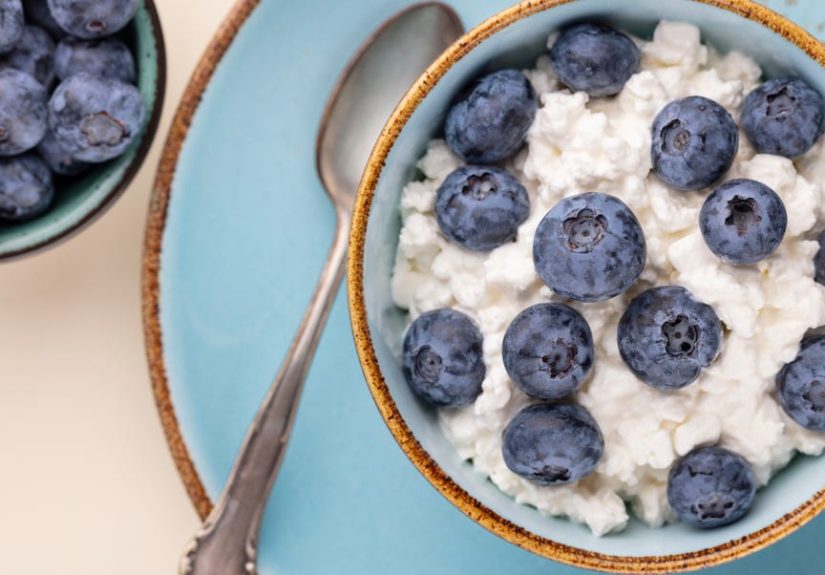
- Berry bowl: Cottage cheese + blueberries + cinnamon + a drizzle of honey.
- Apple pie vibe: Diced apple + cinnamon + crushed walnuts.
- “Cheesecake” shortcut: Cottage cheese + vanilla + strawberries (keep it simple).
- Snack plate: Cottage cheese + pineapple or peaches + granola crunch on top.
Savory Combos (Where Cottage Cheese Quietly Dominates)
- Everything-bagel mood: Cottage cheese + everything seasoning + cucumber.
- Tomato-and-pepper classic: Cherry tomatoes + cracked black pepper + olive oil.
- Taco bowl helper: Add a scoop to a rice-and-beans bowl for creaminess.
- Baked potato upgrade: Cottage cheese + chives + salsa (trust me).
The “Blend It” Trick (For People Who Hate Curds)
If the texture is your enemy, blending is your truce agreement. Blended cottage cheese turns smooth and works in dips, sauces, and spreads. I used it to make a quick ranch-ish dip with garlic powder, lemon, and herbsand suddenly I was eating more vegetables because I had a protein dip I actually liked.
I also blended it into pancake batter once. The pancakes were fluffier, slightly tangy, and made me feel like I’d hacked breakfast. (They did not make me a better person, but they did make me less hungry.)
Is Eating Cottage Cheese Every Day a Good Idea?
It can bedepending on your body, your overall diet, and the specific cottage cheese you choose. Cottage cheese is nutrient-dense: protein, calcium, and other key vitamins and minerals show up in meaningful amounts. But “healthy” isn’t just about one nutrient.
Here’s the balanced truth: cottage cheese can be an excellent daily staple if it helps you meet your protein needs and keeps your meals satisfying. But the sodium can add up, and dairy doesn’t agree with everyone. If you have high blood pressure, kidney concerns, or you’re managing sodium for any reason, it’s worth choosing lower-sodium versions and watching the rest of your day’s salt intake.
Who Might Love This Two-Week Experiment (and Who Should Pass)
You might benefit if you…
- want an easy high-protein snack that isn’t a bar, shake, or plain chicken breast.
- struggle with afternoon hunger and want something more filling.
- need quick breakfast options that aren’t sugary.
- lift weights or do regular workouts and want a convenient protein boost.
- like foods you can make sweet or savory without extra cooking.
You should be cautious (or talk to a clinician) if you…
- have high blood pressure or are on a sodium-restricted diet (choose low-sodium/no-salt-added).
- have lactose intolerance (start small, consider lactose-free products).
- have a milk allergy (avoid entirelythis is not the same as lactose intolerance).
- have kidney disease or other conditions where protein/sodium guidance matters.
My Takeaways After Two Weeks
Eating cottage cheese every day for two weeks made my life easier in a very unglamorous but important way: it reduced friction. I had a go-to protein option that was fast, affordable, and flexible. I felt fuller, snacked less, and built more balanced meals without overthinking it.
The biggest “watch-out” was sodium. If you treat cottage cheese like a health food but ignore the label, you could accidentally crank up your salt intake. Once I found a brand I liked and rotated low-sodium options, everything felt smootherliterally and figuratively.
Would I keep it daily forever? Probably not every single day, because I enjoy variety and I’d like my friends to keep inviting me places. But a few times a week as a reliable protein staple? Absolutely.
Extra: 500 More Words of Cottage-Cheese Reality (Because Two Weeks Is a Weirdly Long Time)
Let’s talk about the stuff nobody mentions in “I ate this every day” stories: the emotional arc of repetition. Day one feels like a fresh start. Day five feels like commitment. Day twelve feels like you’ve joined a cult with very specific refrigerator requirements.
In week two, cottage cheese started showing up in my life like that one friend who’s always “just in the neighborhood.” I’d open the fridge to grab something else and think, “Well, I could add cottage cheese.” Sandwich? Cottage cheese on the side. Salad? Cottage cheese on top. Random crackers? Cottage cheese dip. It wasn’t obsessionit was convenience. But convenience can become a habit faster than you realize, especially when the habit solves a real problem (hunger).
I also discovered the power of “flavor scaffolding.” Cottage cheese by itself is mild, which is great if you’re pairing it with fruitbut can be boring if you’re eating it plain every day. The fix was to treat it like a base that needs personality. On sweet days, cinnamon and berries did the heavy lifting. On savory days, everything-bagel seasoning turned it into something I’d actually crave. And when I got truly tired of curds, I blended it into a smooth dip and pretended I was eating something fancy. (It worked. My brain is easily bribed by texture.)
The funniest part was how quickly cottage cheese became a “protein safety net.” If lunch looked weaklike it was going to leave me hungry an hour laterI’d add cottage cheese and suddenly the meal felt sturdier. It’s not magic. It’s just protein doing protein things. But it made my day more predictable: fewer snack emergencies, fewer late-afternoon energy crashes, and fewer moments where I stared into the pantry like it owed me answers.
Not everything was perfect. On a couple of days, I paired cottage cheese with salty foods and felt extra thirsty later. That was my reminder that a single “healthy” food doesn’t cancel out the rest of the day’s choices. I also learned that portion size matters. A modest serving made me feel satisfied; an enormous bowl made me feel like I’d swallowed a soft pillow. Cottage cheese is filling, and that’s a featureunless you treat it like popcorn.
By day fourteen, I wasn’t sick of cottage cheese, but I was ready for variety. Which, honestly, is the healthiest end to any food experiment: you learn what works, keep the parts that help, and move on before you start naming your curds. If you’re curious, try it for a week first. Pick a brand you actually enjoy, watch the sodium, and give yourself a few fun ways to eat it. Two weeks later, you might not be a cottage-cheese evangelistbut you’ll probably have an easier time building meals that keep you full and feeling good.