Table of Contents >> Show >> Hide
- What Is Hereditary Angioedema, Exactly?
- Why Triggers Matter in HAE
- The Most Common Triggers for HAE Attacks
- Physical Trauma and Minor Injury
- Dental Work, Surgery, and Medical Procedures
- Emotional Stress and Anxiety
- Illness and Viral Infections
- Hormonal Changes, Especially Estrogen
- Certain Medications
- Repetitive Physical Activity and Mechanical Strain
- Cold Exposure and Weather Changes
- Specific Foods in Some People
- Can HAE Attacks Happen Without a Trigger?
- Early Warning Signs That an Attack May Be Starting
- How to Identify Your Personal HAE Triggers
- How to Reduce the Risk of HAE Attacks
- When an HAE Attack Is an Emergency
- Final Thoughts
- Experiences People Commonly Describe With HAE Triggers
Hereditary angioedema, or HAE, is the kind of condition that can make a normal day turn dramatic without much warning. One minute you are answering emails, brushing your teeth, or getting ready for a dental appointment. The next minute, your body has decided that swelling is the theme of the day. Not rude at all.
But while HAE attacks can feel random, they are not always completely mysterious. Many people with HAE notice patterns. Certain events, habits, medications, illnesses, and hormone changes can raise the odds of an attack. Others discover that the biggest trigger is something less obvious, like stress, repetitive hand use, or even a routine medical procedure. And sometimes, just to keep everyone humble, an attack shows up with no obvious trigger whatsoever.
This guide breaks down what commonly triggers hereditary angioedema attacks, why those triggers matter, and how people with HAE can reduce surprises. If you have ever wondered why a paper cut, a cold, or a stressful week can seem to set off a swelling episode, you are in the right place.
What Is Hereditary Angioedema, Exactly?
HAE is a rare genetic disorder that causes recurrent episodes of swelling in deeper tissues. These attacks can affect the hands, feet, face, genitals, abdomen, and airway. In many people, the swelling is related to problems involving C1 inhibitor or other pathways that lead to excess bradykinin, a substance that makes blood vessels leak fluid into surrounding tissues.
That detail matters because HAE is not the same thing as typical allergic swelling. It is not driven by histamine in the usual way, which is why common allergy treatments such as standard antihistamines, steroids, or epinephrine are often not enough for true HAE attacks. That is also why trigger management in HAE looks different from trigger management in ordinary allergies.
Another fun twist: HAE attacks often build more slowly than allergic reactions and can last longer, sometimes for days. So when people say, “I thought it was just a little swelling,” HAE can answer, “That is adorable.”
Why Triggers Matter in HAE
A trigger does not guarantee an attack. Think of it more like a match near dry grass. Sometimes nothing happens. Sometimes one spark is all it takes. And sometimes several factors stack up at once: poor sleep, a cold, emotional stress, and a dental procedure all in the same week. That combination can lower the threshold for swelling.
Learning your triggers can help with three important things:
1. Planning
If you know a dental procedure or surgery could trigger an attack, you and your care team can plan ahead.
2. Prevention
If stress, illness, or certain medications tend to set off symptoms, you may be able to reduce exposure or prepare earlier.
3. Faster treatment
If you recognize your warning signs and trigger patterns, you may respond more quickly and more confidently.
The Most Common Triggers for HAE Attacks
Physical Trauma and Minor Injury
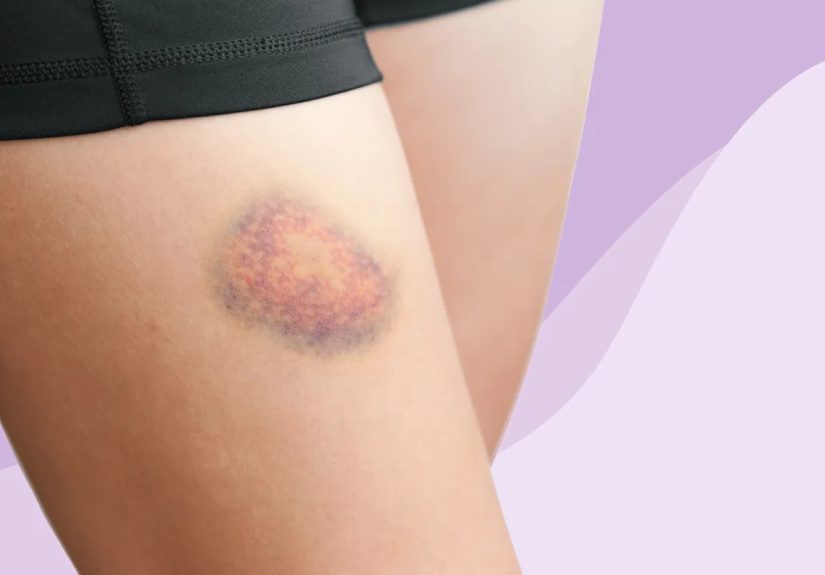
This is one of the classic HAE triggers. A major accident can do it, sure, but so can surprisingly small injuries. Bumping your shin, carrying heavy bags, standing for a long time, or even friction from tight clothing may be enough for some people.
Minor trauma to the mouth and face is especially important because swelling in those areas can spread or affect the airway. That is why dental work gets its own hall of fame in the HAE trigger museum.
Common examples: accidental bites inside the mouth, sports injuries, tight shoes, prolonged pressure, repetitive hand strain, and bumps that would barely register for someone without HAE.
Dental Work, Surgery, and Medical Procedures
Dental procedures are a well-known trigger for hereditary angioedema attacks. Anything that manipulates tissues in the mouth, throat, or upper airway can be especially risky. Surgery, endoscopy, intubation, and some other invasive procedures may also provoke attacks.
This does not mean people with HAE should avoid medical care. It means procedures should be planned carefully. Many patients need a prevention strategy before a procedure, along with access to on-demand treatment and a team that understands the condition.
If HAE had a least-favorite hobby, it would probably be “upper airway manipulation.”
Emotional Stress and Anxiety
Stress is one of the most commonly reported HAE attack triggers. This does not mean the condition is “all in your head.” It means the body’s stress response can make an already sensitive system even more reactive.
Emotional stress can come from obvious sources, like exams, deadlines, family conflict, or grief. But it can also come from the daily burden of living with a rare disease. Ironically, worrying about the next attack may help nudge the next attack closer. Thanks, biology.
Common examples: job stress, travel stress, sleep deprivation, social pressure, caregiving strain, and anxiety before a medical appointment.
Illness and Viral Infections
Many people with HAE notice more attacks during or after infections. Colds, the flu, fevers, and other viral illnesses can act like fuel on the fire. Even if the illness itself is mild, the immune and inflammatory response may help trigger swelling.
This helps explain why some people say, “Every time I get sick, my HAE gets loud.” That pattern is common enough that it deserves attention, especially during cold and flu season.
Hormonal Changes, Especially Estrogen
Hormones can be a major trigger, particularly in women. Menstruation, pregnancy, postpartum shifts, and estrogen-containing medications may increase attack frequency or severity in some patients.
Estrogen is the big name to remember here. It is linked to worsening symptoms in many people with HAE. That can matter when discussing birth control, hormone therapy, fertility treatment, or menopause management. Not every person responds the same way, but hormone conversations should never be treated as an afterthought in HAE care.
Certain Medications
Some medications are notorious for aggravating angioedema in vulnerable patients. The biggest red flag is the ACE inhibitor class of blood pressure medicines. These drugs can worsen bradykinin-related swelling and are often considered a poor fit for people with HAE.
Estrogen-containing medications may also be a problem, as mentioned above. In some cases, other medications that affect bradykinin pathways may matter too. This is one reason medication lists should be reviewed carefully with a clinician who knows HAE well.
Bottom line: never assume a new medication is harmless just because it is common.
Repetitive Physical Activity and Mechanical Strain
Exercise is healthy, but some forms of physical activity can trigger swelling in HAE, especially when the activity involves repetitive strain, pressure, or impact. Typing, hammering, shoveling, gripping tools, heavy lifting, and long-distance exertion have all been reported as triggers by some patients.
This does not mean people with HAE should live like decorative houseplants. It means they may need to learn which activities are fine, which need pacing, and which tend to backfire.
For one person, a long walk is completely fine. For another, a weekend of yard work becomes an all-inclusive abdominal-swelling package.
Cold Exposure and Weather Changes
Some patients report that exposure to cold, abrupt temperature shifts, or certain weather changes can trigger attacks. This is not universal, but it comes up often enough to be worth tracking in a symptom diary.
If your attacks seem to cluster after cold air exposure, swimming in chilly water, or sudden seasonal changes, that pattern may be real even if it looks random on the surface.
Specific Foods in Some People
Food is a tricky topic in HAE. It is not the most universal trigger, and HAE swelling is not typically a classic food allergy reaction. Still, some patients report that certain foods seem to provoke or worsen attacks, especially abdominal symptoms.
The key point is individuality. There is no single “HAE diet” that works for everyone. Instead of eliminating half your kitchen out of panic, it is smarter to track what happens after particular foods and look for repeat patterns over time.
Can HAE Attacks Happen Without a Trigger?
Yes. Absolutely. Annoyingly.
Many trusted medical sources note that HAE swelling often occurs without any obvious trigger. That means a person can do everything “right” and still have an attack. This is important emotionally as well as medically. If you live with HAE, not every episode is a sign that you failed, missed something, or caused the attack.
Sometimes the most honest answer is: there was no clear reason. That uncertainty is one of the hardest parts of the condition.
Early Warning Signs That an Attack May Be Starting
Not everyone gets prodrome symptoms, but many do. These early signs can show up before visible swelling begins and may include:
- unusual fatigue
- tingling or tightness in the skin
- mood changes or irritability
- a hoarse voice
- a non-itchy rash-like pattern in some people
- general “something is off” body signals
Learning these warning signs can be just as useful as identifying triggers. Sometimes the prodrome is the real heads-up, while the trigger is only obvious later.
How to Identify Your Personal HAE Triggers
Keep a Trigger Journal
Track the date, location of swelling, severity, what happened in the previous 24 to 72 hours, sleep quality, menstrual cycle timing if relevant, medications, infections, stress level, and physical activity. Over time, the pattern becomes easier to spot.
Review Medications Carefully
Bring a full medication list to your clinician, including birth control, hormone therapy, blood pressure medicine, supplements, and over-the-counter products. “It was prescribed” is not the same as “it is ideal for HAE.”
Plan Ahead for Procedures
Tell dentists, surgeons, and anesthesiology teams that you have HAE before any procedure. Last-minute explanations while wearing a paper gown are not the dream.
Notice Stacked Triggers
Some attacks are not caused by one thing, but by several small hits in a row. A stressful week plus a cold plus a dental cleaning may explain more than any one factor alone.
How to Reduce the Risk of HAE Attacks
You cannot eliminate all attacks, but you can often reduce avoidable risk. Helpful strategies may include:
- working with an HAE-informed specialist
- avoiding known medication triggers when possible
- planning preventive care around dental or surgical work
- getting enough sleep and managing stress realistically
- keeping prescribed on-demand treatment accessible
- tracking patterns instead of guessing
- teaching family members what to do in an emergency
Notice the word “realistically.” No one needs a perfect routine, a perfect diet, or perfect emotional calm. That would be impossible even without HAE. The goal is not perfection. The goal is fewer surprises and faster action.
When an HAE Attack Is an Emergency
Any swelling involving the throat, tongue, voice changes, or trouble breathing is an emergency. Get urgent medical care right away. Airway swelling can become dangerous quickly.
Severe abdominal attacks can also be intense and disabling, especially when they cause dehydration, vomiting, or confusion about what is happening. People with HAE often become experts at looking “fine” while feeling absolutely terrible, which is impressive but not medically useful. Serious symptoms deserve serious care.
Final Thoughts
So, what triggers hereditary angioedema attacks? The honest answer is a mix of well-known culprits and maddening unpredictability. Physical trauma, dental work, surgery, stress, infections, estrogen changes, certain medications, repetitive activity, cold exposure, and sometimes specific foods can all play a role. Yet many attacks still happen without a clean explanation.
That uncertainty is frustrating, but it does not make trigger tracking pointless. In fact, the more you understand your own pattern, the more power you have to prepare, communicate, and act early. HAE may be unpredictable, but it is not unknowable.
And if your body insists on treating a routine week like an extreme sport, at least you can make sure your plan is stronger than its plot twists.
Experiences People Commonly Describe With HAE Triggers
The following are composite, reality-based experiences drawn from commonly reported HAE patterns, not direct quotations from one individual patient.
Many people with HAE say the hardest part is not just the swelling itself. It is the feeling that ordinary life events can suddenly become loaded. A dental cleaning is no longer just a dental cleaning. A stressful presentation is not just a presentation. A common cold is not just a cold. Each one can carry the quiet question: “Is this the thing that will set off an attack?”
One common experience is learning that minor trauma is not always minor when you have HAE. Someone may spend a Saturday gardening, typing for hours, moving boxes, or carrying groceries and then wake up with swelling in the hands, feet, or abdomen. To other people, that story sounds random. To someone with HAE, it starts to sound familiar. Over time, patients often become unusually good at noticing the body’s small signals, including soreness, pressure, tingling, or fatigue that seems disproportionate to the activity.
Stress is another trigger people talk about with a kind of exhausted respect. Not because they think stress “causes everything,” but because they have seen the pattern too many times to ignore it. A week of poor sleep, family conflict, exams, deadlines, or travel can be followed by a swelling episode that feels like the body has turned emotional overload into a physical event. Some patients describe this as the unfairness of HAE: you are already stressed, and then the condition adds a very tangible consequence.
Hormonal triggers can be especially frustrating. Some women report attacks that cluster around menstruation, pregnancy, or estrogen exposure. What looks like a normal life transition on paper can feel completely different when it comes with unpredictable swelling. These experiences often affect choices around contraception, family planning, and hormone treatment, which means HAE can shape decisions far beyond the actual attack days.
Another commonly described experience is the challenge of explaining HAE to other people. Because swelling may come and go, and because some attacks affect the abdomen rather than the skin, family members, coworkers, teachers, or even healthcare professionals may not immediately understand what is happening. Patients may look normal on the outside while dealing with severe abdominal pain, fatigue, or the fear of airway involvement. That gap between how someone looks and how they feel can be isolating.
At the same time, many people with HAE become remarkably skilled planners. They learn to pack medication, inform dentists ahead of time, monitor prodrome symptoms, and build routines that reduce avoidable triggers. They also learn something subtler: not every attack can be prevented, and self-blame is a waste of energy. For many patients, real progress is not “I never have attacks.” It is “I understand my pattern better, I respond faster, and I am less frightened by the unknown than I used to be.” That is not a small victory. That is lived expertise.