Table of Contents >> Show >> Hide
- Why October Is Such a Big Deal for Lawns
- What Lawn Pros Actually Do in October
- 1. They fertilize for roots, not just for looks
- 2. They aerate compacted soil
- 3. They overseed thin or tired areas
- 4. They go after broadleaf weeds in fall
- 5. They keep mowing and manage leaves the smart way
- 6. They do not ignore watering just because summer is over
- 7. They test the soil instead of guessing
- The Important Catch: October Is Not the Same for Every Lawn
- Common October Lawn Mistakes to Avoid
- What a Greener Spring Actually Looks Like
- Experiences Homeowners Commonly Have After Doing the October Work
- Conclusion
If your lawn looked a little crispy, patchy, or emotionally unavailable by the end of summer, you are not alone. Heat, drought, foot traffic, compacted soil, and a few questionable mowing decisions can leave even a decent yard looking like it needs a pep talk. The good news? Lawn professionals know a secret that is not really a secret at all: October is when a lot of the magic happens.
Not spring. Not the first warm weekend when everyone panic-buys seed, fertilizer, and optimism. October.
That is because fall lawn care works with the natural rhythm of grass instead of fighting it. For many cool-season lawns, October brings the sweet spot of warm soil, cooler air, better moisture, and less weed pressure. That combination helps grass recover from summer stress, grow stronger roots, and store energy for the next growing season. The result is the kind of greener yard by spring that makes neighbors slow down and stare a little too long.
Here is why October lawn care matters so much, what lawn pros actually do this month, and how to avoid the mistakes that turn “spring green-up” into “spring regret.”
Why October Is Such a Big Deal for Lawns
October works because it is a transition month, and your lawn feels that shift before you do. The blazing heat of summer is fading, but the soil is still warm enough to support seed germination and root activity. Grass is no longer spending all its energy just trying not to die. Instead, it can focus on repair, establishment, and nutrient storage.
That is a major reason lawn professionals treat fall lawn care as an investment instead of a chore. Work done in October often produces benefits that show up months later: thicker turf, fewer bare spots, better weed resistance, stronger roots, and earlier spring green-up. In other words, October is the quiet overachiever of the lawn calendar.
For cool-season grasses like tall fescue, Kentucky bluegrass, fine fescue, and perennial ryegrass, this month can be especially valuable. These grasses naturally prefer cooler weather, so fall is prime time for recovery and growth. Warm-season lawns, such as bermudagrass, zoysiagrass, centipedegrass, and St. Augustinegrass, follow different rules, but October still matters for cleanup, weed control, soil testing, and setting the lawn up for a healthier dormancy period.
What Lawn Pros Actually Do in October
1. They fertilize for roots, not just for looks
One of the smartest October lawn tips is applying fertilizer at the right time and for the right lawn type. Many homeowners think fertilizer is just lawn coffee: pour it on and expect instant color. But in fall, good fertilization is less about dramatic top growth and more about root development, plant vigor, and stored energy.
For cool-season lawns, fall fertilization helps turf recover from summer damage, thicken up, and prepare for winter. It can also support a faster, more even spring green-up without the wild flush of top growth that often comes with heavy spring feeding. That means fewer mowing marathons and a lawn that looks strong rather than merely loud.
That said, more is not better. Overdoing nitrogen can create problems, including excessive top growth, greater disease pressure, and wasted product. A measured application based on lawn needs is the goal. Lawn pros are not trying to create a neon-green carpet in October. They are feeding the engine, not polishing the hood ornament.
2. They aerate compacted soil
If your lawn gets heavy foot traffic, has clay soil, or feels hard underfoot, compaction may be limiting root growth, water movement, and oxygen in the root zone. That is where core aeration comes in. In October, many lawn pros aerate to pull small plugs from the soil and open up the surface.
This step can make a noticeable difference in lawns that struggled through summer. Aeration helps water and nutrients move more easily into the soil, relieves compaction, and creates better conditions for roots to expand. It also pairs beautifully with overseeding, since those little holes improve seed-to-soil contact. Think of it as opening the door before inviting new grass in.
One important note: core aeration is the preferred method. Spike tools may look dramatic, but they can actually increase compaction around the holes they punch. Lawn pros usually go for the method that removes soil plugs instead of just poking the ground like it insulted them.
3. They overseed thin or tired areas
If your lawn came out of summer looking sparse, worn, or patchy, October can be a rescue month for overseeding in many cool-season regions. Adding fresh seed to thin turf helps thicken the lawn, improve density, and reduce the open space where weeds love to move in like uninvited relatives.
Overseeding works especially well after aeration. The combination gives seed better contact with soil, improves moisture access, and helps young seedlings establish before winter. Tall fescue lawns often benefit from this treatment because they do not spread aggressively on their own. Kentucky bluegrass can self-repair somewhat, but even it may need help after a rough summer.
Timing matters, though. October can be excellent, but not every region has the same window. In colder areas, early fall may be better, and waiting too long can leave seedlings vulnerable to frost before they establish. Lawn pros pay attention to climate, grass type, and local timing rather than following a one-size-fits-all calendar from the gardening aisle.
4. They go after broadleaf weeds in fall
Spring gets all the attention for weed control, but many turf experts would rather treat certain broadleaf weeds in fall. Why? Because perennial broadleaf weeds are moving carbohydrates down into their roots as they prepare for winter. When herbicides are applied at the right time, the plant can carry that treatment deeper into the root system, improving control.
That makes October a strategic month for tackling weeds like dandelion, clover, chickweed, plantain, and henbit, depending on the region. It is often more effective than waiting until spring, when weeds are larger, more visible, and somehow more smug.
One warning: if you just seeded or overseeded, do not rush into herbicide applications. New seedlings need time to establish. This is one of those moments where impatience can cost you twice.
5. They keep mowing and manage leaves the smart way
A surprising number of people treat fall like the moment lawn maintenance can simply stop. Grass, however, did not get that memo. Lawn pros keep mowing until growth actually slows or stops. Letting grass go into winter overly long can increase the risk of disease and matting.
Mowing height still matters in October. Cutting too short weakens turf, but letting it get wildly shaggy is not a flex either. A steady mowing routine, without removing more than one-third of the blade at a time, helps the lawn head into winter in better shape.
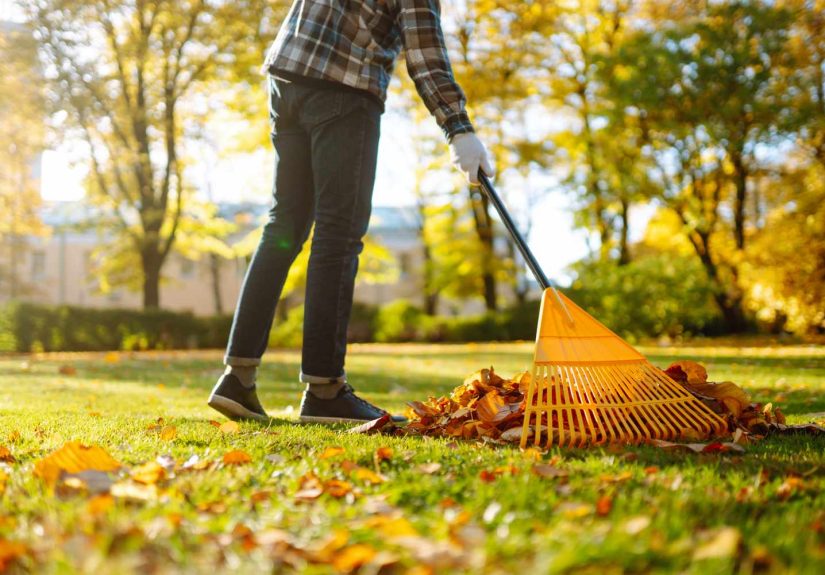
Then there are leaves. A light layer of chopped leaves can benefit the lawn by returning organic matter and nutrients. A thick layer, however, can block sunlight, trap moisture, and smother turf. Lawn pros often mulch leaves back into the lawn while the layer is still manageable, then remove or compost the excess once coverage gets too heavy. Translation: a few leaves are mulch; a leaf mattress is a problem.
6. They do not ignore watering just because summer is over
Autumn weather feels cooler, so many homeowners assume the lawn no longer needs water. But if fall is dry, turf can still go into winter stressed. For newly seeded areas, consistent moisture is especially important during establishment. For established lawns, watering during dry stretches can help prevent winter damage and dehydration.
The goal is not to keep the lawn soggy. It is to make sure turf heads into winter with adequate moisture. In regions with freezing weather, lawn pros often continue watering as needed until the soil begins to freeze. It is not glamorous, but neither is reseeding half your yard in spring because your lawn entered winter thirsty.
7. They test the soil instead of guessing
October is also a great time for a soil test, and lawn pros love data more than they love myths. A soil test can reveal pH issues and nutrient imbalances, helping you decide whether the lawn needs lime or specific amendments. That is far better than wandering through the garden center holding a fertilizer bag like it contains spiritual answers.
Soil testing in fall gives you time to make adjustments before spring and build a more accurate fertilization plan. It also helps avoid unnecessary applications, which is good for your wallet and better for the environment.
The Important Catch: October Is Not the Same for Every Lawn
This is where lawn pros earn their keep. They know that October is a powerful month, but not in exactly the same way for every yard.
For cool-season lawns: October is often prime time for fertilizing, overseeding, aerating, mowing, leaf management, and broadleaf weed control. This is where the “greener yard by spring” promise is most obvious.
For warm-season lawns: October is more about protecting what you have, managing weeds, improving soil, and preparing for dormancy. In many southern areas, late nitrogen applications are discouraged because warm-season grasses are slowing down and may not use that fertilizer effectively. Pushing lush growth too late can increase disease risk and weaken winter performance.
So yes, October matters almost everywhere. But the exact playbook depends on whether your grass is gearing up or winding down.
Common October Lawn Mistakes to Avoid
- Fertilizing the wrong grass at the wrong time: Fall feeding can be excellent for cool-season lawns, but not every warm-season lawn wants late nitrogen.
- Seeding too late: October may still work in some regions, but very late seeding can leave seedlings unprepared for frost.
- Skipping aeration on compacted lawns: If the soil is tight, fertilizer and seed alone may not solve the problem.
- Smothering the lawn with leaves: Mulch a light layer, but do not let heavy leaf cover sit for long.
- Stopping mowing too soon: Grass should be mowed until growth truly slows or stops.
- Applying weed control right after seeding: New grass needs time to establish before many herbicides are safe to use.
- Guessing instead of soil testing: Random lawn products are expensive ways to be wrong.
What a Greener Spring Actually Looks Like
When October lawn care is done well, the payoff in spring is not just color. It is consistency. The lawn greens up more evenly. Thin patches are less obvious. Roots are stronger. The turf competes better against weeds. Mowing feels more manageable because the lawn is growing steadily, not erratically. And the yard usually looks healthier before the rest of the landscape wakes up.
That is why pros are so loyal to fall lawn care. It creates momentum. Spring becomes less about emergency repair and more about maintenance. You are no longer asking, “How do I save this lawn?” You are asking, “How nice can I make it?” Those are very different weekends.
Experiences Homeowners Commonly Have After Doing the October Work
Talk to homeowners who finally committed to proper October lawn care, and you hear the same kinds of stories again and again. At first, many of them are skeptical. They assume the lawn season is basically over. The leaves are falling, mornings are chilly, and the idea of dragging out the spreader or aerator feels slightly rude. Then spring arrives, and suddenly they become unofficial evangelists for fall lawn work.
One common experience is surprise at how much better the yard looks without any spring heroics. People expect a huge burst of work in March or April, but instead they notice the lawn already has a head start. The color comes in earlier. Thin areas are less embarrassing. The soil seems to accept water better. There is a sense that the lawn woke up ready, instead of waking up confused.
Another thing homeowners notice is how different the lawn feels underfoot. Lawns that were aerated and overseeded in fall often feel denser and more cushioned by late spring. It is subtle at first. Then you realize the kids are not kicking up dust in bare spots, the dog is not turning one weak corner into a mud pit, and weekend yard time becomes less about damage control.
There is also a psychological shift, which is honestly half the appeal. People who do the October work often describe spring as less stressful. They are not scrambling to fix winter damage, rushing to buy whatever seed is left on the shelf, or wondering whether the lawn will recover on its own. They already handled the foundational work when conditions were better. Spring becomes a season of touch-ups instead of triage.
Many homeowners also report fewer weeds in the areas they thickened up the previous fall. That makes sense. Dense turf is one of the lawn’s best defenses. When grass is healthy and the canopy is fuller, weeds have fewer openings to exploit. It is not that weeds disappear forever and move away in shame, but the lawn usually puts up a much better fight.
Then there is the neighborhood effect. This is real, even if people pretend otherwise. A lawn that greens up evenly in spring changes how the whole front yard feels. Beds look cleaner. Walkways seem sharper. The house looks more cared for. People may compliment your landscaping when all you really did was make better decisions six months earlier. That is the beauty of October lawn care: it delivers results that look expensive even when the habits themselves are pretty practical.
And maybe the best experience of all is this: once you see the payoff, October stops feeling like cleanup season and starts feeling like opportunity season. You stop viewing lawn care as a battle against nature and start treating it like timing. That mindset changes everything. The lawn is not asking for miracles. It is asking you to do the right things when they count most.
Conclusion
If lawn pros sound almost smug about October, it is because experience keeps proving them right. For many cool-season lawns, this month offers the best chance to fertilize wisely, relieve compaction, overseed thin turf, control weeds, manage leaves, and build stronger roots before winter. For warm-season lawns, October is still essential, just with a different strategy focused on cleanup, soil health, and dormancy prep.
The big takeaway is simple: a greener yard by spring usually begins long before spring. October is when smart lawn care quietly stacks the deck in your favor. It is not flashy, but it works. And in the lawn world, “works” beats “looks easy on social media” every single time.