Table of Contents >> Show >> Hide
- Apple Finally Treated Heat Like a Real Performance Problem
- Why Cooling Is a Bigger Deal in 2025 Than Ever Before
- The Old Problem: Fast iPhones Could Still Feel Hot and Weirdly Fragile Under Load
- Why This Is the Best Upgrade No One Is Talking About
- Apple’s Smart Move Was Pairing Cooling With the New Aluminum Design
- Who Benefits the Most From the iPhone 17 Pro’s Cooling Upgrade?
- The Real Reason Nobody Is Talking About It
- What Living With Better Cooling Actually Feels Like
- Final Thoughts
Every year, smartphone launches come with the usual parade of flashy upgrades: brighter displays, faster chips, sharper zoom lenses, shinier finishes, and enough camera jargon to make a cinematographer reach for a snack. The iPhone 17 Pro has all of that, sure. But its most important upgrade is the one most people will never brag about at brunch: cooling.
That may not sound sexy. Nobody has ever sprinted into a group chat screaming, “Guys, my new thermal architecture is incredible.” But maybe they should. Because the iPhone 17 Pro’s new cooling system quietly fixes one of the biggest limits of modern flagship phones: they are absurdly powerful, but that power means less when heat forces them to slow down.
And that is exactly why the iPhone 17 Pro’s new cooling tech deserves a lot more attention. It is not a cosmetic upgrade. It is not a spec-sheet decoration. It is the kind of behind-the-scenes improvement that makes everything else better, from gaming and video recording to charging, comfort, and long-session performance. In other words, it is the upgrade that turns “fast on paper” into “fast when you are actually using it.”
Apple Finally Treated Heat Like a Real Performance Problem
For years, iPhones have been incredibly fast in short bursts. Open an app? Blazing. Export a short clip? Great. Run a benchmark for a minute? Fantastic. But smartphones do not live in benchmark heaven. They live in pockets, hot cars, bright sidewalks, gaming sessions, navigation mounts, and camera-heavy weekends where your phone is asked to do too much while also pretending it is not under pressure.
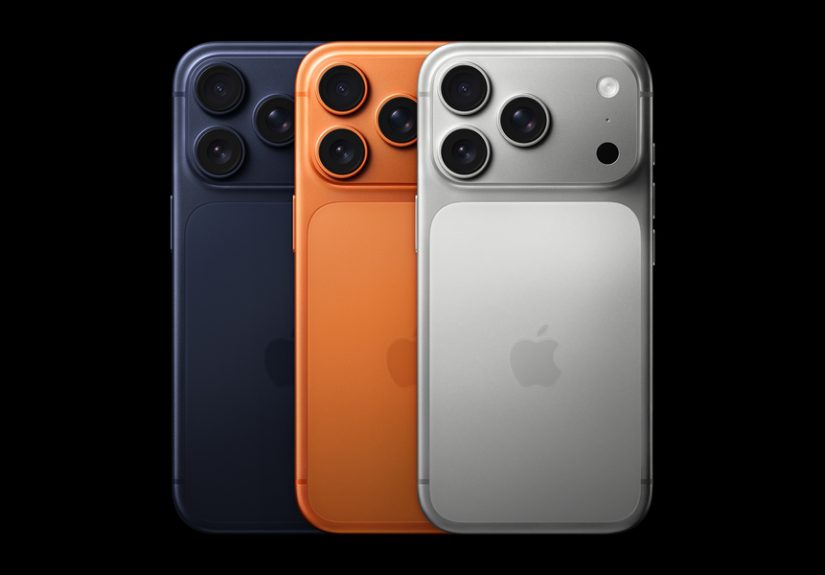
The iPhone 17 Pro changes that equation by introducing Apple’s new vapor chamber cooling system, paired with a thermally conductive aluminum unibody. That combo matters. A vapor chamber is designed to spread heat away from the processor more efficiently, rather than letting it collect in one miserable hot spot that makes your phone feel like a toaster with apps. Apple’s design uses deionized water sealed inside the chamber, which helps transfer heat away from the A19 Pro chip and into the chassis so the phone can sustain high performance longer.
That phrase, sustain high performance, is the whole story. Peak performance is easy. Sustained performance is what separates a phone that looks powerful in marketing from a phone that still feels powerful after 20 minutes of gaming, 15 minutes of 4K video, or a long session of editing, uploading, and multitasking on cellular in the middle of the afternoon.
Why Cooling Is a Bigger Deal in 2025 Than Ever Before
Ten years ago, smartphone cooling was mostly a niche talking point for mobile gamers and Android nerds who happily discussed graphite layers for fun. In 2025, it matters to almost everyone buying a premium phone. Why? Because today’s flagship phones are no longer just communication tools. They are gaming consoles, editing stations, AI devices, cameras, navigation systems, and pocket computers trying to do laptop-level work without laptop-level space.
The iPhone 17 Pro’s A19 Pro chip is faster, yes, but faster chips create a simple engineering problem: more performance creates more heat. Add demanding camera features, long 4K recording sessions, on-device intelligence tasks, heavier graphics workloads, and larger batteries charging at higher speeds, and suddenly thermal management is no longer a side quest. It is the main quest.
This is why Apple’s claim of dramatically improved sustained performance matters more than raw benchmark chest-thumping. A chip that is 20% or 30% faster in theory is nice. A phone that stays responsive, bright, smooth, and comfortable while you are actually pushing it is better. Cooling is the difference between owning power and accessing power.
The Old Problem: Fast iPhones Could Still Feel Hot and Weirdly Fragile Under Load
Let’s be honest: previous iPhones were not exactly disasters, but they did have a reputation for getting warm under pressure. Sometimes the heat felt concentrated in one area. Sometimes performance stayed excellent, but the device got uncomfortable. Sometimes brightness dimmed. Sometimes frame rates dipped. Sometimes the phone simply reminded you, in the most passive-aggressive way possible, that physics remains undefeated.
That was especially noticeable during longer gaming sessions, extended camera use, fast charging, or heavy outdoor use in warm conditions. None of this made older Pro iPhones bad. It just exposed the gap between theoretical power and real-world endurance.
The iPhone 17 Pro appears to narrow that gap in a meaningful way. Across hands-on impressions, reviews, and longer-term testing, the broad theme has been consistent: the phone runs cooler, spreads heat more evenly, and holds onto performance better under sustained pressure. That might sound like a subtle win until you realize how many “premium phone annoyances” are really heat problems wearing different outfits.
Why This Is the Best Upgrade No One Is Talking About
Cooling is easy to ignore because it is not glamorous. You cannot photograph it like a new color. You cannot flex it like a zoom camera. It does not light up the room the way a thinner design or brighter panel does. But once you understand what it improves, it becomes hard to argue against.
1. It makes the A19 Pro feel more useful, not just more powerful
Modern smartphone chips are already ridiculously fast. Most people do not need more raw speed to open Messages 0.2 seconds faster. What they need is consistency. Better cooling lets the iPhone 17 Pro stay closer to its top level of performance for longer. That means fewer slowdowns during gaming, fewer hiccups while exporting video, and less chance of the phone downshifting when you are pushing it hardest.
2. It improves the experience even when you are not “doing pro stuff”
This is the sneaky part. Cooling is not only for benchmark enthusiasts and people who spend Sunday afternoons comparing frame-rate charts. It helps normal use too. If your phone stays cooler during navigation, video calls, streaming, camera use, charging, and background app activity, the whole device feels more stable and less annoying. Better thermals make a phone feel more polished.
3. It helps comfort
There is a huge quality-of-life difference between “my phone is working hard” and “my phone feels like it is reconsidering its career.” A cooler phone is simply nicer to hold. That sounds obvious, but comfort matters. A premium device should not make your hand feel like it is being slowly roasted because you dared to record video outdoors.
4. It can support battery and performance over longer sessions
Cooling is not a magic battery cheat code, but heat is bad for efficiency. When a phone runs cooler, it can avoid some of the waste and throttling that come with thermal stress. In practice, that can translate into more reliable performance over time, fewer dramatic drops in responsiveness, and better endurance during demanding tasks.
5. It future-proofs the phone better
Software does not get lighter over time. Games do not become less demanding. Camera workflows do not suddenly get simpler. As apps and features continue to lean on AI, graphics, video, and multitasking, thermal headroom becomes more valuable. The iPhone 17 Pro’s cooling upgrade is not just about today’s workloads. It is about giving the phone room to breathe for the next few years too.
Apple’s Smart Move Was Pairing Cooling With the New Aluminum Design
One reason this upgrade matters is that Apple did not just toss in a vapor chamber and call it a day. The company also changed the Pro’s construction in a way that supports the cooling story. Aluminum has stronger thermal conductivity than titanium, which means it is better at helping move heat away from the internals. That makes the overall thermal system more cohesive.
In plain English, Apple finally stopped treating cooling like something to hide and started designing around it. The result is a Pro phone that seems more willing to admit it is a high-performance device. That is a good thing. You cannot keep stuffing bigger workloads into slimmer devices and hope vibes will manage the heat.
There is also a broader industry angle here. Android flagships have used vapor chamber cooling for years, especially in gaming-focused or performance-heavy phones. Apple taking this step is not revolutionary for the entire smartphone world. But it is meaningful for iPhone users, because it closes a gap that had become harder to ignore as mobile workloads grew more intense.
Who Benefits the Most From the iPhone 17 Pro’s Cooling Upgrade?
The short answer is: more people than Apple’s marketing will probably admit.
If you game on your phone, this is a big deal. Better thermal performance means higher sustained frame rates, fewer stutters, and less heat buildup after the first 15 or 20 minutes. If you shoot a lot of video, especially high-resolution or high-frame-rate footage, this matters too. Camera systems do not just test optics; they stress processors, storage, batteries, and heat limits all at once.
Content creators, travelers, commuters, ride-share users, and people who fast-charge while navigating will also notice the benefit. Even professionals who use their iPhone for cloud work, editing, hotspot duty, and constant multitasking should appreciate the extra thermal stability. And honestly, even casual users gain something from a phone that simply feels calmer under load.
The people who may care the least are those who mostly text, browse, watch a few videos, and never really push the device. But even then, it is worth remembering that the best hardware upgrades are often invisible. You may not notice them every minute, but you notice the lack of problems.
The Real Reason Nobody Is Talking About It
People tend to talk about upgrades that are easy to show and easy to compare. Cooling is neither. It is not dramatic in a store demo. It does not leap out from a YouTube thumbnail. It requires context, testing, and patience. But invisible upgrades often age better than flashy ones.
A brighter screen is nice. A new finish is fun. A camera tweak is useful. But an upgrade that improves gaming, video, charging comfort, long-session stability, and the device’s overall composure? That is the kind of thing you feel every week, not just on launch day.
That is why the iPhone 17 Pro’s cooling system deserves to be called the best upgrade no one is talking about. It does not just add a feature. It upgrades the phone’s behavior.
What Living With Better Cooling Actually Feels Like
Here is where this upgrade becomes more than engineering trivia. Imagine a normal week with the iPhone 17 Pro. Not a lab test. Not a keynote slide. Real life.
On Monday morning, you leave the house late, throw the phone on a charger for a quick top-up, unplug it, start navigation, stream music, and answer a call through wireless earbuds while the screen stays bright in daylight. On a lesser thermal setup, that combination can make a phone heat up fast. With better cooling, the iPhone 17 Pro feels more composed. It is not trying to prove anything. It is just doing the work without getting dramatic about it.
On Tuesday, you record a bunch of short video clips for social media, trim them, rewatch them, reshoot one, upload over 5G, and repeat the cycle because perfectionism is alive and well. This is the kind of routine that exposes weak thermal design. Phones get warm, camera performance can become less steady, and everything starts to feel a little more sluggish than it did at the first clip. Better cooling does not make the laws of thermodynamics disappear, but it buys you more consistency. The phone feels less like a sprinter gasping after every lap and more like a runner who actually trained.
By Wednesday night, maybe you are gaming. Not just for five minutes while waiting for noodles, but a real session. Maybe it is a graphically intense title with high settings, long matches, and enough action to make the GPU earn its paycheck. This is where sustained performance matters. The first ten minutes on almost any flagship can look great. The real question is what happens later. Does the frame rate hold up? Does the back get uncomfortably warm? Does brightness step down? Does the device start feeling like it wants a union break? The iPhone 17 Pro’s cooling setup is valuable because it pushes those pain points farther away.
Then there is travel day. Airports, rideshares, maps, messaging, hotspot use, camera bursts, streaming, and charging from whatever power source is available and hopefully not suspicious. Travel is chaos, and chaotic use creates heat. A phone with stronger thermal management feels more trustworthy in those moments. You stop thinking about the device and focus on what you are doing. That may sound boring, but boring reliability is the luxury good of modern tech.
Even the simple stuff feels better. Long FaceTime calls. Editing photos outdoors. Jumping between apps while downloads happen in the background. Using your phone in a warm room without it feeling fragile. Better cooling changes the emotional texture of the device. It feels steadier. More confident. Less fussy.
That is the hidden magic here. The iPhone 17 Pro’s cooling tech is not exciting because it turns your phone into a freezer brick from the future. It is exciting because it removes friction. It reduces the tiny moments where heat reminds you that your premium phone is still a cramped slab of metal and glass trying to do miracles. Instead, the device feels more mature. More finished. More genuinely Pro.
Final Thoughts
The iPhone 17 Pro has plenty of obvious upgrades, but the new cooling system may be the one that improves daily life the most. It makes the A19 Pro more sustainable, the phone more comfortable, and demanding tasks less fragile. It also suggests Apple is taking sustained performance more seriously, which is exactly what a Pro device should deliver.
So yes, the camera upgrades are impressive. Yes, the performance numbers are big. Yes, the battery gains are welcome. But the cooling tech is what helps all of that hold together. It is the upgrade behind the upgrades. And that is why it may be the smartest improvement in the entire iPhone 17 Pro package.