Table of Contents >> Show >> Hide
- What Earwax Actually Is
- Why You Have Earwax in the First Place
- When Earwax Becomes a Problem
- What Not to Do: The Earwax Hall of Shame
- Safe Ways to Deal with Earwax
- When to See a Doctor About Earwax
- Common Myths About Earwax
- Real-Life Experiences with Earwax
- Conclusion: Earwax Is a Feature, Not a Bug
Earwax doesn’t exactly have main-character energy. It’s sticky, yellowish, and shows up at the worst possible timelike right before a hearing test or a date. But despite its bad PR, earwax (the medical name is cerumen) is one of your body’s most underrated defense systems. Far from being “dirt,” it’s more like a built-in self-cleaning, self-lubricating security guard for your ears.
In this guide, we’ll break down what earwax is, why you have it, when it becomes a problem, and how to deal with earwax safelywithout turning your cotton swabs into tiny battering rams for your eardrums.
What Earwax Actually Is
A Mix of Secretions, Skin, and… Life
Earwax is made in the outer part of your ear canal by modified sweat and oil glands. These glands produce a combination of oily sebum and thicker secretions that mix with:
- Dead skin cells
- Tiny hairs in the ear canal
- Dust and other particles from the environment
The result is that familiar waxy material that can show up in various shades: light yellow, honey-brown, dark brown, or even grayish. Its consistency can range from flaky and dry to sticky and gooey, depending on your genetics and environment.
Two Main Types of Earwax: Wet vs. Dry
One of the coolest facts about earwax is that it’s linked to your genes. A single gene variant (called ABCC11) helps determine whether you have:
- Wet earwax: Sticky, yellow to dark brown, more common in people of African and European ancestry.
- Dry earwax: Light-colored, flaky, more common in many East Asian and some Native American populations.
Neither type is “better” or cleaner. It’s just biology being quirky. The type of earwax you have doesn’t mean your ears are more or less hygienicit’s simply how your body is wired.
Why You Have Earwax in the First Place
1. A Sticky Shield Against Germs and Dirt
The main purpose of earwax is protection. Your ear canal is a delicate, narrow tunnel leading to the eardrum, and earwax acts like a sticky flytrap for:
- Dust and dirt
- Bacteria and fungi
- Small particles and insects (yes, that too)
By catching these intruders before they get deeper, earwax helps prevent infections and irritation. It’s basically the bouncer at the door of Club Eardrum, checking IDs and turning away troublemakers.
2. Built-In Moisturizer for Your Ear Canal
The skin inside your ear canal is thin and sensitive. Without any moisture, it can become dry, itchy, and prone to crackingmaking it easier for bacteria to get in. Earwax provides natural lubrication, keeping the canal comfortable and reducing itchiness.
3. Antibacterial and Antifungal Properties
Earwax isn’t just sticky; it’s also chemically active. It creates a slightly acidic environment in the ear canal, which makes it harder for certain bacteria and fungi to thrive. That means your earwax is quietly fighting off infections while you’re busy doing literally anything else.
4. A Key Player in Your Ear’s Self-Cleaning System
One of the wildest things about earwax is that your ears are mostly self-cleaning. As your jaw moveswhen you talk, chew, or yawnthose movements help gradually push earwax from deeper in the canal toward the opening. As it travels, it carries trapped particles and old skin cells with it. Eventually, it dries out and falls away or can be gently wiped off the outer ear.
Translation: your ears are designed to clean themselves. When you constantly “help,” especially with objects inside the canal, you usually just get in the way.
When Earwax Becomes a Problem
Normal vs. Excess Earwax
Most people produce a normal amount of earwax that exits the ear on its own. But sometimes earwax builds up faster than it can clear, or it gets pushed deeper into the canal. This can result in impacted earwax, where the wax becomes packed and stuck.
Common Symptoms of Earwax Buildup
Earwax buildup can cause:
- Muffled or reduced hearing in one or both ears
- A feeling of fullness or blockage in the ear
- Earache or pressure
- Ringing or buzzing sounds (tinnitus)
- Dizziness or a sense of imbalance
These symptoms don’t always mean earwax is the problemear pain or hearing changes can also come from infections or other conditionsso it’s smart to get evaluated by a healthcare professional instead of guessing.
Who’s More Likely to Have Earwax Problems?
You may be more prone to impacted earwax if:
- You use hearing aids or earplugs regularly (they can trap wax and push it inward).
- You frequently use cotton swabs or bobby pins in your ears.
- You naturally produce a lot of earwax.
- You have narrow or twisty ear canals.
- You’re older; earwax can become drier and harder with age.
What Not to Do: The Earwax Hall of Shame
No, Cotton Swabs Are Not Tiny Ear Plungers
Let’s get this out of the way: sticking cotton swabs into your ear canal is a bad idea. They often:
- Push wax deeper toward the eardrum
- Pack wax into a hard plug
- Scratch or irritate the ear canal skin
- In severe cases, perforate (poke a hole in) the eardrum
Using a cotton swab inside the canal is like trying to clean a bottle by ramming everything to the bottom. It feels satisfying in the moment but can cause trouble later.
Skip Ear Candles and DIY “Hacks”
Ear candlingwhere a hollow candle is lit and placed in the earhas been shown to be ineffective and potentially dangerous. It does not create a vacuum that pulls wax out, but it can:
- Leave candle wax in the ear
- Cause burns to the ear or face
- Increase the risk of injury to the ear canal or eardrum
Other trending gadgets or social media “ear hacks” are also risky if they involve inserting anything deep into the ear canal without medical training.
Safe Ways to Deal with Earwax
1. Sometimes the Best Plan Is: Do Nothing
If you’re not having symptomsno pain, no hearing changes, no pressurethere’s usually no need to clean inside your ears. You can simply:
- Wash the outer ear gently with a washcloth during a shower.
- Let the ear’s natural self-cleaning process work.
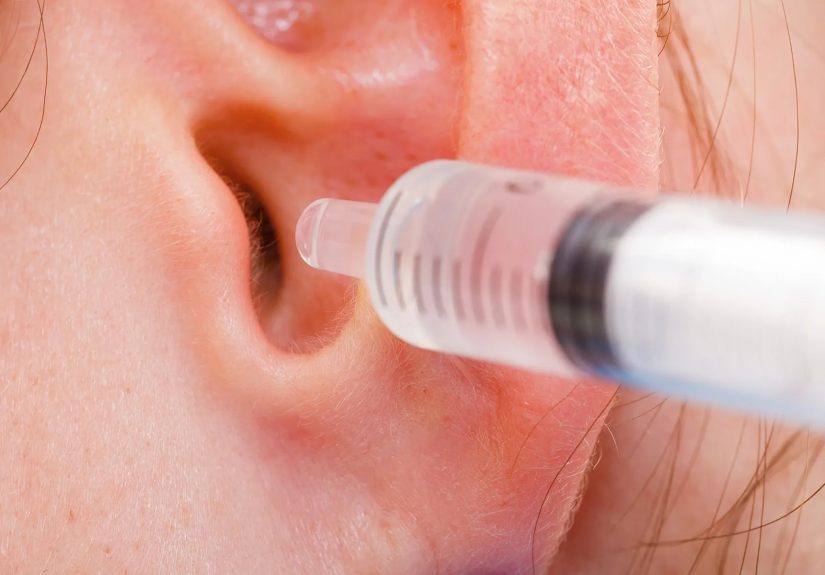
2. Over-the-Counter Ear Drops
If you feel mild blockage from wax, certain over-the-counter ear drops can soften earwax so it can work its way out more easily. Common ingredients include:
- Carbamide peroxide
- Mineral oil or baby oil
- Glycerin or saline solutions
These drops are usually used for a few days according to the label. They help break up or soften the wax, which may then drain out or be rinsed out under professional supervision.
3. Professional Earwax Removal
If home methods don’t helpor if you have pain, drainage, or significant hearing changesit’s time to see a healthcare provider. An ENT specialist (ear, nose, and throat doctor) or trained clinician can:
- Look into your ear canal with a lighted instrument
- Confirm whether wax is the issue
- Safely remove the wax using tools like a curette, suction, or controlled irrigation
This is especially important if you have a history of:
- Ear surgery
- Perforated eardrum
- Chronic ear infections
- Tubes in the ears (current or past)
When to See a Doctor About Earwax
You should contact a healthcare provider if you experience:
- Sudden or significant hearing loss
- Ongoing ear pain or pressure
- Drainage from the ear (especially blood or pus)
- Persistent ringing or buzzing
- Dizziness or balance problems
These symptoms can be caused by earwax, but they may also signal infections or other conditions that need treatment. If in doubt, let a professional take a look rather than trying to “dig out” the problem yourself.
Common Myths About Earwax
Myth 1: Earwax Means You’re Dirty
Actually, earwax is a sign that your ears are doing their job. Everyone produces earwax. Having some visible wax near the opening of the canal doesn’t mean you’re unhygienicit means your ears are actively cleaning themselves.
Myth 2: You Should Clean Inside Your Ears Every Day
Daily deep-cleaning is great for your kitchen, not for your ear canal. Overcleaning can irritate the skin, increase dryness, and stimulate more wax production. Gentle cleaning of the outer ear is plenty for most people.
Myth 3: Cotton Swabs Are Designed for Ear Canal Cleaning
Despite the images on the box, manufacturer instructions typically warn against sticking swabs into the ear canal. They’re meant for the outer ear and other cosmetic usesnot for mining wax from deep inside your head.
Myth 4: Earwax Is Useless
Earwax is a multitasking bodyguard that:
- Traps debris
- Fights off germs
- Moisturizes your ear canal
- Supports your ear’s self-cleaning system
Useless? Not even close.
Real-Life Experiences with Earwax
Almost everyone has an “earwax story,” even if they don’t love talking about it. Because earwax is such a quiet part of everyday health, it often goes unnoticeduntil something goes wrong. These kinds of experiences help highlight why understanding earwax matters.
Imagine someone who wears earbuds almost all dayduring workouts, commuting, working, and scrolling in bed. Over time, the earbuds act like little plugs, trapping wax in the canal and gently pressing it further inside. One day, they wake up and notice their left ear feels “underwater.” The sound is muffled, and they keep asking people to repeat themselves. They might panic and worry it’s sudden hearing loss, when in reality, it’s a dense plug of impacted earwax that a professional can remove in a few minutes.
Another person might have the opposite issue: super itchy ears. They feel like they constantly need to “scratch” the canal, so they reach for cotton swabs, hairpins, or even the corner of a tissue. For a few seconds, it feels satisfying. But over weeks or months, that repeated poking can irritate the skin, cause little micro-scratches, and push wax deeper. Eventually, they may notice more itchiness, weird fullness, or even bouts of swimmer’s ear after showers because water gets trapped behind wax and irritated skin.
People with hearing aids often get a crash course in earwax science. Hearing aids sit in the outer ear or ear canal, and sound passes through very small openings in the device. Earwax can clog those openings, making the hearing aid seem “broken” when it’s really just gunked up. Many audiologists routinely check and clean both the hearing aids and the ear canals because even a small plug of wax can dramatically change how well someone hears. For someone relying on amplified sound, a bit of wax isn’t just an annoyanceit can disrupt conversations, work, and daily life.
Parents experience earwax drama in their own way. A child might complain that their ear hurts or that the TV sounds “funny,” or a teacher might mention that the child seems distracted or doesn’t respond well in class. When the pediatrician looks inside with an otoscope, the entire view of the eardrum can be blocked by wax. A careful cleaning later, hearing improves and things go back to normal. It’s a reminder that earwax can affect behavior, learning, and even how kids interact with the world.
On the flip side, plenty of people never experience noticeable symptoms at all. Their ears quietly produce wax, move it outward, and shed it without any fuss. They may only think about earwax when a doctor mentions it during an exam. For them, learning that “earwax is normal and helpful” can be surprisingbut also reassuring. Not everything your body does needs fixing.
The bottom line from these everyday situations is simple: understanding why you have earwax helps you treat it with respect instead of fear or disgust. Instead of trying to scrub your ear canals until they’re squeaky clean, you can focus on gentle habitslike wiping only the outer ear and seeking professional help when something feels off. Earwax may not be glamorous, but it plays a quiet, essential role in helping you hear the people and moments that matter.
Conclusion: Earwax Is a Feature, Not a Bug
Earwax is one of those things that’s easy to misunderstand. It’s tempting to think of it as something you should “get rid of” as much as possible, but in reality, it’s a built-in protective system that keeps your ears clean, moisturized, and safer from infection. Problems usually show up not because earwax exists, but because it’s been pushed too deep, allowed to build up, or attacked with the wrong tools.
If you treat your earwax with a little more respectavoiding deep cotton swab adventures and seeking professional care when neededyour ears will likely take care of the rest on their own. So the next time you notice a bit of wax, remember: it’s not a flaw. It’s your body quietly doing some very important housekeeping.