Table of Contents >> Show >> Hide
- The Story Behind the Disney Figurine Comedy Everyone Shared
- Why These Disney Figurine Scenes Work So Well
- The Bigger Trend: Toy Photography Isn’t Just a Niche Hobby Anymore
- Why Disney Fans Love This Kind of Reinvention
- What the “30 Pics” Phenomenon Says About Internet Humor
- The Secret Ingredient Is Imagination, Not Budget
- Final Thoughts
- Extended Reflection: The Experience of Falling for Funny Disney Figurine Stories
There are two kinds of Disney fans in this world. The first kind carefully arranges figurines on a shelf, dusts them with the devotion of a museum curator, and politely asks guests not to breathe too hard near Cinderella. The second kind looks at a princess figurine, notices the expression is a little unhinged, and thinks, “What if these characters lived together like a chaotic reality show?” Melissa Trierweiler clearly belongs to the second camp, and the internet is better for it.
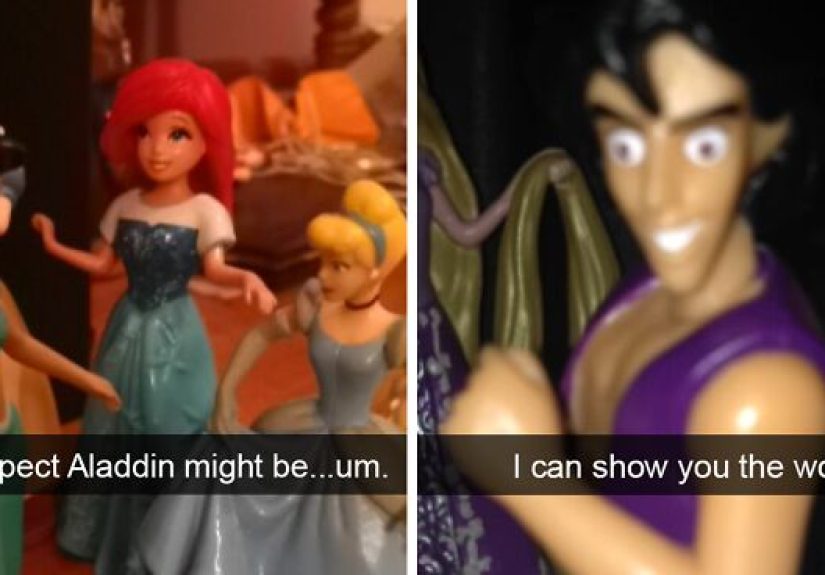
Her viral project, known as The Official Princess Club, turns Disney figurines into tiny comedians with big opinions. Using staged setups and caption-style dialogue, she transforms familiar princesses and princes into roommates, gossip machines, accidental weirdos, and lovable disasters. The result is a series of funny, surprisingly sharp visual stories that feel part toy photography, part sketch comedy, and part late-night group chat energy.
That blend is exactly why a roundup of 30 images from the project grabbed so much attention. These aren’t just random toy snapshots. They work because they take polished, iconic characters and drop them into aggressively ordinary situations: social awkwardness, household drama, passive-aggressive side comments, and the kind of absurd overthinking that usually belongs in a text thread, not a fairy tale. In other words, they’re funny because they’re relatable. Disney magic meets “who left this in the fridge?” and suddenly the princess universe feels very, very human.
The Story Behind the Disney Figurine Comedy Everyone Shared
Trierweiler, a Kansas City-based actor, director, and teaching artist, started the concept while she was in college. What began as a joke between friends grew into a recognizable online series. Early on, she staged figurines as if they were having conversations, added text in a casual social-media style, and posted the scenes to Tumblr in episodic form. She initially made only a handful of episodes for fun, but the response escalated quickly when people started sharing them at high speed.
That origin story matters because it explains why the humor feels so natural. The Official Princess Club wasn’t born in a branding meeting or a corporate content lab where someone said, “Let’s make Ariel more relatable to Gen Z.” It came from someone playing around with dolls, spotting strange facial expressions, and giving those expressions a comedic life of their own. That kind of humor tends to land because it starts with observation rather than strategy.
And yes, one of the recurring reasons people remember the project is the famous Aladdin figurine. If you know, you know. If you don’t, imagine a face sculpt that accidentally wandered into “chaotic sleep paralysis friend” territory. Trierweiler noticed the odd energy, turned it into a joke, and the internet did what the internet does best: it passed the joke around like contraband candy at a middle-school lunch table.
Why These Disney Figurine Scenes Work So Well
1. They Turn Perfect Characters Into Endearingly Messy People
Disney characters are usually presented at their most polished. They sing beautifully, dress impeccably, and somehow survive dramatic plot twists without getting the emotional equivalent of raccoon eyes. Trierweiler’s figurine scenes do the opposite. They imagine what happens after the movie ends, when the hair is flat, the patience is gone, and someone has to explain why there are six mugs in the sink.
That shift from idealized fantasy to low-stakes chaos is comedy gold. It gives viewers permission to laugh at characters they already know, while still feeling affection for them. The princesses are no longer distant symbols of grace; they’re roommates with opinions. The princes are no longer timeless heartthrobs; they’re the sort of guys who would absolutely say, “I’m not mad, I just think it’s interesting that no one replaced the toilet paper.”
2. The Miniature Format Makes the Humor Even Better
There is something inherently delightful about tiny things doing big emotional work. Miniatures invite people to lean in, pay attention, and mentally fill in the story. A small plastic figurine holding a pose can somehow suggest sarcasm, panic, jealousy, or overconfidence if the setup is right. That is the magic of toy photography and staged miniature storytelling: the viewer becomes a collaborator in the joke.
Experts who study cuteness and visual appeal often point out that people are naturally drawn to small, playful objects. Miniatures feel approachable. They can trigger warmth, curiosity, nostalgia, and even a sense of control. That helps explain why a funny Disney figurine scene is so shareable. It is familiar enough to be comforting, but strange enough to feel fresh. Your brain basically says, “I recognize Belle, but why does she seem like she’s about to start drama in the kitchen?”
3. They Feel Like Memes With Better Lighting
The best internet humor is fast, specific, and emotionally accurate. Trierweiler’s scenes hit that sweet spot. They have the pacing of a meme, the structure of a comic, and the visual charm of collectible photography. That combination makes them ideal for online culture, where attention spans are short but appreciation for sharp character jokes remains gloriously strong.
In a crowded digital landscape, people respond to work that feels instantly understandable. You do not need a deep lore document or a 14-part explainer video to enjoy a Disney figurine making a deeply cursed facial expression in a very petty situation. You see it, you get it, you laugh, and you send it to a friend with the sacred internet caption: “This is so you.”
The Bigger Trend: Toy Photography Isn’t Just a Niche Hobby Anymore
The success of The Official Princess Club also taps into a bigger cultural shift. Toy photography has grown into a recognized creative practice, not just a side hobby for collectors with good shelf organization. Artists use figures, dolls, and miniatures to tell stories, create moods, parody pop culture, and sometimes even explore serious ideas. What looks playful on the surface often involves careful staging, narrative instinct, and a surprisingly cinematic eye.
That is one reason Disney figurine humor resonates beyond simple fandom. The format already has built-in visual power. A toy photographer can create a full story with pose, angle, expression, and caption. In the case of Trierweiler’s work, the figurines become cast members in a low-budget sitcom set somewhere between a fairy-tale kingdom and a group rental with suspicious plumbing.
Social media helped push this medium into the mainstream. Online platforms reward visual storytelling, especially when it is clever and easy to share. Toy photography communities have grown because viewers enjoy the craft, but they also enjoy the personality behind it. In this case, the personality is unmistakable: witty, observant, a little chaotic, and fully aware that some official Disney figurines already look halfway to a punchline before the caption even arrives.
Why Disney Fans Love This Kind of Reinvention
Disney fandom has always had two sides. One side treasures nostalgia, beauty, and emotional connection. The other side loves remixing, joking, ranking, debating, and gently roasting the franchise out of love. Trierweiler’s work sits right in the middle of those instincts. It does not reject Disney magic; it playfully translates it into modern humor.
That balance is important. The scenes work because they come from familiarity, not contempt. You can tell the creator knows the characters well enough to bend them without breaking them. Ariel still feels like Ariel. Belle still feels like Belle. But now they also feel like women who have opinions about shared living arrangements, questionable romantic choices, and whether one guy in the house is bringing way too much chaotic energy to brunch.
For longtime fans, that is part of the pleasure. Collectibles are often displayed as sacred objects, but humor gives them a second life. A figurine stops being just merchandise and becomes a performer. A shelf object becomes a character again. And because Disney stories are so deeply woven into pop culture, even a quick visual gag can carry years of audience memory behind it.
What the “30 Pics” Phenomenon Says About Internet Humor
The phrase “30 pics” sounds simple, but it reflects a familiar online pattern: curation as entertainment. People love a gallery that promises bite-size laughs with a consistent premise. It is the digital equivalent of opening a bag of chips and accidentally finishing the whole thing because each piece is small and your judgment has already left the building.
In this case, the gallery format works because each image offers a new variation on the same comedic engine. The characters are recognizable. The setups are easy to read. The jokes escalate through personality clashes, visual weirdness, and little flashes of social truth. Viewers can jump in anywhere and still enjoy the ride.
That is also why this project has lasting appeal. It is not dependent on one trend cycle or one platform. Good character comedy tends to age well when the underlying observation remains true. Awkwardness is eternal. Petty energy is timeless. And no matter how many years pass, audiences will probably continue to appreciate the sight of a beloved fairy-tale character looking like they just overheard the worst possible conversation at the worst possible moment.
The Secret Ingredient Is Imagination, Not Budget
One of the most appealing parts of this story is how accessible it feels. The project did not require a movie studio, a giant production team, or some painfully serious “content strategy.” It required figurines, a funny idea, and the willingness to see personality where other people saw plastic. That is encouraging for anyone interested in visual storytelling, comedy writing, or creative hobbies in general.
Imagination often gets marketed like a premium lifestyle product, but this project is a reminder that creativity can be gloriously scrappy. Sometimes art begins with whatever is already sitting in your room. A figurine. A phone. A joke. A weird face sculpt. A passing thought that says, “You know what? These two characters would absolutely argue about this.” From there, a whole world can appear.
That is probably the deepest reason people keep responding to the Disney figurine series. Yes, the scenes are funny. Yes, the internet loves absurd miniature drama. But underneath the laughs is a simple, energizing truth: imagination is still one of the most entertaining things online when it is used well.
Final Thoughts
Woman Creates Hilarious Scenarios Using Disney Figurines And People Are Loving Her Imagination (30 Pics) is more than a catchy viral headline. It is a perfect example of what happens when fandom, toy photography, internet humor, and everyday observational comedy collide. Melissa Trierweiler’s work succeeds because it understands both the characters and the audience. It respects the source material just enough to keep it recognizable, then gleefully throws the whole thing into social chaos for our entertainment.
In a media world full of overproduced content trying very hard to be shareable, there is something refreshing about miniature storytelling that feels spontaneous, witty, and human. These Disney figurine scenes are funny because they are inventive, but also because they reveal a universal truth: put any group of iconic characters in one house long enough, and eventually somebody is going to start drama.
And honestly? We are lucky Melissa Trierweiler had the imagination to let that happen.
Extended Reflection: The Experience of Falling for Funny Disney Figurine Stories
There is a very specific joy in discovering a project like this for the first time. At first, you expect a quick laugh. Maybe you think you will scroll through a few pictures, smile politely, and move on with your day like a responsible adult with priorities. Then, without warning, you are ten images deep, emotionally invested in the energy of plastic royalty, and trying to explain to yourself why a three-inch-tall prince suddenly has the exact vibe of a guy who says, “No offense, but…” before saying something deeply offensive.
That experience says a lot about the power of miniature comedy. Funny Disney figurine scenes work because they invite viewers to bring their own memories into the joke. Most people already know these characters. They remember the songs, the romances, the outfits, the dramatic side-eye, the suspicious age gaps, the improbable animal friendships, and the impossible standards for hair volume. So when a creator places those familiar faces into hilariously normal situations, the effect is immediate. The audience does not need an introduction. They arrive preloaded with context.
There is also a strangely comforting quality to it. In a world that often feels loud, fast, and exhausting, small creative worlds can feel manageable. A funny toy scene has boundaries. The drama is contained. The problem is usually ridiculous. Nobody is asking you to solve society; they are asking you to enjoy a tiny staged moment in which a princess appears to be judging everyone in the room with the force of a thousand passive-aggressive brunches. That is healing in its own weird way.
For collectors, the experience can be even richer. Figurines are usually associated with display, preservation, and value. Seeing them repurposed for comedy adds movement to something static. It reminds people that collecting is not only about owning objects. It can also be about storytelling, humor, and reinterpretation. A figurine does not lose its charm when it becomes a joke. In many cases, it gains personality.
For creative people, projects like this are a quiet kick in the brain. They remind us that originality is often less about inventing something from absolutely nothing and more about seeing ordinary materials from a fresh angle. You do not need a giant studio setup to make people laugh. Sometimes you just need a toy, an eye for character, and the confidence to trust a silly idea long enough to stage it.
And for everyday viewers, the experience is wonderfully simple: it is fun. Not fake-fun. Not algorithmically optimized “fun” with a boardroom aftertaste. Actual fun. The kind that makes you send a screenshot to a friend and say, “Please tell me this is the funniest thing you’ve seen today.” That reaction is rare enough to matter. It is why these Disney figurine scenarios stick in people’s minds. They are creative, nostalgic, clever, and just unhinged enough to feel unforgettable.