Table of Contents >> Show >> Hide
- Why a Light Bulb Can Be Stylish at All
- What the World’s Most Stylish Light Bulb Actually Looks Like
- Beauty With Brains: Why LED Won the Style War
- The Secret Sauce: Stylish Bulbs Need Good Specs Too
- Where the Most Stylish Bulb Works Best
- Can a Smart Bulb Be Stylish Too?
- Common Mistakes That Make a Stylish Bulb Look Wrong
- So, Which Bulb Deserves the Crown?
- Experiences With the World’s Most Stylish Light Bulb
- Final Thoughts
Some home upgrades shout for attention. A velvet sofa does it. A marble island definitely does it. And then there is the humble light bulb, usually treated like the backup singer of interior design. That is a mistake. In the right fixture, the right bulb is not background noise at all. It is the jewelry, the mood setter, the final wink that makes a room feel finished.
So what is the world’s most stylish light bulb? Not the harsh white bulb that makes your living room feel like a dentist’s office. Not the cheap spiral that looks like it lost a fight with a paperclip. The title belongs, more often than not, to the decorative LED filament bulb: warm, sculptural, efficient, dimmable, and attractive enough to be seen rather than hidden. It has the vintage soul of an Edison bulb, the performance of modern LED technology, and the kind of visual charm that makes guests ask, “Wait, why does your lamp look so expensive?”
This article breaks down what makes a light bulb stylish, why certain shapes and finishes win the beauty contest, and how to choose the right one without turning your house into a moody cave or a suspiciously bright interrogation room.
Why a Light Bulb Can Be Stylish at All
Style is not only about furniture silhouettes and paint colors. Lighting changes how every material, texture, and finish appears. A warm bulb can make wood glow richer, brass look softer, and skin tones look healthier. A cold, overly blue bulb can make a beautifully decorated room feel like it is preparing for minor surgery. That is why designers obsess over lighting: it does not just illuminate the room, it edits the room.
A stylish light bulb earns its place in two ways. First, it looks good when the light is off. The shape, glass tint, filament pattern, and scale matter. Second, it looks even better when the light is on. The glow should feel flattering, intentional, and compatible with the room’s purpose. A bulb that looks gorgeous in daylight but casts a sad, flat beam at night is basically decorative betrayal.
In exposed fixtures, the bulb becomes part of the design language. That means the bulb’s silhouette has to work with the fixture, not argue with it. In a minimalist pendant, a globe bulb can feel elegant and architectural. In a vintage-inspired sconce, a warm filament bulb feels timeless. In a sleek bathroom vanity, the wrong bulb can ruin the entire setup faster than a towel on the floor.
What the World’s Most Stylish Light Bulb Actually Looks Like
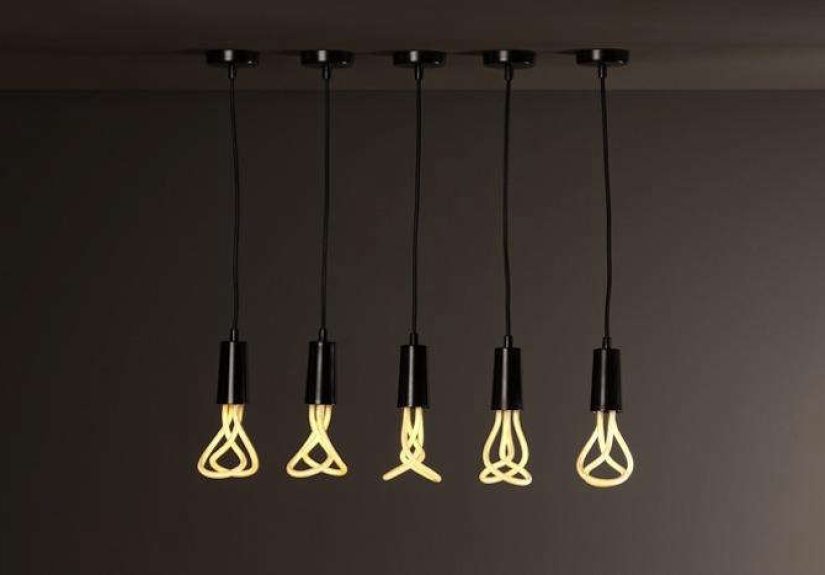
If one bulb style deserves the crown, it is the decorative LED filament bulb in a warm color temperature, especially in globe, tubular, or Edison-inspired shapes. Why this one? Because it bridges old-world charm and modern performance without asking you to pay an electric bill that feels emotionally aggressive.
1. The shape does half the flirting
Bulb shape is not a boring technical detail. It is the reason one lamp looks curated and another looks like it borrowed a bulb from the garage. A classic A19 bulb is versatile and familiar, but not always dramatic. A G25 globe bulb brings softness and symmetry, which makes it popular for vanity lights and open fixtures. An ST19 Edison-style bulb has a slightly elongated shape that feels nostalgic and tailored. Tubular bulbs look sleek and modern, especially in linear sconces and contemporary chandeliers. Candelabra bulbs bring elegance to chandeliers, wall sconces, and decorative fixtures that need a slimmer profile.
Think of bulb shape the way you think of shoes. Sneakers, loafers, and boots all serve a purpose, but you would not wear hiking boots with a tuxedo unless your evening plans were truly unusual. The same logic applies here.
2. Clear or tinted glass creates the mood
Clear glass decorative bulbs show off the filament and create sparkle. Amber or smoked glass softens the glow and leans moodier, often making the bulb itself feel more luxurious. If your fixture exposes the bulb completely, tinted glass can add richness even when the light is off. It is the lighting equivalent of choosing a drink in a coupe glass instead of a paper cup. Both technically work. Only one feels fabulous.
3. Visible filaments are the whole point
A stylish bulb needs an attractive internal structure. Spiral, looped, or linear filaments make decorative bulbs feel intentional rather than purely functional. This is why modern LED filament bulbs became so popular: they recreate that beautiful old-school filament look while avoiding the fragility and inefficiency of classic incandescent options.
4. Warm light wins in most homes
For style, the sweet spot is usually warm light. Bulbs around 2200K to 2700K tend to create the cozy, flattering glow people want in living rooms, bedrooms, dining areas, and decorative pendants. That range makes whites feel softer, wood tones feel richer, and nighttime spaces feel inviting instead of clinical. In plain English, it is the difference between “welcome in” and “please fill out this form.”
Beauty With Brains: Why LED Won the Style War
Here is the good news: the most stylish bulb no longer has to be the least practical. For years, decorative lighting lovers had to choose between beauty and efficiency. Traditional incandescent Edison bulbs looked fantastic but wasted energy, ran hot, and burned out sooner than anyone wanted. Modern LED filament bulbs changed the game.
Today’s LED bulbs can mimic the warm glow and visible filament look of vintage bulbs while using far less energy and lasting much longer. That means you can leave your beautiful pendant light on during dinner without secretly funding the electric company’s next office party. LEDs also come in a wider range of shapes, brightness levels, and finishes than ever before, which makes them ideal for design-conscious homeowners.
Another advantage is lower heat. This matters more than people think. A bulb that runs cooler is generally better for comfort, safer for many fixtures, and less likely to turn a small room into a toaster-adjacent experience. Add dimmable models, better color accuracy, and longer rated life, and the stylish LED bulb starts looking suspiciously overqualified.
The Secret Sauce: Stylish Bulbs Need Good Specs Too
Even the prettiest bulb should not be chosen by looks alone. Style without performance is just decorative disappointment. Here are the specs that separate a clever purchase from a pretty mistake.
Lumens matter more than watts
If you are still shopping by watts, it is time for a gentle lighting intervention. Watts measure energy use, not brightness. Lumens tell you how much light you actually get. A bulb can look delicate and decorative while still putting out enough light for real life. For exposed bulbs in pendants or sconces, lower lumens can work beautifully. For reading corners or task-heavy spaces, you will want more output or layered lighting.
CRI is the unsung hero
Color Rendering Index, or CRI, measures how accurately a bulb reveals colors. A bulb with higher CRI generally makes interiors, fabrics, finishes, food, and skin tones look better. A CRI of 80 or higher is a solid baseline for home lighting. If you are picky about paint colors, makeup, art, or how your charcuterie board photographs, higher CRI is a very good idea.
Dimming is a style feature
Dimming is not just practical. It is luxurious. A stylish light bulb should be able to go from useful brightness to dinner-party glow without flicker, buzzing, or weird drama. If your fixture is exposed, dimming becomes even more important because the bulb is visually dominant. Full brightness all the time can make a decorative bulb feel less romantic and more like it is trying to win a staring contest.
Where the Most Stylish Bulb Works Best
Living room
In the living room, exposed globe or Edison-style LED bulbs shine in open table lamps, arc lamps, and sculptural pendants. Warm white light helps the room feel comfortable and layered. If you have one overhead source and it feels flat, the bulb is only part of the problem. Add lamps at different heights and let decorative bulbs handle the ambience.
Dining room
This is where stylish bulbs earn their applause. A chandelier with exposed filament bulbs can look elegant, vintage, industrial, or modern depending on the fixture. In dining spaces, slightly lower brightness paired with dimming often looks far more upscale than blasting the table with stadium-level illumination. You want guests to admire the pasta, not examine it like evidence.
Bedroom
Bedrooms benefit from softer light and a gentler look. Bulbs with warm color temperature and decorative filaments add mood without feeling gloomy. If the fixture exposes the bulb directly, avoid overly bright or cool-toned bulbs. Nothing says “restful sanctuary” less than a lamp that behaves like a convenience store freezer aisle.
Bathroom
Bathrooms are trickier. Stylish bulbs can look beautiful in sconces and vanities, but function matters more here than in almost any other room. A globe bulb with decent brightness and strong color rendering is often a smart choice. Very amber bulbs may look gorgeous, but they are less helpful when shaving, doing skincare, or trying to figure out whether your shirt is navy or black.
Kitchen
Decorative bulbs can work well in pendants over an island, especially if the fixture leaves them visible. But kitchens still need layered lighting. Stylish bulbs are best treated as part of the design story rather than the only source of illumination. Let them handle charm while recessed or under-cabinet lighting handles the serious business of chopping onions without chaos.
Can a Smart Bulb Be Stylish Too?
Yes, but with conditions. Smart bulbs are fantastic for scenes, schedules, voice control, and fine-tuning brightness or color. They are especially useful in bedrooms, living rooms, and multipurpose spaces where one room needs to act like several different rooms throughout the day. Morning focus, evening calm, movie-night glow, dinner-party warmth one smart setup can handle all of that.
The challenge is appearance. Some smart bulbs look best hidden under shades or inside fixtures where their shape is not the star. Decorative filament-style smart bulbs are a better fit for exposed fixtures because they preserve the visual charm while still giving you modern control. In other words, a smart bulb can absolutely be stylish, but it should not look like a gadget that wandered into a dinner party uninvited.
Common Mistakes That Make a Stylish Bulb Look Wrong
- Choosing a bulb that is too cool: A beautiful fixture with a harsh cool bulb often feels instantly less expensive.
- Ignoring scale: Tiny bulbs in a large open fixture can look underdressed. Oversized bulbs in a delicate fixture can look cartoonish.
- Using decorative bulbs as the only light source: Pretty, yes. Practical, not always.
- Mixing styles carelessly: A super-vintage bulb in an ultra-modern fixture can work, but only when it feels intentional.
- Skipping dimmer compatibility: Nothing kills the mood like flicker, buzz, or lights that act haunted.
So, Which Bulb Deserves the Crown?
If we are handing out the sash for the world’s most stylish light bulb, the winner is the warm decorative LED filament bulb, especially in globe, Edison, or tubular form. It is visually appealing when exposed, flattering when lit, energy-conscious, and versatile enough to work across classic, industrial, minimalist, and modern interiors.
It also solves a real design problem. Most people spend time choosing a fixture and then throw in whatever bulb is nearby, which is a bit like buying a tailored suit and pairing it with novelty flip-flops. The bulb is not an afterthought. It is part of the composition. And once you see how much the right one changes a room, you will never go back to random bulb roulette again.
Experiences With the World’s Most Stylish Light Bulb
Living with a stylish light bulb is one of those upgrades that seems minor until you actually do it. Then suddenly you begin noticing lighting everywhere. You visit a restaurant and immediately clock the warm globe pendants. You walk into a hotel lobby and think, “Ah, tubular bulbs in smoked glass, nice choice.” You become, in the gentlest possible way, a bulb person.
One of the most common experiences people describe after switching to decorative LED filament bulbs is that the room feels more expensive without anything else changing. Same sofa. Same rug. Same coffee table with the one wobbly leg you keep pretending not to notice. But the room photographs better, feels calmer at night, and seems more intentionally decorated. It is a rare home improvement that delivers emotional drama without requiring a power drill or a second mortgage.
Another experience is discovering that bulb shape truly changes personality. A round globe bulb feels soft and polished. A long tubular bulb feels modern and gallery-like. A classic Edison silhouette feels nostalgic and a little theatrical, especially in a pendant over a dining table. People often think they are choosing between “light” and “light,” when really they are choosing between very different visual moods. The bulb is tiny architecture.
There is also the practical joy of not replacing bulbs constantly. Older decorative bulbs could be charming but needy. Modern LED versions are much more relaxed roommates. Once installed, they tend to stay useful for a long time, which means the stylish choice no longer comes with the penalty of frequent maintenance. That matters in hard-to-reach fixtures, tall foyers, or chandeliers designed by someone who apparently hates ladders.
Many homeowners also report a shift in how they use their rooms. With warmer, dimmable decorative lighting, the living room becomes a place to linger instead of just pass through. The dining area feels more intimate. Bedrooms feel less like multi-purpose storage units and more like retreats. Even a hallway can gain a little cinematic magic with the right exposed bulb. Lighting is not only visual. It changes behavior.
Then there is the learning curve, which is real but surprisingly fun. At first, you may buy a bulb that looks amazing online but arrives bigger than expected, like it has been training at the gym. Or you may choose an amber bulb so warm it turns your white walls into toasted marshmallow. That is part of the process. Stylish lighting is a little bit science, a little bit art, and a little bit trial and error. Fortunately, when you get it right, the payoff is immediate.
In the end, the experience of owning the world’s most stylish light bulb is less about a single object and more about what that object does to a space. It softens edges, flatters colors, adds personality, and makes ordinary evenings feel more intentional. It is a small detail with suspiciously large charisma. And honestly, that is the kind of overachiever every home deserves.