Table of Contents >> Show >> Hide
- Why Silver Finish Freestanding Bathtubs Work So Well
- 10 Easy Pieces
- 1. The Usk Bathtub
- 2. The Swale Bathtub with Ball & Claw Feet
- 3. Larimore Nickel-Plated Copper Double-Slipper Tub
- 4. Lonsdale Bath
- 5. Margaux Freestanding Oval Cast Iron Bathtub
- 6. Cheviot Balmoral Cast Iron Freestanding Bathtub
- 7. Kingston Brass Aqua Eden in Glossy White/Brushed Nickel
- 8. Signature Hardware Torben with Brushed Nickel Trim
- 9. Signature Hardware Audrey with Brushed Nickel Clawfoot
- 10. Barclay Bartlett Roll Top Tub Kit with Brushed Nickel Accessories
- How to Choose the Right Silver Finish Freestanding Bathtub
- Design Tips That Make the Look Feel Expensive
- The Experience of Living with a Silver Finish Freestanding Bathtub
- Conclusion
There are bathtubs, and then there are main-character bathtubs. A silver finish freestanding bathtub belongs firmly in the second category. It is glamorous without being gaudy, classic without feeling dusty, and just dramatic enough to make a bathroom look like it has opinions. In a world full of safe white rectangles, a silver tub says, “No thanks, I’d rather sparkle.”
What makes these tubs so appealing is their range. Some are mirror-like and polished, almost jewelry for the bathroom. Others come in softer brushed nickel or burnished metal finishes that feel quieter, moodier, and more tailored. Some go full vintage with ball-and-claw feet, while others look sleek enough to belong in a boutique hotel with expensive hand soap and suspiciously fluffy towels.
This roundup takes inspiration from real product families, showroom favorites, and design guidance from U.S. home publications and bath brands. The result is a practical, style-forward guide to silver finish freestanding bathtubs, with ten standout pieces that show how this look can swing traditional, transitional, or modern without losing its cool.
Why Silver Finish Freestanding Bathtubs Work So Well
A freestanding tub already acts like a focal point, so finish matters. Silver tones add light, reflection, and a sense of craftsmanship. Polished cast iron feels old-world and architectural. Brushed nickel softens the shine and pairs beautifully with marble, plaster, oak, and matte tile. Stainless and aluminum-inspired finishes read cleaner and more contemporary. In other words, silver is not one-note. It is a whole playlist.
Another reason this category works: it bridges eras. A silver slipper tub can look perfectly at home in a Victorian-style bathroom, but a white freestanding soaking tub with brushed nickel trim can feel crisp and current in a new build. That flexibility is gold. Well, silver.
And yes, there is a practical side. Many of today’s freestanding tubs are available in acrylic, cast iron, or solid-surface-inspired materials, so you can choose a look that matches your budget, floor structure, and heat-retention preferences. The key is knowing whether you want the silver finish to be the whole show or just the finishing detail.
10 Easy Pieces
1. The Usk Bathtub
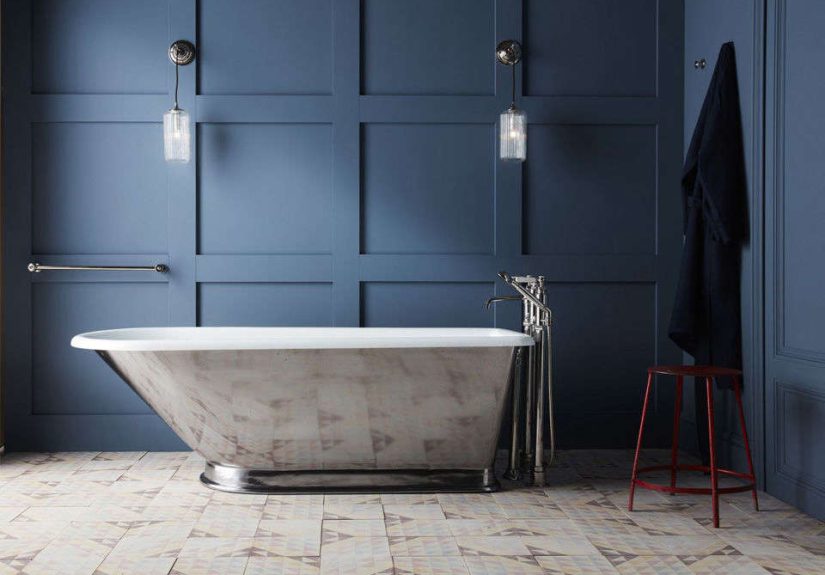
If your dream bathroom involves old-house romance, serious presence, and the kind of tub that looks like it has hosted excellent novels, The Usk Bathtub is the mood. This style is known for its polished cast-iron exterior, which gives it a cool silver sheen with subtle texture. That little bit of natural variation matters; it keeps the finish from looking factory-flat and gives the tub a more collected, heirloom feel.
This is the kind of piece that loves checkerboard floors, unlacquered brass, and moody wall paint. It is not trying to be minimal. It is trying to be unforgettable, and frankly, it succeeds.
2. The Swale Bathtub with Ball & Claw Feet
Some silver finish freestanding bathtubs whisper. This one arrives in opera gloves. The Swale Bathtub with Ball & Claw Feet leans into traditional styling, but the polished metal finish keeps it from feeling fussy. The feet add sculptural drama, and the bright silver exterior gives the whole silhouette a tailored edge.
It is especially effective in a bathroom that mixes old and new, such as classic wall tile with modern lighting, or a vintage dresser vanity paired with streamlined mirrors. If you want a clawfoot tub that feels less “grandma’s guest bath” and more “designer with very good taste,” this is the lane.
3. Larimore Nickel-Plated Copper Double-Slipper Tub
Here is where silver gets a little more layered. The Larimore Nickel-Plated Copper Double-Slipper Tub combines the warmth and character of copper with a nickel finish that shifts the look into a cooler, more refined register. The double-slipper form also makes it feel extra lounge-worthy, with both ends lifted for a more dramatic profile.
This is a smart pick for anyone who wants the personality of a metal tub without going full rustic or industrial. It feels luxe, slightly vintage, and just unusual enough to spark compliments from every guest who wanders into your bathroom and suddenly develops tub envy.
4. Lonsdale Bath
The Lonsdale Bath is a strong example of how silver finish freestanding bathtubs can nod to history while staying thoroughly usable today. Inspired by early-20th-century forms, it typically appears as a double-ended bath with nickel or chrome-style detailing that makes the whole piece feel refined rather than overly ornate.
Design-wise, this is a great bridge piece. It works in a traditional bath, of course, but it can also play nicely in a cleaner setting with plaster walls, a simple stool, and one really good linen curtain. It has backbone, but it is not bossy.
5. Margaux Freestanding Oval Cast Iron Bathtub
If you like your luxury understated but unmistakable, the Margaux Freestanding Oval Cast Iron Bathtub is the classic choice. Oval tubs are beloved for a reason: they soften a room, they age well stylistically, and they tend to flatter almost any bathroom layout that can accommodate a central soaking feature.
What gives this one its appeal is the silver-toned cast-iron exterior. Instead of looking flashy, it reads substantial and architectural. It pairs beautifully with polished nickel faucets, marble floors, or even darker finishes if you want contrast. Think less “bling,” more “quiet confidence in tub form.”
6. Cheviot Balmoral Cast Iron Freestanding Bathtub
The Cheviot Balmoral deserves attention because it represents a broad family of metallic freestanding tubs that can be specified in finishes such as brushed aluminum, polished aluminum, brushed stainless steel, or polished stainless steel. That makes it especially useful for homeowners who know they want a silver finish but have not decided which kind of silver they want.
Brushed versions feel softer and a bit more forgiving in busy family bathrooms. Polished versions are moodier and more glamorous. Either way, cast iron brings visual heft and excellent durability, which is why this type of tub often appeals to people who want a forever-home look rather than a trend-chasing one.
7. Kingston Brass Aqua Eden in Glossy White/Brushed Nickel
Not every silver finish story needs to be all-metal. The Kingston Brass Aqua Eden line shows how effective a white acrylic freestanding tub can be when it is finished with brushed nickel trim. The silver detail is cleaner and more restrained, but it still ties the tub beautifully into the rest of the bathroom hardware.
This approach makes sense for many homes. You get the airy, easy-to-style look of a white tub, but the brushed nickel drain and trim prevent it from feeling generic. It is a subtle move, yet a strong one, especially in transitional bathrooms where the goal is “elevated” rather than “look at me, I am a silver bathtub.”
8. Signature Hardware Torben with Brushed Nickel Trim
The Torben is a good example of the modern silver-adjacent freestanding soaking tub. Its oval form is approachable, its proportions are friendly, and the brushed nickel trim keeps the finish story cohesive without demanding an all-metal commitment. That balance makes it ideal for bathrooms where the tub needs to feel special but not theatrical.
Pair it with floor-mounted brushed nickel hardware, pale stone, and a wood stool, and you have instant spa energy. Pair it with graphic tile and dark walls, and it turns moodier. Versatility is the selling point here.
9. Signature Hardware Audrey with Brushed Nickel Clawfoot
If you love traditional silhouette but want the silver finish to show up in a more edited way, the Audrey offers an appealing compromise. The tub body stays classic and light, while the brushed nickel clawfoot detail brings the metallic note right where it counts. It is decorative, yes, but not overly decorated.
This is an easy recommendation for farmhouse, cottage, or period-inspired bathrooms that still want modern polish. The metallic feet catch the eye without overwhelming the room. They are like cufflinks for your bathtub: small detail, major upgrade.
10. Barclay Bartlett Roll Top Tub Kit with Brushed Nickel Accessories
The Barclay Bartlett approach is ideal for people who want the entire silver-finish moment coordinated from the start. Rather than thinking only about the tub, it considers the full ensemble: feet, drain, filler, and other accessories in brushed nickel. That matters because freestanding tubs rarely exist alone. Their surrounding hardware can either complete the look or sabotage it.
A roll-top tub with matching silver-toned accessories feels cohesive and intentional, especially in a bathroom that leans classic. It also makes shopping easier, which is a public service. Nothing tests the spirit like trying to match nickel tones across six product pages at midnight.
How to Choose the Right Silver Finish Freestanding Bathtub
Start with the finish temperature. Polished silver finishes bounce light and feel more glamorous. Brushed nickel finishes are softer, slightly warmer, and easier to blend with everyday fixtures. If you want a clean, modern bath, brushed nickel is usually the safest bet. If you want drama, go polished.
Next, think about material. Acrylic and acrylic-based tubs are often easier to move, install, and budget for. Cast iron tubs feel premium and hold heat well, but they are heavier and may require more planning. Metal-clad or plated tubs give you the statement look, while white tubs with silver trim offer a more practical way to achieve the same visual family.
Then consider placement. Freestanding tubs look best when they have breathing room. Cramming one too tightly into a layout defeats the point. In larger bathrooms, center placement makes the tub feel sculptural. In smaller rooms, placing the tub closer to one side can still work beautifully, as long as it feels intentional and leaves enough space for cleaning, entry, and faucet placement.
Finally, remember the supporting cast: floor-mounted tub fillers, drains, overflows, lighting, and nearby surfaces. A silver finish freestanding bathtub looks strongest when the rest of the room echoes it thoughtfully. You do not need everything to match perfectly, but the metals should at least seem like they have met before.
Design Tips That Make the Look Feel Expensive
Use contrast wisely. A silver bathtub against soft plaster, dark paint, veined stone, or natural wood creates the kind of visual tension designers love. Keep clutter low. These tubs are sculptural, so they benefit from open sightlines. Add one small stool, a folded towel, and maybe a candle if you must. Three hundred bath products lined up on the ledge will ruin the spell.
Texture helps too. Linen curtains, zellige tile, oak vanities, marble mosaics, and ribbed glass all make silver finishes feel richer. And if you are nervous about an all-metal tub reading too cold, bring in warmer elements nearby. Wood, cream walls, and soft textiles do a lot of emotional labor in a bathroom. Let them.
The Experience of Living with a Silver Finish Freestanding Bathtub
Owning a silver finish freestanding bathtub is a little different from owning a standard tub, and that is exactly the point. It changes the feeling of the room before you even turn on the water. A regular built-in tub says, “This is where bathing happens.” A silver freestanding tub says, “Welcome to the event.” Even on an ordinary Tuesday, it gives the bathroom a ceremony that flatters the entire space.
In daily use, the experience is partly visual and partly emotional. The reflective or softly brushed metal catches morning light in a way plain white surfaces do not. In the evening, under dimmer lighting, the same finish can feel almost candlelit even when there is not a candle in sight. That shifting quality is one reason these tubs stay interesting. They do not look identical all day long, and they do not ask the room to stay static either.
There is also something satisfying about the tactile contrast. A silver exterior can look crisp and architectural from across the room, while the interior soak still feels warm, cocooning, and comfortable. That tension between cool appearance and warm experience is part of the appeal. It is the bathroom version of a tailored coat lined in cashmere.
Practically speaking, these tubs tend to make people more intentional about the rest of the bathroom. Once the tub becomes a centerpiece, the surrounding choices matter more. You start noticing whether the faucet finish belongs, whether the stool is charming or just there, whether the bath mat looks serene or like it lost a fight with the laundry. The tub raises the standards of the room, and honestly, that is not a bad thing.
For guests, silver finish freestanding bathtubs are memorable. People comment on them. They ask where they came from. They suddenly become amateur design critics and say things like, “This looks so luxe,” which is code for “I now dislike my own bathroom.” For homeowners, that can be deeply entertaining.
There are smaller pleasures too. A brushed nickel detail on the overflow that matches the faucet exactly. The way claw feet look against mosaic tile. The moment when a polished exterior reflects nearby marble and makes the room feel bigger than it is. These are not life-changing events, but they are quality-of-life upgrades, and the home is built from those.
Most of all, living with this type of tub encourages slowness. Freestanding tubs, especially statement ones, are not really about speed. They invite soaking rather than rushing, lingering rather than checking the time every two minutes. A silver finish just heightens that ritual. It makes the bath feel less like a plumbing fixture and more like a destination. And in a home that is often full of noise, errands, notifications, and one million unglamorous tasks, that kind of destination has real value.
So yes, a silver finish freestanding bathtub is a style decision. But it is also an experience decision. It changes how the bathroom looks, how it functions, and how it feels to spend time there. If that sounds a little dramatic, good. The tub would approve.
Conclusion
The best silver finish freestanding bathtubs prove that bathroom design does not have to choose between elegance and personality. Whether you love polished cast iron, nickel-plated copper, brushed nickel trim, or clawfoot details in a softer silver tone, there is a version of this look that can suit your space. Some are grand and gleaming, others subtle and refined, but all of them bring a little more character to the daily soak.
If you are designing for timelessness, silver is a smart finish family to explore. It plays well with traditional architecture, modern minimalism, and everything in between. And when it appears on a freestanding tub, it does what every great design element should do: it makes the room feel more intentional, more memorable, and much more enjoyable to live with.