Table of Contents >> Show >> Hide
- What Makes a Pastry Taste Bakery-Quality?
- 17 Pastry Recipes That Belong in Your Personal Bakery Case
- 1. Classic Butter Croissants
- 2. Pain au Chocolat
- 3. Almond Croissants
- 4. Fruit-and-Cream Cheese Danishes
- 5. Berry Turnovers
- 6. Apple Galette
- 7. Palmiers
- 8. Cream Puffs
- 9. Éclairs
- 10. Mille-Feuille
- 11. Morning Buns
- 12. Sticky Buns
- 13. Rugelach
- 14. Bear Claws
- 15. Fruit Tartlets
- 16. Bakery-Style Scones
- 17. Hand Pies
- How to Make These Pastries Taste Even More Like They Came from a Bakery
- Final Thoughts
- My Experience Chasing Bakery-Style Pastries at Home
There are two kinds of people in this world: the ones who stroll into a bakery and calmly order one pastry, and the rest of us, who suddenly need a croissant, a Danish, an éclair, and something flaky “for later.” The good news is that bakery-style pastry is absolutely possible at home. The even better news is that you do not need a Parisian storefront, a tiny gold pastry box, or a dramatic scarf to pull it off.
The secret to making pastry taste bakery-worthy usually comes down to a few simple things: cold butter, patience, layers, and knowing when a shortcut is smart instead of shameful. Some pastries are worth the full from-scratch treatment. Others become weeknight miracles with good frozen puff pastry, a glossy egg wash, and the confidence to say, “Oh, these? Just something I baked.” Below are 17 pastry recipes worth adding to your home-baker rotation if you want that fresh-from-the-display-case energy without leaving your kitchen.
What Makes a Pastry Taste Bakery-Quality?
Before we get to the sweet stuff, let’s talk strategy. Bakery-style pastry is usually defined by contrast: crisp outside, tender inside, rich flavor, and just enough structure to hold its filling without collapsing into sugary rubble. That means butter should stay cold until baking, dough should rest when it starts acting dramatic, and fillings should be flavorful but not so wet that they sabotage your hard work.
Another pro move is choosing the right pastry for the job. Laminated dough gives you those shattering, honeycombed layers in croissants and Danishes. Choux pastry creates airy shells for cream puffs and éclairs. Pie-style dough shines in galettes and hand pies. And when life is busy, all-butter puff pastry is not cheating. It is called having excellent priorities.
17 Pastry Recipes That Belong in Your Personal Bakery Case
1. Classic Butter Croissants
If one pastry screams “real bakery,” it’s the croissant. The best homemade version is deeply buttery, crisp on the edges, and full of delicate interior layers. This is a weekend project, not a casual Tuesday hobby, but the payoff is glorious. Proof the shaped dough until it looks puffy and slightly jiggly, then bake until the outside turns a deep golden brown. Pale croissants taste like missed opportunities.
2. Pain au Chocolat
Think of this as the croissant’s extra charming cousin. Pain au chocolat uses the same laminated dough but wraps dark chocolate inside neat rectangular folds. It feels fancy, tastes luxurious, and somehow makes regular breakfast seem underdressed. The trick is using chocolate that holds its shape instead of turning into lava all over the pan. A crisp shell and molten center are the whole point here.
3. Almond Croissants
Almond croissants are one of the smartest pastries you can make because they turn day-old croissants into something even better. Split them, brush with syrup, fill with almond cream, add sliced almonds, and bake until the tops are crisp and fragrant. Suddenly, yesterday’s pastry becomes today’s star. It is thrifty, elegant, and dangerously easy to love with coffee.
4. Fruit-and-Cream Cheese Danishes
Danishes are the pastry equivalent of looking polished with very little effort. A flaky base, a tangy cream cheese layer, and a spoonful of fruit preserves already feel like something from a glass bakery case. Raspberry, blueberry, apricot, and cherry all work beautifully. Keep the filling centered and avoid overloading the pastry, because too much filling leads to the dreaded soggy-middle situation.
5. Berry Turnovers
Turnovers are perfect when you want maximum flaky drama with minimal fuss. Fold berry filling into pastry, seal well, cut steam vents, and bake until puffed and golden. They are portable, freezer-friendly, and ideal for brunch spreads. The best ones have a jammy center rather than a runny one, so cook or thicken the fruit filling before it goes into the dough. Nobody wants a berry flood.
6. Apple Galette
A galette is for bakers who like elegance but do not enjoy wrestling with pie plates. It is rustic by design, which means every uneven fold somehow looks intentional. Thinly sliced apples, a little sugar, warm spice, and a buttery crust create a dessert that feels both laid-back and impressive. Add a brush of cream or egg wash before baking and the crust will come out bronzed and glorious.
7. Palmiers
Palmiers are proof that pastry does not need to be complicated to feel special. Sugar gets rolled into puff pastry, the dough is folded into a signature heart-like shape, and the whole thing bakes into crisp, caramelized layers. These are ideal for beginners because they deliver that bakery crunch without requiring pastry-school nerves. They also disappear mysteriously fast, which is a compliment and a problem.
8. Cream Puffs
Good cream puffs are light, airy, and ready to be filled with whipped cream, pastry cream, or even ice cream if you are feeling bold. The shell comes from pâte à choux, which sounds intimidating until you realize it is basically a cooked dough that puffs in the oven through steam. Bake them thoroughly so the shells dry out properly; underbaked cream puffs collapse faster than a weak excuse.
9. Éclairs
Éclairs are cream puffs in a sleeker outfit. The elongated shape gives them that patisserie look, and the combination of crisp shell, silky filling, and glossy chocolate topping is hard to beat. Homemade éclairs feel wildly impressive on a serving platter, even though the magic is just good choux and patience. Chill them after filling so the texture settles into that creamy-but-structured sweet spot.
10. Mille-Feuille
Mille-feuille, often called a Napoleon in the United States, is a pastry for people who respect crunch. Crisp pastry layers sandwich pastry cream in a dessert that looks refined and tastes rich without being heavy. The key is baking the pastry flat and fully crisp so it can support the filling. If the layers are soft, you do not have mille-feuille. You have a flaky identity crisis.
11. Morning Buns
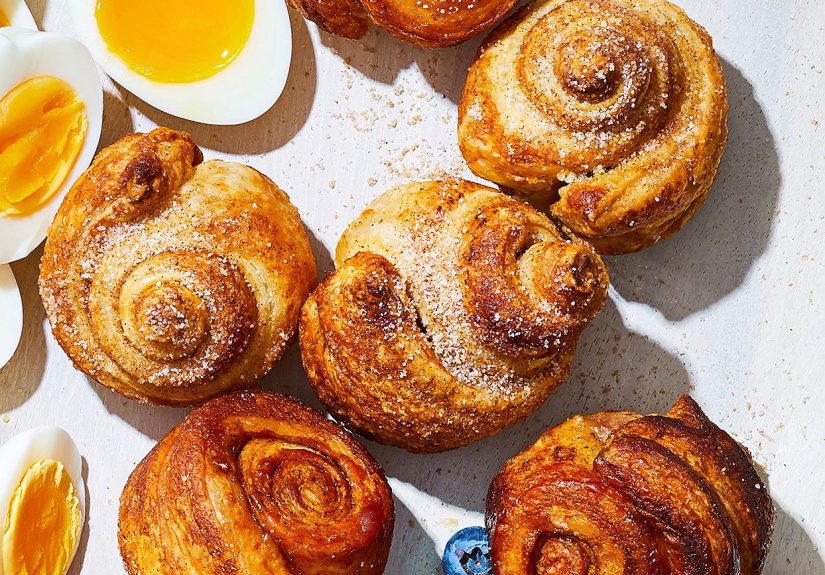
Morning buns deserve more attention. They bring together the flaky appeal of laminated dough with the cinnamon-citrus coziness of a breakfast roll. Think sticky edges, tender centers, and a sparkling sugar finish instead of a thick frosting blanket. Orange zest is especially great here because it brightens all that butter and spice. They taste like a bakery that charges too much, in the best way.
12. Sticky Buns
Sticky buns are messy, glorious, and built for anyone who believes breakfast should occasionally flirt with dessert. Soft dough, cinnamon filling, and a gooey caramel-nut topping make these feel like a celebration. The best version is tender rather than tough, which means not over-flouring the dough and not overbaking the buns. When inverted, they should look glossy enough to make people gasp a little.
13. Rugelach
Rugelach may be small, but they bring serious pastry charm. The dough is rich, often thanks to cream cheese, and the filling can include jam, cinnamon sugar, nuts, or chocolate. Rolled into little crescents, they bake into flaky, sweet bites that look wonderfully old-school. They are especially good for holiday trays, brunch tables, or moments when you want a pastry that feels homemade in the most comforting way.
14. Bear Claws
Bear claws combine flaky pastry with almond filling, which is already a strong life decision. Their signature shape makes them look bakery-professional, but they are more approachable than they appear, especially if you use puff pastry. A little glaze over the top and a shower of sliced almonds make them feel finished. Serve warm and they instantly become the pastry people remember from the whole table.
15. Fruit Tartlets
Fruit tartlets win the beauty contest every time. Crisp shells, creamy filling, and glossy fruit on top look polished enough for birthdays, showers, or that one brunch where everyone suddenly becomes a food photographer. The real secret is texture: the shell has to stay crisp, the filling should be smooth but not loose, and the fruit should look fresh instead of sliding around like it missed rehearsal.
16. Bakery-Style Scones
Yes, scones belong here. A great scone is tender, layered, lightly crumbly, and miles away from the dry hockey pucks some of us have suffered through. Blueberry-lemon, cranberry-orange, and chocolate chip all work well, but the real magic is handling the dough gently and keeping the butter cold. Chill the cut scones before baking and you will get better lift, better shape, and a much happier breakfast.
17. Hand Pies
Hand pies are humble, lovable, and secretly brilliant. They pack all the comfort of pie into a neat, portable form that feels charming rather than fussy. Apple, cherry, peach, and even savory fillings are fair game. Crimp the edges well, let the filling cool before assembly, and do not skip the sugar on top. That sweet crunch is what pushes them from “cute” into “where did you buy these?” territory.
How to Make These Pastries Taste Even More Like They Came from a Bakery
If you want your pastries to fool people in the most flattering way possible, pay attention to finish. Egg wash gives laminated dough that shiny, golden exterior. A little coarse sugar adds sparkle and crunch. Fully preheating the oven matters more than people think, because pastry needs that initial heat to puff before the butter escapes. And when a recipe says chill the dough, that is not a polite suggestion. That is the entire flaky future of your pastry talking.
Also, use fillings with contrast. Bright fruit wakes up rich pastry. A pinch of salt keeps sweetness from feeling flat. Citrus zest cuts through butter beautifully. Texture matters too: toasted almonds, coarse sugar, streusel, or a simple glaze can take a pastry from “very nice” to “bakery window worthy.” In other words, the final flourish is not extra. It is the attitude.
Final Thoughts
The beauty of homemade pastry is that it can be both ambitious and practical. Some recipes, like croissants and éclairs, invite you to slow down and enjoy the process. Others, like Danishes, palmiers, and turnovers, let you fake impressive results with strategic brilliance. Either way, the goal is the same: rich flavor, flaky texture, and that unmistakable fresh-baked smell that makes everyone wander into the kitchen asking suspiciously casual questions.
If you start with one recipe from this list, make it the one that suits your mood. Feeling bold? Go croissants. Want instant charm? Make Danishes or palmiers. Need comfort? Sticky buns or hand pies will absolutely show up for you. Because once you realize bakery-style pastry is possible at home, the only real danger is becoming the person who says things like, “I just laminated some dough this weekend,” and means it.
My Experience Chasing Bakery-Style Pastries at Home
The first time I tried to make bakery-style pastry at home, I was wildly overconfident. I had butter, flour, an apron, and the kind of optimism usually seen right before something goes terribly wrong on a baking show. I thought flaky pastry was mostly about following directions and not doing anything obviously ridiculous. Then my butter got too warm, my dough stuck to the counter, and my beautiful vision of a bakery tray became a very emotional pile of uneven layers. It still tasted good, which was both comforting and annoyingly encouraging.
That is really how the pastry obsession begins. One decent batch is all it takes. You notice that even the “imperfect” pastries disappear fast. Someone reaches for a second turnover. Someone else asks whether the Danishes are homemade in a tone that suggests mild disbelief. Suddenly, you are no longer baking just for dessert. You are baking for the moment when the kitchen smells like butter and sugar and victory.
What surprised me most was how much pastry improved once I stopped rushing it. Resting dough sounded unnecessary until I learned that chilled dough rolls better, holds its shape better, and behaves like it actually wants to be there. Keeping butter cold felt fussy until I watched the difference in the oven: cleaner layers, sharper edges, better rise. Tiny details that seem boring on paper are exactly what make a pastry taste like it came from somewhere with pretty boxes and expensive coffee.
I also learned that bakery-style does not always mean difficult. Some of the pastries that impressed people the most were not the hardest ones. Palmiers made with good puff pastry vanished within minutes. A simple apple galette looked rustic and charming enough that nobody cared it was basically the low-stress cousin of pie. Even cream cheese Danishes made with a shortcut dough got the kind of reaction usually reserved for desserts requiring much more therapy.
Over time, the experience became less about perfection and more about rhythm. Flour the counter. Roll the dough. Chill the tray. Brush the egg wash. Try not to eat all the filling with a spoon. There is something satisfying about repeating those motions and seeing the results improve a little each time. You start to recognize when dough is too warm, when a filling is too loose, when a pastry is done by color instead of panic. That is when home baking starts to feel less like guessing and more like craft.
The best part, though, is sharing the result. Bakery pastries feel special because they are wrapped up in ritual: morning coffee, weekend brunch, holidays, celebrations, lazy Sundays, accidental Tuesday triumphs. Making them at home adds another layer to that experience. The pastry is not just delicious; it is also yours. Messy counter, flour on your shirt, trays rotating in the oven, and all. And honestly, that might be even better than buying one from a bakery, because now the story comes baked in too.