Table of Contents >> Show >> Hide
- Quick Jump
- Before You Pick a Railing: 5 Smart Checks
- The 18 Creative Deck Railing Ideas
- 1) The “Cocktail Rail” Topper (a.k.a. built-in ledge)
- 2) Black Balusters + Warm Wood (the “modern classic”)
- 3) Cable Railing for a Clean, Open View
- 4) Glass Panels for Wind Control + High-End Style
- 5) Horizontal Wood Slats (privacy that still feels light)
- 6) Horizontal Metal Rods (mid-century, but outdoors)
- 7) Hog Wire Panels (rustic-modern and surprisingly refined)
- 8) Geometric Lattice (a fresh take on a classic)
- 9) Built-In Bench as Railing (seating + perimeter, together at last)
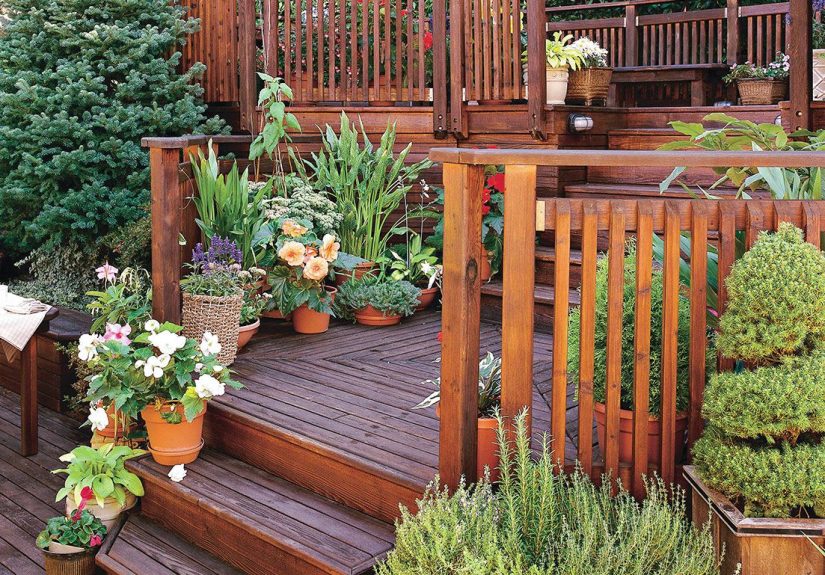
- 10) Planter-Box Railings (instant charm, zero additional yard work required)
- 11) Privacy Screens Where You Need Them (not everywhere)
- 12) Two-Tone Railing (simple move, big payoff)
- 13) Curved or Angled Sections (when your deck shape deserves attention)
- 14) Decorative Cutout Panels (privacy with personality)
- 15) Rope Infill (coastal, casual, and surprisingly charming)
- 16) Reclaimed-Wood Details (instant character)
- 17) Built-In Lighting on Posts or Under the Rail
- 18) Mixed Materials (the “designer’s shortcut”)
- Material Cheat Sheet
- Maintenance Tips That Actually Help
- Extra: Real-World Railing Experiences
- Wrap-Up
Deck railings do two big jobs at once: they keep everyone safely on the “deck” side of the deck, and they set the style tone like a great frame around a favorite photo. (Or like eyebrowssmall detail, shockingly big impact.) If your outdoor space feels a little dated, a railing refresh can deliver a serious “new deck” vibe without the full demolition drama.
Below are 18 creative deck railing ideasmodern, classic, cozy, and a few that are sneakily practical (hello, built-in seating and planter rails). You’ll also get quick tips on safety, maintenance, and how to pick a look that fits your home instead of fighting it.
Before You Pick a Railing: 5 Smart Checks
A great railing isn’t just “pretty.” It needs to fit your lifestyle, your view, your weather, and (yes) your local building requirements. Five quick checks will save you from the classic mistake of choosing something gorgeous that you quietly hate by the end of the first pollen season.
1) Safety + code basics (start here)
Guard and stair rules vary by location, so treat online inspiration like a mood boardnot a permit. Confirm minimum height, opening limits, and any special requirements for stairs or elevated decks before you buy materials.
2) View goals
Are you protecting a mountain view, a lake view, or… your neighbor’s inflatable unicorn collection? Cable and glass emphasize scenery; slatted screens and lattice add privacy. Pick the “view priority” first, then choose the style.
3) Who uses the deck?
Kids, pets, and frequent guests usually benefit from sturdy, easy-to-grip top rails and infill that doesn’t invite climbing. If your deck is the neighborhood hangout, think “comfortable edges” and fewer snag points for sleeves, leashes, and party string lights.
4) Weather reality
Hot sun, salty air, heavy rain, freeze/thawyour climate should veto some options immediately. Wood can be beautiful, but it demands maintenance. Powder-coated metal and quality composites usually win for low-fuss durability.
5) Your cleaning personality
Be honest. If “maintenance plan” sounds like a fantasy novel you’ll never finish, lean into materials that clean up easily and don’t require regular sealing, staining, or painting.
The 18 Creative Deck Railing Ideas
1) The “Cocktail Rail” Topper (a.k.a. built-in ledge)
Add a wide, flat cap rail that doubles as a snack-and-drink runway. It’s subtle, it looks custom, and it’s wildly useful for coffee mugs, small planters, or the one friend who always needs a place to set their phone.
- Try this: Match the cap to your deck boards for a seamless, intentional look.
- Best for: Entertainers and small decks where every surface matters.
2) Black Balusters + Warm Wood (the “modern classic”)
Pair stained or natural wood posts and rails with matte-black metal balusters. The contrast feels updated without going ultra-modern, and it plays nicely with brick, stone, or traditional siding.
- Try this: Choose a stain with warm undertones to keep the look inviting, not harsh.
- Best for: Transitional homes and “I want it current, not trendy” energy.
3) Cable Railing for a Clean, Open View
Cable railing is the go-to for preserving sightlines. It reads sleek and architectural, especially with simple posts and a crisp top rail. It’s a favorite for decks overlooking water, woods, or skyline.
- Try this: Use dark posts for a “disappearing” effect against the view.
- Heads-up: Cables may need periodic tension checks so everything stays neat and safe.
4) Glass Panels for Wind Control + High-End Style
Glass railing keeps things airy while blocking wind better than most open infills. It’s a smart pick for elevated decks where you want the view but also want your napkin to stop auditioning for a flying career.
- Try this: Combine glass with slim metal posts for a modern, minimal frame.
- Best for: Scenic decks, rooftop terraces, and windy locations.
5) Horizontal Wood Slats (privacy that still feels light)
Horizontal slats create a contemporary look and can increase privacy, especially on decks close to neighbors. Keep spacing consistent for a clean “designed” finish, not a “leftover lumber” vibe.
- Try this: Use a darker stain for drama or a pale tone for a breezy coastal feel.
- Best for: Urban yards, townhomes, and “please don’t make eye contact with the next deck” situations.
6) Horizontal Metal Rods (mid-century, but outdoors)
Metal rods give a similar effect to cable but can feel more substantial and graphic. It’s a great match for mid-century or modern homes, especially when paired with a wood top rail to add warmth.
- Try this: Pick a bronze or black finish for a slightly softer look than shiny steel.
- Best for: Modern architecture and clean-lined decks.
7) Hog Wire Panels (rustic-modern and surprisingly refined)
Hog wire (welded wire panels) started in agricultural spaces, but it’s now a popular residential lookespecially when framed in wood. It feels casual, modern, and a little farmhouse without being overly cute.
- Try this: Frame panels with stained wood and keep the top rail simple.
- Best for: Farmhouse, cabin, and “I want texture, not frills” styling.
8) Geometric Lattice (a fresh take on a classic)
Traditional lattice can feel datedunless you upgrade the pattern. Think repeating squares, rectangles, or modern grids that echo your home’s lines. You get privacy plus visual interest without fully closing things in.
- Try this: Paint the lattice and frame the same color for a modern, cohesive block.
- Best for: Cottage and traditional homes that need a “less fussy” update.
9) Built-In Bench as Railing (seating + perimeter, together at last)
A bench along the edge can act like a railing alternative in certain designs, creating a relaxed hangout zone that feels integrated. It’s cozy, space-savvy, and perfect for decks that host long conversations.
- Try this: Add a comfortable backrest detail or a wide top cap behind the bench for drinks.
- Best for: Gathering decks and families who need more seating than chairs can provide.
10) Planter-Box Railings (instant charm, zero additional yard work required)
Add planter boxes along the railing to bring color and texture right to the perimeter. It’s a big visual upgrade that can make a basic deck feel like a designed outdoor roomespecially with herbs, trailing vines, or seasonal flowers.
- Try this: Repeat the same planter style at equal intervals for a polished look.
- Best for: Anyone craving greenery without building a full garden bed.
11) Privacy Screens Where You Need Them (not everywhere)
You don’t have to turn the whole deck into a fortress. Use partial privacy panels strategicallyaround seating, hot tubs, or dining areasso the deck stays open while your “relax face” stays private.
- Try this: Slatted wood screens or decorative metal panels for a modern look.
- Best for: Decks with one “exposed” side and one scenic side.
12) Two-Tone Railing (simple move, big payoff)
Paint posts and rails one color and use a different tone for infill or cap rails. This can highlight architecture, echo your home’s trim, or make the railing feel intentionally designed rather than “default setting.”
- Try this: White posts + natural wood cap for a crisp, upscale look.
- Best for: Farmhouse, coastal, and classic exteriors.
13) Curved or Angled Sections (when your deck shape deserves attention)
If your deck has a curve, a bay, or a funky angle, lean in. A railing that follows the geometry precisely looks custom and high-endand it can make the entire structure feel more intentional.
- Try this: Use flexible or panelized systems designed for curves, and keep details minimal.
- Best for: Multi-level decks and standout layouts.
14) Decorative Cutout Panels (privacy with personality)
Laser-cut or patterned panels add a designer touch while still letting light through. Choose geometric patterns for modern homes or organic motifs for boho and desert-inspired spaces.
- Try this: Use panels only on the sides facing neighbors for targeted privacy.
- Best for: Style-forward decks that want a signature detail.
15) Rope Infill (coastal, casual, and surprisingly charming)
Rope railings give beach-house energy even if your “ocean view” is technically a kiddie pool. It’s a decorative option that pairs well with natural wood and nautical lighting.
- Try this: Keep rope taut and pair with sturdy posts for a clean look.
- Best for: Coastal cottages and relaxed backyard retreats.
16) Reclaimed-Wood Details (instant character)
Reclaimed wood adds warmth and texture that new lumber can’t fake. Use it as a top rail, post wrap, or accent panelespecially if your home already has rustic or vintage elements.
- Try this: Combine reclaimed wood with simple black metal infill to keep it modern.
- Best for: Cabins, craftsman homes, and “I like my design with stories” people.
17) Built-In Lighting on Posts or Under the Rail
Integrated lighting upgrades safety and ambiance in one shot. Post-cap lights guide foot traffic, while under-rail lighting gives a soft glow that feels like a boutique hotel patiowithout the boutique hotel bill.
- Try this: Add lighting on stairs and landings first (highest impact for visibility).
- Best for: Nighttime entertainers and anyone tired of using phone flashlights as décor.
18) Mixed Materials (the “designer’s shortcut”)
Combine two materialswood + metal, metal + glass, composite + cableto get the best of each. Mixed-material railings can feel more elevated because they look curated, not cookie-cutter.
- Try this: Keep one element consistent (like black posts) and vary only the infill.
- Best for: Anyone who wants a custom look without custom confusion.
Material Cheat Sheet
Not sure what to pick? Here’s a reality-based snapshot of what you’re signing up forvisually, financially, and in the “how often will I be cleaning this?” department.
| Material | Look & Feel | Maintenance | Great For | Watch Out For |
|---|---|---|---|---|
| Wood | Warm, classic, stainable | Higher (sealing/staining/painting) | Traditional, cottage, craftsman | Weathering, splinters, regular upkeep |
| Composite/PVC | Wood-like, consistent finish | Low to moderate (cleaning) | Low-fuss homes, busy families | Heat buildup in sun; choose quality for best longevity |
| Aluminum/Metal | Sleek, clean lines, modern | Low (wash as needed) | Modern, transitional, coastal | Scratches; choose durable coatings |
| Cable | Minimal, view-forward | Moderate (tension checks, occasional cleaning) | Scenic decks and contemporary styles | Code details vary; keep lines tight and compliant |
| Glass | High-end, airy, wind-blocking | Moderate (cleaning fingerprints/pollen) | Rooftops, views, windy spots | Smudges; plan for easy access to clean |
Maintenance Tips That Actually Help
- Match your climate: Coastal air loves to test metal finishes. Wet climates challenge wood coatings. Pick accordingly.
- Design for cleaning: The more little ledges and ornate grooves, the more “bonus chores” you inherit.
- Think seasonal: Planter rails need drainage and occasional refresh. Glass looks amazinguntil pollen season says hello.
- Keep it cohesive: A railing that matches your home’s trim or window frames looks intentional even if the deck itself is simple.
If you only do one thing: choose a style you’ll still love when it’s wet, dusty, sun-faded, and hosting a family reunion. That’s the real design test.
Extra: Real-World Railing Experiences
I’ve learned that the best deck railing ideas don’t start with a pretty photothey start with how you actually live outside. One of the biggest “aha” moments is realizing that railings are a hands-on feature. People lean on them, set things on them, bump into them, and judge them silently when the sun hits at the wrong angle. So the most successful updates are the ones that look good while also behaving well during real life: kids racing around, guests arriving with drinks, and the occasional gust of wind that turns napkins into tiny parachutes.
The first time you sit on a deck with a wide cap rail, you understand why it’s such a popular upgrade. It feels like the deck suddenly gained a convenient “countertop,” which is especially helpful when you don’t want to add bulky furniture. That small ledge becomes a staging area for everythingiced tea, appetizers, citronella candles, and little planters that make the deck feel more like a room. It’s one of those details you don’t notice in photos, but you miss immediately when it’s gone.
Cable and glass railings teach another practical lesson: the view is emotional. When you can see the yard, the trees, or the sky without visual clutter, the whole deck feels larger and calmer. But “low-visual” systems come with their own realities. Cable can require occasional tightening to keep lines crisp, and glass can demand cleaning at the exact moment you were hoping to do literally anything else. The payoff is worth it if your view is a big part of why you use the deck, but it helps to choose these styles with eyes openand maybe keep a dedicated squeegee like a responsible adult.
On the opposite end, privacy-focused railings are a lifesaver when your outdoor space is close to neighbors. The best approach I’ve seen is targeted privacy: screens only where you sit, dine, or soak. This keeps your deck from feeling boxed in while still creating a comfortable zone. A smart trick is pairing partial screens with greeneryplanter boxes, tall pots, or climbing plantsso the boundary feels softer and more intentional. It’s also easier to update seasonally. A few plant swaps can make the deck feel new again without touching the railing structure.
The most overlooked “experience” detail is touch temperature. Metal railings can feel chilly early in the season; dark colors can heat up in strong sun; wood feels pleasant but can get rough if it’s neglected. This is why mixed materials are such a win: you can keep the structure durable and low-maintenance while adding a warm wood top rail where hands naturally land. That combo looks designer because it is designerit’s choosing materials based on how they perform in different roles, not just how they look.
Lighting deserves its own shout-out, because it changes how often you use your deck. Adding subtle post-cap lights or under-rail lighting doesn’t just look nice; it extends your deck’s “operating hours.” Suddenly the space feels welcoming after dinner, and stairs feel safer without blasting the yard with harsh floodlights. The best lighting updates feel integrated, not tacked onlike the deck always meant to glow that way.
Finally, if you’re trying to decide between “timeless” and “fun,” remember you can do both. Keep the main railing structure classic and experiment with accents: a two-tone finish, planters, decorative panels in one section, or a bold color on the posts. This gives you a deck that still fits your home, but it also has personalitybecause outdoor spaces should feel like places you actually want to be, not just places you’re technically allowed to stand.
Sources consulted (no links; remove if not needed): Better Homes & Gardens; HGTV; This Old House; Family Handyman; The Spruce; Architectural Digest; Decks.com; Trex; TimberTech; Fiberon; RDI Railing; local U.S. municipal deck/guard guidance documents.