Table of Contents >> Show >> Hide
- Before You Pick a Look: What “Modern” Actually Means in a Shower
- 20 Modern Shower Ideas (High Style, Real-Life Practical)
- 1) Go Frameless (or as close as possible)
- 2) Curbless Entry for a Seamless Floor
- 3) Add a Linear Drain (and Make the Floor Look Like One Big Tile Moment)
- 4) Try the Wet Room Look (Shower + Room = One Big Waterproof Zone)
- 5) Use One “Hero” Tile Wall and Keep the Rest Calm
- 6) Go Large-Format Tile to Reduce Grout Lines
- 7) Consider Porcelain Slabs for a “Hotel Bathroom” Finish
- 8) Microcement or Tadelakt-Inspired Plaster for Soft Minimalism
- 9) Choose a Simple, Architectural Shower Head Setup
- 10) Do a Rain Head + Handheld Combo (Yes, Both)
- 11) Add a Built-In Bench (Floating if You Want Extra Modern Points)
- 12) Build a Proper Shower Niche (or Two)
- 13) Light the Niche (Soft LED = Instant Luxury)
- 14) Install a Half-Height Glass Panel Instead of a Full Door
- 15) Use Fluted (Reeded) Glass for Privacy Without Blocking Light
- 16) Bring in Natural Light (Window, Clerestory, or Skylight)
- 17) Do “Tone-on-Tone” with Tile and Grout
- 18) Embrace a Modern Glass Block Wall (Yes, It’s Back)
- 19) Pick One Metal Finish and Commit
- 20) Upgrade to Digital/Smart Shower Controls (Modern Convenience, Real Talk)
- How to Choose the Right Modern Shower Idea for Your Space
- Modern Design Mistakes to Avoid (So Your Shower Doesn’t Become a Regret Spa)
- Real-World Experiences: What People Learn After Living with a Modern Shower (About )
- Conclusion
A modern shower can do a lot of heavy lifting. It can make a tiny bathroom feel bigger, turn a basic builder-grade setup into a spa moment, andlet’s be honestmake you feel like a functional adult who has their life together (even if you’re eating cereal for dinner). The best part? “Modern” doesn’t mean “cold” or “expensive.” It usually means cleaner lines, smarter layouts, fewer visual interruptions, and materials that look intentional instead of accidental.
Below are 20 modern shower design ideas you can mix and match. Some are full-renovation energy (hello, wet rooms). Others are small upgrades with big payoff (a better showerhead can be an emotional support purchase). Wherever you’re starting, there’s a modern move for you.
Before You Pick a Look: What “Modern” Actually Means in a Shower
Modern shower design is basically a three-part handshake: (1) a clean, uncluttered visual, (2) materials that feel cohesive, and (3) features that make daily use easierstorage, lighting, water control, accessibility, and maintenance. If your shower looks great but requires a toothbrush to clean every grout line… congrats on your new part-time job.
20 Modern Shower Ideas (High Style, Real-Life Practical)
1) Go Frameless (or as close as possible)
Frameless glass is the classic “modern” cheat code: fewer lines, more light, and the room feels instantly larger. It also lets your tile do the talkingbecause if you paid for that tile, it should at least get some attention.
If true frameless is out of budget, look for minimal hardware and thin profiles. The goal is “barely there,” not “aquarium exhibit.”
2) Curbless Entry for a Seamless Floor
A curbless (zero-threshold) shower creates that smooth, continuous flow that screams modern. It’s also a smart accessibility upgrade: easier entry now, future-friendly later.
Key detail: the floor must be properly sloped to the drain and fully waterproofed. Done right, it’s sleek. Done wrong, it’s “why is my vanity floating?”
3) Add a Linear Drain (and Make the Floor Look Like One Big Tile Moment)
Linear drains feel modern because they’re long, clean, and low-visual-noise. They also make certain layouts easierespecially curbless showers because you can slope the floor in a single direction instead of “tilt everything toward a tiny circle.”
Bonus: tile-in drain covers can help the drain visually disappear, which is very on-brand for modern design.
4) Try the Wet Room Look (Shower + Room = One Big Waterproof Zone)
Wet rooms are the modern power move: the shower is not a separate boxed-in unit, it’s part of the room. This can make small bathrooms feel larger and spa-like, especially with a simple glass panel instead of a full enclosure.
Plan for strong ventilation and smart water containment. Modern doesn’t mean “the toilet is also getting rinsed.”
5) Use One “Hero” Tile Wall and Keep the Rest Calm
Modern bathrooms often balance bold and simple. Pick one statement wallmaybe a textured ceramic, a geometric pattern, or a color-block moment and keep the other surfaces quieter. That keeps the space feeling curated, not chaotic.
The trick is restraint: one star performer, not a full cast of competing headliners.
6) Go Large-Format Tile to Reduce Grout Lines
Large-format tile (think bigger rectangles or panels) reads modern because it’s clean and uninterrupted. It’s also easier to maintain because fewer grout lines = fewer places for soap scum to form a tiny civilization.
Pair it with a matching grout color for an even more seamless look.
7) Consider Porcelain Slabs for a “Hotel Bathroom” Finish
Porcelain panels/slabs can mimic marble, concrete, or stone with fewer seams. This is peak modern luxury: smooth, continuous surfaces that look expensive and feel intentional.
Installation matters herethis is not a “my cousin can do it” situation. But the result can be breathtaking.
8) Microcement or Tadelakt-Inspired Plaster for Soft Minimalism
If you love the calm, matte, slightly cloudy look of modern European bathrooms, microcement or a plaster-like finish can deliver that vibe. It’s minimal without being sterilelike a peaceful cave, but with better lighting and fewer bats.
Make sure the system is designed for wet areas and installed by someone who understands waterproofing. Pretty finishes should not come with surprise leaks.
9) Choose a Simple, Architectural Shower Head Setup
Modern showers often look “designed” because the fixtures line up cleanly: a ceiling-mounted rain head, a handheld on a simple slide bar, and controls placed where your arm can reach without doing yoga.
Keep the arrangement symmetrical or intentionally aligned for that crisp, built-in feel.
10) Do a Rain Head + Handheld Combo (Yes, Both)
The rain head is your spa moment. The handheld is your practical best friendrinsing hair, cleaning the shower, bathing kids, washing the dog who definitely “doesn’t like water” (sure).
Modern design is about function that looks good. This combo is the poster child.
11) Add a Built-In Bench (Floating if You Want Extra Modern Points)
A bench makes the shower feel custom and spa-like, and it’s genuinely useful: shaving, relaxing, or just placing products like you’re staging a photoshoot. A “floating” bench (visually lighter) reads especially modern.
Use a material that won’t turn into a slip hazard. Texture matters when water is involved.
12) Build a Proper Shower Niche (or Two)
A recessed niche is modern because it eliminates clutter. No hanging caddies, no shampoo bottles teetering like they’re auditioning for a circus act.
Place it where water spray is lower if possible, and consider multiple compartments so tall bottles don’t fight with bar soap for space.
13) Light the Niche (Soft LED = Instant Luxury)
LED-lit niches feel high-end and modern, and they’re surprisingly practical: you can actually see what you’re grabbing without squinting mid-shampoo. It’s a small detail that makes the shower feel intentional.
Choose warm, diffused light for a spa vibe instead of “operating room chic.”
14) Install a Half-Height Glass Panel Instead of a Full Door
In many layouts, a single fixed glass panel gives you the openness of a walk-in shower while still controlling splash. It’s modern, airy, and often easier to clean than hinged doors with lots of seals.
Pair with a slightly longer shower zone and thoughtful drain placement to keep water where it belongs.
15) Use Fluted (Reeded) Glass for Privacy Without Blocking Light
Fluted glass adds texture and privacy while still letting light pass throughperfect for bathrooms where you want openness but not a full “glass box” feeling. It’s modern with a hint of vintage, which is a very current design sweet spot.
It also hides water spots a bit better than crystal-clear glass. Your future self may write you a thank-you note.
16) Bring in Natural Light (Window, Clerestory, or Skylight)
Modern bathrooms love daylight. A well-placed window can make tile look richer, finishes feel warmer, and the whole shower area feel less like a cave. High windows (clerestory) are great for privacy.
Use appropriate glazing and plan your layout so the window doesn’t become the splash zone’s main target.
17) Do “Tone-on-Tone” with Tile and Grout
One of the easiest modern looks is a monochromatic palette: white tile with white grout, gray tile with gray grout, beige tile with beige grout. It’s calm, cohesive, and visually expands the space.
Want interest without chaos? Add textureribbed tile, subtle stone look, or a gentle patternwhile keeping the color family consistent.
18) Embrace a Modern Glass Block Wall (Yes, It’s Back)
Glass block is having a well-deserved comeback when used thoughtfully: clean layouts, minimal framing, and paired with modern materials like concrete-look tile or warm wood tones. It gives privacy and diffused light with a sculptural feel.
Keep the geometry simple so it feels architectural, not “1992 mall bathroom.”
19) Pick One Metal Finish and Commit
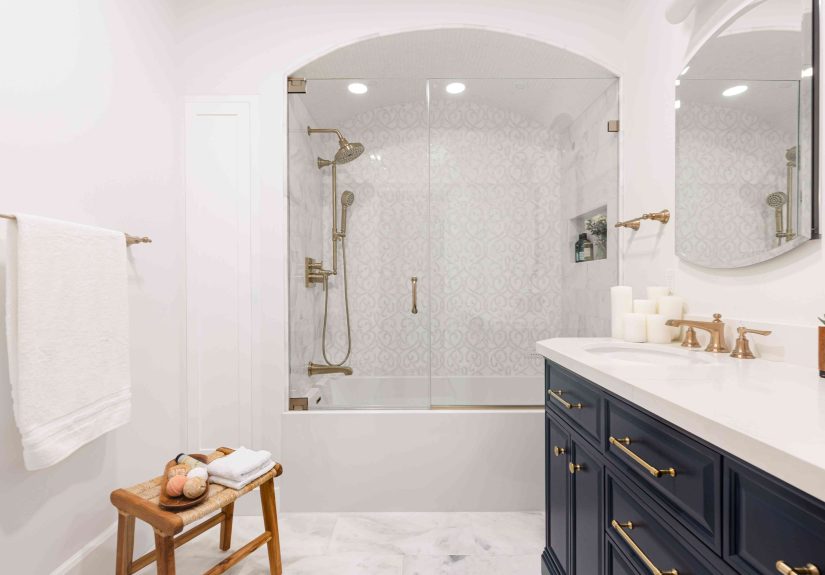
Modern showers look best when the hardware feels deliberate. Choose one finish (matte black, brushed nickel, polished chrome, champagne bronze) and keep it consistent across showerhead, controls, drain cover, and accessories.
If you love mixing metals, do it with intention: one dominant finish, one accent. Otherwise it can look like your fixtures were adopted from different homes.
20) Upgrade to Digital/Smart Shower Controls (Modern Convenience, Real Talk)
Digital controls can dial in temperature, manage multiple outlets, and sometimes let you pre-set routines. It’s modern in the most literal way: your shower becomes a system, not a mystery.
Practical note: smart features shine when your household has different temperature preferences. No more “Who used all the hot water and why do you hate me?”
How to Choose the Right Modern Shower Idea for Your Space
You don’t need all 20 ideas. In fact, you shouldn’t. Modern design works best when it’s edited. Use these filters:
- Bathroom size: Small spaces benefit from clear glass, tone-on-tone tile, and smart storage (niches, shelves).
- Cleaning tolerance: If you hate scrubbing, prioritize large-format tile, fewer seams, and easy-to-wipe finishes.
- Budget reality: Fixtures, lighting, and glass upgrades can create a modern look without moving plumbing.
- Accessibility: Curbless entry, a bench, and thoughtful control placement can be modern and life-friendly.
- Light: If the room is dark, choose reflective finishes, lighter tile, and glass that doesn’t block daylight.
Modern Design Mistakes to Avoid (So Your Shower Doesn’t Become a Regret Spa)
- Underestimating water containment: Open showers need smart layout, slope, and drain planning.
- Choosing “pretty but fussy” materials: Delicate finishes in high-splash zones can be high-maintenance.
- Forgetting storage: A modern shower with zero storage becomes a cluttered shower by Tuesday.
- Bad lighting: Overhead-only lighting can make the shower feel flat (and make shaving terrifying).
- Ignoring ventilation: Moisture needs an exit plan. Modern bathrooms stay fresh because airflow is part of the design.
Real-World Experiences: What People Learn After Living with a Modern Shower (About )
Modern shower photos are beautiful, but real bathrooms have real habitskids who treat the shower like a water park, partners who “accidentally” leave bottles everywhere, and that one friend who somehow uses three towels for a five-minute rinse. Homeowners who live with modern showers tend to share the same practical lessons, and they’re worth stealing before you finalize your plan.
First: water behaves like it has free will. People love the look of open walk-in showers, but the happiest setups usually include a fixed glass panel, thoughtful drain placement, and a layout that keeps the spray zone away from the door opening. A slightly longer shower footprint often makes more difference than fancy upgrades because it gives water more room to fall where it’s supposed to. This is also why curbless showers get rave reviews when the slope and waterproofing are handled correctlywhen they’re not, owners learn the hard way that “seamless” should never mean “unguarded.”
Second: cleaning preferences should drive design choices. Many people start with a dream tile, then realize they’ve chosen a grout-heavy pattern that demands constant upkeep. Homeowners who value low maintenance often end up loving large-format tiles, tone-on-tone grout, and simpler wall layouts. They also appreciate finishes that don’t broadcast every fingerprint and water spot. Clear glass looks stunning, but it can become a daily reminder that water contains minerals and your life contains busy mornings. That’s why some people fall in love with lightly textured glass or fluted panelsmodern, bright, and a bit more forgiving.
Third: storage is not optional. The most common “I wish we had…” is a properly planned niche (or two). People quickly discover that a single small niche can’t hold the reality of modern haircare routines. A taller niche for bottles plus a smaller shelf for soap and razors is often a better experience than one big cubby that becomes a messy product parking lot. Lighting inside the niche is one of those upgrades owners didn’t know they wanteduntil they had it. Then it becomes a “why doesn’t every shower do this?” feature.
Fourth: comfort wins long-term. A bench sounds like a luxury until you use it. Owners mention it for shaving, for relaxing, for helping kids, and for the occasional “I’m just going to sit here and rethink my life choices” moment. Similarly, the rain head + handheld combo is consistently praised because it balances spa vibes with practical use. People also learn to think about water pressure and plumbing realitiesespecially when adding multiple outlets like body sprays. The best experiences come from planning the system, not just picking the prettiest trim.
Finally: modern doesn’t have to be sterile. The showers people love most mix clean lines with warmthsoft neutrals, natural textures, wood tones, or stone-look surfaces that feel calm instead of clinical. The takeaway is simple: choose a few modern “moves,” then make the space livable. A shower you enjoy every day beats a shower that looks perfect only when nobody uses it.
Conclusion
Modern shower design is less about chasing a single trend and more about creating a space that feels open, intentional, and easy to live with. If you want the biggest impact, start with the fundamentals: clean sightlines (glass and layout), smart water management (slope, drains, waterproofing), and daily-use features (storage, lighting, comfortable controls). Pick a cohesive palette, simplify the visual noise, and let one or two materials be the star. Your bathroom will look modernand it’ll work like it, too.