Table of Contents >> Show >> Hide
- Why Spice Organization Matters More Than People Admit
- 20 Spice Rack Ideas for Better Organization
- 1. Use a shallow drawer with labels facing up
- 2. Add a tiered shelf inside a cabinet
- 3. Organize spices alphabetically
- 4. Group spices by cooking style
- 5. Install a rack on the inside of a cabinet door
- 6. Use an over-the-door pantry organizer
- 7. Try a lazy Susan for deep shelves or corner cabinets
- 8. Create a narrow pull-out spice cabinet
- 9. Use magnetic spice tins on the fridge or a metal board
- 10. Mount floating shelves on an empty wall
- 11. Use a pegboard for flexible storage
- 12. Store spices in matching jars
- 13. Label the lids, not just the fronts
- 14. Repurpose picture ledges or baby book racks
- 15. Build a hidden spice rack behind art or a panel
- 16. Use countertop racks only for your most-used jars
- 17. Divide spices by zone
- 18. Use baskets or bins for packet seasonings and refills
- 19. Add a second storage layer for backstock
- 20. Choose a renter-friendly freestanding unit
- How to Choose the Right Spice Rack for Your Kitchen
- Conclusion
- Extra Experiences and Real-Life Lessons From Organizing a Spice Collection
- SEO Tags
If your spice collection currently looks like a tiny glass rebellion in the back of a cabinet, you are not alone. Most kitchens start with good intentions: one jar of paprika, one jar of cumin, maybe a sensible little cinnamon situation. Then somehow you end up with three garlic powders, a mystery blend from 2021, and a bottle of cloves that has seen things. The good news is that getting organized does not require a celebrity-sized pantry or a home renovation budget that makes your wallet file a complaint.
The best spice rack ideas are the ones that make cooking easier, reduce clutter, and stop you from buying smoked paprika for the fourth time because you could not find the other three. A smart system helps you see what you have, reach it quickly, and store it in a way that protects flavor. Whether you cook every night, meal-prep on Sundays, or just want your kitchen to stop feeling like a scavenger hunt, the right setup can make a big difference.
Below are 20 spice rack ideas for better organization, from renter-friendly fixes to built-in upgrades. Some are simple, some are stylish, and some are delightfully sneaky. All of them can help turn your kitchen into a calmer, more functional place to cook.
Why Spice Organization Matters More Than People Admit
A well-organized spice area does more than look pretty in photos. It saves time during cooking, prevents duplicate purchases, and helps you use spices while they still have good flavor. It also reduces cabinet chaos, which is one of the fastest ways to make a kitchen feel smaller than it really is. When your spices are visible and grouped in a way that makes sense, dinner gets easier and your kitchen starts acting like a helpful assistant instead of a confusing roommate.
One important rule before you pick a storage style: spices generally do best in a cool, dry, dark spot. So yes, storing them directly above a steamy stove may be convenient, but it is also a quick way to age them faster. Organization works best when access and storage conditions meet somewhere in the middle.
20 Spice Rack Ideas for Better Organization
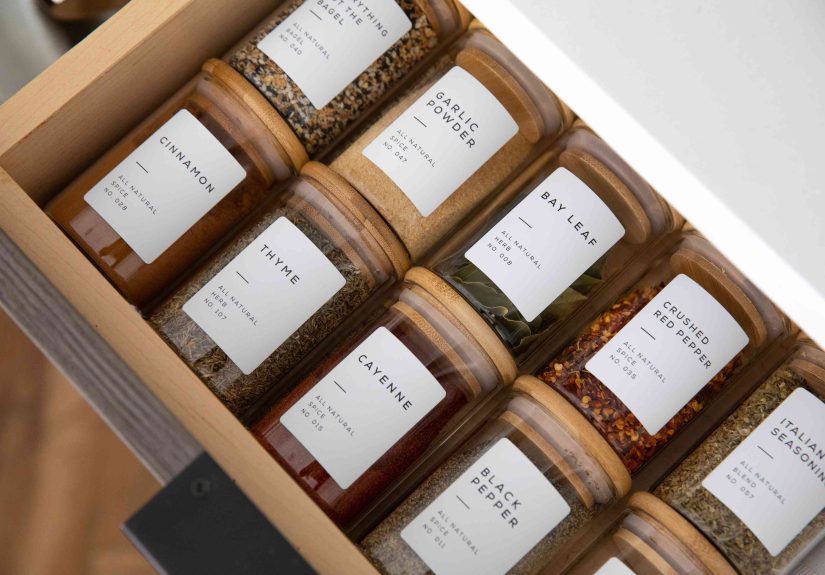
1. Use a shallow drawer with labels facing up
This is one of the smartest spice rack ideas for better organization because it solves the “what is even back there?” problem instantly. A shallow drawer lets you lay jars flat or at a slight angle, so every label is visible at a glance. It is clean, efficient, and oddly satisfying. If you have a drawer near your prep area, this setup is a winner.
2. Add a tiered shelf inside a cabinet
Tiered risers turn a basic cabinet shelf into stadium seating for your spices. Instead of hiding smaller jars behind taller ones, the levels let you see everything at once. This is perfect for people who want a fast upgrade without installing anything major. It is also a great option if your cabinet space is decent but your patience is not.
3. Organize spices alphabetically
Alphabetical order may sound a little intense, but it works beautifully if you have a large collection. No guessing, no rummaging, no muttering “where are the red pepper flakes?” while your onions burn. This method is especially effective in drawers, on shelves, or in door racks where labels are fully visible.
4. Group spices by cooking style
If you cook by instinct rather than by the alphabet, organize by use. Put baking spices together, grilling blends together, everyday savory staples together, and internationally inspired seasonings in their own category. This system makes a lot of sense for home cooks who think in flavors, not letters. Cinnamon does not need to live next to curry powder just because the alphabet says so.
5. Install a rack on the inside of a cabinet door
The inside of a cabinet door is prime real estate that is often wasted. A slim rack mounted there can hold a surprising number of jars without taking up shelf or counter space. This idea is especially useful in smaller kitchens where every square inch needs to earn its keep.
6. Use an over-the-door pantry organizer
If your pantry door has clearance, add a narrow over-the-door organizer for spices. This gives you vertical storage, easy access, and a lot more space than you might expect. It is ideal for larger collections or households that keep both everyday spices and backup refills.
7. Try a lazy Susan for deep shelves or corner cabinets
Deep pantry shelves are notorious for swallowing spice jars whole. A lazy Susan fixes that by bringing the back row to you with a simple spin. It is especially useful in corner cabinets where items tend to disappear into the void like socks in a dryer.
8. Create a narrow pull-out spice cabinet
If you are planning a remodel or upgrading cabinetry, a slim pull-out rack next to the stove or prep zone is a beautiful solution. These vertical pull-outs keep spices tidy, visible, and close at hand. They look custom because, well, they usually are. Fancy, but practical fancy.
9. Use magnetic spice tins on the fridge or a metal board
Magnetic tins are a clever choice for tiny kitchens, apartments, or anyone who enjoys storage with a little personality. You can place them on the side of the refrigerator or on a mounted metal panel. This method keeps frequently used spices visible and frees up cabinet space at the same time.
10. Mount floating shelves on an empty wall
If you have blank wall space, floating shelves can become a stylish spice station. This option works well for people who want storage that doubles as decor. Uniform jars help the look feel intentional instead of chaotic. Think “modern kitchen charm,” not “seasoning avalanche waiting to happen.”
11. Use a pegboard for flexible storage
A pegboard gives you room to customize your spice setup as your needs change. Add shelves, hooks, or small baskets to hold jars and tools. It is especially good in compact kitchens, pantries, or utility walls where flexibility matters more than formality.
12. Store spices in matching jars
Uniform containers are not just for people who alphabetize their tea bags for fun. Matching jars maximize space, create visual calm, and make labels easier to read. They also help weirdly shaped store-bought bottles stop playing cabinet Tetris every time you open the door.
13. Label the lids, not just the fronts
If your spices live in a drawer, label the tops of the jars. If they live on a shelf, label the fronts. If they move between both because your kitchen has trust issues, label both. Clear labels make any storage system faster to use, and that is the whole point.
14. Repurpose picture ledges or baby book racks
Some of the best spice storage ideas come from items that were never meant for cumin in the first place. Narrow picture ledges and children’s bookshelves can make excellent wall-mounted spice racks. They are affordable, simple, and surprisingly attractive when styled well.
15. Build a hidden spice rack behind art or a panel
Want your kitchen to feel a little clever? A hidden spice rack behind a hinged frame, art panel, or shallow cabinet door adds storage without visual clutter. It is a fun solution for awkward niches, small walls, or anyone who enjoys the idea of a secret spice compartment more than is probably necessary.
16. Use countertop racks only for your most-used jars
Countertop spice racks can work, but they are best when edited. Do not put your entire spice biography on the counter. Keep only everyday essentials there, like salt, pepper, garlic powder, paprika, or your go-to blend, and store the rest elsewhere. This keeps the counter useful instead of crowded.
17. Divide spices by zone
Not every spice has to live in the same place. Keep everyday cooking spices near the prep area, baking spices near baking supplies, and grill rubs or specialty blends in the pantry. This zoning approach works beautifully in busy kitchens and helps reduce traffic jams around one overcrowded shelf.
18. Use baskets or bins for packet seasonings and refills
Most spice systems fall apart because of the extras: taco seasoning packets, gravy mixes, refill pouches, random seasoning envelopes from who-knows-where. Give these their own small bin or divider so they do not sabotage your beautiful jar system like tiny chaos goblins.
19. Add a second storage layer for backstock
If you buy refills or warehouse-size containers, keep daily-use spices in the main rack and store backups in a separate bin. Your active spice zone should be easy to use, not overloaded. Think of it as your front-of-house kitchen setup, while the backup bin is the warehouse in the back.
20. Choose a renter-friendly freestanding unit
If you cannot drill into walls or alter cabinets, a freestanding spice shelf or expandable rack is your best friend. It is easy to move, easy to clean, and perfect for renters or frequent rearrangers. No power tools, no damage, no dramatic relationship with drywall.
How to Choose the Right Spice Rack for Your Kitchen
Not every organization method fits every kitchen, so choose based on layout, habits, and the size of your collection.
- Small kitchen: Use door racks, magnetic tins, pegboards, or a drawer insert.
- Large spice collection: Go for drawers, over-the-door pantry storage, or a pull-out cabinet.
- Renter-friendly setup: Choose freestanding racks, lazy Susans, or removable storage solutions.
- Design-focused kitchen: Try matching jars on floating shelves or a hidden rack.
- Fastest everyday access: Keep frequently used spices near the prep area, but not in direct heat or steam.
Also, do a quick edit before organizing. Toss stale spices, combine duplicates, and wipe down shelves or drawers. There is no point in building an elegant storage system for jars that smell like cardboard and regret.
Conclusion
The best spice rack ideas for better organization are not about perfection. They are about making your kitchen easier to use. A good system helps you find what you need, use what you already own, and cook with less mess and frustration. Whether that means a sleek drawer insert, a simple tiered shelf, a magnetic wall, or a hidden rack behind a cabinet panel, the goal is the same: less clutter, more function, and fewer moments of yelling “I know I bought oregano.”
Start with one area, choose the storage style that fits your space, and keep the system realistic. The most beautiful spice setup in the world is useless if it is too annoying to maintain. Practical wins. Always.
Extra Experiences and Real-Life Lessons From Organizing a Spice Collection
One of the most relatable experiences with spice organization is realizing that the mess usually builds slowly. Nobody wakes up and says, “Today I shall create a wildly confusing cumin ecosystem.” It happens over time. A new spice blend for tacos. A holiday baking jar of nutmeg. A second paprika because the first one vanished behind the soy sauce. Then one day you open the cabinet and it sounds like maracas.
In real kitchens, the first big lesson is that visibility changes behavior. When people can actually see their spices, they cook with them more often. That means fewer duplicates, better use of what is already in the pantry, and less waste overall. A drawer setup with labels facing up tends to feel especially easy because your eyes can scan the whole collection in one motion. It is the kitchen equivalent of finally cleaning your glasses and wondering how you survived before.
The second lesson is that convenience beats perfection. Many people begin with the dream of an ultra-styled spice wall worthy of a magazine cover, but the systems that last are usually the ones that are quickest to maintain. If putting every jar back into a very specific decorative lineup feels like parking a cruise ship, that system may not survive a busy weeknight. A simple tiered shelf, a lazy Susan, or a cabinet door rack often wins because it is fast and forgiving.
Another common experience is discovering that location matters just as much as the rack itself. A beautiful spice organizer loses points quickly if it is too far from where prep actually happens. On the other hand, storing spices too close to heat and steam can shorten their useful life. The sweet spot is usually near the prep zone, pantry, or a nearby drawer where jars stay visible without being blasted by kitchen weather.
People also learn that categories reduce mental clutter. Grouping everyday spices, baking spices, and spice blends into mini zones makes cooking smoother because your brain stops searching every shelf for one item. This sounds small, but in the middle of dinner prep, tiny improvements feel glorious. Few things are more humbling than realizing you spent three minutes hunting for chili powder while your skillet politely tried to become smoke.
Finally, there is the emotional side of organization: a tidy spice area makes the whole kitchen feel more under control. It is a small win, but a real one. When jars are labeled, shelves are not overcrowded, and every spice has a home, cooking feels less chaotic. You reach for what you need faster, your counters stay clearer, and your cabinet no longer threatens to launch coriander at your forehead. That is not just organization. That is kitchen peace.