Table of Contents >> Show >> Hide
- Why This Cherry Pie Recipe Works
- Recipe Overview
- Ingredients
- How to Make Cherry Pie with a Lattice Crust
- How to Know Your Cherry Pie Is Done
- Fresh vs. Frozen Cherries
- Tips for the Best Lattice Cherry Pie
- Serving Ideas
- Storage and Make-Ahead Tips
- Common Mistakes to Avoid
- Why This Recipe Belongs in Your Baking Rotation
- Kitchen Experiences: What Baking Cherry Pie with a Lattice Crust Really Teaches You
- Conclusion
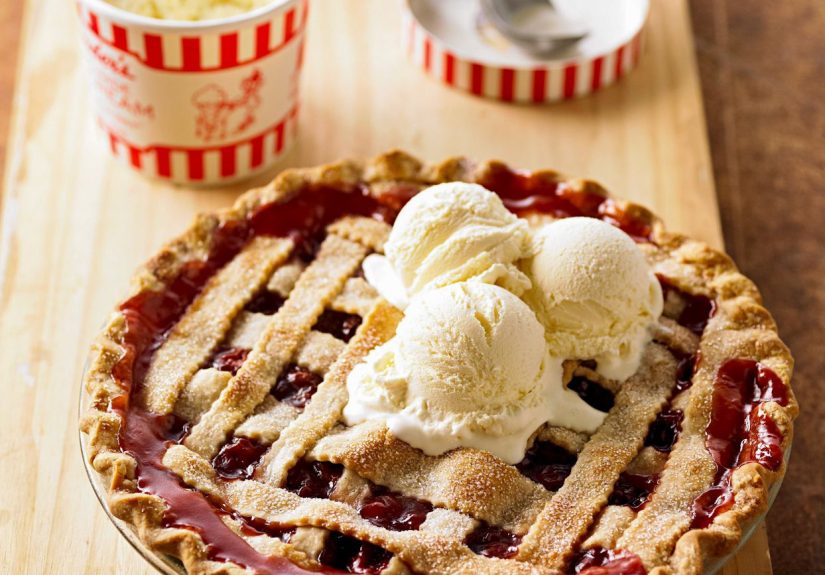
There are desserts that politely wait their turn, and then there is homemade cherry pie. It arrives at the table looking shiny, golden, and just a little dramatic, like it knows it is the main character. A cherry pie with a lattice crust has everything people want from a classic American dessert: flaky pastry, a bright fruit filling, that gorgeous woven top, and the kind of aroma that makes neighbors suddenly “just happen” to stop by.
This recipe is built for home bakers who want a pie that tastes old-fashioned in the best possible way, but still behaves nicely when sliced. In other words, no sad red soup running across the plate. You will get a thick, glossy cherry filling, a buttery crust, and a lattice top that looks bakery-worthy without requiring a degree in pastry architecture. If you can fold paper, you can make a lattice. If you can resist cutting the pie too early, you are already halfway to greatness.
Why This Cherry Pie Recipe Works
A great cherry pie with a lattice crust is all about balance. Cherries are naturally juicy, which is wonderful for flavor and slightly rude for structure. The trick is using enough thickener to make the filling sliceable without turning it gummy. A little lemon juice wakes up the fruit, a touch of almond extract deepens the cherry flavor, and a cold dough gives you the flaky layers every homemade pie deserves.
The lattice top is not just there to show off. It lets steam escape as the pie bakes, which helps the filling bubble and thicken while the crust browns beautifully. So yes, it is decorative. But it is also practical. Beauty and function in one dessert? Very efficient.
Recipe Overview
- Recipe: Cherry Pie with a Lattice Crust
- Yield: 1 nine-inch pie, about 8 slices
- Prep Time: 45 minutes
- Chill Time: 2 hours
- Bake Time: 55 to 65 minutes
- Rest Time: 4 hours
Ingredients
For the Pie Dough
- 2 1/2 cups all-purpose flour
- 1 tablespoon granulated sugar
- 1 teaspoon kosher salt
- 1 cup unsalted butter, very cold and cut into cubes
- 6 to 8 tablespoons ice water
For the Cherry Pie Filling
- 6 cups pitted cherries, fresh or frozen
- 3/4 cup granulated sugar
- 1/4 cup cornstarch
- 1 tablespoon fresh lemon juice
- 1 teaspoon vanilla extract
- 1/4 teaspoon almond extract
- 1/4 teaspoon fine salt
- 1 tablespoon unsalted butter, cut into small pieces
For Finishing
- 1 large egg
- 1 tablespoon water
- 1 tablespoon coarse sugar or turbinado sugar
How to Make Cherry Pie with a Lattice Crust
Step 1: Make the Dough
In a large bowl, whisk together the flour, sugar, and salt. Add the cold butter and cut it into the flour with a pastry cutter or your fingertips until the mixture looks shaggy, with some pea-size bits of butter still visible. That is not a mistake. Those little butter pieces are what help create a flaky pie crust.
Drizzle in 6 tablespoons of ice water and mix gently. Add more water, 1 tablespoon at a time, only until the dough starts to hold together when squeezed. Divide the dough into two disks, one slightly larger than the other. Wrap both tightly and refrigerate for at least 2 hours.
Step 2: Prepare the Cherries
If you are using fresh cherries, pit them and halve any especially large ones. If you are using frozen cherries, thaw them first and drain off excess liquid. In a large bowl, toss the cherries with sugar, cornstarch, lemon juice, vanilla, almond extract, and salt. Let the mixture sit for 10 minutes so the fruit can release some juices and the sugar can start dissolving.
This is where the future filling begins to look serious. The mixture should appear glossy and lightly syrupy, not dry and dusty. Dot the butter over the top just before filling the pie shell.
Step 3: Roll Out the Bottom Crust
On a lightly floured surface, roll the larger disk of dough into a 12-inch circle. Fit it into a 9-inch pie dish, letting the excess hang over the edges. Transfer the pie dish to the refrigerator while you roll out the second disk. Cold dough is easier to handle and far less likely to become cranky.
Step 4: Create the Lattice Crust
Roll the second disk into another 12-inch circle. Cut it into 10 to 12 strips, each about 3/4 inch wide. Pour the cherry pie filling into the chilled bottom crust and spread it evenly. Arrange half the dough strips across the pie. Fold back every other strip, place one strip across the center in the opposite direction, then unfold the folded strips. Repeat until you have a woven lattice.
Trim the excess dough so the strips line up with the edge of the pie, then fold the bottom crust up and over the strip ends. Crimp the edge with your fingers or a fork. You are not aiming for perfection here. Rustic charm is still charm.
Step 5: Chill, Brush, and Bake
Place the assembled pie in the refrigerator for 20 to 30 minutes. Meanwhile, preheat the oven to 425 degrees Fahrenheit. If you have a baking sheet, place it in the oven while it heats. A hot sheet helps the bottom crust start strong instead of lingering in soggy territory.
Whisk the egg with 1 tablespoon of water. Brush the lattice and edges with the egg wash, then sprinkle with coarse sugar. Set the pie on the hot baking sheet and bake for 20 minutes. Reduce the temperature to 375 degrees Fahrenheit and continue baking for 35 to 45 minutes, or until the crust is deeply golden and the filling is bubbling through the center of the lattice.
If the edges brown too quickly, tent them loosely with foil. When the pie is done, transfer it to a wire rack and let it cool for at least 4 hours. Yes, four hours. This is the long game. But it is the difference between neat slices and cherry lava.
How to Know Your Cherry Pie Is Done
The crust should look richly golden, not pale blond and hopeful. More importantly, the filling should be bubbling in the center, not just around the edges. Center bubbling tells you the thickener has fully activated. If the pie looks pretty but the center is quiet, give it more time.
Fresh vs. Frozen Cherries
Fresh cherries make a wonderful pie when they are in season, especially in early and midsummer. They bring bright flavor and a little more texture. Frozen cherries are a smart backup and make this homemade cherry pie possible year-round. The key is to thaw and drain them well so the filling does not become overly loose.
If your cherries are very sweet, keep the sugar at 3/4 cup. If they are especially tart, you can nudge it closer to 1 cup. This small adjustment makes a big difference. Cherry pie should taste lively and fruity, not like candy in a crust.
Tips for the Best Lattice Cherry Pie
Keep Everything Cold
Warm dough is the enemy of neat strips and flaky layers. If the dough softens while you work, slide it back into the refrigerator for a few minutes. This is not failure. This is strategy.
Do Not Skip the Egg Wash
Egg wash gives the lattice that glossy, deep-golden finish that makes people think you know exactly what you are doing. The sugar on top adds sparkle and crunch, which is never a bad idea.
Let the Filling Set
Cooling the pie completely is what transforms a bubbling fruit mixture into clean, gorgeous slices. Cutting too early is the number one cause of pie regret.
Use the Right Dish
A glass or metal pie plate works well here. Glass lets you peek at the bottom crust, while metal tends to brown quickly. Ceramic looks lovely, but it can bake a little more gently. None of these choices are wrong. They just have different personalities.
Serving Ideas
This lattice crust recipe produces a pie that is excellent slightly warm, at room temperature, or cold from the refrigerator if you are the kind of person who likes sneaking a forkful at midnight. Serve it plain, with whipped cream, or with vanilla ice cream melting into the cherry filling like it was born for the job.
Storage and Make-Ahead Tips
Store the baked pie loosely covered at room temperature for up to 2 days, or refrigerate it for up to 5 days. The crust is at its flakiest on day one, but the flavor deepens beautifully by day two. You can also make the dough up to 3 days ahead and keep it chilled, or freeze it for longer storage.
If you want to get ahead for a holiday or summer gathering, assemble the pie and refrigerate it for several hours before baking. Just keep it cold so the butter stays firm and ready to create steam in the oven.
Common Mistakes to Avoid
- Using warm dough: This makes the crust harder to weave and less flaky after baking.
- Adding too little thickener: Cherries are juicy, and they are not shy about it.
- Skipping the chill before baking: Cold dough helps the lattice hold its shape.
- Pulling the pie too early: A bubbling center matters more than the clock.
- Slicing before it cools: Delicious, yes. Neat, no.
Why This Recipe Belongs in Your Baking Rotation
There is something deeply satisfying about a classic cherry pie recipe that actually delivers on both looks and taste. This one has the sweet-tart balance people want, the jammy filling that stays where it should, and the kind of flaky crust that makes everyone reach for “just a tiny extra piece.” It is ideal for summer cookouts, holiday tables, birthdays, or plain old weekends when you feel like making your kitchen smell amazing.
More than that, this pie gives you a dessert with personality. It is nostalgic without being old-fashioned in a dull way. It is beautiful without being fussy. And it proves that a woven pie top is not a stunt. It is just a very smart, very tasty way to let cherries do their thing.
Kitchen Experiences: What Baking Cherry Pie with a Lattice Crust Really Teaches You
The first time I made a cherry pie with a lattice crust, I approached it with the confidence of someone who had watched exactly two baking videos and believed that counted as training. The dough was soft, the cherries were enthusiastic, and my lattice looked less like elegant basket weaving and more like a pastry traffic jam. It still tasted wonderful. That is the nice thing about pie: even when it is not especially photogenic, it is usually still a dessert people are thrilled to eat.
One of the biggest lessons this pie teaches is patience. Not glamorous patience, either. Not movie patience. Real kitchen patience. The kind where the dough needs chilling again right when you want to keep going. The kind where the pie smells finished, looks finished, and basically starts a campaign to convince you it is finished, but still needs more time because the center is not bubbling yet. Then comes the final test: letting it cool. Waiting for a cherry pie to set is one of the great character-building exercises in baking. You suddenly understand why bakers stare at cooling racks like they are trying to communicate telepathically with dessert.
Another experience that comes with this recipe is learning how much small decisions matter. A little extra flour on the counter helps the strips lift cleanly. A few extra minutes in the refrigerator can save a warm, sticky dough from turning into a frustrating mess. Brushing on egg wash feels minor until the pie comes out of the oven looking glossy and golden, at which point it feels like the greatest decision you have made all week. Baking this pie has a funny way of rewarding the quiet little choices.
There is also something oddly relaxing about weaving the lattice once you stop trying to make it perfect. The first few strips can feel intimidating, but then your hands figure it out. Over, under, fold back, lay a strip, unfold. It becomes rhythmic. A cherry pie lattice crust can look impressively fancy, yet the process itself is pleasantly simple once you stop expecting every strip to sit like it is posing for a magazine cover. The slight unevenness is part of the charm. Handmade food should look handmade. That is not a flaw. That is the point.
And then there is the payoff. Serving a homemade cherry pie changes the mood in a room. People suddenly become very attentive. They ask when it came out of the oven. They compliment the crust. Someone always says, “Wow, you made this?” in a tone that suggests you may secretly own a bakery. Even better, the pie usually sparks stories. Someone remembers their grandmother’s pie safe. Someone else talks about pitting cherries at the kitchen sink every summer. A good pie does not just feed people; it gives them something to talk about while they reach for seconds.
That is why this recipe sticks. It is not only about butter, fruit, and sugar, though those are obviously doing heroic work. It is about the experience of making something that feels generous. A cherry pie with a lattice crust looks like celebration, tastes like comfort, and reminds you that baking is allowed to be both impressive and imperfect. If a strip tears, patch it. If the filling bubbles over a little, call it rustic. If the first slice is messy, eat it in the kitchen and declare it quality control. That, frankly, is one of the best baking experiences there is.
Conclusion
If you want a dessert that looks classic, tastes bright and buttery, and earns immediate admiration at the table, this cherry pie with a lattice crust recipe is the one to keep. It combines a flaky homemade crust, a thick cherry filling, and practical baking techniques that make the final pie both beautiful and dependable. Once you make it a time or two, the lattice becomes second nature, and the pie itself starts feeling less like a project and more like a tradition.
In other words, this is not just a pie. It is a very persuasive argument for owning a cherry pitter.