Table of Contents >> Show >> Hide
- What “Cottage Style” Really Means (In One Breath)
- The Cottage Formula: Cozy Without the Clutter
- 22 Cottage Decorating Ideas to Add Cozy Character to Any Room
- 1) Start with a “soft-but-not-sweet” color palette
- 2) Add beadboard or wainscoting for instant cottage texture
- 3) Choose slipcovered or washable seating (comfort should win)
- 4) Mix vintage finds with one clean-lined “modern” piece
- 5) Use the “rule of three” for pattern mixing
- 6) Let wallpaper do a small, dramatic job
- 7) Bring in natural wood (even if it’s just a little)
- 8) Display collections like a curator, not a squirrel
- 9) Create a “cozy corner” with a lamp and one meaningful object
- 10) Swap harsh overhead light for warm, layered lighting
- 11) Choose hardware with personality (this is the cheap trick)
- 12) Add open shelving or glass-front cabinets for “everyday pretty” storage
- 13) Layer rugs like you’re styling “art underfoot”
- 14) Make windows feel softer with linen or café curtains
- 15) Bring in basketspretty storage that earns its keep
- 16) Use mismatched chairs on purpose
- 17) Add a touch of worn paint (or faux it)
- 18) Style with flowers and botanicalsfresh, dried, or framed
- 19) Make textiles do more than look pretty
- 20) Add a small “handmade moment”
- 21) Try a cottage-friendly focal point: a vintage mirror, a soft gallery wall, or a painted piece
- 22) Let your room look “finished,” not “perfect”
- Quick Room-by-Room Cottage Shortcuts
- Common Cottage Mistakes (and the Easy Fixes)
- Real-Life Cottage Decorating Experiences (Bonus + Wrap-Up)
Some homes feel like they’re giving you a warm hug the second you walk in. Not a sweaty hug. Not a “we just met, why are you hugging me?” hug. A good hugsoft, familiar, and a little bit charming.
That vibe is exactly what cottage style does best. It’s relaxed and collected, like your rooms have stories (and maybe a few flea-market victories) instead of matching furniture sets that arrived on the same truck. The best part? You don’t need a thatched roof or a mailbox shaped like a duck to pull it off. With the right mix of color, texture, and “imperfectly perfect” details, you can add cozy character to any spaceapartment, suburban home, or whatever you’re working with.
What “Cottage Style” Really Means (In One Breath)
Cottage style decor is comfort-first decorating: soft colors, natural materials, vintage touches, layered patterns, and lived-in warmthcurated so it feels charming, not cluttered.
The Cottage Formula: Cozy Without the Clutter
- Soft base + warm contrast: creamy whites, muted greens/blues, or gentle neutrals, then anchor with wood, brass, or darker accents.
- Natural texture everywhere: linen, cotton, wool, cane, wicker, stone, unfinished wood.
- Collected, not chaotic: display what you love, but edit like you’re staging a photo, not a garage sale.
- Pattern with a plan: mix prints that share at least one color so the room feels layered, not loud.
22 Cottage Decorating Ideas to Add Cozy Character to Any Room
1) Start with a “soft-but-not-sweet” color palette
Think creamy white, oatmeal, warm beige, or pale greigethen add one or two muted colors like sage, dusty blue, or butter yellow. Cottage style loves softness, but it still needs contrast so it doesn’t look like a blank page.
Try this: Paint walls a warm neutral, then bring in a muted color through curtains, a rug, or a painted side table.
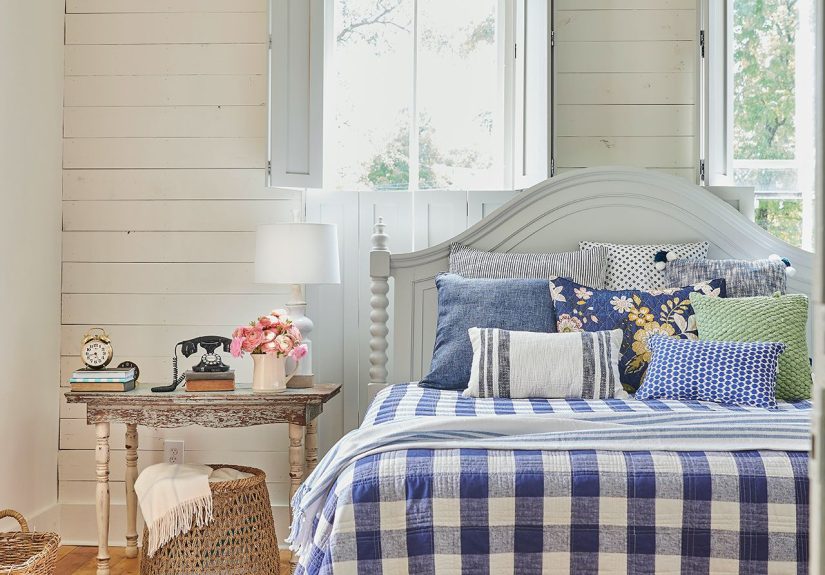
2) Add beadboard or wainscoting for instant cottage texture
Wall detail is cottage magic. Beadboard, board-and-batten, or simple wainscoting makes a room feel older (in a good way), even if the drywall is… aggressively modern.
Try this: Use paneling on one wall (like behind a bed) or half-wall height in a hallway or bathroom for charm without commitment.
3) Choose slipcovered or washable seating (comfort should win)
Cottage living rooms are meant to be usedfeet up, coffee down, dog hair accepted. Slipcovers and durable fabrics keep things relaxed and practical while still looking polished.
Example: A white or sand-colored slipcovered sofa + a patterned throw + mismatched pillows in a shared palette.
4) Mix vintage finds with one clean-lined “modern” piece
Too many antiques can feel like a themed set. Too many modern pieces can feel sterile. Cottage style thrives in the middle: a vintage dresser next to a simple lamp, an old table with updated chairs, a classic rug under a streamlined coffee table.
5) Use the “rule of three” for pattern mixing
Pick three patterns: one large-scale (like a floral), one medium (like a stripe), one small (like a gingham or dot). Keep at least one color consistent across all three and you’ll get layered cottage charm without visual chaos.
6) Let wallpaper do a small, dramatic job
Cottage wallpaper doesn’t have to mean wallpaper everywhere. Try it in a powder room, on the back of bookshelves, inside a cabinet, or as one accent wall. Florals, tiny botanicals, toile, and soft checks all work beautifully.
7) Bring in natural wood (even if it’s just a little)
Wood instantly warms up a roomespecially when it’s not overly glossy. Think butcher-block accents, a vintage stool, open wood shelving, or a worn coffee table with a little patina.
8) Display collections like a curator, not a squirrel
Cottage style loves collectionsplates, pottery, books, baskets, framed botanicals. The trick is grouping: by color, by shape, or by theme, and leaving breathing room so the display looks intentional.
Try this: Put similar items together on one shelf and keep the next shelf simpler.
9) Create a “cozy corner” with a lamp and one meaningful object
Cottage character often comes from small vignettes: a chair, a throw, a side table, a lamp, and something personal (a thrifted painting, a handmade bowl, a framed postcard). It’s a tiny scene that makes the room feel lived in.
10) Swap harsh overhead light for warm, layered lighting
If your room feels “not cozy,” check the lighting first. Cottage style leans warm and glowy: table lamps, sconces, floor lamps, even picture lights. Overhead lighting can stayjust don’t make it the only source.
11) Choose hardware with personality (this is the cheap trick)
Cabinet knobs and drawer pulls are small but mighty. Glass knobs, aged brass, ceramic pulls, and vintage-style bin handles can make a basic dresser or cabinet feel cottage-ready in an afternoon.
12) Add open shelving or glass-front cabinets for “everyday pretty” storage
Open shelves work because cottage style celebrates useful itemsstacked dishes, mugs, a mixing bowl you actually use. If open shelving feels too exposed, glass-front doors give the same vibe with less visual noise.
13) Layer rugs like you’re styling “art underfoot”
Cottage floors look best with softness: vintage-style rugs, braided textures, or washable florals. Layer a smaller patterned rug over a larger natural-fiber rug to add depth and make the room feel settled.
14) Make windows feel softer with linen or café curtains
Sheer linen panels add that breezy cottage glow. Café curtains (half curtains) are great in kitchens and bathrooms when you want light and privacy. Bonus points if the fabric has a subtle stripe or tiny floral.
15) Bring in basketspretty storage that earns its keep
Wicker and woven baskets are a cottage staple because they hide clutter while adding texture. Use them for throws, magazines, kids’ stuff, or the ever-growing pile of “things I’ll put away later.”
16) Use mismatched chairs on purpose
Matching dining sets can feel formal. Cottage style likes a collected look: mix chair styles, but unify them with a shared finish, similar seat color, or a common material like wood or cane.
17) Add a touch of worn paint (or faux it)
Chippy, time-worn finishes bring cottage character. If you’re not into distressing furniture, choose pieces with matte paint and subtle texture, or add one vintage item that has real patina.
18) Style with flowers and botanicalsfresh, dried, or framed
Florals are basically cottage style’s love language. Fresh bouquets are great, but dried lavender, eucalyptus, or simple branches can be just as charming. Botanical prints (especially vintage-looking ones) add that garden-adjacent feel year-round.
19) Make textiles do more than look pretty
Quilts, coverlets, embroidered pillows, and soft throws make rooms feel invitingand they’re practical. Cottage style loves textiles that look like they’ve been loved.
Example: A quilt at the foot of the bed + two pillow patterns + one solid throw to calm it down.
20) Add a small “handmade moment”
One artisanal touchhand-thrown pottery, a woven wall hanging, a stitched sampler, a carved wood bowladds soul. Cottage style is at its best when it feels human, not mass-produced.
21) Try a cottage-friendly focal point: a vintage mirror, a soft gallery wall, or a painted piece
If a room feels bland, give it one anchor. A gilt mirror, a gallery wall of mismatched frames, or a painted hutch can carry the whole spaceespecially when everything else is calm and cozy.
22) Let your room look “finished,” not “perfect”
Cottage decor is charming because it’s not trying too hard. A stack of books, a slightly rumpled linen throw, a candle that’s actually been usedthese details read as warm and real. The goal is welcoming, not showroom.
Quick Room-by-Room Cottage Shortcuts
- Living room: slipcovered seating + layered pillows + warm lamps + one vintage wood piece.
- Bedroom: quilt/coverlet + iron or wood bed + soft curtains + a tiny floral or check pattern.
- Kitchen: open shelving or glass-front cabinets + warm metal hardware + textiles (tea towels, cushions).
- Bathroom: wainscoting + vintage-style mirror + soft lighting + a small print or wallpaper moment.
- Entryway: baskets + hooks + a runner rug + one charming tray for keys and mail.
Common Cottage Mistakes (and the Easy Fixes)
Going “theme park cottage”
Fix: Keep the reference subtle. Instead of every item being floral, use one floral element and balance it with solids and natural textures.
Clutter masquerading as “collected”
Fix: Edit surfaces. Leave at least 30% of shelves and tabletops open so the eye can rest.
Too many tiny patterns at once
Fix: Add one large-scale pattern (like a bigger floral) and one solid textile to calm everything down.
Real-Life Cottage Decorating Experiences (Bonus + Wrap-Up)
In real homes, cottage style usually starts with one small decisionsomething harmless, like “I’ll just buy this cute little checked pillow.” Next thing you know, you’re arguing with yourself over whether a rattan lamp counts as a “need” (it does, obviously), and your dining chairs are mysteriously mismatched in a way that looks intentional instead of accidental. The good news: that’s exactly how the cozy, lived-in look is supposed to happengradually, with personality.
One pattern I’ve noticed across the best cottage spaces is that they don’t chase perfection; they chase comfort. People who nail cottage character typically choose a soft base (warm white walls, gentle paint colors, natural wood) and then layer in story. That story might be a thrifted landscape painting that makes you laugh because it’s dramatically moody for a hallway. Or a set of hand-me-down dishes that don’t match but somehow look charming on open shelves. Cottage style is basically your home saying, “Yes, I have hobbies and opinions,” instead of “I bought the entire showroom display.”
Another real-world lesson: the fastest “cozy upgrade” is almost always lighting. I’ve seen rooms with great furniture still feel cold because the only light source was a bright ceiling fixture. Add two warm lampsone table lamp, one floor lampand suddenly the room feels like it has a bedtime routine and drinks herbal tea. (Even if you personally drink iced coffee at midnight. No judgment.)
People also underestimate how powerful texture is when you’re trying to make a room feel cottage-y without making it feel busy. If you’re hesitant about florals or wallpaper, start with materials instead: linen curtains, a woven basket, a chunky knit throw, a rug that looks like it’s been around long enough to have good gossip. Texture gives you that cozy character even when your colors are simple and your patterns are minimal.
And finally, the most “real” cottage homes aren’t decorated all at once. They evolve. You try a pattern, you live with it, you swap a pillow, you repaint a little table, you add hardware to a dresser, you find the perfect vintage mirror two months later when you weren’t even looking. That slow build is what keeps cottage style from feeling staged. If you take one takeaway from these cottage decorating ideas, let it be this: choose comfort, mix old with new, layer texture like you mean it, and let your space collect character over time. Cozy isn’t a purchaseit’s a practice.