Table of Contents >> Show >> Hide
- Before You Buy: A 60-Second “Good Bones” Check
- 23 Ways to Style Flea Market Finds for a Vintage Aesthetic
- Foundational Pieces: The “Big Anchors” That Make Everything Look Intentional
- 1) Start with one “hero” vintage piece per room
- 2) Swap in a vintage sideboard instead of a media console
- 3) Use a small table as a nightstand (the mismatch is the magic)
- 4) Turn a vintage trunk or suitcase stack into storage that looks like decor
- 5) Add a vintage bar cart, tea trolley, or serving table
- 6) Make a “found chair” your accent chair
- Lighting & Hardware: Small Swaps, Huge Vintage Payoff
- Wall Decor & Display: The Layering Tricks That Feel Collected
- Textiles: Soft Layers That Make “Vintage” Feel Cozy, Not Dusty
- Kitchen & Dining: Flea Market Finds That Feel Like Heirlooms
- Finishing Touches: Styling Moves That Make It Look Curated
- Smart “Refresh” Moves That Keep Vintage Safe and Livable
- Flea Market Experiences: What You’ll Learn After a Few Treasure Hunts (About )
- Conclusion: Vintage Style That Feels Personal (Not Pretend)
Flea markets are basically time machines with price tags. One aisle is “Grandma’s cottagecore,” the next is “mid-century bachelor pad,” and somehow you leave with
a brass duck, a stack of books, and the strong belief that you’re one good lamp away from becoming an interior designer. (You might be right.)
A vintage aesthetic isn’t about turning your home into a museum or forcing every room to look like a period drama set. It’s about
character: patina, texture, imperfect charm, and pieces that feel like they’ve lived a life before they moved in with you. The secret sauce?
Mixing eras, curating with intention, and using flea market finds as the “spark” that makes your space feel personalnot copy-and-paste.
Before You Buy: A 60-Second “Good Bones” Check
The best thrifted home decor looks effortlessbecause you were picky. Before you hand over cash, do a quick scan that saves you from the
“why did I buy this?” ride home.
- Structure: Is it sturdy? Does it wobble? Do drawers glide (or scream)?
- Surface: Scratches are fine; deep cracks, warping, and mystery stickiness are not.
- Smell: If it smells like an old attic in a charming way, okay. If it smells like a science experiment, pass.
- Scale: Measure your space at home. Bring a note in your phone with key dimensions.
- Safety: Older painted pieces may involve lead-based paint. If you’re unsure, treat unknown old paint with caution and choose safer refresh options.
23 Ways to Style Flea Market Finds for a Vintage Aesthetic
Foundational Pieces: The “Big Anchors” That Make Everything Look Intentional
1) Start with one “hero” vintage piece per room
A vintage aesthetic lands best when you choose a standout: an antique dresser, a mid-century credenza, a farmhouse table, or a velvet chair with dramatic energy.
Let it be the room’s anchor, then build around it with simpler supporting pieces so the space feels curated, not crowded.
Example: Pair a thrifted wood dresser with modern art above it and a clean-lined lamp. Old + new makes the vintage feel fresh, not stuck in time.
2) Swap in a vintage sideboard instead of a media console
Vintage sideboards and buffets are storage machines disguised as style. Use one under your TV or as a dining-room statement. Look for solid doors,
interesting hardware, and a finish you can live with (even if it’s a little imperfectthat’s the point).
3) Use a small table as a nightstand (the mismatch is the magic)
Matching nightstands can look a little “furniture showroom.” A vintage aesthetic loves variety. Hunt for two different small tables in the same
general vibesimilar height, complementary wood tones, or matching shapes.
Example: One carved wood side table + one painted pedestal table = charming, collected, and not trying too hard (the best kind of trying).
4) Turn a vintage trunk or suitcase stack into storage that looks like decor
Trunks, suitcases, and hatboxes add instant nostalgiaand they earn their keep. Stack two suitcases as a nightstand, or use a trunk as a coffee table.
The wear and tear reads like “Paris flea market chic,” even if it was actually “Saturday parking lot sale chic.”
5) Add a vintage bar cart, tea trolley, or serving table
These pieces are peak vintage: functional, mobile, and naturally styled. Use one for drinks, coffee supplies, plants, or as a rolling craft station.
A trolley with a little patina instantly tells a story.
6) Make a “found chair” your accent chair
One vintage chair can transform a room. Look for interesting silhouettes: bentwood, spindle-back, cane, or club chairs with good frames.
If the upholstery is tired but the shape is great, you can re-cover a seat cushion or use a throw for an easy refresh.
Lighting & Hardware: Small Swaps, Huge Vintage Payoff
7) Bring home vintage lampsthen update the shade
Lamps are one of the fastest ways to create a vintage aesthetic because they add sculptural shape and warm, lived-in charm. The hack is the shade:
a crisp linen drum modernizes a traditional base; a pleated shade leans classic; a patterned shade adds cottage personality.
Safety note: inspect cords and sockets; older lamps may need professional attention to be safe for daily use.
8) Go hunting for brass, bronze, and “mixed metal” moments
Flea markets are full of metal pieces with soul: candlesticks, frames, trays, drawer pulls, and sconces. Don’t worry if finishes don’t match perfectly.
A vintage home looks better when metals minglelike guests at a good party.
9) Replace boring knobs with vintage hardware
If you find a jar of old drawer pulls, you’ve basically found a cheat code. A simple dresser becomes special with glass knobs, brass pulls, or porcelain handles.
Keep a small “hardware stash” for future upgrades.
10) Use a thrifted mirror to bounce light and add age
Vintage mirrors make rooms feel bigger, brighter, and more layered. Look for aged glass, interesting frames, or unique shapes.
Even a slightly foxed (spotted) mirror can look intentionally old-world when styled with clean accessories.
Wall Decor & Display: The Layering Tricks That Feel Collected
11) Build a gallery wall from mismatched vintage frames
A gallery wall becomes instantly warmer when the frames aren’t all the same. Collect a mix of wood, gilt, and painted frames,
then unify them with a loose color theme or consistent matting. Bonus: you can swap art over time without redoing the whole wall.
12) Use old signs, ads, and “ephemera” as graphic art
Weathered signs, vintage labels, and old paper goods bring bold typography and that flea-market charm. Frame them, clip them to a board,
or lean them on a shelf for a relaxed vintage vibe.
13) Display vintage books like they’re architectural details
Old books add color, pattern, and historywithout trying. Stack them horizontally, use them as risers, or line them up by tone.
If the covers are beautiful, let them show. If the titles are… questionable, turn the spines inward and pretend it’s minimalist.
14) Turn a thrifted easel, music stand, or plate stand into a rotating art display
These are the underrated MVPs of vintage styling. Use them to display framed art, a cookbook, a record sleeve, or even a special textile.
It’s a low-commitment way to make your space feel curated and flexible.
Textiles: Soft Layers That Make “Vintage” Feel Cozy, Not Dusty
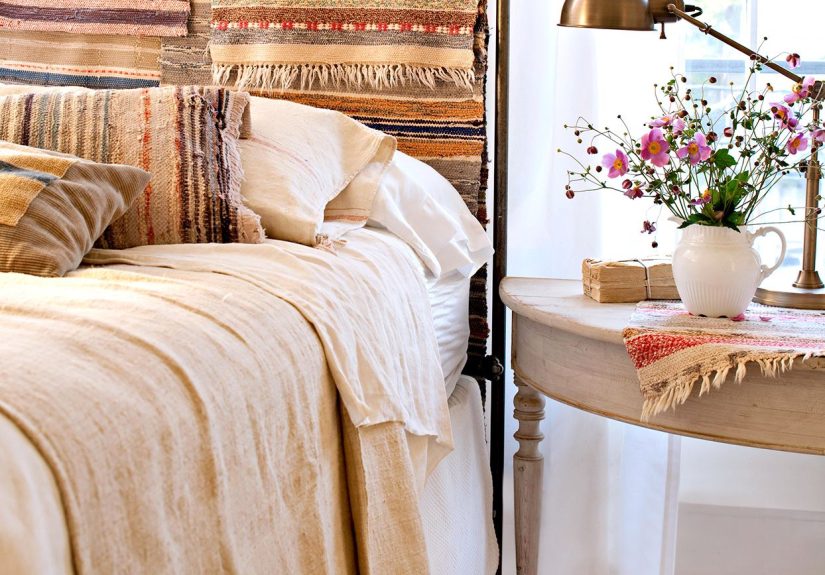
15) Hunt for quilts, woven throws, and embroidered linens
Vintage textiles bring texture and handmade charm. A quilt over a sofa, a woven throw at the foot of the bed, or embroidered napkins on the table
instantly create that collected, cozy mood.
16) Use vintage rugs to ground the room
Rugs do heavy lifting: they anchor furniture, add color, and create a sense of age. If a rug is too bold, balance it with modern, solid pieces.
If it’s subtle, layer in pattern with pillows or art. A vintage aesthetic is basically a friendly negotiation between patterns.
17) Add lace, crochet, or fringe in small doses
These details can read “romantic vintage” or “overly theme-y” depending on scale. Use them as accents:
a lace runner on a console, a crochet pillow, or a fringed throw. The goal is texture, not costume.
Kitchen & Dining: Flea Market Finds That Feel Like Heirlooms
18) Style open shelves with vintage ceramics and stoneware
Crocks, bowls, pitchers, and platters bring instant charm and make a kitchen feel lived-in. Mix shapes and heights.
Keep the palette cohesive (creams, warm whites, blues, earthy browns) so it feels intentional.
19) Create a “collected table” with mismatched glassware
Vintage goblets, pressed glass, and thrifted tumblers make everyday dinners feel special. Don’t chase perfection.
Aim for a common thread: all clear glass, all green glass, or a mix of similar silhouettes.
20) Use vintage trays, tins, and serving pieces as organizers
A tarnished tray on the counter corrals oils and spices. A tin holds tea bags. A cake stand becomes a centerpiece.
These pieces add function while whispering “I might host a dinner party” (even if it’s just you and leftover pizza).
Finishing Touches: Styling Moves That Make It Look Curated
21) Build vignettes with the “triangle rule” (height, height, height)
Vignettes look best when items vary in height: tall (lamp or vase), medium (frame or book stack), small (dish or object).
Flea market finds shine here because they’re naturally unique. Keep the grouping to 3–7 items so it feels styled, not cluttered.
22) Add patina on purposedon’t over-refinish everything
A vintage aesthetic needs some honest wear: rubbed edges, aged brass, faded wood, imperfect glaze. If you refinish every surface to look brand-new,
you erase the story. Clean thoroughly, fix what’s broken, and let a few scuffs stay as “character,” not “unfinished project.”
23) Mix eras using the “80/20 vibe”
If your room is 100% vintage, it can start to feel like a set. If it’s 0% vintage, it can feel a little generic.
A simple approach: let the room lean mostly one way, then add contrast. For example, a mostly modern space gets warmth from a few vintage accents,
while a mostly vintage room feels fresh with one modern lamp or clean-lined sofa.
Smart “Refresh” Moves That Keep Vintage Safe and Livable
Vintage style is romantic. Vintage problems are… real. A few practical habits keep your flea market finds looking great without turning your weekend into a
never-ending DIY saga.
- Prioritize safety with older paint: If you suspect an older painted finish, avoid creating dust and consider safer options like sealing/encapsulating or professional help.
- Check upholstery realistically: Some fabrics clean up beautifully; some are telling you it’s time to walk away.
- Be picky about “big commitment” pieces: Sofas, mattresses, and anything hard to sanitize should be approached carefully.
- Measure twice, buy once: The best deal is still a bad deal if it doesn’t fit through your door.
Flea Market Experiences: What You’ll Learn After a Few Treasure Hunts (About )
The first time you go to a flea market with “vintage aesthetic” dreams, it can feel like stepping into a kaleidoscope. There’s furniture, artwork,
dusty boxes of hardware, and a table that sells nothing but ceramic cats with unsettling confidence. The most common experience is sensory overload:
you see so many possibilities that everything looks like it could become “the perfect piece” if you just squint hard enough.
After a few trips, most shoppers discover that the biggest skill isn’t spotting vintageit’s editing. You start learning what your home
actually needs (storage, lighting, seating) versus what your imagination wants (a decorative sled, three birdcages, and a suspiciously tiny rocking chair).
This is where “flexible categories” become a lifesaver: you go looking for “a lamp,” not “a 1970s ceramic mushroom lamp with a tulip shade.”
The market will rarely hand you your exact fantasy itembut it will hand you something better if you stay open.
Another universal flea market experience: the emotional rollercoaster of the one that got away. You hesitate, do a lap, come back, and it’s gone.
It stings. But it also teaches the real rhythm of vintage shopping: when something is truly special, you can’t treat it like an online cart you’ll “check out later.”
A helpful mindset is to decide your dealbreakers ahead of timesize, budget ceiling, major damage you won’t repairso you can say yes with confidence when the right
piece shows up.
Then there’s the art of negotiation, which many people learn in tiny steps. Early on, it can feel awkward to ask for a better price.
Eventually, you realize the best conversations are friendly, respectful, and specific: you might point out a missing shade, wobbly leg, or needed repair and ask if the
price can reflect that. Most vendors are human (and many love telling you what they know), so a polite question often works better than a dramatic haggle performance.
You’ll also start noticing that “vintage aesthetic” isn’t one single lookit’s a language. Some markets teach you to love patina:
warm woods, aged brass, worn edges, and the soft imperfections that make a home feel lived-in. Other trips steer you toward a cleaner vibe:
mid-century lines, simple ceramics, and one bold antique statement in an otherwise modern room. Over time, your home becomes less about matching and more about
story: where you found something, why you loved it, and how it fits into your everyday life. That’s the kind of vintage that never looks fake
because it’s actually yours.
Conclusion: Vintage Style That Feels Personal (Not Pretend)
Creating a vintage aesthetic with flea market finds isn’t about copying a catalog. It’s about building a home with texture, history, and a few charming oddities
that make people say, “Where did you get that?” Start with one great piece, layer in smaller thrifted decor, mix eras for balance, and let patina do its thing.
Your space will feel more collected with every huntand you’ll get better at spotting the good stuff before someone else does.