Table of Contents >> Show >> Hide
- Why Hostas Still Rule the Shade Garden
- Quick Picks by Garden Goal
- 26 of the Best Hostas for Shade Gardens
- 1. ‘Frances Williams’
- 2. ‘Striptease’
- 3. ‘Deja Blu’
- 4. ‘Great Expectations’
- 5. ‘Tokudama Flavocircinalis’
- 6. ‘Sagae’
- 7. ‘Pathfinder’
- 8. ‘Wolverine’
- 9. ‘Paradigm’
- 10. ‘Pandora’s Box’
- 11. ‘Whirlwind’
- 12. ‘Formal Attire’
- 13. ‘Silver Threads and Golden Needles’
- 14. ‘Daybreak’
- 15. ‘Sun Power’
- 16. ‘Sum and Substance’
- 17. ‘Blue Mouse Ears’
- 18. ‘Chartreuse Wiggles’
- 19. ‘Heavenly Tiara’
- 20. ‘Aureomarginata’
- 21. ‘Aztec Treasure’
- 22. ‘Tracy’s Emerald Cup’
- 23. ‘Touch of Class’
- 24. ‘Krossa Regal’
- 25. Hosta plantaginea
- 26. ‘Patriot’
- How to Choose the Right Hosta for Your Shade Garden
- Hosta Care Tips That Actually Make a Difference
- Final Thoughts
- Real-World Shade Garden Experience: What Growing Hostas Actually Teaches You
- SEO Tags
Generated with GPT-5.4 Thinking
Hostas are the quiet overachievers of the garden world. They do not demand center stage, they do not throw diva fits over every cloudy day, and they somehow make a shady corner look intentional instead of forgotten. If you have a woodland border, a north-facing foundation bed, or that one patch under a tree where grass goes to sulk, hostas are often the answer.
What makes them so useful is their range. Some varieties stay tiny enough for containers or path edges, while others become leafy giants that can anchor an entire shade garden. Their leaves can be blue, green, gold, chartreuse, cream, or dramatically variegated. Some are prized for texture, some for fragrance, and some for the way they practically glow in low light. Add in the fact that many are long-lived and easy to grow, and you have a perennial that earns its keep year after year.
This guide rounds up 26 standout hostas for shade gardens, along with practical advice on choosing the right one for your site. Whether you want bold foliage, miniatures for the front of the border, or fragrant blooms near a patio, there is a hosta here with your name on it. Or at least your shady backyard’s name on it.
Why Hostas Still Rule the Shade Garden
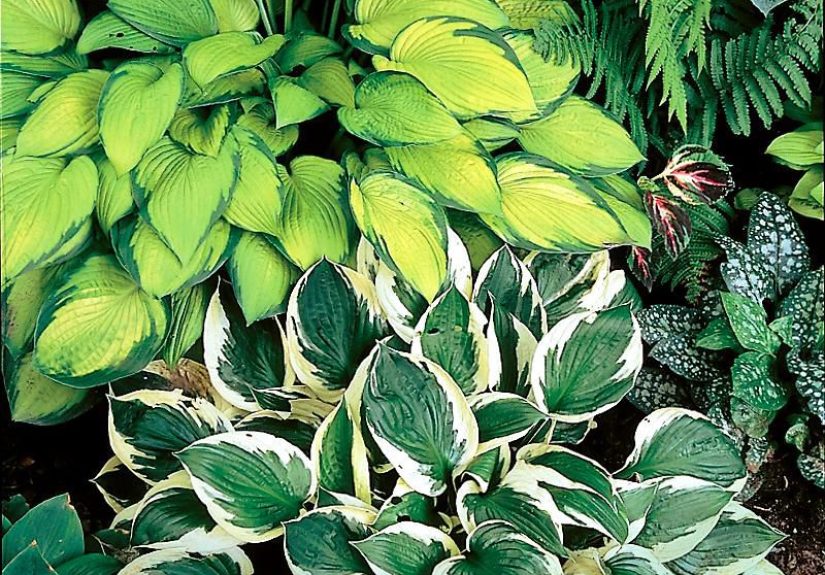
Hostas thrive where many showier plants lose their courage. In general, they prefer moist, well-drained soil rich in organic matter and perform best in filtered light, dappled shade, or morning sun with afternoon protection. Blue-leaved hostas usually keep their color best in deeper shade, while gold and white-variegated types often benefit from a bit more light to bring out their best tones. Thick, heavily textured leaves also tend to hold up better against slugs than thin, tender foliage.
That flexibility is exactly why gardeners keep coming back to them. A good hosta planting can look calm and lush in spring, dramatic in summer, and still handsome when other shade perennials start looking tired. Better yet, hostas pair beautifully with ferns, astilbes, heucheras, woodland phlox, bleeding heart, and spring bulbs, so they fit naturally into layered shade-garden designs.
Quick Picks by Garden Goal
Best giant hostas
‘Sum and Substance,’ ‘Sagae,’ and ‘Krossa Regal’ bring serious presence and work beautifully as anchor plants.
Best small or miniature hostas
‘Pandora’s Box,’ ‘Blue Mouse Ears,’ and ‘Silver Threads and Golden Needles’ are ideal for edging, troughs, and containers.
Best for brighter shade or morning sun
‘Sun Power,’ ‘Daybreak,’ and ‘Paradigm’ tend to color up nicely with a little extra light.
Best for fragrance
Hosta plantaginea is the classic pick if you want white blooms with evening perfume near a patio or walkway.
26 of the Best Hostas for Shade Gardens
1. ‘Frances Williams’
A classic large hosta with blue-green leaves edged in chartreuse, ‘Frances Williams’ brings old-school elegance and excellent texture. Its puckered foliage looks substantial all season, making it a strong choice when you want a bold, dependable focal point.
2. ‘Striptease’
Yes, the name gets attention, but the foliage earns the applause. This tricolor hosta features green leaves with a gold center stripe separated by a fine pale line. It adds contrast without looking chaotic, which is harder than it sounds in a variegated plant.
3. ‘Deja Blu’
‘Deja Blu’ rewards close inspection. Blue-green leaves are edged in gold, with a narrow creamy band in between, creating a layered color effect that looks almost painted. Use it where people can actually see the details instead of speeding past with a mower.
4. ‘Great Expectations’
This large variegated beauty has chartreuse foliage with broad blue-green edges, and its center lightens as the season progresses. It is one of those hostas that looks like it should have mood lighting. Give it brighter shade to maintain strong variegation.
5. ‘Tokudama Flavocircinalis’
If you love corrugated leaves, this one is a gem. Its blue foliage with pale green edging looks refined rather than flashy, and the heavy texture gives it presence even when it is not the biggest plant in the bed.
6. ‘Sagae’
‘Sagae’ is large, upright, and wonderfully architectural. The frosted blue-green leaves edged in gold make it look polished from a distance, while the thick foliage gives it better substance than many oversized hostas. This is a superb backbone plant for a shade border.
7. ‘Pathfinder’
With thick white-centered leaves edged in dark green, ‘Pathfinder’ brightens dim areas fast. It is especially effective in shade gardens that lean heavily green and need a visual flashlight. In design terms, this plant is basically a highlight reel.
8. ‘Wolverine’
Long, narrow blue-green leaves with creamy gold margins give ‘Wolverine’ a different silhouette from broader hostas. It is a great pick when you want leaf contrast without abandoning the hosta family entirely. Think sleek instead of chunky.
9. ‘Paradigm’
This vigorous cultivar offers golden leaves with irregular blue-green margins, and its color often deepens through summer. It is one of the better choices for brighter shade or gentle morning sun, making it useful in spots that are not quite dark enough for moodier blue types.
10. ‘Pandora’s Box’
A miniature hosta with creamy white foliage and blue-green margins, ‘Pandora’s Box’ is perfect for edging, troughs, and containers. It proves that hostas do not always need to be sofa-sized to make an impression.
11. ‘Whirlwind’
‘Whirlwind’ changes through the season, with creamy centers that gradually shift greener over time. The leaves stay upright and slightly wavy, so the plant keeps a tidy, sculptural look. It is ideal for gardeners who enjoy a little seasonal drama without actual drama.
12. ‘Formal Attire’
This large hosta emerges with blue-green leaves and yellow margins, then matures toward dark green with creamy-white edges. The color change gives it a dressed-up, two-season personality and makes it a good choice when you want evolving interest in the same footprint.
13. ‘Silver Threads and Golden Needles’
The name sounds like a Victorian novel, and the plant looks just as intricate. This compact miniature hosta has gold foliage flecked with green and silver, making it a standout choice for the front of the border or a decorative container.
14. ‘Daybreak’
‘Daybreak’ is all about rich gold foliage and strong texture. It emerges chartreuse and brightens as the season moves along, bringing a welcome shot of light to dark corners. If your shade garden feels too green, this one is a smart fix.
15. ‘Sun Power’
One of the more sun-tolerant hostas, ‘Sun Power’ develops its best yellow-green color with morning sun and afternoon shade. It is a reliable bridge plant for those awkward in-between spaces that are shady, but not super shady.
16. ‘Sum and Substance’
Few hostas have this much star power. ‘Sum and Substance’ forms a huge mound of bold, lime-green foliage and can easily become the headline act in a shade garden. If you need one plant to say, “Yes, this was designed on purpose,” start here.
17. ‘Blue Mouse Ears’
Small, rounded, thick blue leaves give this miniature its famously cute look. It is one of the best small hostas for containers, path edges, or places where you want detail up close. Also, it is nearly impossible to describe without sounding slightly delighted.
18. ‘Chartreuse Wiggles’
This small hosta brings narrow, wavy, green-gold leaves that contrast beautifully with broader hosta varieties. Use it to break up a planting that feels too smooth or too serious. Every bed needs one plant that looks like it has good hair.
19. ‘Heavenly Tiara’
Light green leaves edged in creamy gold, later fading toward white, make ‘Heavenly Tiara’ a flexible and cheerful choice. It mixes easily with other shade perennials and is especially useful when you want a medium-sized hosta that does not visually bulldoze the whole bed.
20. ‘Aureomarginata’
Hosta montana ‘Aureomarginata’ has dark green leaves edged in gold and a graceful, vase-like form. Because the leaves arch downward beautifully, it deserves a spot where that shape can be appreciated rather than hidden behind a shrub behaving badly.
21. ‘Aztec Treasure’
With wrinkled, golden, heart-shaped leaves, ‘Aztec Treasure’ adds brightness and texture in equal measure. It forms a dense mound, so it looks substantial without becoming oversized. This is the kind of hosta that makes neighboring plants look more polished.
22. ‘Tracy’s Emerald Cup’
Instead of flashy variegation, this variety wins on shape. Its dark green leaves curve into bowl-like cups, creating texture and shadow even in a monochromatic planting. It is a sophisticated pick for gardeners who prefer form over fireworks.
23. ‘Touch of Class’
This standout variety offers chartreuse centers with wide blue-green margins, then shifts toward bluer foliage with a slimmer gold center later in the season. It has a painterly quality and works especially well in hosta collections where subtle color differences matter.
24. ‘Krossa Regal’
Tall, upright, and vase-shaped, ‘Krossa Regal’ brings major architectural energy to the shade garden. The blue leaves have a frosted look, and the tall flower scapes add even more height. If a hosta could wear a cape, this one probably would.
25. Hosta plantaginea
This species is beloved for its fragrant, pure white flowers and good heat tolerance. While many hostas are grown mostly for foliage, this one earns a place near patios, porches, or evening seating areas where the scent can actually be enjoyed.
26. ‘Patriot’
‘Patriot’ remains a favorite for a reason. The broad white margins around deep green leaves make the plant appear crisp, bright, and almost illuminated in shade. It is easy to combine with other foliage plants and always looks clean and intentional.
How to Choose the Right Hosta for Your Shade Garden
Start with light. If the site gets deep shade, lean into blue and green hostas such as ‘Krossa Regal,’ ‘Sagae,’ or ‘Frances Williams.’ If the area gets brighter shade or morning sun, gold and variegated types like ‘Sun Power,’ ‘Daybreak,’ ‘Paradigm,’ and ‘Patriot’ can shine more clearly. Then think about scale. Giant hostas are excellent anchors, medium forms help create rhythm through the bed, and miniatures belong where their details will not disappear under bigger neighbors.
Texture matters too. A mix of corrugated leaves, smooth leaves, cupped leaves, and wavy leaves makes a planting feel richer even when the color palette stays calm. Finally, be honest about moisture. Hostas like evenly moist soil, not a dry root run under a thirsty maple that has declared war on everything below it. If the site is dry shade, improve the soil generously with compost and keep watering consistent while plants establish.
Hosta Care Tips That Actually Make a Difference
Plant hostas in soil that drains well but stays evenly moist. Water at the soil level rather than splashing foliage whenever possible. Add compost before planting, mulch to conserve moisture, and fertilize lightly in spring with a balanced garden fertilizer. Divide overgrown clumps in early spring or early fall if you want more plants or a tidier look. And when it comes to slugs, thicker leaves help, but no hosta is totally invincible. Slugs, unfortunately, never got the memo about boundaries.
Final Thoughts
The best hosta for your garden depends on what your shade needs most: brightness, texture, fragrance, scale, or sheer leaf drama. The good news is that hostas make mixing and matching easy. One giant variety can anchor the bed, a few medium variegated forms can create movement, and a miniature or two can sharpen the edges. Get the light and moisture right, and these shade-garden staples will reward you for years without asking for applause. Though, honestly, they deserve some.
Real-World Shade Garden Experience: What Growing Hostas Actually Teaches You
The first thing hostas teach most gardeners is humility. On paper, planning a shade garden looks easy: pick a few leafy plants, tuck them under a tree, and wait for woodland magic. In real life, you quickly learn that “shade” is not one condition. There is bright morning shade, dry root-packed shade, open shade, heavy afternoon shade, and the deeply annoying kind of shade under old trees where nothing seems happy except the tree itself. Hostas make that lesson obvious fast.
One of the most useful experiences gardeners have with hostas is seeing how much foliage color changes with light. Blue varieties that looked dreamy in a catalog can fade if they get too much sun, while gold hostas that seemed underwhelming in deep shade suddenly glow when moved to a brighter spot. That is why many experienced gardeners stop treating hostas like interchangeable green blobs and start using them more deliberately. A blue hosta becomes a cooling note in the back of the bed. A gold one becomes a spotlight. A crisp variegated one becomes the thing your eye lands on first.
Another lesson is scale. New gardeners often buy hostas when they are small and adorable, then act shocked when a mature ‘Sum and Substance’ starts occupying the postal code. On the other hand, miniatures such as ‘Blue Mouse Ears’ and ‘Pandora’s Box’ are easy to lose if they are planted next to giant companions. Real experience teaches spacing, patience, and the importance of imagining the plant three years from now instead of three minutes after checkout.
Hostas also teach design in a surprisingly practical way. In many shade gardens, flowers come and go, but foliage is the structure that holds everything together. A hosta border with smart layering can look composed from spring through fall, even when nothing dramatic is blooming. Gardeners learn to repeat colors, alternate textures, and use large hostas as anchors rather than stuffing every inch with different varieties. In other words, hostas gently train people to edit. That may be their most underrated talent.
Then there is the slug issue, which is less a lesson and more a recurring plot twist. Plenty of gardeners learn the hard way that lush shade and tender leaves can attract trouble. Over time, though, you begin noticing patterns. Thick leaves generally fare better. Good spacing helps air flow. Morning cleanup, mulch choices, and consistent monitoring matter more than one heroic late-night anti-slug campaign. Experience turns panic into routine.
Perhaps the best thing hostas teach is patience. They are not instant plants in the way annuals are. They settle in, expand gradually, and reward consistency. A clump that looks merely nice in year one can look magnificent by year three. And once a hosta bed matures, it often becomes one of the calmest, most satisfying parts of the yard. That is the real appeal. Hostas are not just shade plants. They are long-term garden companions that get better as the gardener does.