Table of Contents >> Show >> Hide
- If You Want Mushrooms Gone Fast (Today’s Game Plan)
- Why Mushrooms Show Up in Lawns (What Your Yard Is Telling You)
- Are Mushrooms Dangerous to Your Lawn, Kids, or Pets?
- Step-by-Step: How To Get Rid of Mushrooms in Your Lawn (The Right Way)
- Step 1: Remove the mushrooms safely (without turning it into a science experiment)
- Step 2: Fix the moisture problem (because fungi love a soggy welcome mat)
- Step 3: Improve drainage and airflow in the soil
- Step 4: Reduce the fungus “food supply”
- Step 5: Deal with shade (you don’t need full sun, just less “perma-damp”)
- What If You’re Seeing a Ring of Mushrooms? (Fairy Ring 101)
- Do Fungicides Get Rid of Lawn Mushrooms?
- Troubleshooting Guide: What Your Mushroom Pattern Means
- Prevention: Keep Mushrooms From Coming Back
- When To Call a Pro
- Experience Notes: What “Actually Worked” in Real Lawns (And Why)
- Wrap-Up: The Winning Strategy (No Wizardry Required)
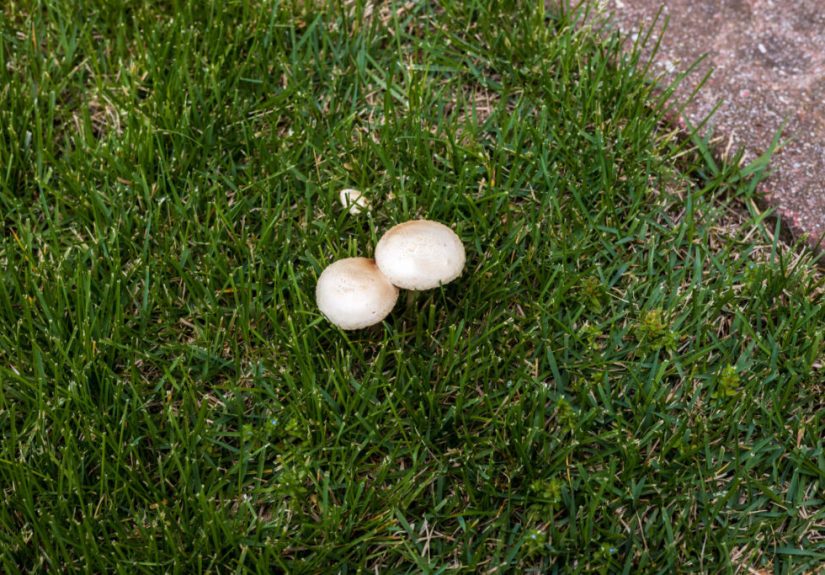
You walk outside, coffee in hand, ready to admire your lawn… and there it is: a surprise crop of mushrooms,
popping up like tiny umbrellas after a rainstorm. It can feel a little spooky (or like your yard is auditioning
for a fantasy movie), but here’s the truth: lawn mushrooms are usually a symptom, not the main problem.
They’re the “fruit” of fungi living in the soiloften doing the unglamorous job of breaking down organic matter
and recycling nutrients.
Still, you may want them goneespecially if you have curious kids, nosy pets, or a strong preference for a lawn
that looks like a postcard instead of a woodland floor. Let’s talk about what actually works: safe, practical,
lawn-friendly steps that reduce mushrooms now and make them far less likely to return.
If You Want Mushrooms Gone Fast (Today’s Game Plan)
- Pick or scoop visible mushrooms (gloves on), bag them, and remove them from the area.
- Stop “bonus watering”skip irrigation for a day or two if the soil is already moist.
- Improve airflow (mow properly, trim shade, rake out wet clumps and debris).
- Collect clippings if you mow over mushrooms, so you’re not leaving chopped pieces behind.
That handles the visible part. The longer-lasting fix is changing the conditions that told fungi,
“Yes, pleasethrow a mushroom party here.”
Why Mushrooms Show Up in Lawns (What Your Yard Is Telling You)
Mushrooms are the reproductive structures of fungibasically the part that shows up above ground when conditions
are right. Most of the fungus lives out of sight as fine threads (mycelium) in the soil, thatch, or buried organic
material. When the ground stays damp and there’s food to break down, mushrooms can appear quicklysometimes overnight.
Common reasons your lawn grows mushrooms
- Too much moisture from frequent irrigation, poor drainage, or lots of rain.
- Shade + humidity (under trees, along fences, on the north side of the house).
- Organic “snacks” in the soil like buried roots, old stumps, wood chips, or construction lumber.
- Thick thatch (a matted layer of dead grass and roots) that stays damp and feeds fungi.
- Compacted soil that holds water and limits airflow to the root zone.
Fun twist: mushrooms don’t automatically mean your grass is sick. In many cases they’re simply doing cleanup duty,
especially after wet weather.
Are Mushrooms Dangerous to Your Lawn, Kids, or Pets?
For your grass, lawn mushrooms are usually more annoying than harmful. However, there’s a big,
important warning for people and pets: never assume any wild mushroom is edible. Many are harmless,
some can make you miserable, and a few can be genuinely dangerous.
Safety rules that are actually worth following
- Keep kids and pets away from lawn mushrooms.
- Remove mushrooms promptly if a child or pet might try to eat them.
-
If ingestion is suspected, contact a professional right away:
- Poison Control (U.S.): 1-800-222-1222
- Emergency symptoms (trouble breathing, seizures, collapse, can’t be awakened): call 911
- Pets: call your veterinarian or a pet poison hotline immediately
Bottom line: treat unknown mushroom ingestion as an emergency. Identification is tricky even for people who own
field guides and use words like “mycological.”
Step-by-Step: How To Get Rid of Mushrooms in Your Lawn (The Right Way)
Step 1: Remove the mushrooms safely (without turning it into a science experiment)
- Wear gloves (or use a small shovel/trowel).
- Pluck or scoop mushrooms at the base so you remove as much of the fruiting body as possible.
- Bag them and dispose of them in trash or yard waste (especially if pets are around).
-
If you mow, collect the clippings so you’re not leaving chopped pieces behind.
(Spores exist everywhere anyway, but cleanup helps reduce mess and curiosity.)
This won’t “kill” the fungus in the soil, but it does remove what you can see and reduces the chance a pet or child
samples your lawn’s mysterious buffet.
Step 2: Fix the moisture problem (because fungi love a soggy welcome mat)
Most lawn mushroom outbreaks are moisture-related. Your mission is to make the lawn less consistently damp.
- Water less often: avoid frequent, light watering that keeps the surface wet.
- Water earlier in the day so grass blades dry quickly.
- Check irrigation coverage: broken heads and low spots can create chronic “mushroom zones.”
- Redirect water: downspouts, sump discharge, or a sloped patio can keep an area wet for days.
If one section stays wet long after the rest of the lawn dries, that’s your clue to investigate drainage or grading.
Step 3: Improve drainage and airflow in the soil
If water sits in the lawn, mushrooms will keep finding reasons to return. Helpful fixes include:
- Core aeration (pulling plugs) to open the soil and improve infiltration.
- Topdressing with compost or a soil mix (thin layers) to gradually improve structure in compacted areas.
- Addressing low spots so water doesn’t pool after rain.
- Reducing compaction by limiting foot traffic when the soil is wet.
Step 4: Reduce the fungus “food supply”
Mushrooms show up where fungi have something tasty to decompose. Your lawn may be hiding a buffet underground.
- Rake up leaves, twigs, and grass clumpsespecially in shaded corners where debris stays damp.
- Manage thatch: if the lawn feels spongy, dethatching can reduce the moist layer fungi love.
-
Look for buried wood: mushrooms that repeatedly appear in the same spot may be feeding on an old root,
stump, wood chips, or buried lumber. Digging it out (when practical) can reduce recurring outbreaks. - Don’t over-mulch near lawn edges: thick mulch and decaying wood can fuel mushrooms along borders.
Step 5: Deal with shade (you don’t need full sun, just less “perma-damp”)
Shade by itself doesn’t create mushrooms, but shade + moisture is a winning combo for fungi.
- Prune trees and shrubs to improve light and airflow where possible.
- Mow at the recommended height for your grass type (scalping stresses grass and can worsen problems).
- Consider shade-tolerant turf if one area never gets enough light to dry out.
What If You’re Seeing a Ring of Mushrooms? (Fairy Ring 101)
When mushrooms form arcs or circles, you may be dealing with fairy ring, a pattern created as fungal
growth expands outward over time. Some rings only show mushrooms; others show dark green growth or, in tougher cases,
patches that look dry or thin.
How to reduce fairy ring symptoms
- Aerate the area to break up fungal layers and improve water penetration.
- Water consistently so the soil doesn’t swing between “swamp” and “desert.”
- Fertilize thoughtfully to help the turf grow evenly and reduce the visual contrast of rings.
- Topdress after aeration to improve soil conditions and recovery.
In home lawns, fairy ring rarely requires chemical treatment. Cultural practicesespecially aeration and moisture
managementare usually the most practical fixes.
Do Fungicides Get Rid of Lawn Mushrooms?
In most home-lawn situations, fungicides are a poor “return on effort.” Here’s why:
- The mushrooms you see are temporary; the main fungus is in the soil or buried organic matter.
- Sprays don’t reliably eliminate the underground mycelium in a practical, permanent way.
- Many outbreaks resolve naturally when conditions turn drier.
- Misuse risks: chemical applications can be costly, ineffective, and potentially harmful if labels aren’t followed.
For severe, persistent fairy ring in high-value turf (think golf greens), professionals may use specialized approaches.
For the average lawn, your best results come from adjusting moisture, improving soil conditions, and reducing organic
debrisaka the boring fixes that actually work.
Troubleshooting Guide: What Your Mushroom Pattern Means
| What You See | Likely Cause | What To Do |
|---|---|---|
| Scattered mushrooms after rain | Moist soil + active decomposers | Pick/mow & collect, reduce watering frequency, improve airflow |
| Clusters in one spot that return | Buried roots, stump, wood, or thick thatch | Probe for buried wood, dethatch, aerate; remove organic source if practical |
| Mushrooms along edges near mulch | Decaying mulch/wood + shade | Thin mulch, improve drainage, keep edges clean and less damp |
| Arc or ring of mushrooms | Fairy ring fungi expanding outward | Aerate, water consistently, improve infiltration; fertilize to even turf growth |
| Grass looks dry or thin in patches with ring patterns | Possible localized dry spot from dense fungal growth | Core aerate, focus on water penetration and soil improvement; consider pro help if severe |
Prevention: Keep Mushrooms From Coming Back
You can’t permanently delete fungi from nature (and honestly, your soil benefits from their work). But you can make
your lawn a much less appealing place for mushrooms to fruit.
- Water smarter: avoid keeping the surface constantly wet.
- Improve drainage: address pooling water and compacted areas.
- Clean up organic debris: leaves, sticks, and clumps are mushroom fuel.
- Manage thatch so the lawn doesn’t stay damp underneath.
- Aerate periodically to improve airflow and water movement.
- Watch the “usual suspect” zones: shaded corners, low spots, around old trees/stumps, and near irrigation overspray.
When To Call a Pro
Most mushroom situations are DIY-friendly. Consider professional help if:
- Rings or patches are expanding yearly and turf is thinning or dying.
- You suspect buried construction debris or a large stump/root system is feeding recurring outbreaks.
- Mushrooms are growing from a tree trunk or roots and you’re concerned about tree health.
- You want to use chemical products and prefer expert guidance for safety and effectiveness.
Experience Notes: What “Actually Worked” in Real Lawns (And Why)
Below are common homeowner-style scenariosbecause mushroom advice gets clearer when you can picture what’s happening
on the ground (literally).
1) The “Overachieving Sprinkler” Situation
A homeowner notices mushrooms showing up every Monday like they’re on a schedule. The clue? The irrigation was also on
a schedulethree short watering cycles a week, even after storms. The lawn stayed lightly damp near the surface, and
mushrooms took that as a formal invitation. The fix wasn’t fancy: they cut watering frequency, switched to earlier
watering, and checked for overspray hitting one shady corner. Within two weeks, mushrooms dropped dramatically.
The lesson: mushrooms don’t need a flood; they just need “consistently damp.”
2) The “It’s Always That One Spot” Mystery
Sometimes mushrooms keep returning to the same 3-foot circle like it’s their reserved parking space. That often points
to a buried food sourceold roots, a decaying stump, or even leftover lumber from a long-ago project. In one common
scenario, digging down a few inches revealed wood fragments mixed into the soil. Removing what was practical and then
aerating the area helped reduce repeat appearances. The lesson: if mushrooms are loyal to one spot, they’re probably
feeding on something specific.
3) The Shady Corner That Never Dries
Lawns with dense tree canopies can stay humid long after the sunniest areas are dry. People often try to “fix” that by
watering more because the grass looks thin. Unfortunately, that can create a damp microclimate where fungi thrive.
A better move is to improve airflow: thin out low branches, rake debris more often, and consider shade-tolerant turf
or groundcover if grass simply can’t compete there. The lesson: shade problems are often “air + moisture” problems,
not “more water” problems.
4) The Fairy Ring Optical Illusion
Rings freak people out because they look intentionallike your lawn hosted a midnight meeting. Often the ring is simply
where fungal activity is releasing nutrients, making grass greener in a circle, or where water penetration changes,
causing odd growth. The homeowners who made real progress didn’t chase the mushrooms with random powders or miracle
sprays. They aerated the ring area, kept moisture consistent, and fertilized in a way that encouraged even turf growth.
Over time, the ring became far less noticeable and mushrooms appeared less frequently. The lesson: with fairy rings,
you’re managing soil behavior, not playing whack-a-mole with caps and stems.
5) The Pet-Owner Reality Check
Pet owners often have the strongest motivation: “My dog eats everything that isn’t nailed down.” In these households,
the best habit is a quick yard scan after rainy weatherbecause mushrooms can appear fast. Removing mushrooms promptly,
supervising outdoor time, and keeping problem areas drier made the biggest difference. The lesson: if pets are involved,
“prevention + fast cleanup” beats any product strategyand peace of mind is a very legitimate lawn goal.
Wrap-Up: The Winning Strategy (No Wizardry Required)
Getting rid of mushrooms in your lawn isn’t about declaring war on natureit’s about changing the conditions that make
mushrooms pop up. Remove visible mushrooms for safety and aesthetics, then focus on moisture control, drainage, thatch,
compaction, and buried organic matter. If rings appear, treat it like a soil/irrigation issue first, and don’t be
surprised if time and drier weather do part of the work for you.
And if nothing else, remember this: mushrooms are often a sign your soil has life. You can keep that lifewhile still
politely declining the mushroom “decor.”