Table of Contents >> Show >> Hide
- Way #1: Set a Clear Boundary (and Use a “Script” So You’re Not Improvising Under Pressure)
- Way #2: Reframe the Comment (So You Don’t Absorb It as a Judgment of Your Worth)
- Way #3: Build a Support + Response Plan (Especially If It’s Bullying or Keeps Happening)
- What Not to Do (Because It Sounds Logical but Often Backfires)
- Real-Life Experiences: What This Looks Like Outside the Advice Column (About )
- Conclusion
People love to talk about bodies like they’re reviewing a restaurant: “Too spicy,” “too bland,” “portion’s small.”
Except… it’s your body. Not a menu. And when someone calls you “skinny” (even if they swear it’s “a compliment” or
“just concern”), it can land as awkward, annoying, or straight-up hurtful.
Here’s the twist: comments about being “too thin” are still body comments. They still put you on display. And they
can mess with confidence, body image, and how safe you feel in your own skinespecially if it happens repeatedly or
publicly. The goal isn’t to win an argument about your size. The goal is to protect your peace.
Below are three practical, real-life ways to respondwithout spiraling, overexplaining, or turning every lunch break
into a TED Talk about your metabolism.
Way #1: Set a Clear Boundary (and Use a “Script” So You’re Not Improvising Under Pressure)
When someone says, “You’re so skinny,” your brain can go into emergency mode: Do they think I’m sick?
Do I need to defend myself? Do I laugh so it’s less weird? Boundaries help because they move you
from reacting to choosing.
Why boundaries work
A boundary is simply you stating what’s okay and what’s not okay. You’re not asking permission. You’re not debating
your body. You’re making your limits clearcalmly, firmly, and (ideally) before your face turns into the “Screenshot
This for the Group Chat” expression.
Pick your boundary style: light, direct, or “serious mode”
-
Light + breezy (for casual comments):
- “My body isn’t a group project, but thanks.”
- “I’m goodlet’s not do body commentary today.”
- “I’m trying to retire body talk in 2026. Join me?”
-
Direct + clear (for repeat offenders):
- “Please don’t comment on my body.”
- “I know you may not mean harm, but that comment isn’t helpful.”
- “I’m not discussing my weight or size.”
-
Serious mode (for bullying, harassment, or persistent teasing):
- “Stop. That’s not okay.”
- “Don’t talk about my body again.”
- “If it continues, I’m going to involve a teacher/manager/HR.”
Use the 3-step boundary formula (quick and effective)
- Name it: “You’re commenting on my body.”
- Set the limit: “I don’t want body comments.”
- Redirect: “Let’s talk about something else.”
Example in real life: A relative says, “You’re getting so skinny!” You can respond:
“I know you’re noticing changes, but I don’t do body comments. Tell me how you’ve been.”
What if they push back?
Some people treat boundaries like a customer service complaint: “But I’m just being honest!” If they argue, you
don’t need a courtroom speech. Repeat your line and exit.
- “I hear you. Stillplease don’t comment on my body.”
- “I’m not debating this.”
- “I’m going to step away now.”
Repetition is underrated. It’s not “rude.” It’s consistent. Think of it like a seatbelt: you don’t negotiate with
gravity, you just click it in.
Way #2: Reframe the Comment (So You Don’t Absorb It as a Judgment of Your Worth)
People call you skinny for all kinds of reasonssome clueless, some “concerned,” some competitive, some projecting
their own insecurities. The comment may be about you, but it often comes from them.
Reframing helps you stop treating it as a verdict on your health, attractiveness, or value.
Reframe option A: “My body is not the headline”
Try shifting the focus from appearance to function and well-being. This is sometimes called a more neutral,
health-centered approach (without turning health into a moral scorecard).
- “I’m focusing on how I feel, not how I look.”
- “I’m doing my best to take care of myself. That’s what matters.”
- “I appreciate concern, but I’m okayand I’d rather not discuss my body.”
Reframe option B: Self-compassion over self-criticism
If comments about being skinny trigger insecuritylike suddenly you’re seeing yourself through someone else’s eyes
self-compassion can interrupt the spiral. The point isn’t to force yourself to “love your body” 24/7. The point is
to treat yourself like a human being instead of a before-and-after photo.
Try a simple internal reset:
“That comment stung. I’m allowed to feel that. I don’t have to fix my body to earn respect.”
Reframe option C: Curate your environment (yes, including your feed)
If you notice comments hit harder after scrolling perfect bodies online, that’s not you being “weak.” Social
comparison is a known fuel for body dissatisfaction. You can protect your mind by adjusting inputs:
- Unfollow accounts that make you fixate on size or “ideal” bodies.
- Follow content that emphasizes skills, hobbies, humor, and real life.
- Mute conversations that revolve around weight, calories, or “body goals.”
A note that matters: sudden weight changes deserve care, not comments
If you’ve had unexpected weight loss, low energy, appetite changes, stress, stomach issues, or you just don’t feel
like yourself, it’s reasonable to talk to a trusted adult and consider checking in with a healthcare professional.
That’s not because being thin is “bad,” but because your health is worth attentionwithout shame.
Way #3: Build a Support + Response Plan (Especially If It’s Bullying or Keeps Happening)
One random comment is irritating. Repeated commentsespecially at school, work, sports, or onlinecan become a form
of harassment or bullying. If you’re hearing “skinny” constantly (or getting nicknames, jokes, or public callouts),
you don’t have to handle it alone.
Step 1: Decide what category you’re dealing with
- Clueless comment: One-off, no obvious intent to harm.
- Habitual body talker: Always commenting on people’s looks.
- Boundary pusher: Keeps doing it after you ask them to stop.
- Bullying/harassment: Repeated teasing, targeting, humiliation, or online attacks.
Your response should match the category. A clueless comment might get a light boundary. Bullying gets a plan.
Step 2: Use “in-the-moment” moves that keep you safe
If it feels safe, calm and clear responses can stop the momentum:
- “Don’t comment on my body.”
- “That’s not funny to me.”
- “Stop.”
If it does not feel safe (or the person has power over you), prioritize exiting and getting support. You
don’t owe anyone bravery that puts you at risk.
Step 3: Loop in allies (this is not “snitching,” it’s self-respect)
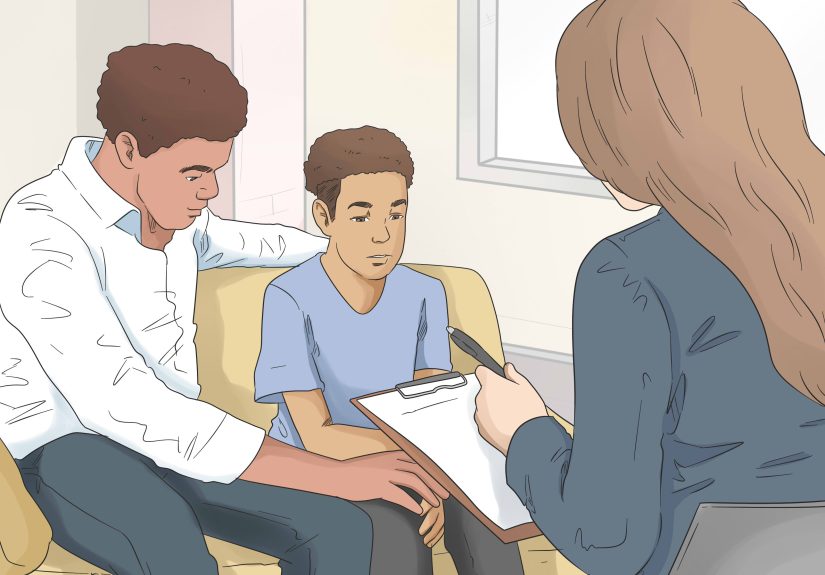
If you’re in school: talk to a teacher, counselor, coach, or administrator. If you’re at work: talk to a manager or
HR. If it’s online: report, block, and document. If it’s family: recruit a supportive relative or parent/guardian.
Helpful language when asking for support:
“This person keeps commenting on my body. I asked them to stop. It’s affecting me. I need help addressing it.”
Step 4: Document patterns (quietly, calmly)
If the behavior is ongoing, keep notes: dates, what was said, where it happened, who witnessed it, and screenshots
if it’s online. Documentation isn’t about dramait’s about clarity.
Step 5: Protect your mental space with “identity anchors”
When people fixate on your body, it can feel like that’s all they see. Identity anchors are reminders of who you are
beyond appearance:
- Your values (kindness, creativity, loyalty, courage).
- Your skills (music, coding, sports IQ, cooking, art, leadership).
- Your roles (friend, sibling, teammate, student, community member).
A practical habit: write three “not body” wins each week. Example: “Helped my friend study,” “nailed my presentation,”
“made it through a stressful day without quitting.” That’s confidence that can’t be measured in inches.
What Not to Do (Because It Sounds Logical but Often Backfires)
-
Don’t overexplain your body. You don’t need to list your meals, your genetics, your health history,
or your workout schedule to earn basic respect. -
Don’t accept “It’s a compliment” as a free pass. Impact matters. If it makes you uncomfortable,
you can set a limit. -
Don’t “joke along” if it hurts. Laughing can be a safety move, but you’re allowed to choose a
different response later. -
Don’t turn it into a body competition. The goal isn’t “who has it worse.” The goal is: stop the
unwanted comments and protect your well-being.
Real-Life Experiences: What This Looks Like Outside the Advice Column (About )
In real life, body comments rarely arrive politely, on schedule, with a discussion guide. They show up in the
hallway, at the dinner table, in the locker room, in the group chat, or from that one coworker who treats “honesty”
like a personality type.
Take the classic family gathering: someone you haven’t seen in months greets you with “Wow, you’re so skinny!”
Everyone laughs like it’s harmless. You smile because you’re trying not to make it weirdeven though it already is.
Later, you replay it and wonder why it bothered you. Often it’s because the comment turns your body into a public
announcement, and you didn’t consent to that.
Or consider school: a classmate says “skinny” the way people say nicknamesagain and againuntil it becomes a label.
They may claim it’s “just teasing,” but repetition makes it feel less like a joke and more like a spotlight. Some
people start changing what they wearbaggy hoodies, extra layersbecause they’re trying to shrink attention, not
themselves. That’s a huge clue: the problem isn’t your body; it’s the environment.
Sports can be tricky too. In some spaces, body talk gets disguised as “performance talk.” Someone might comment on
your size like it’s a scouting report. If it’s constructive and invitedfine. But when it’s casual commentary (“You
look tiny out there”), it can mess with your confidence. A simple boundary like “Let’s keep feedback about training,
not bodies” protects you without starting a feud.
Online is its own universe. A harmless photo turns into “You’re so skinny” in the comments, followed by a weird
chain reaction: some people praise it, others warn you, a few make jokes, and suddenly your body is the main topic.
The healthiest move here is often the least dramatic: delete, restrict, block, report. You don’t need to host a
debate about your existence on your own page.
A lot of people also describe the “concern” version: a friend says, “Are you eating enough?” and you can tell they
mean well, but it still feels invasive. This is where tone and context matter. If it’s a trusted friend in private,
you might say: “I’m okay, but body comments stress me out. If you’re worried, ask how I’m feeling instead.” That
teaches them a better way to care.
The common thread in these experiences is that coping gets easier when you stop trying to control other people’s
opinions and start controlling your response: a prepared script, a clear boundary, and a support plan when the
comments cross the line. You’re not “too sensitive.” You’re noticing that respect should be standard, not something
you have to earn by explaining your body.
Conclusion
Dealing with people calling you skinny isn’t about finding the perfect comebackit’s about protecting your dignity.
Set a boundary so your body isn’t up for discussion. Reframe the comment so it doesn’t become your inner narrator.
And if it keeps happening, treat it like the real issue it is: repeated body talk can become bullying, and you
deserve backup.
Your body is not a public suggestion box. You get to decide what’s discussed, what’s off-limits, and what kind of
respect you require.