Table of Contents >> Show >> Hide
- What Sciatica Feels Like During Pregnancy (and What It Isn’t)
- Why Pregnancy Can Trigger Sciatica Pain
- Way #1: Gentle Movement + Targeted Stretches (Without Overdoing It)
- Way #2: Support + Posture Tweaks That Take Pressure Off the Nerve
- Way #3: Calm the Flare with Heat/Cold, Safe Hands-On Options, and (If Needed) Medication Guidance
- When to Call Your OB/Midwife Right Away
- A Simple 10-Minute Daily Routine to Keep Sciatica Calmer
- Real-World Experiences: What People Commonly Notice (and What Actually Helps)
- Experience #1: “I thought rest would fix it… but gentle movement helped more.”
- Experience #2: “The sleep setup was a game-changer.”
- Experience #3: “Support belts felt silly… until they didn’t.”
- Experience #4: “Heat + cold became my emergency toolkit.”
- Experience #5: “Physical therapy made it feel manageable.”
- Final Thoughts
- SEO Tags
Pregnancy does a lot of magical thingslike growing a whole humanand a few less-magical thingslike making your butt cheek feel like it’s hosting a tiny lightning storm.
If you’re dealing with sciatica pain during pregnancy, you’re not being dramatic. Sciatica is real, common, and annoyingly good at showing up when you’re just trying to put on socks without turning it into a CrossFit event.
This guide breaks down three practical, pregnancy-friendly ways to ease sciatica pain, with clear steps, safe modifications, and “do this / don’t do that” tips. It’s written for real lifewhere you still have to sit, stand, sleep, and occasionally laugh at the fact that sneezing can become a full-body adventure.
Important note: This is educational, not medical advice. Always check with your OB/midwifeespecially if your symptoms are severe, sudden, or come with red-flag signs listed later.
What Sciatica Feels Like During Pregnancy (and What It Isn’t)
Sciatica is typically nerve pain that starts in the low back or buttock and can travel down the back of the thigh, sometimes into the calf or foot.
People often describe it as sharp, burning, shooting, or like an electric “zing.” You might also notice tingling, numbness, or weakness.
Here’s the tricky part: not all “pain that goes down the leg” is true sciatica. Pregnancy can also cause pelvic girdle pain, muscle tightness, or joint irritation that feels similar.
The good news? The relief strategies below often help either waybecause they reduce pressure, improve movement patterns, and calm irritated tissues.
Why Pregnancy Can Trigger Sciatica Pain
Sciatica happens when the sciatic nerve (or the nerve roots that form it) gets irritated or compressed. During pregnancy, several changes can raise the odds:
- Posture shifts: Your center of gravity moves forward, which can increase strain in the lower back and hips.
- Ligament loosening: Pregnancy hormones can make joints a bit more “mobile,” which is helpful for birthbut can also reduce stability.
- Muscle overload: Glutes, deep hip rotators, and core muscles may work differently, and some tighten up to compensate.
- Growing uterus + added load: More weight and pressure can affect the lower back, pelvis, and surrounding muscles.
Translation: your body is adapting fast. Sciatica can be a sign that your support systemmuscles, movement habits, and daily positionsneeds a little rebalancing.
Way #1: Gentle Movement + Targeted Stretches (Without Overdoing It)
When sciatic pain flares, the instinct is to freeze like a startled deer. But in many cases, gentle movement helps because it improves circulation, reduces muscle guarding, and encourages the nervous system to calm down.
The key is smart movement, not “let’s try a new workout trend at 2 a.m.”
Your 3 rules for pregnancy-safe stretching
- Stay in the “mild stretch” zone: You want relief, not a heroic story about how you “powered through” and regretted it later.
- Skip deep twists and aggressive hamstring yanks: If it triggers nerve pain, it’s not the one.
- Change positions if you feel dizzy, short of breath, or uncomfortable: Especially later in pregnancy.
Try this mini routine (5–8 minutes)
1) Cat-Cow (hands and knees)
- Start on all fours, hands under shoulders, knees under hips.
- Inhale: gently lift chest and tailbone (cow).
- Exhale: round your back and tuck your pelvis (cat).
- Do 6–10 slow reps. Keep it smoothno rage-flexing.
2) Seated Figure-4 Hip Stretch (piriformis-friendly)
- Sit tall on a sturdy chair.
- Cross one ankle over the opposite knee (like making a “4”).
- Lean forward slightly with a long spine until you feel a gentle stretch in the hip/buttock.
- Hold 20–30 seconds. Repeat 1–2 times per side.
3) Standing Pelvic Tilts (posture reset)
- Stand with your back against a wall (or just stand tall).
- Gently tuck your pelvis (flatten low back slightly), then release to neutral.
- Do 8–12 slow tilts, breathing normally.
4) Short walk or gentle sway
- If you can, take a 5–10 minute walk at an easy pace.
- If walking hurts, try slow side-to-side swaying while holding a counter for support.
When to upgrade to professional help
If pain keeps returning, the best “stretch” might actually be prenatal physical therapy. A PT can check which movements irritate your nerve, strengthen the right muscles, and give you modifications that match your trimester and your daily life (yes, including “how do I get out of the car without making weird noises?”).
Way #2: Support + Posture Tweaks That Take Pressure Off the Nerve
Sciatica during pregnancy often gets worse with certain positionslike standing with your hips pushed forward, sitting with your pelvis tucked under, or sleeping twisted like a pretzel.
Small changes can make a big difference because they reduce compression and help your muscles share the workload.
Start with the “stacking” trick (instant posture upgrade)
Think: ribs stacked over pelvis. Not military-stiffjust aligned.
- Soften your knees.
- Bring your ribcage back so you’re not “arching and bracing” all day.
- Let your shoulders relax down and back.
- Imagine a string lifting you from the top of the head.
Use supportive gear (because you don’t get bonus points for suffering)
- Maternity support belt: Can reduce strain by helping support the belly and improving posture. Many people find it especially helpful in the second and third trimesters.
- Supportive shoes: Cushioned, stable shoes can reduce stress up the chain (feet → hips → back). Flat, unsupportive shoes can make everything work harder.
- Chair + pillow setup: Place a small pillow or rolled towel behind your low back. Keep feet flat and avoid perching on the edge like a nervous bird.
Pregnancy sleep positioning for sciatica relief
Sleep can be the difference between “I’m okay” and “why does my leg hate me?” Try:
- Side-lying (often left side is recommended): Place a pillow between knees to keep hips aligned.
- Add belly support: A small pillow under the belly can reduce pulling through the low back.
- Try a wedge or body pillow: If rolling is your new hobby, a long pillow can help you stay more comfortable.
Daily movement habits that protect your back and hips
- Hip-hinge to lift: Bend at hips and knees, keep object close, avoid twisting.
- Break up sitting/standing: Set a “position change” goal every 30–45 minutes (a short walk to refill water counts).
- Get in/out of the car like a pro: Sit first, then swing legs together. Twisting one leg out first can flare the hip and back.
Way #3: Calm the Flare with Heat/Cold, Safe Hands-On Options, and (If Needed) Medication Guidance
Sometimes you’ve moved, you’ve stacked your posture, you’ve slept with six pillows like you’re building a pillow fort… and your sciatic nerve is still cranky.
That’s when symptom-calming tools can helpespecially during acute flare-ups.
Heat and cold therapy (simple, effective, and doesn’t require pants)
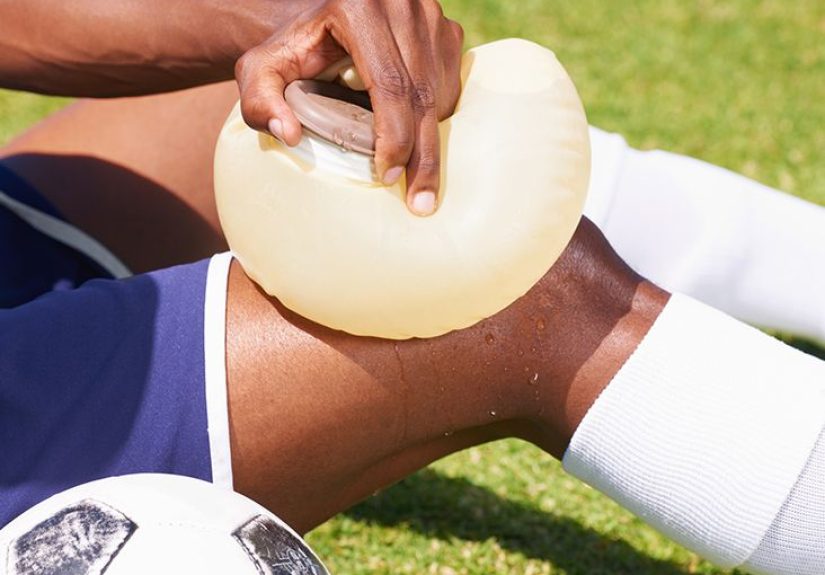
- Cold pack: Wrap in a towel and apply to the painful area (often buttock/low back) for 10–20 minutes.
- Heat: Warm shower or heating pad on low for 10–15 minutes. Avoid high heat and don’t fall asleep with a heating pad on your skin.
- Alternate if helpful: Some people feel best using cold first, then heat later.
Safety tip: Keep heat away from overheating your core body temperature. If you’re unsure what’s safe for you in your trimester, ask your prenatal provider.
Hands-on options many pregnant people use
- Prenatal massage: Look for a therapist trained in pregnancy massage, especially if tight glutes/hip muscles are part of the problem.
- Physical therapy: Not just exercisesPTs can also teach movement strategies, gentle manual techniques, and supportive taping in some cases.
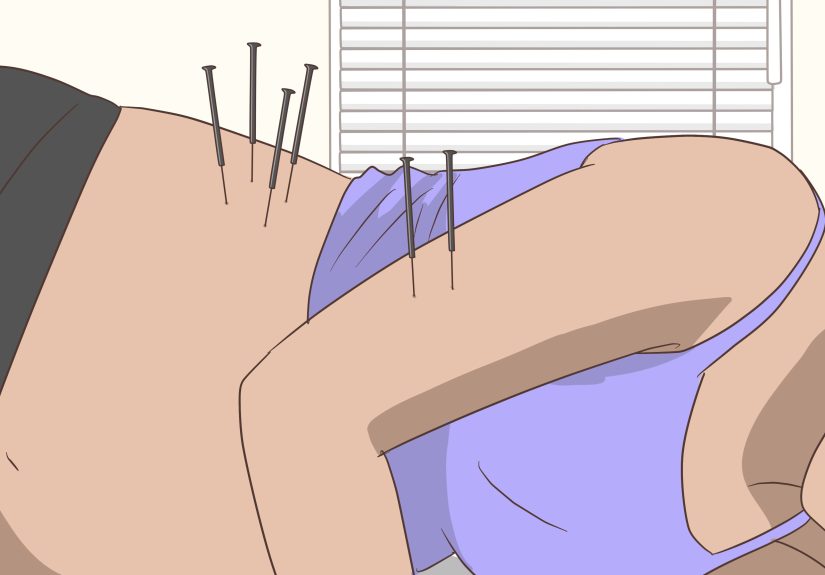
- Acupuncture: Some research suggests it may help pregnancy-related back pain for certain people. Always choose a licensed practitioner and get the green light from your provider first.
- Chiropractic care: Some pregnant people find relief, but it’s not a one-size-fits-all solution. If you’re considering it, use a licensed clinician experienced with prenatal care and check with your OB/midwife first.
Medication basics (talk to your provider first)
Medication choices during pregnancy are different than “regular life.” Many clinicians consider acetaminophen an option for pain relief during pregnancy, but dosage and suitability should be confirmed with your healthcare team.
In contrast, some sources advise avoiding NSAIDs (like ibuprofen or naproxen) during pregnancy unless specifically recommended by your clinician.
If you’re in significant pain, don’t self-manage in silenceask your prenatal provider what’s appropriate for your situation.
Your “flare plan” (copy/paste into real life)
- Change positions (stand up, walk 2 minutes, or do gentle cat-cow).
- Use cold for 10–20 minutes on the most painful area.
- Do the seated figure-4 stretch gently (20–30 seconds).
- Switch to heat (warm shower or low heat pad) for 10–15 minutes.
- Set up sleep support: pillow between knees + belly support.
- If pain persists or worsens, contact your provider or ask about prenatal PT.
When to Call Your OB/Midwife Right Away
Most pregnancy-related sciatica is uncomfortable but not dangerous. Still, some symptoms should be treated as urgent.
Contact your healthcare team promptly if you have:
- Weakness in the leg (tripping, foot drop, or trouble lifting the foot)
- Loss of bowel or bladder control
- Numbness in the groin/saddle area
- Severe pain after a fall or injury
- Back pain with fever, vaginal bleeding, burning with urination, or contractions (could signal infection or preterm labor concerns)
- Pain that is severe, worsening, or not improving after about two weeks
If you’re ever unsure, it’s better to call. You’re not “bothering” anyoneyou’re doing preventive care.
A Simple 10-Minute Daily Routine to Keep Sciatica Calmer
On “normal” days, this helps prevent flare-ups. On flare days, do just what feels good.
- 2 minutes: Easy walk around the house (or gentle standing sway).
- 2 minutes: Cat-cow on hands and knees (slow and controlled).
- 2 minutes: Standing pelvic tilts + posture stacking reset.
- 2 minutes: Seated figure-4 stretch (both sides, gentle).
- 2 minutes: Calm breathing: inhale 4 seconds, exhale 6 seconds, shoulders relaxed.
If you can only do one thing: change positions more often. Small, frequent movement “snacks” tend to beat one big effort followed by a crash.
Real-World Experiences: What People Commonly Notice (and What Actually Helps)
Everyone’s pregnancy is different, but people dealing with pregnancy sciatica often describe surprisingly similar “aha” moments.
Below are common patterns and composite experiences (not medical claims, and not a substitute for individualized care), meant to make you feel less aloneand more equipped.
Experience #1: “I thought rest would fix it… but gentle movement helped more.”
A lot of pregnant people try to solve sciatic pain by resting as much as possible. The problem? Long periods of sitting or lying in one position can make the hips and low back stiff, which can irritate the nerve even more.
Many people report that the first noticeable improvement came from tiny movement breaks: standing up every 30–45 minutes, walking to the kitchen, doing a few slow cat-cow reps, then returning to their day.
The “win” wasn’t a dramatic cureit was that the pain became less frequent and flares were shorter. The routine felt almost too simple… which is exactly why it worked. Consistency beats intensity.
Experience #2: “The sleep setup was a game-changer.”
Sleep is where sciatica can feel extra rudebecause you’re not even doing anything wrong. Many people notice their symptoms are worst at night or first thing in the morning.
One of the most common “why didn’t I do this sooner?” changes is pillow engineering:
- A pillow between the knees to keep hips aligned
- A small pillow supporting the belly so the back isn’t tugged forward
- A body pillow to prevent rolling into an awkward twist
People often say the goal isn’t perfect comfortit’s reducing the number of times you wake up feeling like your hip is arguing with your spine.
Better sleep can also reduce overall pain sensitivity the next day (because exhaustion makes everything feel louder, including nerves).
Experience #3: “Support belts felt silly… until they didn’t.”
Some pregnant people hesitate to try a maternity support belt because it seems like an “extra product.” But a common experience is:
“I wore it for 20 minutes and thought, oh… my body was working overtime.”
Belts don’t fix sciatica by themselves, but they often help reduce the constant strain that builds during standing, errands, childcare, or work shifts.
Many people use them strategically: during longer walks, while cooking, or on days when they’re on their feet more than usual.
Experience #4: “Heat + cold became my emergency toolkit.”
During a flare, people commonly report that cold helps first (especially if the pain feels sharp or inflamed), and heat helps later (especially if muscles feel tight and guarded).
A typical “toolkit” that people actually stick with looks like:
- Cold pack (wrapped) for 10–20 minutes
- Gentle stretch that doesn’t trigger nerve pain
- Warm shower or low heat for 10–15 minutes
The biggest lesson people share: don’t wait until the pain is a 10/10. Using these tools earlyat the first signs of a flareoften makes the episode shorter and less intense.
Experience #5: “Physical therapy made it feel manageable.”
Many pregnant people assume physical therapy is only for injuries, but prenatal PT is often described as the most practical help:
someone watches how you move, identifies what’s irritating your nerve, and gives you a plan that fits your stage of pregnancy.
People commonly say the best part wasn’t a single miracle exerciseit was learning exactly what to do when pain spikes, how to get out of bed without flaring symptoms, and how to strengthen supportive muscles safely.
If there’s one takeaway from all these experiences, it’s this: relief usually comes from a combination.
A little movement, better support, and a flare plan often work better together than any single trick on its own.
Final Thoughts
Sciatica pain during pregnancy can feel unfair (because it is), but it’s also often manageable with the right strategy.
Start with the three pillars:
gentle movement, support + alignment, and flare-calming tools.
And if you’re stuck, don’t “push through”use your care team. Prenatal physical therapy can be one of the fastest routes to real, lasting relief.
You’re doing a hard thing. Be kind to your body. It’s literally building a person and running a construction site at the same time.