Table of Contents >> Show >> Hide
- What “Subway Tile” Really Means (and Why Pattern Matters)
- 1) Classic Running Bond (Half-Offset “Brick” Pattern)
- 2) One-Third Offset (or One-Quarter Offset) for a Fresh, More Modern Brick Look
- 3) Horizontal Stack Bond (Straight Stack / Grid)
- 4) Vertical Stack Bond (Rotate 90° and Watch the Ceiling “Grow”)
- 5) Vertical Running Bond (The Brick Pattern’s Tall, Dramatic Cousin)
- 6) Herringbone (45° Zigzag That Screams “I Hired a Designer”)
- 7) Crosshatch (A “Tetris” Layout That’s Bold Without Being Loud)
- 8) Basketweave (Classic, Textural, and Surprisingly Cozy)
- How to Choose the Right Subway Tile Pattern (Without Overthinking It)
- Conclusion: One Tile, Eight Personalities
- Extra: Real-World Experiences (The Stuff You Learn After You’ve Bought the Tile)
Subway tile patterns are the design equivalent of changing your part from middle to side: it’s still you, but suddenly everyone thinks you “did something.” One humble rectangle can read classic, modern, artsy, or “I swear I didn’t mean to start a major renovation” depending on how you rotate, offset, and repeat it. The best part? You don’t need a fancy tile shape to get a custom lookjust a simple shift in layout.
Below are eight subway tile layouts that can transform a kitchen backsplash, bathroom wall, shower surround, laundry room, or fireplace façade. Each pattern comes with practical design notes (because beauty is nice, but not if it requires 400 micro-cuts around an outlet). Let’s make those rectangles work for their paycheck.
What “Subway Tile” Really Means (and Why Pattern Matters)
“Subway tile” usually refers to a rectangular tilemost famously the classic white, glazed style associated with early 1900s subway stations. The iconic size people picture is 3×6 inches, but modern subway tiles also come in longer and larger formats like 4×8 and 6×12, plus slimmer shapes like 2×8 or 2×10. Size changes the vibe: smaller tiles = more grout lines (more texture), larger tiles = a calmer, more seamless field.
Pattern matters because it controls visual direction. Want a room to feel wider? Emphasize horizontal lines. Want higher ceilings? Send lines upward. Want movement? Choose diagonals or zigzags. And if you’re the “I like it tidy” type, a grid pattern will make your heart sing.
1) Classic Running Bond (Half-Offset “Brick” Pattern)
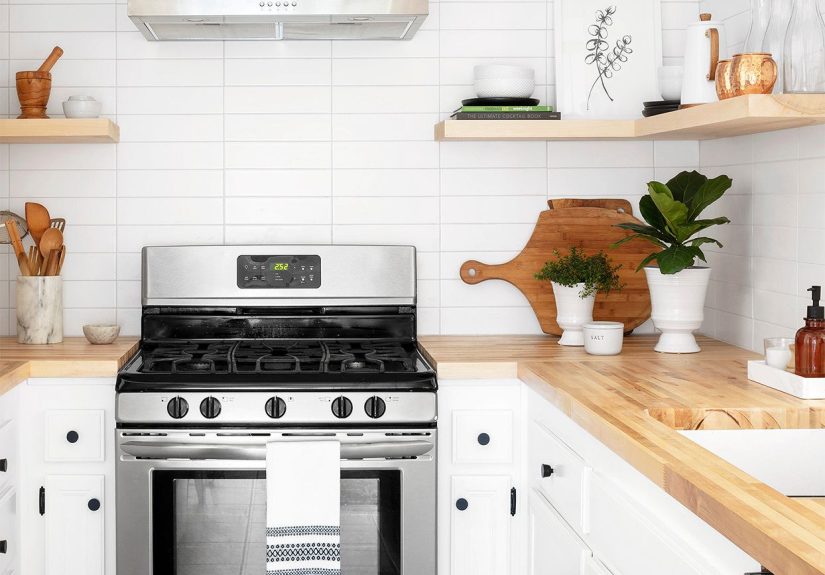
This is the OG subway tile layout: each row is offset by half a tile, like a brick wall. It’s timeless, forgiving, and plays nicely with nearly any styletraditional, farmhouse, modern classic, you name it.
Why it transforms a space
Running bond adds rhythm without stealing the show. It also “hides” small inconsistencies, which is a polite way of saying it won’t announce every slightly-out-of-square corner to your guests.
Best for
Backsplashes, shower walls, tub surrounds, and anywhere you want a clean look with a little movement. Pro tip: If you’re using a longer subway tile (think 4×12 or 3×12), plan your cuts so you don’t end up with skinny slivers at the endsthose are the tile version of bad bangs.
2) One-Third Offset (or One-Quarter Offset) for a Fresh, More Modern Brick Look
Instead of shifting each row by half a tile, you offset by about one-third (or one-quarter). The result is still familiar, but it feels more contemporary and a bit more “designed.”
Why it transforms a space
This subtle tweak changes the cadence of the grout lines, which can make a common tile choice feel custom. It’s also handy with larger rectangular tiles, where a smaller offset can reduce alignment issues caused by slight tile bowing.
Best for
Modern kitchens, minimal bathrooms, and long walls where you want visual interest without a busy pattern. Pro tip: If your countertop or tub deck is your main “horizon line,” keep your first course laser-level and let the offset do the styling.
3) Horizontal Stack Bond (Straight Stack / Grid)
Tiles line up perfectlyno offsetforming crisp vertical and horizontal grout lines. This is subway tile’s cleanest, most graphic outfit.
Why it transforms a space
Stack bond turns a classic material into something that reads modern and architectural. Because everything aligns, the pattern feels orderly and intentionallike your pantry after you bought matching containers (even if the drawers below are chaos).
Best for
Contemporary kitchens, midcentury-inspired baths, or any space where you want a strong, structured look. Pro tip: Stack bond is less forgiving: crooked lines show. Use spacers, check level often, and consider a slightly smaller grout joint for a tighter, sleeker grid.
4) Vertical Stack Bond (Rotate 90° and Watch the Ceiling “Grow”)
Take the same stack bond grid and rotate the tile vertically. Same ingredients, totally different personality.
Why it transforms a space
Vertical lines pull the eye upward, which can make a bathroom feel taller and a kitchen backsplash feel more statement-worthy. It’s one of the simplest ways to make subway tile look updated without changing the tile itself.
Best for
Small bathrooms, shower walls, and backsplashes you want to feel “higher-end hotel,” not “builder basic.” Pro tip: If you have upper cabinets, vertical stack can look especially sharp when the grout lines visually “point” to the underside of the cabinetslike built-in alignment.
5) Vertical Running Bond (The Brick Pattern’s Tall, Dramatic Cousin)
This is running bond, but rotated verticallytiles stand upright and are offset (half, third, or quarter). It’s classic-meets-modern, and it changes how your walls read instantly.
Why it transforms a space
You get the forgiving nature of an offset pattern plus the height-boosting effect of vertical orientation. It’s great when you want a subtle pattern that still feels like a design choice.
Best for
Shower surrounds, powder rooms, and narrow kitchen runs where you want to add lift. Pro tip: Try a one-third vertical offset for an extra contemporary lookespecially with longer tiles.
6) Herringbone (45° Zigzag That Screams “I Hired a Designer”)
Herringbone uses rectangular tiles to create a repeating V-shape. It adds movement, texture, and a sense of craftsmanshipeven in plain white tile.
Why it transforms a space
Herringbone is dynamic: it catches light differently across the angles and turns grout lines into a feature. It can also create a subtle illusion of length or height depending on orientation.
Best for
Feature walls, shower walls, niche back panels, statement backsplashes, and fireplace surrounds. Pro tip: Plan your starting point carefully (often a centerline) and expect more cuts and waste than straight layouts. If you want the look with less fuss, consider herringbone mosaic sheetsbut still dry-lay first to check alignment.
7) Crosshatch (A “Tetris” Layout That’s Bold Without Being Loud)
Crosshatch layouts group tiles in small sets (often pairs or triplets) that alternate directionhorizontal then verticalcreating a woven, geometric rhythm. It’s the kind of pattern people notice, but can’t immediately name… which is basically design catnip.
Why it transforms a space
Crosshatch adds structure and visual texture without the heavy diagonal energy of herringbone. It’s also a great compromise if you want something more interesting than running bond but less “statement” than a full zigzag.
Best for
Mid-size feature walls, powder rooms, and backsplashes where you want a subtle wow. Pro tip: Use a contrasting grout for a graphic look, or a close-match grout for a softer, more textured effect.
8) Basketweave (Classic, Textural, and Surprisingly Cozy)
Basketweave mimics the look of woven strips. With subway tile, it’s usually built by creating squares made of stacked rectangles, then alternating the direction of those squares (horizontal stack next to vertical stack).
Why it transforms a space
Basketweave adds texture and a touch of vintage charm, even in modern colors. It can make walls feel warmer and more layeredlike your tile is wearing a sweater.
Best for
Bathroom walls, shower accents, laundry rooms, and smaller focal areas. Pro tip: Basketweave needs space to read clearly. If your backsplash run is chopped up by lots of outlets and corners, consider using basketweave as an inset panel behind the range instead of across the whole wall.
How to Choose the Right Subway Tile Pattern (Without Overthinking It)
Use the room’s “problem” to pick the pattern
- Room feels short? Go vertical (Vertical Stack or Vertical Running Bond).
- Room feels narrow? Emphasize horizontals (Running Bond or Horizontal Stack).
- Room feels plain? Add movement (Herringbone or Crosshatch).
- Room feels cold? Add texture (Basketweave) or warm grout tones.
- You want timeless and low-stress? Running Bond is your best friend.
Think about grout like it’s paint trim
Grout color and joint width can completely change the look of subway tile. High-contrast grout makes the pattern graphic and bold. Matching grout makes the surface feel more continuous and calm. If you want the layout to be the star, use contrast. If you want the tile’s glaze (handmade variation, texture, gloss) to be the star, use a closer match.
Don’t skip the dry layout (especially for patterns 3–8)
Before you commit with thinset, lay out a few rows on a flat surface or mock up your pattern with painter’s tape on the wall. This catches awkward cuts earlylike realizing your “centered” layout actually centers a grout joint right behind the faucet. That’s not a tragedy, but it’s also not a vibe.
Conclusion: One Tile, Eight Personalities
Subway tile is popular because it’s dependablebut it’s not doomed to be boring. A simple shift in orientation or offset can change the entire mood of your space, from classic to contemporary to “yes, I absolutely meant to do that.” Pick a pattern that solves a real design need (height, width, texture, drama), pair it with a grout strategy that supports the look, and your walls will do more than just sit there looking tiled.
Extra: Real-World Experiences (The Stuff You Learn After You’ve Bought the Tile)
If you’ve ever stared at a wall mid-renovation and wondered, “Is this… good?”welcome to the club. In real projects, the difference between “Pinterest-perfect” and “why does this feel off?” is usually not the tile itself. It’s the pattern decisions you make in the boring moments: where you start, where you end, and what you do when the wall refuses to be a neat rectangle.
One common experience: people fall in love with herringbone online, then discover that herringbone is basically a geometry test you didn’t study for. The pattern is worth it, but it demands planning. Homeowners who are happiest with herringbone are the ones who treat it like a feature, not wallpaperusing it behind the range, on a shower back wall, or inside a niche. That way, the pattern reads as intentional, and you reduce cuts around outlets and corners (which is where time and budget go to “just one more hardware store run”).
Another frequent lesson: stacked patterns look stunning… and also highlight every tiny alignment issue. In real kitchens, that means the secret hero is not the tileit’s the first level line. If the first course is off by even a little, the grid starts to drift, and once you notice it, you’ll never unsee it. The best outcomes come when installers use spacers consistently, check level constantly, and adjust early. People who choose stack bond and then try to “eyeball it” usually end up with a backsplash that has the energy of a slightly crooked picture frame.
Grout is where expectations get spicy. Many homeowners expect white subway tile to look “clean” no matter what, then pick a bright white grout and realize: grout is not paint. It can darken, stain, and age differently depending on location. On the flip side, contrast grout looks incredible in photos, but in a busy kitchen, it can make every line feel louder. The happiest middle ground tends to be a soft gray or warm greige that outlines the pattern gently without turning the wall into graph paper.
You’ll also hear this from people who have lived with their tile for a while: pattern choice is emotional, not just visual. Running bond feels familiar and relaxing. Vertical layouts feel fresh and slightly boutique. Basketweave feels cozy and crafted. Crosshatch feels playful and design-forward. That’s why it helps to decide what you want the room to “say.” If your kitchen already has bold counters, loud veining, or dramatic cabinet hardware, a quieter tile pattern can be the perfect supporting actor. If everything else is calm, the tile pattern can be the personality.
Finally, the most relatable experience of all: at some point you will hold up a tile, step back three feet, and realize the lighting changes everything. Glossy tile bounces light and can make a small space feel brighter, but it also highlights uneven walls. Matte tile hides imperfections but can read flatter in dim rooms. The “right” answer is the one that works with your actual lightingmorning, evening, under-cabinet LEDs, and that one overhead fixture you swear you’ll replace someday. (Sure. We all will.)
If you take nothing else: a subway tile pattern is a design lever. Pull it gentlyrotate, offset, stack, zigzagand your space can look completely different without changing the tile you already love.