Table of Contents >> Show >> Hide
- First: A 20-Second Reality Check (So You Don’t Fight the Wrong Noise)
- Way #1: Use the Key Fob Like a Remote “Off Switch” (Unlock, Lock, and Panic)
- Way #2: Use the Physical Key + Ignition to Prove It’s You (Old-School, Still Effective)
- Way #3: Power-Cycle the System (Last Resort Reset) and Get Help If It Returns
- Why Your Car Alarm Won’t Quit (Common Causes That Make It “False Alarm Famous”)
- How to Prevent Round Two (So This Doesn’t Become Your Car’s New Hobby)
- FAQ: Quick Answers When You’re Standing There Embarrassed
- Experiences Drivers Commonly Have With a Non-Stop Car Alarm (500+ Words of Real-World Vibes)
- Wrap-Up: Quiet the Alarm, Then Fix the Cause
Your car alarm is supposed to scare off bad guys. Instead, it’s scaring off your neighbors, the mail carrier, and your own will to live.
Whether it’s honking in your driveway at 2 a.m. or screaming in a parking lot like it just watched a horror movie, the goal is the same:
make it stopquickly, safely, and without turning your morning into a full-blown electrical mystery novel.
This guide focuses on legitimate, owner-friendly steps that work on most modern vehicles. If you don’t have lawful access to the car
(no key, no fob, no permission), don’t try to “solve” the problemcall the owner or property/security staff.
Now, for everyone who does own the car: let’s silence the drama.
First: A 20-Second Reality Check (So You Don’t Fight the Wrong Noise)
Before you start pushing buttons like you’re trying to launch a rocket, confirm what’s actually happening:
- Is it the alarm or the horn? A stuck horn relay can sound like an alarm meltdown.
- Look for flashing lights. Many alarms flash hazards while sounding.
- Check the fob. A “panic” button can be accidentally pressed in a pocket, purse, or under a snack wrapper.
If it’s clearly the alarm (sirens + flashing), move to the three solutions belowstarting with the easiest and most common.
Way #1: Use the Key Fob Like a Remote “Off Switch” (Unlock, Lock, and Panic)
Most factory alarms are designed to shut off when the car recognizes an authorized command. Translation:
your key fob is usually the fastest “shut it” button you’ve got.
Step A: Press Unlock (Yes, Even If It’s Already Unlocked)
Stand close to the driver’s door and press Unlock once. If nothing changes, press it again.
Some vehicles are picky about signal timing and rangeespecially if the fob battery is weak or there’s interference nearby.
Step B: Try the Lock → Unlock Combo
If Unlock alone doesn’t work, do this sequence:
- Press Lock once.
- Wait a beat (one Mississippi is fine).
- Press Unlock.
Why it helps: the alarm module sometimes “listens” for a valid arm/disarm cycle. The combo essentially reminds the car,
“Hi, I’m the ownerplease stop yelling.”
Step C: The Panic Button Trick (Toggle It Off)
If the alarm is in panic mode (or accidentally triggered by the panic button), pressing Panic again can cancel it.
On some fobs you may need to hold it briefly; on others it’s a quick press. Either way, think of Panic as a light switch:
sometimes the fastest way to turn it off is… to hit the same switch that turned it on.
What If the Fob Seems “Dead”?
If you press buttons and get nothingno flash, no chirp, no responseassume the fob battery is weak or the fob is malfunctioning.
Common clues include reduced range, delayed response, or random alarm triggers when the fob is in your pocket.
- If you have a spare fob: try it immediately. This is the quickest way to confirm a fob issue.
- If you don’t: move to Way #2 (physical key + ignition), which works even when the fob battery is failing on many cars.
Way #2: Use the Physical Key + Ignition to Prove It’s You (Old-School, Still Effective)
Even in the era of push-button everything, many alarms will stop once the vehicle confirms a valid key (or valid fob presence)
through the door lock cylinder or ignition system. This method is especially useful when your fob battery is weak, your fob is lost,
or the alarm refuses to accept remote commands.
Step A: Unlock the Driver’s Door With the Physical Key
If your fob has a hidden metal key (many do), remove it and unlock the driver’s door manually.
Some alarms will disarm immediately when they sense a valid key turn in the driver’s door.
Others will give you a short grace period and expect you to do the next step quickly.
Step B: Start the Car (Or Turn Ignition to ON) Promptly
Once you’re inside, try starting the engine. If the engine start isn’t possible (say, push-button start isn’t recognizing the fob),
turn the ignition to ON if you have a traditional keyed ignition. Many systems quiet down once they authenticate a correctly coded key.
Push-Button Start and a Dead Fob: The “Close-Range” Backup
A lot of push-button start vehicles have a backup method to read the fob when its battery is dead.
Typically, the car can still detect the fob at very close range (near the start button or in a designated spot like the console).
Practical approach:
- Use the hidden metal key to get in (if needed).
- Hold the fob right up against the start button area (or place it where your owner’s manual indicates).
- Press the brake and start the vehicle.
If you’re not sure where the “fob reader” spot is, your owner’s manual will usually spell it out in plain English
(or at least in the kind of English that makes you appreciate librarians).
Bonus: If You Have an Aftermarket Alarm, Look for Valet Mode
Aftermarket alarm systems often include a valet mode designed for service appointmentsmeaning it can temporarily disable alarm triggers.
The activation method varies by brand and install, but it commonly involves turning the ignition on and using a hidden button or sequence.
Important: only use valet-mode procedures if you have the correct instructions for your system. If you don’t know the PIN, switch location,
or sequence, don’t guessguessing is how you turn a simple alarm issue into a “Why does my dashboard look like a Christmas tree?” issue.
Way #3: Power-Cycle the System (Last Resort Reset) and Get Help If It Returns
If the alarm is still going after Ways #1 and #2, you’re likely dealing with either:
(a) a genuine trigger the car thinks is real, or (b) a fault like a weak vehicle battery, a latch sensor, or wiring issue.
In those cases, a controlled reset can stop the noise and buy you time to fix the root cause.
Option A: Turn the Car On, Then Off (A Soft Reset)
If you can start the car, let it run briefly (30–60 seconds), then turn it off. Some alarms stop once the system sees a valid start cycle.
If it restarts immediately after you turn the car off, that’s a strong hint a sensor is still reporting “intrusion” (often hood, trunk, or door).
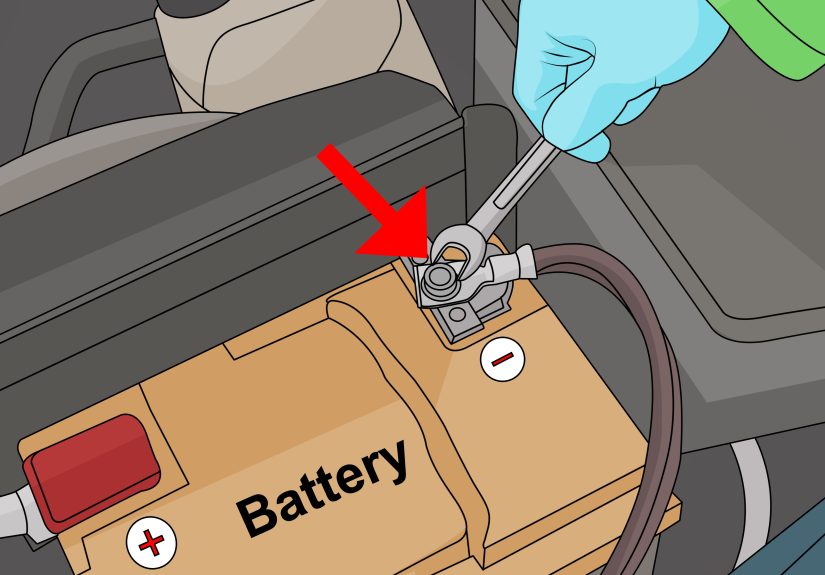
Option B: Disconnect the Battery (A Hard Reset) Only If You’re Comfortable
If the alarm will not stop and you need silence now, disconnecting the car battery can cut power to the alarm module.
This is a legitimate owner move, but it comes with caveats:
- You may lose radio presets, clock settings, and some memory functions.
- Some vehicles may require re-initialization steps (windows, steering angle sensors, etc.).
- If the underlying trigger remains (bad hood switch, weak battery, faulty latch sensor), the alarm can come back later.
General safe approach (owner-friendly, not “hacky”):
- Turn the vehicle fully off and remove the key/fob from the cabin.
- Open the hood.
- Disconnect the negative (-) battery terminal first.
- Wait a few minutes to let modules power down.
- Reconnect the negative terminal securely.
If you’re unsure, skip this step and call roadside assistance. Paying for a tow is annoying;
paying for a tow and a fried electrical component is a deluxe annoyance package you didn’t order.
Option C: Call Roadside Assistance or a Shop (Because Sometimes It’s Not You, It’s the Sensor)
If the alarm keeps returningespecially overnighttreat it as a symptom, not a personality trait.
A pro can test battery voltage, scan for body control module faults, and inspect the usual suspects:
hood latch switch, trunk sensor, door ajar sensors, and wiring.
Why Your Car Alarm Won’t Quit (Common Causes That Make It “False Alarm Famous”)
Once you’ve quieted the alarm, you’ll want to stop the repeat performance. These are the most common real-world causes:
1) Weak or Failing Vehicle Battery
Low voltage can confuse security systems. When the battery is weak, normal electrical fluctuations can look like tampering.
If your car cranks slowly, electronics act weird, or the battery is old, test it.
2) Hood, Trunk, or Door Latch Sensors Acting Up
The alarm can trigger if the car thinks something opened. A slightly misaligned hood latch switch or “door ajar” sensor can cause
random alarmsespecially with temperature changes, vibration, or moisture.
3) Key Fob Problems (Battery, Damage, or Accidental Presses)
A dying fob battery can cause weak signal behavior, and a damaged fob can send erratic signals. Also:
panic buttons get pressed in pockets all the timelike they’re trying to win a contest.
4) Aftermarket Alarm Quirks
Aftermarket systems add features, but also add complexity. Loose connections, aging sensors, or misconfigured sensitivity can lead to
alarms triggered by loud trucks, thunderstorms, or your neighbor’s ambitious bass-heavy playlist.
How to Prevent Round Two (So This Doesn’t Become Your Car’s New Hobby)
- Replace the key fob battery if range is shrinking or response is inconsistent.
- Check your car battery health (especially if it’s 3–5+ years old or you notice slow starts).
- Clean and inspect latches for hood/trunk/doors; make sure everything closes firmly.
- Keep the fob dry and avoid dropselectronics don’t love swimming or gravity.
- If you have an aftermarket alarm, ask the installer or manual how to reduce sensitivity or enable valet mode properly.
FAQ: Quick Answers When You’re Standing There Embarrassed
“Will my car alarm eventually stop by itself?”
Many alarms have a timed cycle and may stop after a short periodthen restart if the system still detects a trigger.
If it’s cycling repeatedly, you need to disarm it (Way #1 or #2) and address the cause.
“Can I just pull a fuse to stop it?”
Vehicles vary, and pulling random fuses is risky. If you’re desperate, consult your owner’s manual to identify the correct circuit.
In many cases, battery disconnect is the safer “universal” last resort than fuse rouletteplus you avoid breaking something unrelated.
“Why does it happen more at night?”
Temperature changes can affect sensor tolerances and battery voltage. Moisture can also worsen marginal switches.
Nighttime also makes it feel louder because, well, everyone is asleep and your car is apparently not.
Experiences Drivers Commonly Have With a Non-Stop Car Alarm (500+ Words of Real-World Vibes)
The internet is full of heroic stories about people calmly shutting off a car alarm in 10 seconds. Reality is often messierand funnierespecially
when you’re living it. Here are a few common “this absolutely happens” scenarios drivers run into, along with what usually works.
(These are composite experiences based on typical owner reports and shop patterns, not one specific person’s tale.)
The Grocery Store Symphony
You walk out with two bags of groceries and the confidence of someone who chose the “good” avocados… only to hear your car alarm going off from three
rows away. You speed-walk at first, trying to look casualbecause sprinting toward a screaming car gives strong “I definitely did something” energy.
Most people hit Unlock repeatedly like they’re playing a rhythm game. If the fob works, the alarm stops and you pretend the last 20 seconds
never happened.
When the fob doesn’t work, that’s when you see the classic tell: you get right up to the car and it still won’t respond. In that moment,
drivers often discover their key fob battery has been dying quietly for weeks (short range, occasional missed clicks) until it finally gave up at the
worst possible time. The “fix” in the parking lot is usually Way #2using the physical key to unlock and then starting the car so the system recognizes you.
The 2 A.M. Neighbor Negotiation
Nighttime false alarms hit different. The world is silent, and your car decides to become a one-vehicle marching band. Drivers often try the simplest
thing first: Lock, then Unlock from the window like a tired wizard casting spells at a distance. Sometimes it works. Sometimes the alarm stops… and then
restarts five minutes later.
When alarms repeat overnight, it often points to a sensor or battery issue. People will swear “nothing touched the car,” and they’re probably right.
A weak car battery can cause voltage dips, and a misbehaving hood latch switch can report “open” even when the hood looks closed. The owner experience here
usually goes: silence it (Way #1 or #2), go back to bed, then schedule a battery test and a latch/sensor inspection the next day because nobody wants a
second round of midnight karaoke.
The Post-Battery-Change Plot Twist
Another common story: someone replaces the car battery, reconnects everything, and suddenly the alarm acts like it’s offended by the concept of electricity.
Owners often think they “broke something,” but it can simply be the car’s modules re-initializing. Pressing Unlock/Disarm can settle it down. In other cases,
starting the car and completing a normal on/off cycle helps the system re-learn “okay, we’re back to normal life now.”
If it still refuses to behave, this is where a controlled power-cycle (Way #3) or professional help makes sense. Modern cars have a lot of computers, and they
don’t all enjoy surprise power outages. The most frustrating part of this scenario is that the alarm problem feels random, but it often has a predictable root:
a low fob battery, a marginal hood sensor, or a vehicle battery/charging issue that needs a proper test instead of guesswork.
The “It Only Happens When It Rains” Curse
Moisture can expose weak pointssticky sensors, corroded connections, or a door switch that’s barely hanging on. Drivers will notice the alarm triggers more
on wet days, during cold snaps, or after a car wash. The short-term solution is the same: disarm it quickly. The long-term solution is boring but effective:
inspect latches, seals, and sensors; make sure everything closes firmly; and repair any failing switch before it turns your driveway into a daily siren demo.
The through-line in almost every experience? The fastest fix is usually a valid “owner signal” (fob Unlock, physical key unlock, ignition authentication).
The lasting fix is addressing the reason the alarm thought something was wrong in the first place.
Wrap-Up: Quiet the Alarm, Then Fix the Cause
If you remember only three things, make them these:
(1) Try the fob (Unlock/Lock/Panic), (2) use the physical key + ignition to authenticate,
and (3) power-cycle only as a last resortthen investigate the underlying trigger.
Your car doesn’t actually want to embarrass you. It just has sensors, voltage, and occasional drama.