Table of Contents >> Show >> Hide
- Why Do Kittens Bite So Much?
- Way 1: Stop Teaching Your Kitten That Hands Are Toys
- Way 2: React the Same Way Every Time Biting Happens
- Way 3: Prevent Bitey Moods Before They Start
- What Not to Do
- When to Call the Vet or a Behavior Professional
- Final Thoughts
- Real-World Experiences: What Kitten Owners Commonly Go Through
- Conclusion
Kittens are adorable, chaotic, and occasionally powered by espresso you did not give them. One minute they are purring in your lap like tiny angels, and the next they are attached to your hand like a furry stapler. If you are dealing with sharp little teeth, the good news is this: kitten biting is common, fixable, and usually more about normal development than “bad behavior.”
The trick is not to out-dramatic the kitten. You do not need a lecture, a squirt bottle, or a courtroom speech about personal boundaries. What you need is a consistent plan that teaches your kitten what to do instead. In most homes, the best approach comes down to three things: stop turning your body into a toy, respond the same way every time biting happens, and prevent the wild goblin moments before they start.
This guide breaks down exactly how to do that, why kittens bite in the first place, and when biting could be a sign that something more serious is going on.
Why Do Kittens Bite So Much?
Before you fix the behavior, it helps to understand it. Kittens bite for a few very normal reasons. Play is the biggest one. Young cats are wired to stalk, pounce, grab, kick, and bite because that is how they rehearse hunting skills. In a litter, they learn bite control by wrestling with siblings. In your house, your moving fingers and ankles can accidentally become the “prey.”
Some kittens also bite because they are overstimulated. A cuddle can turn into a nip when petting goes on too long, excitement ramps up too high, or a kitten simply decides, “That is enough touching, thanks.” Teething can add to the urge to mouth objects, and boredom can make everything look bite-worthy, including hoodie strings, toes, and your last remaining nerve.
The important takeaway is that most kitten biting is not cruelty, spite, or a furry master plan. It is usually play behavior, poor bite inhibition, excess energy, under-socialization, or overstimulation. That is why training works best when it is calm, repetitive, and practical.
Way 1: Stop Teaching Your Kitten That Hands Are Toys
If your kitten thinks your hand is a mouse with opinions, the first job is to change that lesson. A lot of biting problems start innocently. Someone wiggles fingers under a blanket. Someone lets the kitten pounce on toes. Someone says, “It is cute when she attacks my hand,” and then three weeks later searches the internet with a bandage on.
To stop a kitten from biting, remove the biggest source of confusion: do not use hands, feet, or bare arms as play objects. Ever. Not “only when she is in a silly mood.” Not “just for a second.” Not “but she loves it.” Kittens learn through repetition, and mixed signals produce mixed results.
What to do instead
Use toys that create distance between your skin and your kitten’s teeth. Wand toys, teaser toys, fleece toys, plush kickers, lightweight balls, and toy mice work especially well. These let your kitten chase, pounce, grab, and bite in a way that feels satisfying without turning your body into approved prey.
Try short, active play sessions two to four times a day, especially before meals and during the times your kitten tends to go full gremlin. Mimic prey by moving the toy like something alive: let it dart, hide, pause, and “escape.” Your kitten gets a healthier outlet, and you stop accidentally rehearsing bad habits.
If your kitten launches at your hands while you are petting or sitting on the couch, do not turn it into a wrestling match. Calmly redirect to a toy. Keep a few toys in the rooms where biting usually happens so you are not running through the house while being hunted by a six-pound tiger.
A practical example
Imagine your kitten bites whenever you type on your laptop. The moving fingers are exciting, the keyboard is warm, and your attention is clearly a premium product. Instead of pushing the kitten away ten times, place a toy nearby before you start working. When the kitten locks onto your hand, redirect immediately to the toy. Over time, the kitten learns that pouncing on the wand gets a fun response, while biting your fingers does not pay off.
Way 2: React the Same Way Every Time Biting Happens
Consistency is where most progress happens. If one bite gets laughter, one bite gets a dramatic squeal, and one bite gets a time-out, your kitten is getting a very confusing education. The clearest message is simple: biting makes the fun stop.
The moment your kitten bites too hard, end the interaction. Freeze for a second, then calmly disengage. You can stand up, turn away, or leave the area briefly. Keep the response boring and predictable. The goal is not to scare the kitten. The goal is to remove the reward of play, motion, and attention.
How to do it well
Think “calm referee,” not “shocked victim in a soap opera.” Big reactions can actually make biting more exciting. Fast movement may trigger chase instincts. Loud punishment can create fear and make the behavior worse. So skip the yelling, nose tapping, spray bottles, and revenge monologues.
A brief verbal marker such as “ouch” or “no bite” can be useful if you say it the same way every time, but the real lesson comes from what happens next: interaction ends. After a short reset, offer an appropriate toy and reward gentle play with attention and praise.
If your kitten bites during petting rather than active play, respect that boundary. Many cats have a low tolerance for prolonged touching or specific body areas. Learn your kitten’s patterns. Some love cheek rubs but hate belly rubs. Some want affection for twelve seconds and then emotionally resign from the meeting. Pay attention.
Reward the behavior you want
Training is not only about stopping the wrong behavior. It is also about reinforcing the right one. When your kitten plays with a toy instead of your hand, stays calm in your lap, or backs off when redirected, reward that. Gentle praise, a tossed toy, food puzzle time, or a little treat can help the good choices become the default choices.
This matters because kittens are not tiny philosophers. They are not sitting around reflecting on ethics. They repeat what works. Make gentle play more rewarding than bitey play, and you shift the pattern in your favor.
Way 3: Prevent Bitey Moods Before They Start
The best biting fix is often prevention. Many kittens become mouthy when they are under-stimulated, over-stimulated, overtired, or simply running on pure chaos. A solid routine reduces all of that.
Build a daily rhythm
Kittens do well with a schedule that includes active play, meals, rest, and safe exploration. A kitten that has had a good play session is less likely to ambush your ankles because it already spent some energy doing normal cat things. A kitten that has puzzle feeders, climbing spots, scratchers, and rotating toys is less likely to invent your hand as a hobby.
Create a home setup that supports natural behavior. Use cat trees, window perches, cardboard scratchers, tunnels, and solo toys that are safe for independent play. Rotate toys every few days to keep them interesting. Novelty matters when your roommate is a baby predator.
Learn the warning signs
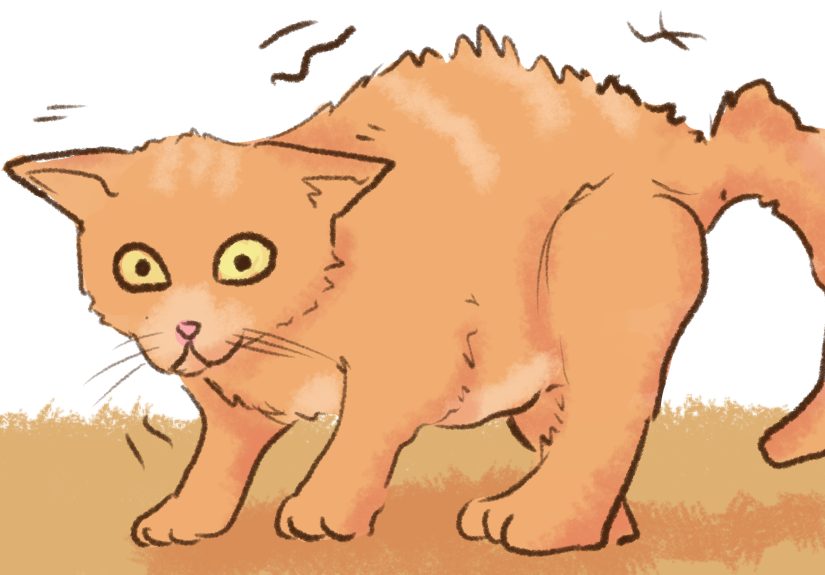
Many bites are predictable once you know what to watch for. A flicking tail, flattened ears, rippling skin, wide pupils, a sudden crouch, or focused stalking can all mean the kitten is about to shift from playful to over-the-top. When you see those signs, redirect early or pause the interaction before teeth get involved.
This is especially important with petting-induced bites. A kitten may seem happy, then suddenly turn and nip because the contact went on too long. That does not mean your kitten is mean. It means your kitten has a limit. Your job is to learn it and stop just before the line.
Consider comfort and health
If biting ramps up suddenly, happens when a certain body part is touched, or comes with hiding, limping, vocalizing, or other behavior changes, do not assume it is “just a phase.” Pain, illness, fear, and stress can change how a kitten reacts. A veterinary visit is a smart move if the behavior is new, intense, or out of character.
What Not to Do
Some anti-biting advice sounds satisfying but creates bigger problems. Avoid physical punishment, shouting, hitting, flicking the nose, or spraying water. These methods may interrupt the moment, but they do not teach appropriate play. Worse, they can damage trust, increase fear, and make a kitten more defensive.
Also avoid roughhousing “just for fun.” A kitten cannot tell the difference between “play-bite only on weekends” and “never bite people.” If the rule is no body-part play, keep it universal. Make sure everyone in the household follows the same plan, or your kitten will graduate from confusion with honors.
When to Call the Vet or a Behavior Professional
Most kitten biting improves with management and consistent training, but some situations deserve extra help. Reach out to your veterinarian if your kitten’s biting becomes sudden, severe, frequent, or clearly linked to touch sensitivity or pain. Also get help if your kitten is hissing, growling, guarding resources, or attacking without the usual signs of play.
If the behavior continues despite consistent training, a veterinary behaviorist or qualified cat behavior consultant can help you sort out the triggers and create a customized plan. There is no shame in calling in backup. Plenty of otherwise lovely kittens behave like tiny land sharks for a while.
Final Thoughts
Stopping a kitten from biting is less about “winning” and more about teaching. Your kitten is learning how to live with humans, and humans are very confusing because we have dangling fingers, moving feet, and extremely tempting hoodie strings. When you replace hand-play with proper toys, end interaction every time biting happens, and prevent overstimulated chaos before it starts, the message becomes clear.
Be patient. Be consistent. Be just a little more boring when the biting starts. Most kittens grow into polite, playful cats when their early lessons are simple and steady. In other words, your kitten is not doomed. Your hands have a future.
Real-World Experiences: What Kitten Owners Commonly Go Through
One of the most common experiences new kitten owners describe is the “surprise ankle attack.” It usually happens at the least dignified moment possible: carrying laundry, walking to the bathroom at dawn, or trying to feel like a competent adult in the kitchen. The kitten crouches, eyes locked in, rear end wiggling like a tiny spring, and then launches. To the owner, it feels personal. To the kitten, it is Tuesday. What helps most in these situations is realizing that the behavior is usually rehearsal for play and hunting, not hostility. Once owners start adding a few planned play sessions before peak zoomie hours, those ambushes often become less frequent.
Another common experience is the “cuddle trap.” A kitten climbs into a lap, purrs, kneads, and looks like the official mascot of peace and comfort. Then, without warning, chomp. Owners often think the kitten went from affectionate to aggressive in a split second. In reality, many cats show subtle signs before they nip: a tail twitch, tense shoulders, a skin ripple, or a head turn. People who learn to stop petting a little earlier usually report a huge improvement. The lesson is not “never cuddle your kitten.” It is “learn your kitten’s petting expiration date before teeth file the complaint.”
There is also the very relatable experience of families accidentally undoing each other’s training. One person carefully redirects to toys. Another lets the kitten wrestle with fingers because “it is cute.” A child runs, squeals, and turns into the greatest moving toy in the house. Then everyone wonders why the kitten seems confused. This is where household consistency matters. Owners who sit down and agree on the same rules usually see progress faster. Kittens are quick learners, but only when the lesson is not changing every six hours.
Many people also notice that biting gets worse when the kitten is bored. A kitten left alone with too little enrichment may invent games that humans do not enjoy nearly as much. The owners who tend to have the best success are the ones who make the environment more interesting: a wand session in the morning, a puzzle feeder in the afternoon, a tunnel in the living room, a cardboard scratcher by the couch, and a kicker toy for wrestling. These additions sound simple, but in practice they often transform the household. A busy kitten is still a kitten, but a busy kitten is less likely to use your forearm as recreational equipment.
Perhaps the most reassuring experience owners share is that improvement usually comes in stages, not overnight. The first week may feel messy. The second week may feel like the kitten is testing every rule with a law degree. Then suddenly you notice a small win: the kitten grabs the toy instead of your wrist, or pauses when you disengage, or settles faster after play. Those small shifts matter. Over time, they add up to a cat who still loves to play, but no longer treats human skin like part of the toy collection.
Conclusion
If you are trying to stop a kitten from biting, focus on three clear strategies: never use your hands or feet as toys, end interaction every single time biting happens, and set up a daily routine that gives your kitten enough play, enrichment, and rest. Most biting improves when you pair patience with consistency. Your goal is not to punish normal kitten behavior. Your goal is to guide it into safer, more appropriate outlets.