Table of Contents >> Show >> Hide
- First: What counts as “watermelon rind,” and is it actually edible?
- Benefit #1: Watermelon rind can support digestion and regularity
- Benefit #2: It provides L-citrulline for circulation and blood pressure support
- Benefit #3: Antioxidants and vitamin Csmall, real support for everyday health
- Benefit #4: Less food waste, more value, and more culinary creativity
- How to eat watermelon rind (without feeling like you’re chewing a flip-flop)
- Safety notes and who should go slow
- FAQ: Quick answers your readers will search for
- Real-life experiences: what it’s like to start using the rind (the extra )
- Conclusion
Confession time: most of us treat watermelon rind like it’s the “packing peanuts” of summer fruituseful for holding the good stuff, then straight to the trash.
But that crunchy, pale-green border isn’t just edible. It’s useful. And once you learn what it brings to the table, you may start seeing rind as less “waste”
and more “bonus level.”
In this guide, we’ll break down four watermelon rind benefits (with the science in plain English), plus the safest, tastiest ways to eat it.
Expect practical examples, a little humor, and zero “just drink it every day and your life will sparkle” nonsense.
First: What counts as “watermelon rind,” and is it actually edible?
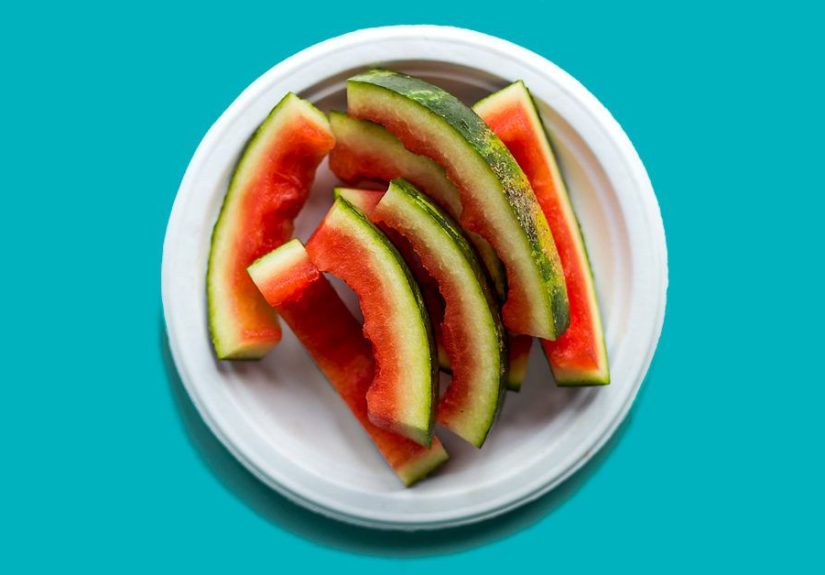
When people say “rind,” they usually mean the thick outer part of a watermelon: the green skin plus the firm, pale layer underneath.
The white-to-light-green part (right under the pink flesh) is the most commonly eaten section. It’s mild, crisp, and kind of cucumber-ish.
The darker green outer skin is also technically edible, but it’s tougher and often tastes more “vegetable” than “dessert.”
The key takeaway: yes, watermelon rind is ediblebut it’s best when prepared intentionally (washed well, trimmed, and sliced or cooked in a way
that matches its texture).
Benefit #1: Watermelon rind can support digestion and regularity
Let’s start with the least glamorous benefitbecause it’s also one of the most useful: fiber.
Compared to the juicy red flesh (which is mostly water), the rind is firmer and naturally contains more structural plant material.
That means more fiber per bite, especially insoluble fiber, which helps add bulk and keep things moving through your digestive tract.
Practically speaking, people who add small amounts of rind to meals often notice:
- More “staying power” (fiber helps you feel satisfied longer than fruit juice vibes).
- Better bathroom consistency over timeespecially if your usual diet is light on plants.
- More gut-friendly fermentation when you eat rind in forms that include soluble fibers (like pectin), which gut microbes can use.
How to use this benefit without annoying your stomach
Fiber is helpful, but your gut doesn’t love sudden surprises. If you go from “rind never” to “rind smoothie the size of a fish tank,” you may earn a medal in
the category of gas and bloating.
Start small: try ¼ cup chopped rind mixed into a salad, stir-fry, or smoothie. Let your body adapt, then increase slowly if it agrees with you.
Also drink waterfiber does its best work when it has enough fluid to move through your system.
Benefit #2: It provides L-citrulline for circulation and blood pressure support
One of the most talked-about watermelon rind benefits comes down to a naturally occurring amino acid called L-citrulline.
Your body can convert L-citrulline into L-arginine, which helps your body make nitric oxidea molecule involved in relaxing blood vessels
and supporting healthy blood flow.
Here’s the honest version:
- Research suggests L-citrulline (often studied as a supplement) can support blood pressureespecially in people who already have elevated numbers.
-
Watermelon contains L-citrulline naturally, and some nutrition sources note the rind can be a meaningful place to find itthough the exact amount varies by
watermelon type, ripeness, and the part of the rind you use. - Eating rind won’t replace medical care, but it can be a smart “food-first” habit that supports an overall heart-healthy pattern.
What this looks like in real life
If you’re trying to support cardiovascular health, rind works best as part of a bigger picture:
plenty of fruits and vegetables, regular movement, adequate sleep, and following your clinician’s plan if you have hypertension.
In that context, adding rind can be an easy upgradelike choosing whole grains over refined grains, except crunchier.
Try it as:
- Blended rind in a smoothie (the texture disappears; the nutrients stay).
- Quick sautéed rind with garlic and a splash of lemon (think zucchini-meets-cabbage energy).
- Pickled rind as a tangy sidejust watch added sugar and sodium (more on that later).
Benefit #3: Antioxidants and vitamin Csmall, real support for everyday health
Watermelon gets a lot of love for antioxidants like lycopene in the red flesh, and that’s deserved.
But the rind brings its own supporting cast, including vitamin C and various plant compounds (often grouped under “phenolics”).
These compounds help plants protect themselves, and in humans they’re associated with antioxidant activitymeaning they can help balance oxidative stress.
Translation: eating rind won’t turn you into a superhero, but it can contribute to the kind of nutrient variety that supports:
- Immune function (vitamin C plays a role in normal immune defenses).
- Skin and tissue repair (vitamin C supports collagen formation).
- Overall “diet quality” (more whole-plant foods generally means more micronutrients and phytonutrients).
A quick reality check (because your future readers will appreciate it)
Antioxidants aren’t magic. The most consistent benefits show up when people eat a wide variety of fruits and vegetables over timenot when they “mega-dose”
one ingredient and expect it to undo a lifetime of drive-thru decisions.
Think of rind like a helpful teammate: it supports the whole strategy, but it doesn’t win the championship alone.
Benefit #4: Less food waste, more value, and more culinary creativity
Not every benefit has to happen inside your bloodstream. Sometimes the win is that you get more food for the same money and throw away less.
Watermelon rind is a large portion of the fruit by weightso using it can make your grocery budget feel a little more heroic.
And it’s not just thrifty. It’s genuinely versatile:
- Texture: crisp when raw, tender-crunchy when sautéed, and delightfully snappy when pickled.
- Flavor: mild enough to take on whatever you addcitrus, spice, vinegar, herbs, even a little sweetness.
- Function: works like a vegetable in savory dishes and like a “blank canvas” in preserves.
If your readers love practical eco-habits, this is a crowd-pleaser: “Use the part you’re already paying for.”
It’s basically a financial tip disguised as a snack.
How to eat watermelon rind (without feeling like you’re chewing a flip-flop)
Step 1: Wash it like you mean it
Even if you’re only eating the inside, food safety experts recommend washing the outside of melons before cuttingbecause the knife can drag surface bacteria
into the flesh. If you are eating the rind, washing matters even more.
- Rinse under cool running water.
- Scrub the surface with a clean produce brush.
- Dry with a clean towel or paper towel.
- Use a clean cutting board and a clean knife.
Step 2: Trim and prep for better texture
For most recipes, you’ll get the best results if you:
- Cut away the remaining pink flesh (save that for eating, obviously).
- Peel off some or all of the darker green outer skin if it’s very thick or waxy.
- Slice the pale rind into thin strips or small cubes so it cooks evenly (or blends smoothly).
Five easy ways to use watermelon rind
-
Quick pickle (refrigerator style): Toss sliced rind with vinegar, a pinch of sugar, salt, and spices. Chill overnight.
Crunchy, tangy, and perfect next to sandwiches. -
Classic watermelon rind pickles (canning): If you’re canning, follow tested home-canning guidance for safety.
(This is where “winging it” is not a personality traitit’s a risk.) -
Stir-fry: Treat it like a mild vegetable. Sauté with garlic, ginger, soy sauce, and sesame.
Add shrimp, tofu, or chicken if you want a full meal. -
Slaw: Julienne the rind and mix with lime juice, salt, chopped herbs (mint or cilantro), and a little olive oil.
Crisp, refreshing, and surprisingly fancy. -
Smoothies: Blend a small handful with frozen fruit, yogurt (or a dairy-free option), and a squeeze of lemon.
The rind disappears into the background like a shy extra in a movie scene.
Safety notes and who should go slow
Most people can eat watermelon rind safely when it’s washed and prepared properly. Still, it’s smart to consider a few common issues:
1) Digestive sensitivity
Because rind is higher in fiber, it can cause bloating or gas if you add a lot too quicklyespecially if your usual fiber intake is low.
Start with small portions and increase gradually.
2) Added sugar and sodium in some recipes
Pickled or candied rind can be delicious, but some versions are heavy on sugar or salt. If you’re watching blood pressure, blood sugar, or overall sodium intake,
choose lighter recipes or keep portions modest.
3) Food safety basics
Wash the melon before cutting. Refrigerate cut watermelon promptly and keep it cold.
If you’re saving rind for later, store it in a sealed container in the fridge and use it within a few days for best quality.
4) Medical conditions
If you have kidney disease, are on a potassium-restricted diet, or have a digestive condition that flares with certain fibers, it’s wise to check with a clinician
before making rind a regular habit. This article is educationalnot personal medical advice.
FAQ: Quick answers your readers will search for
Does watermelon rind have nutrients?
Yes. The rind contains fiber and small amounts of vitamins and minerals, and it also contains L-citrulline. Exact amounts vary depending on the watermelon and how
you prep it.
Is the green part of watermelon rind edible?
It’s edible, but tougher and more bitter than the pale inner rind. Many recipes peel some or all of the dark green skin for better texture and flavor.
What does watermelon rind taste like?
Mild and refreshingoften compared to cucumber or jicama. It picks up flavors well, which is why it shines in pickles, stir-fries, and slaws.
Can kids eat watermelon rind?
In general, yeswhen it’s washed well and cut into safe, chewable pieces. For very young kids, cooked rind (softer texture) is often easier than raw.
If there are allergies or medical concerns, ask a pediatric clinician.
Is watermelon rind good for weight loss?
Rind is low in calories and adds fiber, which can help with fullness. But no single food causes weight loss. The most reliable approach is an overall eating pattern
that’s balanced and sustainable.
Real-life experiences: what it’s like to start using the rind (the extra )
If you’ve never eaten watermelon rind before, your first experience will probably be a mix of curiosity and mild suspicionlike meeting a friend’s new pet snake.
The good news: most people who try it don’t have a “what have I done” moment. They have a “wait… this is basically cucumber” moment.
One common first win is the smoothie test. Home cooks often start here because it’s low-risk: you can add a small handful of chopped pale rind to a blender
with strawberries, frozen mango, yogurt, and a squeeze of lemon. The flavor stays fruity, the texture stays smooth, and the rind quietly upgrades the fiber content.
People who do this regularly say the biggest “experience” isn’t tasteit’s that the smoothie feels more filling and less like a sugary drink.
The next most popular experiment is quick pickling. Rind pickles have a long history in American kitchens, especially in the South, and modern versions keep
the same idea with less fuss. The experience here is mostly about texture: the rind stays crunchy, almost like a cross between a dill pickle and a crisp apple.
If you add spices like mustard seed, cloves, or cinnamon, the flavor becomes “old-school pantry” in the best waysweet-tangy, a little nostalgic, and surprisingly snackable.
The biggest learning curve is balance: too much sugar and it tastes like candy; too much vinegar and it tastes like a science project. Many people tweak recipes after the first batch
until it lands in their personal “perfect pickle” zone.
Then there’s the savory crowd: the folks who look at rind and think, “That’s a vegetable wearing a fruit costume.”
These cooks slice rind thin and toss it into stir-fries with garlic, ginger, and soy sauce. The experience they report is that rind behaves like a mild squash:
it softens around the edges but keeps a pleasant bite. Add a handful of herbs (cilantro or basil), and suddenly it tastes intentionallike you planned it, instead of improvising
because you didn’t want to waste food.
A very real, very relatable experience: your gut may comment. Not in words, obviouslybut if you’re not used to fiber-rich add-ins, a large portion of rind can
cause extra gas or bloating at first. People who stick with it usually figure out their “sweet spot” quickly: smaller servings, more water, and cooked rind on days their stomach feels sensitive.
The lesson is simple: rind is helpful, but it’s not a dare.
Finally, there’s the satisfaction factor. Many people say that once they learn to use rind, it changes how they see other “throwaway” partsbroccoli stems, herb stems,
citrus peels. The experience becomes less about watermelon specifically and more about becoming the kind of cook who squeezes extra value and nutrition out of what they already buy.
That’s a quiet win you feel every time you open the fridge and see a container labeled “rind,” like you’ve unlocked a secret pantry level.
Conclusion
Watermelon rind is the underdog of summer produce: overlooked, underestimated, and secretly useful.
The four headline watermelon rind benefitsdigestive support from fiber, circulation support from L-citrulline, antioxidant nutrients, and the practical win of reducing food waste
make it worth trying at least once. Start small, wash it well, and choose a prep method that fits your taste (smoothies for stealth mode, pickles for crunch lovers, stir-fries for savory fans).
The next time you slice a watermelon, consider this your official permission slip to stop treating the rind like a disposable plate.
Your taste buds might be surprisedand your trash can will definitely be less busy.