Table of Contents >> Show >> Hide
- Why Hidden Mold Is a Bigger Deal Than You Think
- 1. Behind and Under Kitchen Appliances
- 2. Around Windows and Sliding Doors
- 3. Behind Toilets and Under Bathroom Vanities
- 4. Inside Your HVAC System and Ductwork
- 5. Under Carpets and Inside Walls
- When to DIY and When to Call a Pro
- Quick Mold Prevention Checklist
- Real-Life Experiences: Lessons from Secretly Moldy Homes
- Conclusion: Make Hidden Mold Less Mysterious
If your home smells a little like “old basement” mixed with “forgotten gym socks,”
there’s a decent chance mold is quietly moving in. You don’t have to see big black
splotches on the wall for mold to be a problemmany of the worst infestations hide
in places you rarely look. Meanwhile, microscopic spores drift through the air and
can trigger allergy symptoms, asthma flares, or just a constant feeling of stuffiness
and fatigue.
The good news: once you know where to look, you can catch hidden mold earlybefore it
ruins building materials or your mood. Let’s walk through five secretly moldy spots
in your home you should check today, plus what to do if you find a fuzzy surprise.
Why Hidden Mold Is a Bigger Deal Than You Think
Mold spores are everywhere in the environment. On their own, they’re usually harmless.
The trouble starts when those spores land on a damp surface and stay wet for 24–48 hours.
Give mold moisture, a little warmth, and something to eat (like drywall paper, wood, dust,
or fabric), and it will gladly set up a thriving colony behind the scenes.
Health agencies warn that spending time in damp, moldy buildings is linked to
respiratory symptoms, worsening asthma, allergic reactions, and skin irritation.
People with asthma, mold allergies, weakened immune systems, or chronic lung disease
are especially vulnerable.
Even if you’re generally healthy, breathing moldy air every day can leave you feeling
congested, tired, and not quite yourself.
That’s why it’s worth hunting down hidden mold. You’re not just protecting drywallyou’re
also protecting your lungs, your energy, and your sanity.
1. Behind and Under Kitchen Appliances
The kitchen is ground zero for moisture: boiling pots, dishwashers, ice makers, and
the occasional “I’ll wipe that spill later” moment. All of that adds up to a paradise
for hidden mold, especially in dark, rarely cleaned pockets.
Why This Spot Gets Moldy
Refrigerators, dishwashers, and ranges tend to trap crumbs, grease, and dust along
their edges and underneath. Add a slow leak from a water line, a bit of condensation,
or a dishwasher that occasionally overflows, and moisture can soak into the subfloor
or wall, feeding mold colonies you can’t see.
How to Check It
- Pull out the fridge and look at the wall, floor, and baseboards behind and underneath.
- Check the water line connection for moisture, corrosion, or crusty buildup.
- Open the dishwasher’s kick plate (bottom panel) and inspect inside with a flashlight.
- Look at caulk lines and grout around the sink and backsplash for dark staining, cracking, or soft spots.
What to Do If You Find Mold
For small patches on hard, nonporous surfaces, you can scrub with detergent and water and dry thoroughly.
If cabinet bottoms or the subfloor are soft, warped, or visibly covered in mold over a large area, it’s time
to call a professionalespecially if there’s structural damage or the affected area is larger than about
10 square feet.
Preventing Mold in the Kitchen
- Fix leaks promptlyespecially under the sink and behind the fridge.
- Use the range hood when cooking to reduce humidity.
- Wipe up spills immediately, even if they disappear under the stove.
- Pull big appliances out once or twice a year for a deep clean.
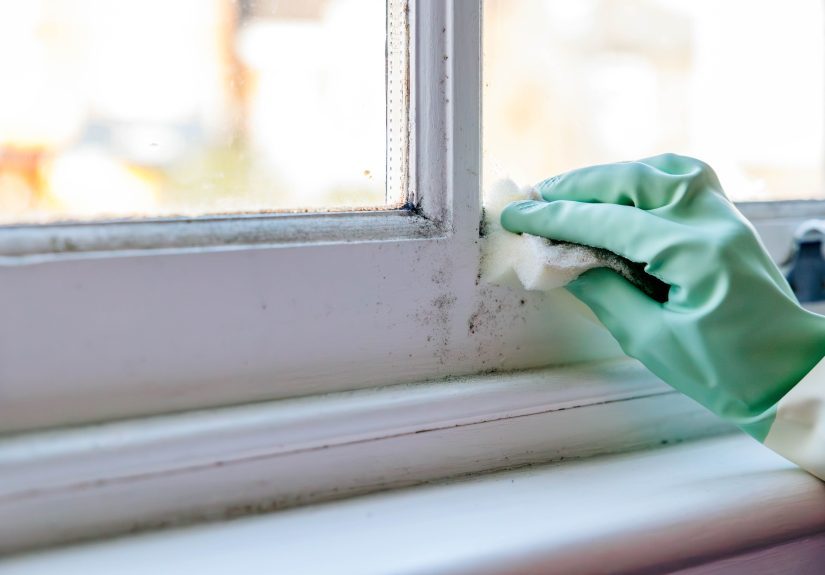
2. Around Windows and Sliding Doors
If you’ve ever seen “weeping windows” in wintercondensation dripping down the glassyou’ve
seen a classic mold warning sign. That moisture doesn’t just vanish; it soaks into sills,
trim, and drywall, quietly feeding mold at the edges of the frame.
Why This Spot Gets Moldy
Windows and patio doors are colder than interior walls. When warm, humid indoor air hits
those cold surfaces, water condenses and runs down into corners and crevices. Poorly sealed
frames or damaged weatherstripping can also allow rainwater inside, keeping the area damp.
How to Check It
- Look closely at caulk lines, corners, and the underside of window sills.
- Check for peeling paint, warped trim, or subtle gray or black spots in the corners.
- Press gently on drywall below the windowsoft or crumbly areas can signal hidden moisture.
- On cold days, watch where condensation collects and see if that area stays wet for hours.
What to Do If You Find Mold
For light surface mold on paint or trim, scrub with a mild detergent solution, dry thoroughly,
and repaint with a moisture-resistant paint if needed. If the wood is rotting, insulation feels
wet, or the wall is distorted, you may need a contractor to address water intrusion and repair
damaged materials.
Preventing Mold Around Windows
- Use a dehumidifier in rooms where condensation is a frequent issue.
- Open blinds and curtains during the day so air can circulate near glass.
- Wipe up condensation each morning in cold seasons.
- Seal gaps and replace cracked or missing caulk around frames.
3. Behind Toilets and Under Bathroom Vanities
Bathrooms are like mold’s favorite spa: warm steam, constant water, and surfaces that
don’t always dry completely. While shower grout gets the most attention, some of the
moldiest spots hide down lowbehind the toilet and inside the cabinet under the sink.
Why This Spot Gets Moldy
Condensation can form on cold toilet tanks and supply lines, dripping onto the wall and floor.
Tiny leaks at the shutoff valve or under-sink plumbing can keep the vanity base damp. If the
bathroom doesn’t have a properly vented exhaust fan, humidity may linger for hours after each shower.
How to Check It
- Slide the toilet slightly forward (if possible) and inspect the wall and floor behind it.
- Open the vanity, remove stored items, and look at the cabinet bottom, corners, and back panel.
- Check the underside of the countertop around the sink cutout for stains or mold.
- Shine a flashlight along baseboards and caulk lines near the tub and shower.
What to Do If You Find Mold
First, fix the moisture problemtighten connections, replace leaky shutoff valves, or repair
caulk and grout. Then clean small moldy areas on hard surfaces with detergent and water,
dry completely, and monitor for recurrence. If flooring is soft or the subfloor is dark,
crumbly, or smells strongly musty, professional remediation may be needed.
Preventing Mold in Bathrooms
- Run the exhaust fan during showers and for at least 20 minutes afterward.
- Keep the bathroom door slightly open when not in use to promote airflow.
- Wipe down wet surfacesespecially around tubs, showers, and sinks.
- Replace worn caulk and cracked grout promptly.
4. Inside Your HVAC System and Ductwork
Your heating and cooling system is supposed to keep you comfortable, not mist you with
mold spores like a very unfortunate essential-oil diffuser. But when mold grows inside
ducts, filters, or drip pans, every heating or cooling cycle can blow those spores into
every room in the house.
Why This Spot Gets Moldy
Air conditioners remove moisture from indoor air, and that water drains into a drip pan
and out through a line. If the drain clogs, water can pool and encourage mold growth.
Dust and other debris inside ducts can also trap moisture, creating a damp buffet for mold.
How to Check It
- Inspect the AC’s drip pan to make sure it’s not holding standing water.
- Look at the furnace or air handler cabinet for rust, water stains, or visible mold.
- Remove a supply vent cover and peek inside the duct with a flashlight.
- Check air filtersif they’re damp, heavily soiled, or smell musty, you may have a mold problem.
What to Do If You Find Mold
Visible mold inside HVAC components or ducts is usually a job for a licensed professional
who specializes in mold remediation and HVAC cleaning. They can safely clean or replace
contaminated parts and fix drainage or insulation issues that caused the problem.
Preventing HVAC Mold
- Replace filters every 1–3 months as recommended.
- Schedule annual HVAC inspections and tune-ups.
- Keep the drip pan and condensate drain clear and flowing.
- Use a dehumidifier in very damp climates or basements.
5. Under Carpets and Inside Walls
The most frustrating mold problems are the ones you can’t see at allunder that plush
bedroom carpet or inside the wall behind the bed. A minor spill, leaky window, or small
roof leak can silently soak padding, insulation, or framing, where mold can grow for weeks
before the first stain appears.
Why These Spots Get Moldy
Carpets, padding, and drywall are porous materials that act like sponges. Once wet, they
stay damp for a long time, especially if there’s furniture on top or limited airflow.
Wall cavities are also cooler than room air and can collect condensation or hidden leaks
from plumbing or exterior rain intrusion.
How to Check Them
- Pay attention to musty odors that are stronger in specific rooms or corners.
- Watch for bubbling paint, peeling wallpaper, or wavy baseboards.
- Use your handsif carpet feels oddly cool, damp, or springy in one area, investigate further.
- Consider using an inexpensive moisture meter on suspect walls or trim.
What to Do If You Find Mold
If a small area of carpet got wet recently (within 24–48 hours) and you’ve dried it thoroughly,
you may avoid mold. But if moisture has been present longer, or if you see visible mold on the
underside of carpet or on drywall, those materials often need to be removed and replaced.
Large or widespread problems inside walls should be assessed by professionals.
When to DIY and When to Call a Pro
Not all mold requires a full hazmat suit and a movie-style evacuation. General guidelines from
environmental and public health agencies suggest that small moldy areas on hard surfacesroughly
10 square feet or lesscan usually be cleaned safely by homeowners using detergent, water, and
protective gear (gloves, eye protection, and at least a basic mask).
Consider calling a professional mold remediator if:
- The affected area is large or keeps coming back after cleaning.
- You suspect mold inside HVAC systems, extensive ductwork, or wall cavities.
- There was significant flooding or long-term leaks.
- Anyone in the home has asthma, severe allergies, or a weakened immune system.
Reputable professionals don’t just spray something and leave; they identify and correct the
underlying moisture source, remove contaminated materials safely, and help you develop a
plan to keep the home dry in the future.
Quick Mold Prevention Checklist
Since moisture is the real villain, mold prevention is mostly about keeping your home dry
and well ventilated.
- Keep indoor humidity ideally between 30% and 50%.
- Fix plumbing leaks and roof leaks as soon as you notice them.
- Use exhaust fans in bathrooms and kitchens that vent to the outside.
- Vent clothes dryers outdoors (not into the attic or crawlspace).
- Run dehumidifiers in damp basements or crawlspaces.
- Avoid wall-to-wall carpet in bathrooms and very damp areas.
- Check those five secretly moldy spots at least once or twice a year.
Real-Life Experiences: Lessons from Secretly Moldy Homes
If you talk to homeowners who’ve dealt with hidden mold, a few themes pop up over and over:
“I thought it was just allergies,” “We ignored that musty smell for months,” and
“I wish we’d checked behind that thing sooner.”
The “It’s Just Allergy Season” Kitchen
One family noticed that everyone’s sinuses got stuffy whenever they spent a lot of time in
the kitchen. They blamed seasonal allergiesuntil a small puddle appeared near the refrigerator.
When they finally pulled the fridge out, they found a slow leak in the ice maker line and a
patchwork of black and green mold on the wall and subfloor. The fridge had been in that spot
for years, so no one ever saw the moisture building up. Repairing the leak and replacing the
damaged flooring solved the problem, and their “mystery allergies” improved dramatically.
The Window That Cried All Winter
In a small apartment, a renter noticed heavy condensation on the bedroom window every winter
morning. They wiped it down with a towel, but never thought much about ituntil the wall below
the window started to discolor and the paint bubbled. When the landlord opened up the drywall,
the insulation was soaked and moldy. The combination of high indoor humidity and poorly sealed
windows had been feeding mold for multiple seasons. After the repair, using a dehumidifier and
cracking the window occasionally made a huge difference.
The “Clean” Bathroom with a Hidden Leak
Another homeowner was meticulous about scrubbing the shower but never peeked behind the toilet
or under the vanity. A tiny leak at the toilet shutoff valve was dripping onto the wall and
seeping under the vinyl flooring. There was no obvious puddlejust a faint musty odor that was
easy to ignore. Years later, during a cosmetic remodel, the contractor pulled up the floor and
found widespread mold on the subfloor and along the base of the wall. A very small, inexpensive
plumbing fix turned into a more extensive repair job simply because it went unnoticed for so long.
The Moldy AC That Made Everyone Miserable
A family in a humid climate started experiencing chronic coughs and fatigue. Their home looked
spotless, but they rarely changed the HVAC filter and had never inspected the system. When a
technician finally checked the air handler, the drip pan was full of standing water and the
nearby ductwork was slimy with mold. After professional cleaning, fixing the condensate drain,
and committing to regular filter changes, their symptoms eased and the musty smell disappeared.
What These Stories Have in Common
In each case, the home didn’t look obviously dirty. The mold was quietly thriving in places
that felt “out of sight, out of mind”behind an appliance, inside a wall, under flooring,
or in a closed cabinet. What finally tipped people off wasn’t dramatic black streaks; it was
subtle changes: a musty odor, bubbling paint, warped baseboards, or lingering congestion.
The big takeaway? You don’t need to panic or imagine mold in every corner, but it does pay to
be a little nosy with your house. Pull things away from the wall once in a while. Look under
sinks instead of just tossing cleaning supplies in. Pay attention to odd smells and unexplained
allergy-like symptoms. A quick inspection now can save you from expensive repairs and months
of breathing moldy air later.
Conclusion: Make Hidden Mold Less Mysterious
Hidden mold loves dark, damp, undisturbed spacesexactly the kind of places most of us never
look. By checking the five secretly moldy spots in your homebehind kitchen appliances, around
windows and doors, behind toilets and vanities, inside HVAC systems, and under carpets or inside
wallsyou can catch problems early and avoid major headaches.
Remember the core rules: control moisture, fix leaks quickly, ventilate steamy rooms, and
investigate musty smells instead of just covering them with air freshener. Your future self
(and your lungs) will thank you.