Table of Contents >> Show >> Hide
- 1. Pattern-Drenched Walls Are Back, and They Refuse to Be Quiet
- 2. Chrome, Lacquer, and High-Gloss Shine Are Bringing the Drama
- 3. Curvy Midcentury and Groovy ’70s Shapes Are Softening the Whole House
- 4. Warm Vintage Colors Are Replacing Cold Neutrals
- 5. Wood-Rich Rooms and Natural Texture Are Giving Retro Decor New Depth
- 6. Collected, Cozy Nostalgia Is Winning Over Cookie-Cutter Decor
- Final Take: Retro, But Make It Livable
- What It Actually Feels Like to Live With These Retro Trends in 2025
If 2025 had a decorating motto, it would probably be this: make it personal, make it cozy, and please stop making every room look like a luxury yogurt shop. After years of ultra-clean minimalism, homeowners are falling hard for interiors with memory, texture, and a little swagger. That does not mean turning your living room into a museum of avocado appliances and suspicious shag carpeting. It means borrowing the best parts of the past, then editing them with modern restraint.
The retro revival showing up in 2025 is smarter than a straight throwback. Designers are mixing chrome with earthy paint, midcentury silhouettes with softer textiles, and vintage patterns with cleaner layouts. The result feels warm, playful, and lived-in instead of theme-y. In other words, it is less “time capsule” and more “this house has great stories and excellent lamps.”
Below are the six retro decor trends shaping 2025, why they work, and how to bring them home without accidentally recreating your great-aunt’s den in full.
1. Pattern-Drenched Walls Are Back, and They Refuse to Be Quiet
One of the clearest retro decor trends for 2025 is the return of bold wallpaper and immersive pattern. Floral prints, geometric repeats, scenic murals, and block-print-inspired motifs are all gaining traction because they do something plain painted walls often do not: they give a room actual personality. Not just “I own beige” personality. Real personality.
The updated version of this trend is more layered than chaotic. Instead of pasting loud wallpaper in every room and hoping for the best, homeowners are using it strategically. A powder room with a small-scale botanical print suddenly feels charming. A bedroom wrapped in a soft block print becomes cocoon-like. A breakfast nook with a geometric mural gets the kind of energy that makes cereal feel suspiciously glamorous.
Why it works in 2025
Retro patterns bring warmth, character, and that collected-over-time feeling people want right now. They also play nicely with the broader move toward cozy, storied interiors. In a year when “perfect” rooms feel a little too polished and a little too algorithm-friendly, patterned walls offer texture, memory, and a human touch.
How to use it without overdoing it
Start small. An accent wall behind a bed, inside a bookshelf backing, or in a hallway niche gives you the retro hit without visual overload. Pull one or two colors from the wallpaper and repeat them in pillows, artwork, or a rug so the room feels intentional. If you are feeling bold, go for pattern drenching in a bedroom or dining room where the all-in mood can really shine. The goal is charm, not visual whiplash.
2. Chrome, Lacquer, and High-Gloss Shine Are Bringing the Drama
Retro in 2025 is not only soft and cozy. It also has a glamorous side, and that side is wearing chrome. Cool metallic finishes, glossy lacquer, and sleek reflective accents are making a serious comeback, especially through lighting, occasional tables, trays, and small furniture. This is the part of the retro revival that tips its hat to the 1980s and Art Deco without going full nightclub lobby.
Chrome works because it sharpens a room. In a space full of warm woods and earthy colors, a polished metal lamp or side table gives the eye a clean, crisp contrast. Lacquer does something similar. A glossy cabinet, bar cart, or tray adds depth and a touch of theatricality. Think less “too much hairspray,” more “confident, grown-up sparkle.”
Why it works in 2025
As interiors get warmer and more nostalgic, shiny finishes keep them from feeling heavy. They also tap into the renewed love for vintage glamour, especially Deco-inspired shapes and materials. When everyone else is reaching for matte everything, a little gloss feels rebellious in the best way.
How to use it well
Keep the gleam focused. A chrome floor lamp, a lacquered nightstand, or a pair of sculptural sconces can carry the idea without turning the room into a disco ball. Glossy finishes work especially well in entryways, bars, powder rooms, and dining spaces, where a little drama is half the fun. Pair chrome with walnut, oxblood, olive, or creamy off-white for a retro palette that feels current instead of costume-like.
3. Curvy Midcentury and Groovy ’70s Shapes Are Softening the Whole House
Straight lines had a nice run, but 2025 is flirting hard with curves. Rounded wood furniture, puffball seating, low-slung sofas, slipper chairs, and sculptural silhouettes are leading the retro furniture comeback. This is where midcentury modern and 1970s lounge culture shake hands and decide to make your living room more inviting.
Curves matter because they soften a space instantly. A rounded coffee table feels friendlier than a boxy one. A cloud-like sofa makes an open living room feel less rigid. Even a single curvy accent chair can loosen up a room that has been taking itself a bit too seriously. Retro furniture in 2025 is not about owning only vintage pieces; it is about borrowing those iconic shapes and blending them with newer materials and layouts.
Why it works in 2025
People want homes that feel comfortable, tactile, and social. Curved furniture supports all three. It looks sculptural, but it also invites people to sit down and stay awhile. That is a big reason why conversation pits and sunken living room ideas are creeping back into design conversations too. The underlying message is clear: the home should feel like a place to gather, not just a place to photograph.
How to bring it in
Look for one hero piece: a rounded sofa, a vintage-inspired lounge chair, a pedestal table, or even a sputnik chandelier above the dining table. If you want the 1970s spirit without committing to the full groove, use curved forms in a neutral palette. If you want the full retro wink, add rust, olive, amber, or plum nearby and let the room have some fun.
4. Warm Vintage Colors Are Replacing Cold Neutrals
If you are still emotionally attached to icy gray, 2025 may be a tough year. Retro color is back, and it is wonderfully warmer, moodier, and more expressive. Instead of sterile whites and cool beiges, designers are leaning into oxblood red, creamy brown, muddy olive, custard yellow, plum, steely blue, and off-white shades that feel nostalgic rather than bland.
These colors have range. A deep olive kitchen reads grounded and sophisticated. Oxblood or cherry-toned accents add old-school richness without screaming for attention. Creamy off-whites give kitchens that “grandma’s house, but with excellent taste” energy. Browns, once unfairly treated like design leftovers, are now pulling serious weight across cabinetry, textiles, and furniture.
Why it works in 2025
Warm colors create emotional comfort. That is a big deal in homes right now, because homeowners are craving spaces that feel inviting, restful, and human. Retro shades also pair beautifully with natural materials, vintage furniture, and layered rooms. They make a house feel settled, which is not the same as boring. Settled is chic now.
How to use it without making the room feel dark
You do not need to paint every wall eggplant and call it a breakthrough. Start with cabinetry, a single accent wall, dining chairs, textiles, or lampshades. Browns and olives look especially strong with wood, brass, and stone. Reds work well in smaller doses through upholstery, art, or decorative objects. If you want an easier entry point, swap stark white appliances and accessories for creamy tones that feel softer and more timeless.
5. Wood-Rich Rooms and Natural Texture Are Giving Retro Decor New Depth
Another standout retro decor trend for 2025 is the return of wood in all its moody, tactile glory. Walnut, oak, burl wood, cork, cane, and rattan are all helping interiors feel richer and more grounded. This is not the orange-heavy “everything is wood paneling forever” approach from decades ago. It is a more edited, textural version that balances natural warmth with modern restraint.
Burl wood is having a particularly strong moment because it bridges retro glamour and organic beauty. Its swirling grain adds subtle pattern without needing a print. Rattan and cane bring a lighter, breezier feel, which is why they work so well in dining chairs, benches, and accent pieces. Cork is returning too, especially on walls and floors, because it offers texture, sustainability, and a slightly unexpected vintage wink.
Why it works in 2025
Wood-heavy spaces feel comforting. They also connect to the broader desire for natural materials and homes that feel layered rather than flat. In a design climate full of nostalgia, wood has the advantage of being both timeless and era-specific. It can read midcentury, 1970s, Art Deco, or simply classic depending on how you style it.
How to get the look
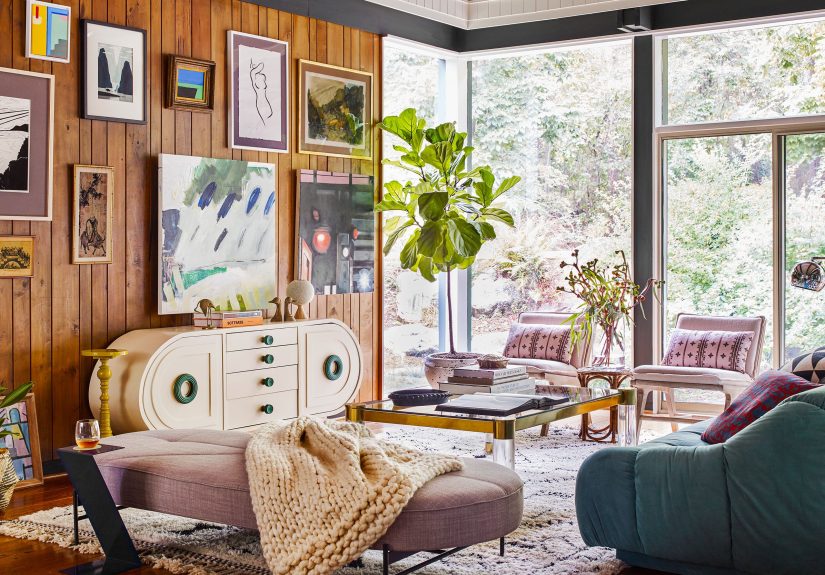
A walnut sideboard, burl coffee table, cane bar cart, cork-tile accent wall, or rattan dining chairs can all move the room in a retro direction without requiring a total overhaul. Mix wood tones instead of matching everything perfectly. A little contrast makes the room feel collected. Add soft fabrics nearby so the textures do not fight each other. The sweet spot is warmth with polish, not “log cabin but make it confusing.”
6. Collected, Cozy Nostalgia Is Winning Over Cookie-Cutter Decor
The final retro trend is less about one object and more about a whole mood: homes that feel personal, cozy, and slightly eclectic. Think bookshelves packed with actual books, gallery walls with odd little treasures, layered rugs, heirloom furniture, open shelving, skirted details, conversation areas, and kitchens that mix finishes instead of matching every inch. This is nostalgia in its most livable form.
The 1990s influence shows up here through eclectic maximalism, while older references show up through traditional fabrics, display pieces, and a gentle resistance to uniformity. In practical terms, it means your home does not have to look like a furniture showroom to look stylish. A room can be polished and still contain evidence that real humans enjoy sitting in it.
Why it works in 2025
Because people are tired of rooms that feel anonymous. Collected spaces tell stories. They make room for memory, comfort, and quirks. They also encourage slower decorating, which usually leads to better results. When a room includes old books, inherited objects, vintage art, or a funky lamp you found while thrifting, it gains depth that no same-day delivery algorithm can fake.
How to try it
Style a bookshelf with books, framed art, and a few odd objects that make you smile. Pull two sofas toward each other to create a conversation zone. Mix hardware finishes in the kitchen. Add a skirted side table or bench. Display dishware on open shelves. In other words, let your rooms loosen their tie. Good design in 2025 is less about flawless sameness and more about meaningful charm.
Final Take: Retro, But Make It Livable
The best retro decor trends for 2025 are not about copying one decade from top to bottom. They are about remixing the past in a way that makes homes feel warmer, richer, and more individual. A little chrome here, a curvy chair there, a wood-grain statement piece, a bold wallpaper, a shelf full of beloved nonsense, and suddenly the room has soul.
If that sounds like a relief, good. Decorating should be fun, not a hostage negotiation with a swatch of greige. The smartest way to approach retro style this year is to choose the elements that genuinely delight you, then blend them with what already works in your home. Nostalgia lands best when it feels natural. The point is not to live in the past. It is to steal the best bits and make them work harder in the present.
What It Actually Feels Like to Live With These Retro Trends in 2025
There is a big difference between admiring retro decor trends online and actually living with them day after day, and that is where 2025 gets interesting. On a screen, retro style can look like a highlight reel of cherry-red lamps, curvy sofas, chrome side tables, and impossibly cute wallpapered breakfast nooks. In real life, though, the appeal runs deeper. These spaces do not just look good. They feel good in a very specific, almost emotional way.
Walk into a room with warm wood tones, a soft amber lamp, and a rug that looks like it has lived a few lives, and the whole place tends to exhale. It feels settled. You stop noticing whether everything matches and start noticing whether everything belongs. That is the charm of retro-inspired decor in 2025: it creates homes that feel inhabited rather than staged. The room seems to say, “Yes, someone lives here, reads here, drinks coffee here, and occasionally drops popcorn between the cushions.” That kind of honesty is oddly luxurious.
Pattern plays a huge role in that experience. A floral wallpaper in a bedroom or a geometric print in a hallway can completely change the energy of the space. Instead of blank walls fading into the background, the room starts to have a pulse. It becomes memorable. Guests notice it. More importantly, you notice it. There is a quiet thrill in waking up in a room that has visual texture and mood instead of plain walls that feel like they are waiting for instructions.
Furniture is another place where the retro revival becomes personal. Curved sofas and lower-slung chairs do not just look stylish; they subtly change how people gather. Conversations feel more relaxed. Corners become cozier. Even reading feels fancier when you are tucked into a chair that looks like it came from a stylish 1970s apartment with excellent records and zero email notifications. It is not magic, exactly, but it is close enough for decorating.
The same goes for color. Deep olive, oxblood, creamy brown, and soft off-whites create a mood that cooler palettes simply do not. These colors make a home feel grounded, especially in kitchens and living rooms. They flatter wood, stone, and vintage pieces, and they seem to calm the visual noise of daily life. A warm room can make even a rushed Tuesday night dinner feel a little more intentional.
Perhaps the biggest experience tied to retro decor in 2025, though, is the feeling of freedom. Freedom from perfect sets. Freedom from sterile sameness. Freedom from decorating as if every room has to pass a social media audition. Retro style invites experimentation. You can mix eras, blend finishes, keep the lamp you inherited, thrift the table nobody else wanted, and still end up with a home that feels stylish and coherent. That is probably why this trend has such staying power. It is not just about nostalgia. It is about making space for comfort, memory, humor, and individuality. And honestly, that sounds a lot more fun than another room full of gray.