Table of Contents >> Show >> Hide
- What this memory box actually is (and why people love it)
- Quick specs you’ll want to know before you buy
- What’s inside: the “21 pieces” that do the heavy lifting
- Design details: why the Ecru version feels so “nursery-proof”
- How to use it without overthinking it
- Memory box vs baby book vs digital album: which one wins?
- Gifting it: when it lands best (and how to make it feel personal)
- Smart preservation tips (so the memories age well)
- Safety note (the important boring part)
- Care and cleaning
- Why this memory box is worth considering
- Experience Notes: what it’s like to use the Memory Box in real life
The first years with a baby are magicalequal parts heart-melting and “wait, why is there applesauce on the ceiling?” If you’ve ever tried to save a hospital bracelet, a tiny sock, and a first birthday candle in the same junk drawer, you already know the hard truth: memories deserve better storage than “wherever this fits.”
That’s where the Ferm Living Kids Memory Box – My First Years (Ecru) comes in. It’s a thoughtfully designed keepsake system that helps you collect the little milestones without turning your home into a museum of loose baby artifacts. Consider it the organized, good-looking friend who shows up with labels and a calm voice.
What this memory box actually is (and why people love it)
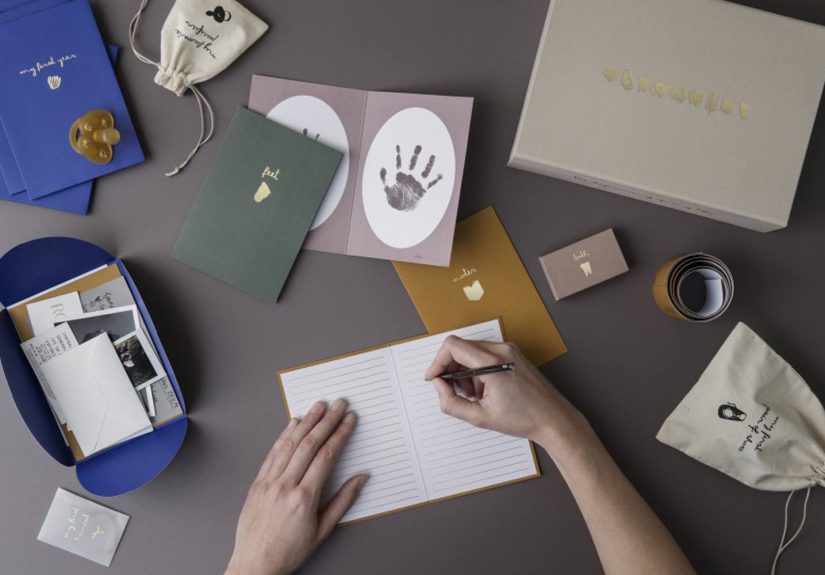
At its core, this is a fabric-coated keepsake box filled with smaller boxes, envelopes, cotton bags, and paper promptsmade for saving the meaningful “firsts” from a child’s early years. Depending on the retailer, you may see it listed as “My First Years” or “The Beginning of My Life”. Either way, the vibe is the same: warm, minimal, and Scandinavian-clean.
Unlike a plain storage bin (where everything becomes a tangled time capsule), this set gives you a built-in sorting strategy. You don’t have to invent a system while sleep-deprived. The system shows up ready to helpquietly, elegantly, and without judging your laundry pile.
Quick specs you’ll want to know before you buy
- Color: Ecru / off-white (a soft neutral that plays nicely with most nurseries)
- Size: about 25 × 18 × 7 cm (roughly 9.8 × 7.1 × 2.8 inches)
- Materials: fabric-coated cardboard with mixed paper/fabric elements; designed as a set of multiple components
- Closure: magnetic closing
- Care: wipe with a dry cloth
What’s inside: the “21 pieces” that do the heavy lifting
The magic is in the mini-containers. The set is designed to hold specific keepsakes so your memories don’t end up mashed together like a purse full of receipts. Here’s how the contents tend to work in real life:
Little containers for big “firsts”
- Envelope for the first haircut: Because the first lock of hair feels weirdly emotional (and also mildly suspicious, like, “Is it okay to keep this?” Yes. This is the designated place.
- Small matchbox for first teeth: Tiny teeth are tiny. This keeps them from disappearing into the void of “safe places.”
- Cotton bag for the first pair of shoes: Even if the shoes were worn exactly twice, they deserve a spotlight moment.
- Cotton bag for the favorite pacifier: Whether your kid loved it or launched it across the room daily, it’s still part of the story.
- Matchbox for “funny little quotes”: This one sneaks up on you. Kids say things you’ll swear you’ll remember forever. Spoiler: you won’tunless you stash them here.
Paper prompts that keep the story from fading
A keepsake is great, but context is what turns an object into a memory. That’s why the set includes paper elements like notebooks/cards for notes, observations, and moments you’ll want to revisit later.
- Notebooks / note cards: jot down milestones, nicknames, family rituals, and the oddly specific songs that calmed them down at 2 a.m.
- Handprint and footprint sheets: a sweet way to capture how unbelievably small those hands and feet once were
- Tape measure element: track growth in a way that feels tangible (and less like scrolling through your camera roll at midnight)
The overall effect is a memory system that feels intentional rather than chaotic. Instead of collecting “stuff,” you’re curating a story.
Design details: why the Ecru version feels so “nursery-proof”
The ecru/off-white palette is a quiet win. It looks clean on a shelf, doesn’t compete with decor, and stays timeless even if your child’s room evolves from “cloud theme” to “dinosaurs wearing sunglasses.”
The box is also designed to feel like a real object you’d keep out in the open. The fabric-coated exterior and subtle detailing make it look more like a home accessory than a storage compromise. And because it closes with a magnet, it’s easy to access when you want to add somethingwithout the “where did I put the lid?” game.
How to use it without overthinking it
The best memory-keeping systems are the ones you’ll actually use. Here are a few low-effort routines that work well with this box:
The 5-minute monthly reset
- Pick one day a month (like the first weekend) and set a 5-minute timer.
- Add one item: a photo booth strip, a birthday candle, a tiny drawing, a hospital wristbandanything small and meaningful.
- Write one sentence: “You laughed every time the dog sneezed.” That’s it. That’s the magic.
The “only what fits” rule (a sanity saver)
Sentimental items multiply fast. A helpful boundary is: if it doesn’t fit the system, it doesn’t get savedat least not physically. For larger items, take a photo and add a note in the notebook: “First stuffed bunny, carried everywhere for six months.” You keep the memory without needing a second closet.
Memory box vs baby book vs digital album: which one wins?
Each option does something different, and the best choice depends on how your brain works (and how much time you realistically have).
Memory box (this one)
- Best for: tangible keepsakes, quick notes, and a curated collection you can hand down later
- Strength: physical objects + context = strong emotional “time travel”
- Watch-out: you’ll still want a digital backup for photos and videos
Baby book
- Best for: structured journaling and milestones in one place
- Strength: easy to flip through, often guided with prompts
- Watch-out: can feel like homework if it’s too detailed
Digital album
- Best for: photos and video (especially the funny stuff)
- Strength: quick capture, easy sharing with family
- Watch-out: can become an endless scroll where the best moments get buried
The sweet spot for many families is digital for media + this memory box for physical “firsts”. One supports everyday capturing; the other preserves the highlights in a way that feels special.
Gifting it: when it lands best (and how to make it feel personal)
A keepsake box is a classic gift because it’s meaningful and practicalrare energy in the gift world. The Ferm Living Kids Memory Box tends to shine for:
- Baby showers: especially for design-loving parents who appreciate calm, modern nursery pieces
- Newborn visits: paired with a note like “For the moments you’ll want to hold onto.”
- First birthday: a perfect “we survived year one” gift with long-term value
- Adoption and foster placements: a thoughtful way to honor and document a child’s story with care
Want a simple personalization idea? Add a card in the box that says: “Open this on a quiet day. Add one thing. Write one line. Repeat.” It gives permission to keep it easy.
Smart preservation tips (so the memories age well)
This box is designed for keepsakes, but a few habits help your items stay in good shape:
- Store it somewhere stable: avoid damp basements or hot atticspaper and fabric prefer calm conditions.
- Keep sunlight off it: direct sun can fade paper and fabric over time.
- Separate “fragile” paper items: if you’re adding photos or special paper, consider placing them in a protective sleeve.
- Label gently: use a soft pencil or archival pen for notes so they last.
Safety note (the important boring part)
The small boxes and tiny keepsakes are for adult memory-keeping, not play. If the box is stored in a child’s room, place it up high and out of reachespecially if you’re saving small items.
Care and cleaning
Keep it simple: wipe with a soft, dry cloth. Since it’s fabric-coated, it’s best to avoid soaking or harsh cleaners. Treat it like a nice book covergentle maintenance, long life.
Why this memory box is worth considering
The Ferm Living Kids Memory Box – My First Years (Ecru) works because it solves a real problem: memories are easy to make and surprisingly hard to keep. This set gives you a beautiful home for the keepsakes that matter, plus just enough structure to keep you consistent without turning your life into a scrapbooking internship.
Years from now, the point won’t be perfection. It’ll be opening the box and seeing proof that the little moments the funny quotes, the tiny shoes, the scribbled noteswere real. And yes, that applesauce-on-the-ceiling era happened.
Experience Notes: what it’s like to use the Memory Box in real life
In day-to-day life, this kind of keepsake system usually succeeds or fails based on one thing: friction. If saving a memory feels like a big project, it won’t happen. The charm of the Ferm Living set is that it lowers the effort to something close to “drop item here, write one line, close box, continue living.”
A common routine is starting with the hospital phasewhen you suddenly have tiny, meaningful paper items you never expected to care about. A wristband, a little name card, a first hat. The box becomes a safe landing spot so those items don’t end up folded into a random book (and then discovered two years later like a very emotional bookmark).
The envelope for the first haircut often becomes the first “big moment” container. Many parents will tell you the haircut itself is quick, but the decision to save a lock of hair is oddly powerfullike you’re acknowledging that time is moving whether you’re ready or not. Having a designated place makes it feel intentional instead of slightly chaotic.
The quote box is where the humor really lives. Kids say things with the confidence of tiny philosophers and the logic of… well, kids. People often start by writing quotes on whatever is nearby (a receipt, a napkin, the back of a grocery list), and then later transfer the best ones into the box. Over time, that little matchbox becomes the funniest artifact in the whole set. It’s basically a highlight reel of your child’s early personalitywithout needing to scroll a phone at 1 a.m.
The handprint/footprint sheets are another “you’ll be glad you did it” feature. The first attempt might be messy. The second attempt might be better. The third attempt might happen after a snack, because timing is everything. But when you put the finished prints away and close the box, you’re done. No frames, no wall decisions, no guilt about unfinished projects.
The biggest real-life win is what happens months later: you find yourself adding small, ordinary things that suddenly feel huge. A birthday candle. A note from a grandparent. The tag from a favorite blanket. A tiny drawing that looks like abstract art (because it is). The box quietly turns into a story of your family’s first yearsorganized enough to feel calm, personal enough to feel like yours, and beautiful enough that you won’t want to hide it in the back of a closet.
And someday, when your child is older, opening the box together can be a surprisingly grounding moment. It’s a reminder that the “first years” weren’t just a blur of schedules and messesthey were real, specific, and full of tiny details worth keeping.