Table of Contents >> Show >> Hide
- What Is the Buddhist Diet?
- How the Buddhist Diet Works
- What to Eat on a Buddhist Diet
- What a Buddhist-Inspired Meal Looks Like
- Nutrients to Watch If Your Buddhist Diet Is Mostly Vegetarian or Vegan
- How to Start the Buddhist Diet Without Making Yourself Miserable
- Common Mistakes to Avoid
- Final Thoughts
- What the Buddhist Diet Feels Like in Real Life
If you came here expecting a glossy celebrity diet with a trademarked smoothie and a suspiciously expensive supplement bundle, bad news: the Buddhist diet is not that. The good news is that it may be far more interesting. A Buddhist approach to eating is less about chasing abs and more about cultivating awareness, moderation, compassion, and gratitude. In plain English, it asks a simple but powerful question: What happens when you eat with intention instead of autopilot?
That does not mean there is one official Buddhist menu handed down on stone tablets. Buddhist food practices vary by tradition, country, and level of observance. Some Buddhists are vegetarian or vegan. Some eat meat. Some monastics avoid solid food after noon. Some East Asian Buddhist communities also avoid pungent vegetables such as garlic, onions, leeks, and chives. Many lay Buddhists, meanwhile, simply try to eat in a way that reduces harm, avoids excess, and supports mindfulness.
So, what is a Buddhist diet, really? Think of it as a Buddhist-inspired way of eating built around plant-forward meals, mindful portions, respect for food, and a calmer relationship with hunger. It can overlap with vegetarian eating, mindful eating, or a simple whole-food diet, but it brings a spiritual lens to the table. The point is not perfection. The point is presence.
What Is the Buddhist Diet?
The term Buddhist diet usually refers to eating habits influenced by Buddhist values rather than a single rigid food plan. At its core, this style of eating is shaped by principles such as non-harming, moderation, gratitude, and awareness. That often leads to meals centered on vegetables, grains, legumes, fruit, nuts, seeds, and simple preparations.
In many conversations, people assume the Buddhist diet is automatically vegetarian. Sometimes yes, sometimes no. In several East Asian Mahayana traditions, vegetarianism is common and often closely tied to compassion toward animals. In Theravada and Tibetan traditions, vegetarianism is less universal, and some practitioners may eat meat depending on circumstance, health, or local custom. So if you are looking for one neat, tidy answer, Buddhism politely declines and offers nuance instead.
For laypeople, a Buddhist-inspired diet usually means eating more mindfully and more ethically, not necessarily living like a monastic. You do not have to shave your head, carry a begging bowl, or break up with dinner forever. But you may decide to eat fewer animal foods, waste less, avoid intoxication, or pay closer attention to when and why you eat.
How the Buddhist Diet Works
1. It starts with mindfulness, not math
A Buddhist approach to food is less obsessed with counting calories and more interested in consciousness. Why are you eating right now? Are you physically hungry, emotionally fried, bored, stressed, celebrating, or just standing too close to a bag of chips? Mindful eating invites you to slow down, notice your hunger and fullness cues, chew properly, and actually taste your meal. Revolutionary, I know.
This can change the whole mood of eating. Instead of inhaling lunch while scrolling through six open tabs and one mild existential crisis, you pay attention to texture, aroma, satisfaction, and portion size. For many people, that alone makes meals more balanced and less chaotic.
2. It emphasizes compassion and non-harming
One reason many people connect Buddhism with vegetarian meals is the principle of compassion. A Buddhist-inspired eater may reduce or avoid meat to lessen harm to animals. Others may focus on buying food more thoughtfully, wasting less, and choosing meals with a lighter environmental footprint. Even if someone does eat animal products, the attitude tends to be more respectful and less “I ordered this without ever thinking about where it came from.”
3. It values moderation over extremes
The Buddhist path is famous for the Middle Way, and that spirit applies neatly to food. The goal is not gluttony, but it is also not punishing restriction for the sake of virtue points. A Buddhist-inspired diet encourages enough food to nourish the body without turning eating into constant indulgence, emotional escape, or a competitive sport.
This can look like smaller portions, fewer late-night snack attacks, and less mindless grazing. It can also mean noticing whether you tend to swing between “I was so disciplined all day” and “I have now become one with the entire snack drawer.”
4. It may include time-based eating practices
In some Buddhist traditions, especially among monastics or during observance days, people refrain from eating solid food after noon. That rule is not a universal requirement for all Buddhists, but it is one of the most talked-about Buddhist food practices. For modern laypeople, the idea often shows up in softened form: finish dinner earlier, skip late-night eating, or occasionally practice a simpler eating window.
That said, this is where common sense gets a seat at the table. A no-food-after-noon schedule may make sense in a monastery. It may make less sense if you are pregnant, highly active, managing diabetes, recovering from illness, or trying to survive a regular American workday without becoming irrationally angry at 4:17 p.m. Adaptation matters.
5. It often discourages intoxicants
Many Buddhists also avoid alcohol and other intoxicants because mental clarity matters in Buddhist practice. From a food and lifestyle perspective, that means a Buddhist-inspired diet often pairs naturally with less drinking. For some people, that is one of the most practical ways the diet changes daily life. Fewer cocktails can mean fewer empty calories, better sleep, and a clearer sense of hunger and fullness the next day.
What to Eat on a Buddhist Diet
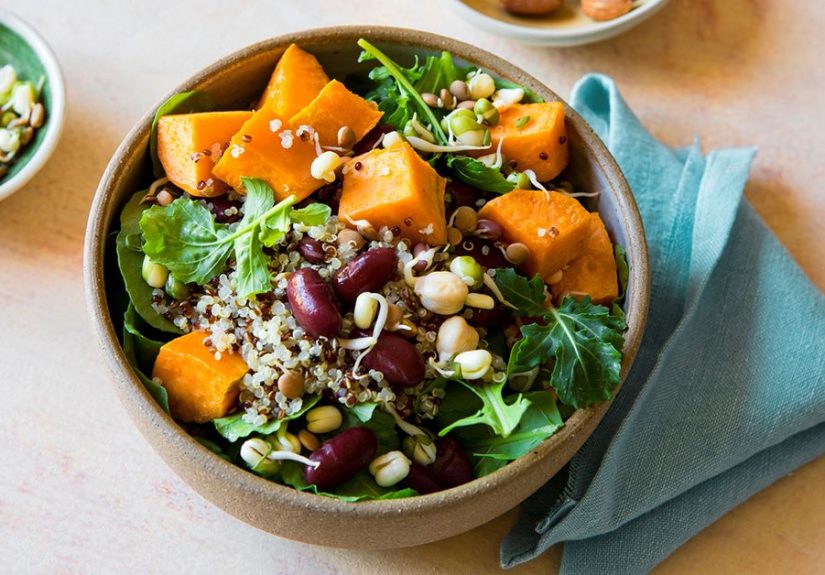
If you want to build a practical Buddhist-inspired plate, focus on simple, minimally processed foods that support health and satiety. A good rule of thumb is to make most meals plant-forward and balanced.
Core foods to include
- Vegetables: leafy greens, broccoli, cabbage, carrots, mushrooms, squash, bell peppers, bok choy, cauliflower, sweet potatoes
- Fruits: berries, apples, oranges, bananas, pears, grapes, mango, melon
- Whole grains: brown rice, oats, quinoa, barley, farro, millet, whole-grain noodles, whole-wheat bread
- Legumes: lentils, chickpeas, black beans, kidney beans, split peas, edamame
- Soy foods: tofu, tempeh, unsweetened soy milk
- Nuts and seeds: almonds, walnuts, peanuts, cashews, pumpkin seeds, chia seeds, flaxseeds, sesame seeds
- Healthy fats: avocado, olive oil, nut butters, tahini
- Optional animal foods, depending on practice: eggs, yogurt, milk, cheese, or occasional fish or meat in traditions that allow them
Foods some Buddhist traditions may avoid
- Meat, poultry, and seafood, especially in vegetarian Buddhist communities
- Alcohol and other intoxicants
- Late-night meals or food after noon during stricter observance
- In some monastic or East Asian settings: garlic, onions, leeks, chives, scallions, and similar pungent vegetables
- Heavily processed foods eaten purely out of habit, stress, or excess
The key phrase here is depending on tradition. A Buddhist diet is not one-size-fits-all. It is better to think in layers: universal values at the center, local customs around the edges.
What a Buddhist-Inspired Meal Looks Like
Let’s make this real. A Buddhist-inspired meal is usually simple, balanced, and satisfying, not fussy. You want fiber, protein, and enough healthy fat to keep your body happy and your brain from writing dramatic poetry about snack cravings.
Breakfast ideas
- Oatmeal with chia seeds, walnuts, banana, and cinnamon
- Plain yogurt or soy yogurt with berries, pumpkin seeds, and oats
- Tofu scramble with greens and whole-grain toast
Lunch ideas
- Brown rice bowl with tofu, steamed vegetables, sesame seeds, and miso-based sauce
- Lentil soup with a side salad and whole-grain bread
- Quinoa salad with chickpeas, cucumbers, carrots, herbs, and tahini dressing
Dinner ideas
- Vegetable stir-fry with tempeh and barley
- Baked sweet potato with black beans, avocado, and shredded cabbage
- Mushroom and bok choy noodle bowl with edamame
Snack ideas, if your version includes snacks
- Fresh fruit
- A small handful of nuts
- Roasted chickpeas
- Carrot sticks with hummus
- Unsweetened tea and fruit
Nutrients to Watch If Your Buddhist Diet Is Mostly Vegetarian or Vegan
A Buddhist diet can absolutely be healthy, but a plant-based version still needs planning. “Spiritual” does not automatically equal “nutritionally complete.” Your body remains annoyingly committed to science.
Protein
Good vegetarian protein sources include beans, lentils, peas, tofu, tempeh, edamame, nuts, seeds, dairy, eggs, and whole grains. You do not need to panic about protein every four minutes, but you do need to include solid sources regularly.
Vitamin B12
This is the nutrient that deserves the loudest asterisk. If you eat little or no animal food, B12 can be difficult to get from food alone. Fortified cereals, fortified plant milks, nutritional yeast, and supplements are often the practical answer.
Iron
Plant-based iron sources include lentils, beans, tofu, spinach, pumpkin seeds, and fortified grains. Pairing iron-rich foods with vitamin C sources such as citrus, berries, tomatoes, or bell peppers can help absorption.
Calcium and vitamin D
If you do not use dairy, look for fortified soy milk, fortified yogurt alternatives, calcium-set tofu, and fortified foods. Vitamin D may require extra attention, especially for people with limited sun exposure.
Omega-3 fats, zinc, and iodine
Walnuts, chia seeds, flaxseeds, hemp seeds, beans, whole grains, and fortified foods can help fill gaps. If your Buddhist-inspired diet is fully vegan, it is smart to think ahead instead of assuming kale will heroically solve every problem by itself.
If you are pregnant, breastfeeding, an athlete, older, or managing a medical condition, a registered dietitian can help tailor a vegetarian or vegan Buddhist diet so it supports both your values and your health.
How to Start the Buddhist Diet Without Making Yourself Miserable
- Begin with one mindful meal a day. Sit down. Put the phone away. Eat slowly. Notice hunger, taste, and fullness.
- Shift your plate toward plants. Add one bean-based, lentil-based, or tofu-based meal several times a week.
- Reduce excess before you reduce everything. Late-night snacking, alcohol, and ultra-processed convenience foods are easy starting targets.
- Practice gratitude. Take a breath before eating. Appreciate the people, labor, land, and luck behind the meal.
- Experiment with timing gently. Try earlier dinners or a calmer evening routine if that suits your body.
- Stay flexible. A Buddhist-inspired diet should make you more aware, not more rigid and self-righteous at brunch.
Common Mistakes to Avoid
- Assuming all Buddhist diets are vegan. They are not.
- Copying monastic rules without context. What works in a monastery may not fit your schedule, health, or energy needs.
- Eating too little protein. A bowl of lettuce is not enlightenment.
- Ignoring B12 and other nutrients. Planning matters.
- Turning mindfulness into perfectionism. The goal is awareness, not dietary sainthood.
Final Thoughts
The Buddhist diet is best understood as a way of eating with intention. For some people, that means vegetarian meals and no alcohol. For others, it means eating more slowly, wasting less food, and stopping the nightly refrigerator safari. The common thread is not rigid food law. It is a more conscious relationship with eating.
If you want to try a Buddhist-inspired diet, start simple: build meals around vegetables, legumes, whole grains, nuts, seeds, and fruit; add protein thoughtfully; eat with attention; and let compassion guide your choices. You do not need to become a monastic overnight. You just need to stop eating like your inbox is on fire and your fork is a rescue helicopter.
What the Buddhist Diet Feels Like in Real Life
On paper, a Buddhist diet can sound very calm and noble. In real life, it feels more human than mystical. The first thing many people notice is not dramatic weight loss or a halo hovering above breakfast. It is the sudden weirdness of realizing how often they used to eat without even tasting the food. When you start slowing down, meals feel different. Oatmeal is not just oatmeal anymore. It is warm, soft, slightly nutty, and surprisingly filling when you are not inhaling it while answering emails.
The second big shift is emotional. A Buddhist-inspired way of eating can make you more aware of your habits, and that is both useful and mildly inconvenient. You may discover that you are not hungry at 9:30 p.m. so much as tired, stressed, or annoyed that the day did not go according to plan. You may notice that reaching for chips has become a reflex rather than a decision. This is not a reason to feel guilty. It is the whole point of mindfulness: seeing clearly before you choose what to do next.
There is also a practical side to the experience. Plant-forward eating often means cooking more beans, grains, soups, and vegetable-heavy meals. Your kitchen starts looking like a very organized farmers market. You may spend more time chopping carrots and less time wondering whether a drive-thru salad counts as a personality trait. Meals can become simpler and cheaper, especially when you lean on staples like rice, oats, lentils, tofu, eggs, frozen vegetables, and fruit.
Some people find the experience surprisingly grounding. Sitting down for a meal, taking one breath, and eating without a screen can make the day feel less frantic. Gratitude becomes less abstract. You begin to notice what it took for your lunch to exist: sunlight, rain, soil, farmers, truck drivers, grocery clerks, your own effort in the kitchen. That awareness can make food feel less disposable and overeating less automatic.
Of course, the experience is not always serene. If you experiment with earlier dinners or stricter meal timing, you may learn very quickly whether your body likes that idea. Some people feel lighter and sleep better. Others become intensely interested in toast by mid-evening. That is valuable information, not failure. A Buddhist-inspired diet works best when it is adapted wisely, not copied blindly.
Social situations can also get interesting. Friends may assume you have joined a very serious monastery because you ordered tofu and sparkling water. Meanwhile, you are just trying to eat in a way that feels kinder and less chaotic. Over time, that may be the biggest change of all: food becomes less of a battlefield and more of a daily practice. Not perfect. Not dramatic. Just steadier, clearer, and a lot more intentional.