Table of Contents >> Show >> Hide
- Why Vegetables Taste Better When You Stop Treating Them Like Homework
- Prep Like a Pro (Or at Least Like Someone Who Owns a Cutting Board)
- 6 Cooking Methods That Make Vegetables Actually Exciting
- 8 Remixable Vegetable Recipes (No “Special Ingredients” Required)
- 1) The Everything Sheet-Pan Roasted Vegetables
- 2) Crispy-Edge Broccoli with Lemon + Parmesan
- 3) Rainbow Veggie Stir-Fry with a 5-Minute Sauce
- 4) Creamy Roasted Vegetable Soup (Without Heavy Cream)
- 5) Grilled Vegetable Skewers with Herby Drizzle
- 6) Stuffed Bell Peppers That Don’t Taste Like Sadness
- 7) Weeknight Veggie Fried Rice (The “Use What You Have” Classic)
- 8) Blanched Green Beans with Sesame + Chili Crunch
- Meal Prep Tips That Keep Vegetables From Becoming “Compost Adjacent”
- Common Vegetable Problems (and the Fixes)
- Conclusion
- Real-Life Experiences: From the Vegetable Trenches
If vegetables had a PR team, they’d be screaming, “We’re not just a side dish!” And honestly? They’d be right.
The best vegetable recipes don’t taste like punishment, don’t require a culinary degree,
and don’t leave you with a sink full of regret. They’re bright, cozy, crispy, saucy, caramelized, herby,
garlickysometimes all at once. (Vegetables are overachievers like that.)
This guide is built for real life: weeknights, budget-friendly grocery hauls, “what’s wilting in my crisper?”
moments, and the occasional attempt to impress someone without admitting you Googled “how to cook broccoli” five minutes ago.
You’ll get simple techniques, remixable recipes, and flavor shortcuts that make vegetables feel like the main character.
Why Vegetables Taste Better When You Stop Treating Them Like Homework
Great vegetables come down to a few repeatable ideas: the right cut, the right heat, and the right balance of
salt + fat + acid. Roast them and they turn sweet and nutty. Stir-fry them and they stay snappy.
Steam them and they taste clean and fresh (and yes, steaming can be deliciousstay with me).
One underrated truth: your cooking method changes texture and flavor, and it can also affect nutrient retention.
A “best” method doesn’t exist for every veggievariety wins. Your goal isn’t perfection; it’s making vegetables so good
you “accidentally” eat half the pan before dinner.
Prep Like a Pro (Or at Least Like Someone Who Owns a Cutting Board)
1) Wash vegetables the smart way
Rinse produce under running water and scrub firm items (like potatoes) with a clean brush. Skip soap or detergent
vegetables are not your dishes, and nobody wants “lemon-scented cucumber.” Dry well when roasting; moisture is the enemy of browning.
2) Cut for the texture you want
Bigger pieces roast tender inside and caramelize outside. Thin slices cook fast and get crisp. Uniform size matters more than fancy knife skills.
If you want a fair fight on the sheet pan, don’t put carrot boulders next to zucchini confetti.
3) Salt early, brighten late
Salt brings out flavor, but acid brings it to life. Add salt before or during cooking. Finish with lemon juice, vinegar,
pickled onions, or a quick drizzle of a tangy dressing right before serving. That last-second zing is the difference between “fine”
and “wait, what did you put in this?”
4) Keep a “vegetable flavor kit” on standby
- Oils: olive oil, avocado or canola (higher heat), toasted sesame (finishing)
- Acids: lemon/lime, apple cider vinegar, rice vinegar, balsamic
- Umami boosts: Parmesan, miso, soy sauce, tomato paste, mushrooms
- Crunch + heat: nuts, seeds, chili flakes, chili crisp
- Herbs: parsley, cilantro, dill, basil (fresh at the end; dried can go in early)
6 Cooking Methods That Make Vegetables Actually Exciting
Roasting (Sheet-Pan Magic)
Roasting concentrates sweetness and creates those crispy edges people fight over. Use high heat, don’t crowd the pan,
and toss vegetables in oil and seasoning before they hit the tray. If everything’s piled up, you’re steaming, not roasting.
Best for: broccoli, cauliflower, carrots, Brussels sprouts, potatoes, squash, onions, peppers, mushrooms.
Sautéing and Stir-Frying (Fast + Flavorful)
High heat, quick cooking, constant motion. The trick is avoiding a watery pan: don’t overload it. Cook in batches if needed,
then bring everything together with sauce at the end.
Best for: bell peppers, snap peas, mushrooms, cabbage, zucchini, green beans, bok choy.
Steaming (Clean Taste, Crisp-Tender Texture)
Steaming gets a bad rap because people overcook broccoli into olive-green sadness. Steam just until crisp-tender,
then hit it with flavor: butter + lemon, sesame oil + soy, or olive oil + herbs.
Shortcut: microwave-steaming with a splash of water can be quick and nutrient-friendlyespecially for busy weeknights.
Blanching + Ice Bath (Bright Color, Better Texture)
Blanching is a quick dip in boiling water, then an immediate chill in ice water to stop cooking.
It keeps green vegetables vibrant, helps set texture, and is perfect for meal prep (or freezing).
Braising (Cozy, Saucy, and Forgiving)
Braising turns sturdy vegetables silky and rich. A little broth, a lid, and time do the heavy lifting.
Finish with acid and a drizzle of good oil.
Best for: cabbage, kale, collards, leeks, fennel, eggplant, mushrooms.
Grilling and Charring (Smoky = Instant Personality)
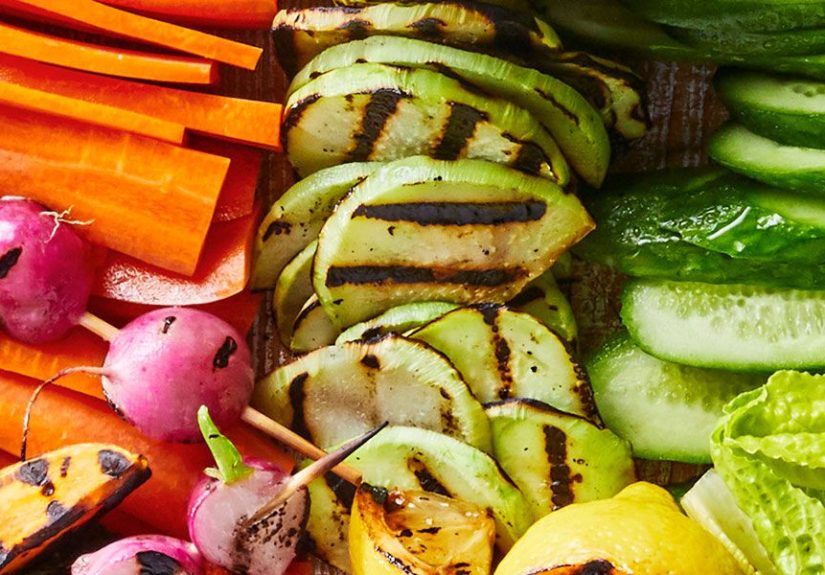
Grilled vegetables taste like summer showed up early and brought snacks. Brush with oil, season well, and don’t fuss:
let the grill marks happen.
8 Remixable Vegetable Recipes (No “Special Ingredients” Required)
1) The Everything Sheet-Pan Roasted Vegetables
Your default “I need dinner to happen” move. Works with almost any mix of vegetablesjust group by cook time.
Ingredients
- 6–8 cups chopped vegetables (broccoli, carrots, onions, peppers, zucchini, cauliflower, mushrooms, etc.)
- 2–3 tbsp olive oil
- 1–1 1/2 tsp kosher salt, black pepper
- Optional: garlic powder, smoked paprika, Italian seasoning
- Finishers: lemon juice or vinegar, fresh herbs, Parmesan
Steps
- Heat oven to 425°F. Line a sheet pan for easy cleanup.
- Toss vegetables with oil, salt, pepper, and any spices. Spread in a single layer.
- Roast 20–35 minutes, flipping once, until browned and tender.
- Finish with lemon/vinegar and herbs (and Parmesan if you’re living right).
Make it yours: add chickpeas for protein, toss with pesto, or drizzle with tahini-lemon sauce.
2) Crispy-Edge Broccoli with Lemon + Parmesan
This is how broccoli converts skeptics. High heat, lots of surface area, and a bright finish.
- 1 1/2 lb broccoli florets
- 2 tbsp olive oil, salt, pepper
- Zest + juice of 1 lemon
- 1/3 cup grated Parmesan (optional but persuasive)
- Heat oven to 450–500°F. Preheat the pan if you want extra sizzle.
- Toss broccoli with oil, salt, pepper. Roast 12–18 minutes until deeply browned at the edges.
- Finish with lemon zest/juice. Sprinkle Parmesan while hot.
3) Rainbow Veggie Stir-Fry with a 5-Minute Sauce
The formula: quick-cooking vegetables + a glossy sauce + something crunchy on top.
Sauce
- 1/3 cup low-sodium soy sauce
- 2 tbsp rice vinegar
- 1–2 tbsp honey or brown sugar
- 1 tbsp toasted sesame oil
- 2 cloves garlic, 1 tsp grated ginger
- 1–2 tsp cornstarch (for that restaurant-style shine)
- Chili flakes or chili crisp, to taste
Stir-fry
- 6 cups mixed vegetables (peppers, broccoli, mushrooms, snap peas, carrots, cabbage)
- 2 tbsp neutral oil
- Sesame seeds, scallions, or peanuts to finish
- Whisk sauce ingredients until smooth.
- Heat oil in a large pan over high heat. Cook vegetables in batches to keep them crisp.
- Return everything to the pan, pour in sauce, and toss 1–2 minutes until thickened.
- Top with sesame seeds/scallions. Serve with rice, noodles, or straight from the pan like a kitchen goblin.
4) Creamy Roasted Vegetable Soup (Without Heavy Cream)
Roasting gives soup instant depth. Blending gives it that velvety textureno dairy required (unless you want it).
- 1 onion (wedges), 4 carrots, 1 bell pepper, 1 zucchini (or whatever you have)
- 3–4 cloves garlic
- 2–3 tbsp olive oil, salt, pepper
- 4 cups broth (vegetable or chicken)
- 1 tbsp tomato paste or a squeeze of lemon (optional but excellent)
- Roast vegetables at 425°F until browned and soft (25–35 minutes).
- Simmer with broth 10 minutes. Blend until smooth (immersion blender = easiest).
- Taste and adjust: salt, pepper, and something bright (lemon or vinegar).
- Top with croutons, yogurt, pesto, or a drizzle of chili oil.
5) Grilled Vegetable Skewers with Herby Drizzle
Skewers are just vegetables wearing party clothes. Delicious party clothes.
- Zucchini chunks, onion wedges, bell peppers, mushrooms, cherry tomatoes
- Olive oil, salt, pepper
- Drizzle: olive oil + lemon + chopped parsley/cilantro + pinch of salt
- Soak wooden skewers 20 minutes. Thread vegetables (keep similar sizes together).
- Oil and season. Grill over medium-high heat, turning, until charred and tender.
- Finish with the herby drizzle.
6) Stuffed Bell Peppers That Don’t Taste Like Sadness
The secret is seasoning the filling like you mean itand adding something creamy or tangy at the end.
- 4 bell peppers, halved and seeded
- 2 cups cooked rice or quinoa
- 1 can black beans (drained), 1 cup corn
- 1 tsp cumin, 1 tsp chili powder, salt, pepper
- 1 cup salsa or crushed tomatoes
- Cheese optional; toppings: lime, cilantro, yogurt or sour cream
- Heat oven to 400°F. Place peppers in a baking dish.
- Mix rice, beans, corn, spices, and salsa. Fill peppers.
- Cover with foil and bake 30–35 minutes. Uncover 5 minutes to brown.
- Finish with lime and toppings.
7) Weeknight Veggie Fried Rice (The “Use What You Have” Classic)
This is the best destiny for leftover rice and stray vegetables.
- 3 cups cold cooked rice
- 2–3 cups chopped vegetables (carrots, peas, cabbage, scallions, mushrooms)
- 2 tbsp neutral oil
- 2 eggs (optional), or tofu
- 2–3 tbsp soy sauce, 1 tsp sesame oil
- Heat oil in a large pan. Cook vegetables until crisp-tender.
- Push veg aside; scramble eggs if using.
- Add rice, break it up, and fry until hot. Add soy sauce and sesame oil.
- Finish with scallions and chili crisp.
8) Blanched Green Beans with Sesame + Chili Crunch
Crunchy, bright, and shockingly addictive. Blanching keeps the beans snappy; the toppings do the flirting.
- 1 lb green beans, trimmed
- Sesame oil, soy sauce, rice vinegar
- Sesame seeds, chili flakes or chili crisp
- Boil salted water. Blanch beans 2–3 minutes until bright green.
- Shock in ice water, then drain well.
- Toss with a little sesame oil, soy sauce, and rice vinegar. Top with sesame and chili.
Meal Prep Tips That Keep Vegetables From Becoming “Compost Adjacent”
- Roast a big batch once: use it in bowls, tacos, omelets, pasta, and salads all week.
- Chop extra: prep more than you need and freeze onions/peppers/carrots for future stir-fries.
- Blanch before freezing: especially for green beans and greensbetter color and texture later.
- Store smart: keep roasted vegetables in airtight containers; reheat hot (oven or skillet) to revive edges.
- Finish fresh: add citrus, herbs, and crunchy toppings at the end so leftovers still feel alive.
Common Vegetable Problems (and the Fixes)
“My roasted veggies are soggy.”
Your pan is overcrowded or your vegetables are wet. Dry them well, use high heat, and give them space.
Two pans are cheaper than disappointment.
“They taste bland.”
Add enough salt, then add acid at the end. Also: try an umami boost (Parmesan, miso, soy, tomato paste) and a crunchy topping.
“My stir-fry got watery.”
Cook in batches, keep the heat high, and add sauce at the end. A little cornstarch helps it cling instead of puddle.
“My green vegetables turned dull.”
Overcooked. Steam or blanch briefly, then stop the cooking (ice bath for blanching). Finish with butter or olive oil and a squeeze of lemon.
Conclusion
The best healthy vegetable recipes aren’t complicatedthey’re consistent. Choose the right method,
season with confidence, and finish with something bright. Once you master a few flexible techniques (roasting, stir-fry,
steaming, blanching), you’ll be able to turn almost any vegetable into something you genuinely want to eat.
And if anyone tells you vegetables are boring, hand them a fork and point them toward the crispy edges.
Boredom doesn’t stand a chance.
Real-Life Experiences: From the Vegetable Trenches
I used to believe the crisper drawer was a magical place where vegetables went to stay fresh forever. In my defense,
it’s literally called a crisper. That sounds like a promise. Then I discovered the truth: the crisper drawer is more like
a waiting room where bell peppers quietly plan their retirement and spinach practices turning into soup.
My turnaround started with one small habit: I began roasting a sheet pan of vegetables once a week. Not a recipemore like a ritual.
I’d dump whatever looked most nervous in the fridge onto a cutting board, chop it into roughly equal pieces, toss with olive oil and salt,
and roast at high heat until everything smelled like it had a purpose. The first time I did it, I “tested” a piece of roasted cauliflower
and somehow lost track of time until half the pan was gone. That’s when I realized roasted vegetables aren’t a side dish. They’re a snack with benefits.
Next came stir-fry night, which I originally attempted with the confidence of someone who had watched exactly one cooking video.
I dumped all the vegetables into the pan at once, added sauce early, and created something best described as “vegetable soup wearing soy sauce.”
Eventually I learned the high-heat, small-batch secret. Once you stop crowding the pan, vegetables stay bright and crisp, and the sauce turns glossy instead of watery.
Now I keep a simple sauce formula in my head, like a weird but useful jingle: salty (soy), sweet (honey), tangy (vinegar), nutty (sesame), thick (cornstarch).
Steaming was my biggest surprise. I thought steamed vegetables were what you ate when you were grounded. But when you steam broccoli until crisp-tender
and finish it with lemon and a drizzle of olive oil, it tastes clean and boldlike it just came back from a spa and has boundaries now.
Microwave-steaming also saved me on chaotic nights when I needed a vegetable but had approximately 90 seconds of patience.
The biggest lesson? Vegetables aren’t hard. They’re just honest. If you under-season them, they’ll let you know. If you overcook them, they’ll sulk.
But if you give them heat, space, salt, and a bright finish, they show up like they’ve been waiting their whole lives for you to stop boiling them into submission.
These days, my crisper drawer still isn’t magicbut it’s no longer a graveyard. It’s more like a talent pool.