Table of Contents >> Show >> Hide
- Recipe at a Glance
- Why This Dump-and-Bake Casserole Works (No-Boil Pasta Magic)
- Ingredients You’ll Need
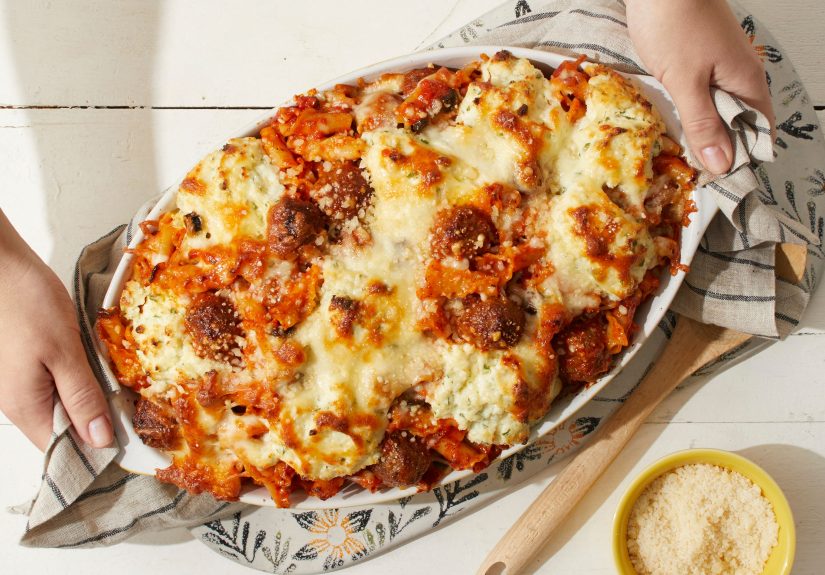
- Dump-and-Bake Cheesy Italian Meatball Casserole Recipe
- Choosing Meatballs: Frozen, Homemade, or Store-Bought
- Cheese Strategy: Melt, Stretch, and That Golden Top
- Easy Variations (Because Weeknight Dinner Deserves Options)
- What to Serve with Cheesy Meatball Casserole
- Make-Ahead, Storage, and Freezer Tips
- Common Problems and How to Fix Them
- Nutrition Notes (Without the Buzzkill)
- Conclusion
- Real-Life Experiences and “I Learned This the Hard Way” Notes (500+ Words)
Some nights you want an Italian-style dinner that tastes like you simmered sauce all day… but your actual schedule says,
“Best I can do is open a jar and emotionally support the oven.” Enter this dump-and-bake cheesy Italian meatball
casserole: a bubbling, saucy, mozzarella-blanketed pasta bake that asks for almost no prep, no stovetop babysitting,
and absolutely zero “Now wash three pots” energy.
It’s weeknight comfort food at its finest: uncooked pasta goes straight into the baking dish with marinara and extra
liquid, meatballs bring the hearty goodness, and the cheese situation is… generous. (As it should be.)
You’ll pull a golden, melty casserole out of the oven that smells like an Italian-American restaurant had a cozy
little house party in your kitchen.
Recipe at a Glance
- Skill level: “I can open a jar” (with confidence)
- Time: about 10 minutes prep + 45–55 minutes bake
- Best for: busy weeknights, potlucks, freezer-meal planning, and feeding hungry humans
- Main keyword vibes: dump-and-bake meatball casserole, cheesy Italian casserole, easy pasta bake
Why This Dump-and-Bake Casserole Works (No-Boil Pasta Magic)
Traditional baked pasta usually starts with boiling noodles. Dump-and-bake flips that script: the pasta cooks right
in the sauce as the casserole bakes. The secret is extra liquid (usually water or broth) and a
tight foil cover early in the bake, which traps steam so the pasta becomes tender instead of turning
into crunchy sadness.
Then you finish uncovered with cheese on top, so everything gets bubbly and browned. It’s the best kind of kitchen
chemistry: low effort, high reward, and the only “lab report” required is a compliment to the person who invented foil.
Ingredients You’ll Need
The Essentials
- Fully cooked Italian-style meatballs (frozen or refrigerated): beef, pork, turkeyyour call
- Short pasta: rotini, penne, rigatoni, ziti, or medium shells
- Marinara sauce: your favorite jarred brand or homemade
- Water or broth: to help the pasta cook (chicken broth adds extra savoriness)
- Mozzarella cheese: shredded for melt; fresh mozzarella works too
- Parmesan: for salty, nutty “real Italian flavor” energy
Optional Flavor Boosters (Highly Recommended if You Like Joy)
- Italian seasoning or dried oregano + basil
- Garlic (fresh minced, jarred, or even garlic powder)
- Crushed red pepper flakes for heat
- Veggies: bell peppers, spinach, mushrooms, zucchini, or onions
- Ricotta (optional): for creamy pockets like a lazy lasagna moment
- Fresh basil or parsley for a bright finish
Dump-and-Bake Cheesy Italian Meatball Casserole Recipe
Ingredients (Serves 6–8)
- 12 oz short pasta (rotini/penne/rigatoni)
- 1 (24–28 oz) jar marinara sauce
- 2 1/2–3 cups water or low-sodium chicken broth (see “pasta notes” below)
- 1–1 1/2 lb fully cooked Italian meatballs (frozen or refrigerated)
- 1 tsp Italian seasoning
- 1/2 tsp garlic powder (or 2 cloves fresh garlic, minced)
- 1 cup shredded mozzarella (for mixing in)
- 1 1/2–2 cups shredded mozzarella (for topping)
- 1/3–1/2 cup grated Parmesan (plus more for serving)
- Optional: 1 cup chopped bell pepper or 2 cups baby spinach
- Optional garnish: chopped basil or parsley
Directions
- Heat the oven to 375°F. Lightly grease a 9×13-inch baking dish (or any deep casserole dish).
-
Dump the base. Add uncooked pasta, marinara sauce, water/broth, Italian seasoning, and garlic.
Stir until the pasta is well coated and mostly submerged. -
Add meatballs + any veggies. Nestle meatballs evenly into the dish. If using bell peppers or onions,
stir them in now. If using spinach, save it for later so it doesn’t overcook into a sad green memory. - Cover tight and bake. Cover the dish tightly with foil. Bake for 35–40 minutes.
-
Stir and check. Carefully remove foil (steam is hot and dramatic). Stir well, making sure pasta on
the edges gets pulled into the saucy center. If adding spinach, stir it in now. Re-cover and bake 8–12 minutes more,
or until pasta is tender. -
Cheese time. Remove foil. Stir in 1 cup mozzarella and a handful of Parmesan for extra creamy pull.
Top with remaining mozzarella and Parmesan. -
Finish uncovered. Bake 8–12 minutes more until cheese is melted and bubbly. If you like a golden top,
broil for 1–2 minuteswatch closely, because broilers can turn “golden” into “campfire” fast. -
Rest, then serve. Let it sit for 10–15 minutes so the sauce thickens. Garnish with basil or parsley,
and serve like the weeknight hero you are.
Pasta + Liquid Notes (So You Don’t End Up with Crunchy Noodles)
The exact amount of liquid depends on pasta shape and your sauce thickness. As a reliable starting point:
12 ounces pasta + 24–28 ounces marinara + about 2 1/2 to 3 cups water/broth.
If your sauce is very thick, lean toward the higher end. If it’s thin and loose, start lower.
Short, sturdy pasta shapes (rotini, penne, rigatoni, ziti) are best. Delicate pasta (like angel hair) tends to overcook.
Very large shapes may need a little extra time.
Choosing Meatballs: Frozen, Homemade, or Store-Bought
This casserole plays nicely with whatever meatball situation you’ve got going on:
- Frozen fully cooked meatballs: The classic shortcut. Great for dump-and-bake weeknights.
- Refrigerated pre-cooked meatballs: Often a little more tender, still easy.
- Homemade meatballs: Amazing, but not exactly “dump.” If they’re raw, brown or bake them first.
If you’re using frozen meatballs, you can add them straight in. If they’re very large or extra icy, give the casserole a
few extra minutes and make sure everything is hot throughout before serving.
Cheese Strategy: Melt, Stretch, and That Golden Top
The best cheesy Italian meatball casserole has layers of cheese personality:
mozzarella for stretchy melt, Parmesan for sharp salty punch, and (optional)
ricotta for creamy pockets that make the dish taste like it worked harder than it did.
Want next-level cheesiness without turning the top into a rubber blanket? Stir some mozzarella into the casserole near
the end, then add the rest on top. That way you get cheese throughout, not just a cheese hat.
Easy Variations (Because Weeknight Dinner Deserves Options)
1) Spicy “Meatball Parm” Bake
Add crushed red pepper flakes, a spoonful of Calabrian chili paste (if you have it), and use spicy Italian meatballs.
Finish with extra Parmesan and a drizzle of olive oil.
2) Veggie-Boosted Italian Casserole
Stir in chopped bell peppers and onions at the start, then fold in spinach near the end. Mushrooms are great toojust
slice them and toss in.
3) Creamy Tomato Version
Add 1/4 to 1/2 cup heavy cream (or half-and-half) after the first bake, right before you stir in cheese. It turns the
marinara into a blush sauce that tastes fancy while you remain in sweatpants.
4) Meatball Lasagna-Inspired Dump Bake
Dollop ricotta mixed with a little Parmesan and Italian seasoning over the top before adding mozzarella. It bakes into
creamy pockets that scream “lasagna vibes” without the noodle layering Olympics.
5) Lower-Carb, No-Pasta Option
Skip pasta entirely and load the dish with meatballs, marinara, sautéed zucchini, peppers, and spinach. Bake covered
until hot, then add cheese and brown. It’s still a cheesy meatball casserolejust with fewer carbs and more vegetables.
What to Serve with Cheesy Meatball Casserole
- Garlic bread (for sauce-mopping, which is basically mandatory)
- Simple green salad with Italian dressing or lemony vinaigrette
- Roasted broccoli or air-fryer green beans for a crisp side
- Antipasto plate: olives, pepperoncini, sliced cucumbers, and a little provolone
Make-Ahead, Storage, and Freezer Tips
Make-Ahead
You can assemble everything (except the final cheese topping) earlier in the day, cover, and refrigerate. When you’re
ready to bake, add 5–10 minutes to the covered bake time since the dish is starting cold.
Leftovers
Store leftovers in an airtight container for up to 3–4 days. Reheat in the microwave for speed, or in the oven at 350°F
covered with foil until warmed through. Add a splash of water if it looks dry.
Freezer
For best texture, freeze after baking and cooling (rather than freezing uncooked pasta in sauce). Wrap well and freeze
up to 2–3 months. Thaw overnight in the fridge, then reheat covered at 350°F until hot, uncovering at the end to re-melt
the cheese.
Common Problems and How to Fix Them
Pasta is still crunchy
It usually means the casserole needed a bit more liquid, a tighter foil seal, or a few extra minutes. Add 1/4–1/2 cup
water/broth, stir, cover tightly, and bake 8–12 minutes more.
Sauce looks watery
Let the casserole rest 10–15 minutes. The starches thicken the sauce as it cools slightly. If you skip the rest, you’re
basically serving “pasta soup.” Delicious, but not the vibe.
Top cheese browned too fast
Every oven has its own personality. If the cheese is browning before the casserole is hot, loosely tent with foil and
finish baking. If you broil, stay nearbybroilers are chaos in appliance form.
Meatballs are cold in the center
Use fully cooked meatballs and spread them evenly. If they’re large, give them a head start by microwaving for a minute
or two (or thawing in the fridge). Then bake until everything is steaming hot.
Nutrition Notes (Without the Buzzkill)
This is comfort food, not a celery convention. Still, you can tweak it easily:
choose turkey meatballs, use part-skim mozzarella, add spinach or peppers, and go for a lower-sugar marinara.
Want more fiber? Whole-wheat pasta works greatjust be prepared to add a splash more liquid and a few extra minutes.
Conclusion
This dump-and-bake cheesy Italian meatball casserole recipe is the kind of dinner that makes you feel like you’ve got
your life togetherwithout actually requiring you to have your life together. It’s saucy, hearty, and reliably
crowd-pleasing, with plenty of room for “use what you have” improvisation. Keep a bag of meatballs in the freezer, a jar
of marinara in the pantry, and mozzarella in the fridge, and you’re basically one baking dish away from victory.
Real-Life Experiences and “I Learned This the Hard Way” Notes (500+ Words)
If you’ve never made a dump-and-bake pasta casserole, your first instinct will be to panic because the pasta looks
suspiciously uncooked. That’s normal. The casserole will look like a science fair project at minute zero: dry pasta,
sauce, liquid, and meatballs hanging out together like strangers at a party. The key is trusting the processand, more
importantly, trusting the foil.
Here’s what tends to happen in real kitchens: someone doesn’t seal the foil tightly because they’re “just checking,”
and then the pasta on top dries out. Or someone forgets to stir halfway through because the oven is warm and the couch
is calling. The cure is simple: set a timer for the stir. It’s not a suggestion. It’s the moment the casserole goes
from “maybe” to “we’re definitely eating tonight.”
Another common experience: the temptation to add all the cheese at the beginning. Your heart says yes. Your
casserole says, “Please don’t.” If you add the cheese too early, it can form a browned layer that blocks steam and
keeps the pasta underneath from cooking evenly. Think of the final cheese topping as your victory lap: you earn it
after the pasta is tender and the sauce has done its job.
People also discover their very personal “perfect meatball ratio.” Some like a polite number of meatballsone or two
per servingso the pasta and sauce shine. Others treat meatballs like edible pillows and want the dish absolutely
packed. Both are valid life choices. If you’re feeding teenagers, athletes, or anyone who says the words “Is there more?”
before they’ve swallowed their first bite, go heavy on meatballs.
Then there’s the sauce debate. Jarred marinara varies a lot: some are thick and sweet, some are loose and herby, and
some taste like tomatoes had a meeting about being tomatoes and decided to keep it brief. The nice thing about this
casserole is that it can handle all of themyou just adjust liquid. Thick sauce? Add a bit more water or broth. Thin
sauce? Start lower, and you can always add a splash if needed. Either way, resting the casserole at the end is the
move that makes you look like you planned this.
Finally, the best “experience” tip: this casserole is secretly a social tool. It’s the kind of dish you can bring to a
friend who just had a baby, a neighbor who’s going through a hard week, or your future self when you realize Tuesday
is basically a jump scare. Make it once, write down your favorite version (extra spinach? spicy meatballs? ricotta
dollops?), and you’ll have a dependable, low-drama recipe that shows up for you again and againlike the friend who
always brings snacks and never asks you to help them move.