Table of Contents >> Show >> Hide
- Step 1: Dream Big, Then Measure Reality
- Step 2: Set a Realistic Closet Remodel Budget
- Step 3: Design a Layout That Actually Works
- Step 4: Pick Your DIY-Friendly Materials and Systems
- Step 5: Build ItOne Section at a Time
- Step 6: Organize Like a Stylist, Not a Squirrel
- Step 7: Maintenance Habits That Keep Your Closet Gorgeous
- Real-Life DIY Master Closet Renovation Experiences (Extra 500+ Words)
- What Homeowners Wish They’d Known Before They Started
- 1. Planning takes longer than buildingand that’s a good thing
- 2. The mess phase is very real
- 3. Tools matter more than you think
- 4. Drawer space is worth every penny
- 5. Lighting feels like a luxury upgradebut it’s practical
- 6. The emotional payoff is bigger than expected
- 7. You don’t need perfection to call it a win
- Wrapping Up Your Amazing DIY Master Closet Renovation
If your master closet currently looks like a laundry basket exploded in a cave,
you’re not alone. Most “builder basic” closets are an awkward rod, a lonely shelf,
and a whole lot of wasted space. The good news? With some smart planning, basic
tools, and a weekend (or three), you can transform that black hole of clutter into
a gorgeous, custom-looking master closet that actually makes getting dressed fun.
In this guide, inspired by the DIY spirit you’ll find on Remodelaholic and other
home-improvement sites, we’ll walk through how to plan, build, and organize an
amazing DIY master closet renovation. We’ll talk budget, layout, materials,
storage tricks, and real-life lessons so you can avoid common mistakes (like
installing shelves exactly where the door needs to swing… oops).
Step 1: Dream Big, Then Measure Reality
Take inventory of what you actually own
Before you start sketching glamorous boutique-style closets, you need to know
what has to fit inside. Pull everything out and do a quick “closet audit.”
Count how many:
- Long items you need to hang (dresses, coats, jumpsuits)
- Short hanging items (shirts, blouses, jackets)
- Foldables (jeans, sweaters, tees)
- Shoes, boots, and “mystery shoes” you forgot you owned
- Bags, hats, accessories, and seasonal items
This inventory tells you how much hanging space, shelf space, and drawer
storage you really need. Professional organizers and closet designers start
here because layout decisions should follow your stuff, not random Pinterest
inspiration.
Measure the space like a pro
Next, grab a tape measure and a notebook. Measure:
- Wall lengths (each wall separately)
- Ceiling height
- Door width and swing direction
- Window sizes and locations, if any
- Outlets, vents, and light switches
Sketch a simple floorplan and mark everything. This prevents the classic
“I built a cabinet right where the light switch lives” problem. DIY bloggers
who build custom walk-in closets almost always start with a floorplan, because
moving pencil lines is much cheaper than moving plywood.
Step 2: Set a Realistic Closet Remodel Budget
Custom-looking closets can be surprisingly affordable if you’re doing the labor
yourself. Still, you want a budget range before you start adding drawers like
you’re designing a department store.
Typical DIY master closet cost ranges
Recent U.S. guides on closet remodels suggest that a full closet renovation can
range from about $1,500 to $6,700 on average, depending on size, materials, and
extras like lighting or built-in islands. A helpful rule of thumb is to budget
roughly $25 to $150 per square foot for a custom closet system, with higher-end
wood finishes landing at the upper end of that range.
Another way designers price closets is by linear foot. Basic wire shelving might
run around $20–$30 per linear foot, while custom laminate or wood shelving can
be closer to $100–$200 per linear foot. If you were paying a pro, labor might
account for 30–50% of the total, but as a DIYer, that part is sweat equity for
you instead of a line item on the invoice.
Where to splurge and where to save
To keep your DIY master closet renovation budget-friendly, decide your
“splurge zones” and “save zones” early:
-
Splurge on: drawers (they hide everything), sturdy hanging
rods, full-extension hardware, quality paint or finish, and good lighting. -
Save on: open shelves instead of closed cabinets, simple
flat-front doors or no doors, basic primed plywood instead of costly
solid hardwood, and budget-friendly closet systems you can customize.
If you’re on a tight budget, consider mixing ready-made systems (like an IKEA
PAX or other modular kit) with DIY trim and built-in details to create a
custom, high-end look without the high-end price tag.
Step 3: Design a Layout That Actually Works
Choose your main layout style
For a walk-in master closet, three layouts dominate:
-
Single-wall: Best for narrow or reach-in closets. All
storage goes on one wall. -
Galley (two-wall): Storage on both sides with a walkway in
the middle. Great for long, narrow spaces. -
U-shaped (three-wall): Storage on three sides for maximum
hanging, shelving, and drawersideal for a dedicated master closet room.
Aim for at least 24 inches of clear walk space in front of hanging rods and
drawers, and ideally a 36-inch aisle for comfort, especially if two people
might be grabbing clothes at the same time.
Plan “his and hers” zones (or just “my stuff” and “also my stuff”)
One thing DIYers love about master closet makeovers is creating separate zones
so everyone knows where their clothes live. Typical split:
- One wall for longer hanging plus shared items like coats and dresses
- One side for one partner with double hanging plus drawers
- Another side for the other partner with more shelves or shoe storage
If you live solo, you can still create “zones”: casual vs. work clothes,
everyday vs. special occasion, or current season vs. off-season items. Zones
make maintenance easier because things have a clear home.
Don’t forget corners and vertical space
Corners are where closet dreams go to die if you don’t plan them well.
Use corner shelves, hanging solutions, or angled rods instead of just letting
that space become a tangle of hangers. Also, take advantage of vertical
spacemost closets have a ton of unused room above the standard shelf.
Add a second shelf above the main one for luggage or bins, or run cabinets
to the ceiling if you’re feeling ambitious. You can always store off-season
clothes or rarely used items up high.
Step 4: Pick Your DIY-Friendly Materials and Systems
Modular systems vs. full custom build
For a DIY master closet renovation, you basically have three categories of
materials:
-
Wire systems: Inexpensive, easy to install, not the most
beautiful but great for budget makeovers. -
Modular kits (laminate or metal): Systems like IKEA, big-box
store kits, or modular rail systems you can customize with shelves, drawers,
and rods. -
Fully custom plywood builds: Built from scratch using
plywood, MDF, or hardwood, then trimmed and painted to look like built-ins.
Modular systems are the sweet spot for many DIYers: you get predictable parts,
a clean look, and the ability to tweak the layout, without needing cabinetmaker
skills. For a truly “Remodelaholic-worthy” look, many homeowners build simple
plywood structures and then add crown molding, baseboards, and filler strips to
make everything feel custom and built-in.
Don’t skimp on hardware and supports
Hanging rods and shelves carry a lot of weightespecially once those “just in
case” jeans and winter coats pile on. Use:
- Sturdy metal rods and solid brackets
- Wall anchors where you can’t hit studs
- Cleats or ledger boards under long shelves
Many pros recommend spacing supports every 32–36 inches for shelves and making
sure hanging rods are anchored into studs whenever possible. It’s less
glamorous than choosing pretty baskets, but it keeps your closet from failing
dramatically at 3 a.m.
Step 5: Build ItOne Section at a Time
Demo the old closet carefully
Remove the old single rod and shelf, patch holes, and give the walls a fresh
coat of paint. Light, neutral paint colors bounce light around and make small
closets feel bigger. This is also a good time to upgrade your light fixture to
something brighter and more stylish.
Install your framework
Whether you’re hanging a rail-based system or assembling plywood towers on the
floor, start with:
- Marking stud locations and level lines for rails or cleats.
- Installing vertical panels or support standards first.
- Adding shelves and rods after the main structure is secure.
Many DIYers like to build components (like drawer towers or tall shelves) in the
garage and then bring them into the closet to anchor them to the wall. This
keeps sawdust out of your bedroom and avoids wrestling full-size panels in a
tiny space.
Add trim and finishing touches
The magic step that makes a DIY closet look expensive is trim. Simple touches
like:
- Baseboards along the front of closet units
- Crown molding at the top
- Filler strips between units and side walls
- Caulked seams and a smooth coat of paint
instantly turn “flat-pack shelves” into “custom built-ins.” Choose a satin or
semi-gloss paint for durability and easier cleaning.
Step 6: Organize Like a Stylist, Not a Squirrel
Give every item a clear home
Once your closet structure is in place, it’s time to move back in. Group clothes
by type and (if you’re feeling fancy) by color. Use:
- Double hanging for shirts, blouses, and folded-over pants
- Single tall hanging for dresses, coats, and long skirts
- Shelves for jeans, sweaters, handbags, and baskets
- Drawers for underwear, pajamas, t-shirts, and workout clothes
This makes your closet feel calmer and helps you see what you own. Bonus: it
also makes it painfully obvious how many black t-shirts you’ve accumulated.
Use smart storage accessories
Accessories are where you can have some fun while adding function. Consider:
- Pull-out trays for jewelry and watches
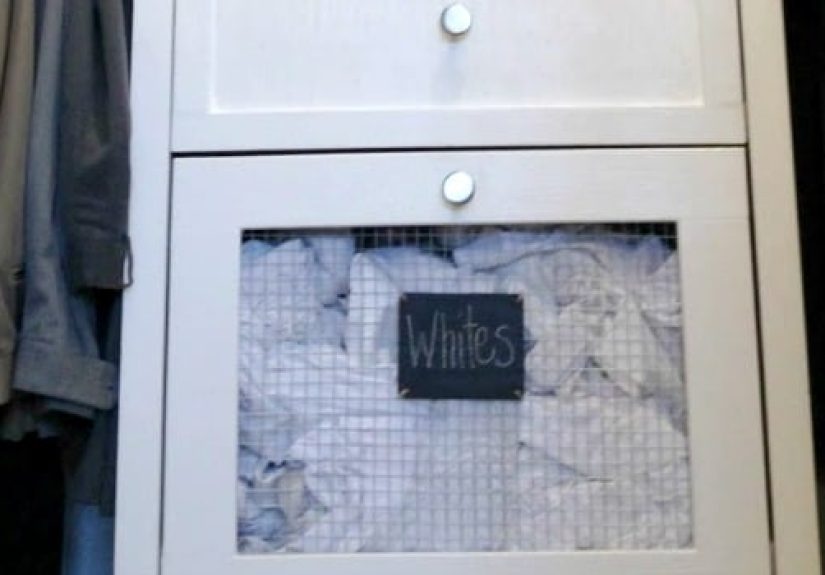
- Shoe shelves or drop-front boxes
- Stacking drawers for small items
- Hooks for belts, scarves, bags, and hats
- Labeled bins for seasonal items or travel gear
Many closet pros and home decor sites recommend mixing open and closed storage
to keep the space visually tidy while still being easy to use day to day.
Light it up
Good lighting is the cherry on top of a master closet renovation. You don’t need
a crystal chandelier (though you absolutely can have one). Even swapping a
single builder-grade bulb for a bright LED flush mount can change the entire
feel. Add puck lights, LED strips under shelves, or motion-sensor battery lights
if hardwiring isn’t in the cards.
Step 7: Maintenance Habits That Keep Your Closet Gorgeous
A beautifully renovated closet can slide back into chaos if you don’t give it
a tiny bit of attention. The good news is that maintenance doesn’t have to be
intense:
- Do a 5-minute evening reset: hang items back up and toss laundry into hampers.
- Once a month, scan for “out of place” items and re-home them.
- Twice a year, do a seasonal edit and donate what you no longer wear.
When you treat the closet like an actual room (not a dumping zone), it’s much
easier to keep it functional and pretty.
Real-Life DIY Master Closet Renovation Experiences (Extra 500+ Words)
What Homeowners Wish They’d Known Before They Started
Reading glossy before-and-after photos is inspiring, but real DIY experiences
are where the best lessons live. Here are some common themes people share after
finishing their own “amazing DIY master closet renovation.”
1. Planning takes longer than buildingand that’s a good thing
Many homeowners say they spent weeks sketching layouts, tweaking measurements,
and changing their minds before they ever picked up a saw. At first, that feels
frustrating (“I just want the pretty closet now”), but almost everyone agrees
that extra planning time saved money, materials, and headaches later.
One couple thought they wanted two symmetrical sides with identical hanging
space. After they listed what they each owned, they realized one side needed
more dress and long-coat space, while the other needed mostly short hanging and
tons of shoe storage. If they’d gone with a perfectly symmetrical design, one
side would always feel cramped and the other side half-empty.
2. The mess phase is very real
Every DIY master closet renovation hits “the mess phase”that awkward period
when everything from your closet is piled on the bed, the floor, and probably
the dog. Realistically, expect at least a few days of chaos, especially if
you’re building from scratch.
The best coping strategy is to plan your project in phases and set mini
milestones: one weekend for demo and paint, another for installing the main
systems, and a final stretch for trim and touch-ups. Having those small wins
keeps you motivated when your entire wardrobe is staring at you from the
nightstand.
3. Tools matter more than you think
You don’t need a professional wood shop, but the right basic tools make a huge
difference. DIYers frequently mention these as game-changers:
- A good stud finder that actually works (not the flaky $10 one).
- A miter saw or circular saw with a guide for clean cuts.
- A brad nailer for quickly attaching trim and face frames.
- A long level and quality tape measure.
Borrowing or renting tools can keep costs low while still letting you achieve a
polished, professional look. Just don’t forget safety geareye protection, ear
protection, and a dust mask when cutting or sanding.
4. Drawer space is worth every penny
One of the most repeated “I’m so glad we did this” comments is about drawers.
People rarely regret adding more drawersbut they often wish they had added a
few extra. Drawers hide visual clutter and make it easier to put things away,
which means your beautiful closet stays beautiful longer.
Homeowners who added deep drawers for sweaters and jeans, plus shallow drawers
for socks, underwear, and accessories, say those became the workhorses of the
entire system. Even in smaller closets, a narrow tower of drawers can make a
huge impact on usability.
5. Lighting feels like a luxury upgradebut it’s practical
People are often surprised by how much good lighting changes their daily
experience. A previously dim, cave-like closet suddenly becomes a bright,
inviting dressing room. DIYers who installed LED strips under shelves or
added a second light fixture say they stopped “losing” items and started
actually wearing more of their wardrobe because they could finally see it.
Many also appreciate the little things: a light over the shoe wall to help
distinguish navy from black, or a lamp on top of a dresser plugged into a
conveniently placed outlet. These details rarely show up in quick sketches but
make daily use much smoother.
6. The emotional payoff is bigger than expected
Yes, a master closet renovation improves storage and home value. But many
homeowners talk about the emotional payoff: less morning stress, more sense
of control, and a little daily boost of joy when they open the closet door.
One homeowner joked that her new closet doubled as therapy: “I open the door,
look at my tidy shelves and matching hangers, and suddenly life feels 10%
more manageable.” That’s the power of a well-designed, personalized space.
7. You don’t need perfection to call it a win
Finally, nearly everyone admits there are tiny imperfections in their DIY
projectsslightly uneven caulk lines, a shelf that’s a hair off-center, a
patch that could have been sanded better. But once the clothes and baskets
are back in, those details fade away.
What remains is a closet that actually fits your life, built with your own
hands, at a fraction of the cost of hiring a custom closet company. That’s the
heart of an “Amazing DIY Master Closet Renovation”not flawless carpentry,
but a space that works beautifully and makes your home feel more like you.
Wrapping Up Your Amazing DIY Master Closet Renovation
A master closet renovation doesn’t have to be intimidating or wildly
expensive. By taking inventory, setting a realistic budget, planning a smart
layout, choosing DIY-friendly systems, and focusing on strong organization
and lighting, you can turn a chaotic space into a calm, highly functional
dressing area.
Whether you go full custom with built-ins or remix modular systems into a
“Remodelaholic”–style makeover, your renovated closet will pay you back every
day in saved time, reduced stress, and maybe even a little extra confidence
as you step out the door.