Table of Contents >> Show >> Hide
- Why Europe Started Hanging Animals on Trees (And Why It Works)
- How European Glass Animal Ornaments Are Made (Tiny Miracles, Mostly Air)
- Animalia Field Guide: The Most Beloved European Glass Ornament Creatures
- Europe in Four Ornament Regions: Germany, Bohemia, Poland, and Italy
- Vintage Mercury Glass and Kugels: The Ancestors of Today’s Sparkle
- How to Collect European Glass Animal Ornaments Without Losing Your Mind
- FAQ: European Glass Christmas Ornaments, Animal Edition
- The Object Lessons Hidden in a Glass Menagerie
- Field Notes: Experiences From the Ornament Safari (Extra )
If your Christmas tree has ever looked like a wildlife documentary got glitter-bombed, congratulations:
you’ve curated Animalia. One moment you’re untangling lights, the next you’re squinting at a
hand-painted owl with suspiciously wise eyebrows, wondering who gave it a tiny gold beak and the right
to judge your life choices.
European glass Christmas tree ornaments aren’t just pretty baubles. They’re miniature time machines:
chemistry experiments you can hang on a branch, folk tales rendered in shimmer, and a crash course in
how a humble holiday tradition became a global obsession. In this “Object Lessons” edition, we’re
looking specifically at animal-shaped glass ornamentsbirds, beasts, bugs, and sea creaturesbecause
nothing says “holiday magic” like a blown-glass hedgehog reflecting your living-room lights with
existential calm.
Why Europe Started Hanging Animals on Trees (And Why It Works)
Before glass ornaments, trees were decorated with what you could reasonably find (and maybe eat):
fruit, nuts, sweets, bits of tinsel, and whatever looked festive without requiring a second mortgage.
In German-speaking regions, the decorated Tannenbaum became a beloved centerpiece, and artisans
eventually turned “nature on the tree” into “nature, but make it permanent.” That’s where glass came in.
In the mid-19th century, the German glassmaking town of Lauscha is widely credited with popularizing
hollow blown-glass ornaments. Early designs leaned heavily into what people already hungfruits and
nutsthen expanded into figurals, including animals. It’s a logical leap: if you can blow a glass
walnut, you can absolutely blow a glass squirrel to guard it.
Animal ornaments stuck for the same reason animals dominate every other part of human culture:
they’re symbolic, familiar, and endlessly collectible. A bird can mean hope. A deer can mean winter.
A frog can mean… you lost a bet at a Christmas market. Either way, the tree becomes a tiny ecosystem,
and you become its benevolent, slightly frazzled park ranger.
How European Glass Animal Ornaments Are Made (Tiny Miracles, Mostly Air)
Mouth-Blown vs. Mold-Blown: The Two Main Species
Traditional European glass ornaments are often made from heated glass tubing. For a simple ball,
artisans inflate the glass like a bubble. For animals, molds enter the chat: the softened glass is
expanded into a mold so it picks up a distinct shapesnouts, wings, tails, and all the adorable
anatomy that makes you say, “I need the raccoon too.”
Many makers still rely on hand-finishing: trimming, adding details, attaching hangers or caps, and
prepping the surface for decoration. This is why good animal ornaments feel surprisingly “alive”
not because they’re haunted (probably), but because a human hand made a thousand tiny decisions on
the way to that perfect fox face.
The Silvering Trick: Why They Glow Like They Have Secrets
Here’s the part that feels like magic but is really chemistry with a festive attitude: silvering.
Many classic ornaments have reflective interiors, which makes colors pop and candlelight (or LED
lights) bounce around like it’s trying to start a dance party. Historically, various methods were
used to create that inner mirror effect; later approaches often involved silver nitrate solutions.
This reflective interior is one reason vintage-style ornamentsespecially animals with curved shapes
like fish, birds, and beetleslook so dimensional on the tree. They don’t just sit there; they throw
light back at the room like a tiny, glamorous disco ball with whiskers.
Animalia Field Guide: The Most Beloved European Glass Ornament Creatures
Think of this as your friendly “spotter’s guide” to glass animal ornaments. No binoculars required,
just a steady hand and a willingness to accept that you’re now the kind of person who has opinions
about swan posture.
1) Birds: The Original Tree Celebrities
Birds are a classic motif across European ornament traditions. They’re also wildly flattering: hang a
brilliant red bird near the top of your tree and suddenly your living room looks like it belongs in a
holiday catalog. Bird ornaments range from simple silhouettes to elaborate hand-painted creatures with
feather-like brushwork, glitter accents, and tiny eyes that follow you (in a cute way).
- Owls: wintery, wise, and always slightly unimpressed.
- Robins and songbirds: cozy, classic, and friendly for traditional décor.
- Peacocks: maximalist iconsperfect for trees that refuse to be subtle.
2) Forest Creatures: Woodland Drama in High Gloss
Deer, foxes, rabbits, squirrels, and hedgehogs are the backbone of “winter woodland” styling. Their
shapes also show off what glass can do: slender legs, curled tails, and just enough sparkle to make a
fox look like it’s about to start a jazz trio.
A good trick: cluster woodland animals in a “habitat zone.” Put mushrooms and pinecones lower on the
tree, then let the foxes and deer roam upward. Congratulations, you just made a forest-themed
dioramawithout glue, and with much better lighting.
3) Farm Animals: Cozy, Folksy, and Weirdly Heartwarming
European ornament makers have long loved farm motifspigs, cows, sheep, roostersbecause they’re tied
to abundance, home, and that comforting “country Christmas” vibe. Plus, a glass pig with rosy cheeks
is objectively hilarious and should be protected at all costs.
- Pigs: festive good-luck energy in many Central European traditions.
- Roosters: bold colors, great silhouettes, and a natural sense of superiority.
- Sheep: soft-looking even when made of glassan artistic flex.
4) Aquatic Life: Fish, Seahorses, and the “Why Not a Lobster?” School
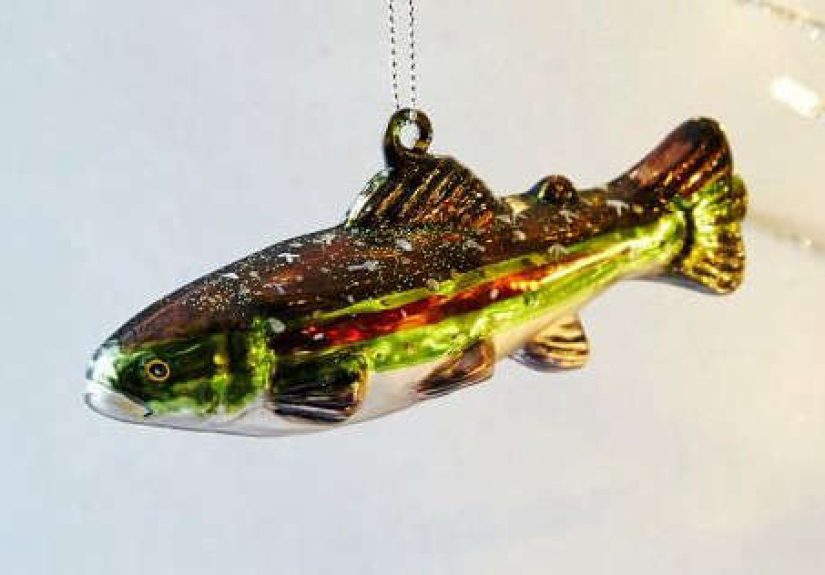
Aquatic ornaments are where European glass gets especially playful. Fish shapes catch light beautifully,
and sea creatures invite color: turquoise, coral, gold, deep cobalt. If your tree needs a surprise,
add one glass seahorse. People will notice. People will ask questions. You will feel powerful.
5) Bugs and Butterflies: Micro-Nature, Major Sparkle
Insects might sound like a questionable holiday choice until you see a jeweled beetle ornament
reflecting light like a tiny Fabergé egg with legs. Butterflies, bees, dragonfliesthese designs turn
the tree into a floating garden. They also make excellent “bridge ornaments” that tie together florals,
fruit shapes, and animal figurals.
Europe in Four Ornament Regions: Germany, Bohemia, Poland, and Italy
Germany: Lauscha Heritage and the Art of the Figural
German ornament history is deeply tied to the Thuringian glassmaking regions. Lauscha is especially
famous for developing and popularizing blown-glass Christmas ornaments in the 19th century. Over time,
German makers became known for crisp, detailed figuralsanimals, fruits, Santas, and whimsical shapes
finished with careful painting and glitter work.
If you love “old-world” Christmas décor, German glass animal ornaments are often the gateway species.
Today you’ll still see classic silhouettesbirds, deer, pigsalongside delightfully oddball creatures.
(Yes, that can include an oyster. No, you don’t have to explain yourself.)
Bohemia: A Long Glass Tradition That Loves Ornamentation
Bohemia (historically spanning parts of today’s Czech Republic and surrounding regions) has centuries
of decorative glass tradition. The regional reputation for richly worked glasscut, engraved, and
ornamentedhelped shape Europe’s broader appetite for glass as a decorative art, which is why Bohemian
influence shows up in ornament styles that prize detail, shine, and craftsmanship.
In animal ornaments, you’ll often see bold color palettes and decorative flourishes: etched patterns,
metallic accents, and painterly details that read almost like miniature folk paintings.
Poland: “Jewelry for the Home” and the Rise of Custom Ornaments
Polish glass ornament workshops are known for detailed, often whimsical designsanimals included. In
recent years, reporting on Polish ornament makers has highlighted a blend of traditional handwork with
imaginative, custom production: swans, mushrooms, pinecones, hummingbirds, even fantastical birds that
look like they escaped a storybook.
What makes Polish animal ornaments feel distinctive is their storytelling impulse: they’re not just
a creature; they’re a character. Put one on your tree and it looks like it has a backstory and a
favorite song.
Italy: Murano Color, Confetti Glass, and Pure Visual Joy
Italian glassespecially styles associated with Venice’s Murano traditionis famous for color, pattern,
and that effortless “art object” energy. Murano-inspired ornaments tend to lean into swirling hues,
confetti-like inclusions, and bright, clean finishes. Even when the shape is simple, the surface does
the talking.
For an Animalia tree, Italian glass can act like the coral reef section: loud in the best way, saturated
with color, and impossible to ignore.
Vintage Mercury Glass and Kugels: The Ancestors of Today’s Sparkle
Before your modern owl had perfect glitter eyeliner, there were kugels: hefty, reflective, Victorian-era
ornaments that caught candlelight like tiny moons. Collectors love them for their weight, patina, and
old-world presence. They often look less like “holiday décor” and more like “artifact recovered from a
very glamorous attic.”
Animal-shaped kugels exist tooespecially birds and fruit formsand they remind you that the urge to
hang shiny objects from branches is not new. Humans have always been magpies at heart; we just got better
at pretending it’s “tradition.”
How to Collect European Glass Animal Ornaments Without Losing Your Mind
Buy Like a Curator, Not Like a Frenzied Raccoon
It’s tempting to impulse-buy every glass animal you see. Resist (somewhat). A more satisfying approach:
build a collection with “families” or themes.
- Habitat themes: woodland, alpine, farm, ocean, garden.
- Color stories: jewel tones, icy neutrals, traditional red/green, metallics.
- Style eras: vintage-inspired stripes, old-world glitter, minimalist European glass.
Spotting Quality: Quick Signs
- Detail work: crisp faces, neat paint lines, intentional glitter placement.
- Balance: a well-made animal hangs without doing a dramatic forward flip.
- Finish: reflective interiors and layered paint tend to look deeper and more luminous.
- Craft clues: hand-finished caps, subtle variations, and small asymmetries can be a feature, not a flaw.
Care and Storage: The “Please Don’t Break the Hedgehog” Protocol
Store glass animal ornaments like they’re tiny museum objects (because they are). Wrap individually in
acid-free tissue or soft paper. Keep them in compartment boxes. Label compartments if you’re prone to
forgetting where the fox went (it’s always the fox).
And if you have pets? Hang your most delicate animals higher. Your cat does not need to meet the glass
bird up close. Your cat will disagree, but your cat is wrong.
FAQ: European Glass Christmas Ornaments, Animal Edition
Are “mercury glass” ornaments actually made with mercury?
The term “mercury glass” is often used in décor to describe a reflective, silvered look. Historically,
some silvering methods involved materials that are not used the same way today. If you’re buying modern
ornaments, focus on reputable makers and clear product descriptions rather than the nickname.
Why do animal ornaments cost more than plain balls?
Complexity. A ball is an elegant shape, but a hedgehog has opinions, spikes, shading, and a tiny face
that must look charming from multiple angles. More handwork = higher cost.
What’s the most “European” animal ornament to start with?
A bird is the classic entry pointtimeless, symbolic, and easy to style. If you want something bolder,
try a pig (good-luck vibes) or a fox (woodland chic).
The Object Lessons Hidden in a Glass Menagerie
A European glass animal ornament teaches you at least three things:
-
Craft matters. You can see the difference between mass decoration and a piece that was
shaped, painted, and finished with care. -
Traditions travel. What began in European workshops ended up shaping how Americans
decorated treesthrough imports, department stores, and the rise of ornament culture. -
Beauty is portable. It can be as small as a glass bee. It can be fragile. And it can
still make the whole room feel warmer.
So yes, you’re “just” decorating a tree. But you’re also building a tiny, sparkling archive: a forest,
a farm, an ocean, and a skycaptured in glass and light.
Field Notes: Experiences From the Ornament Safari (Extra )
There’s a specific kind of thrill that happens when you open a box of European glass animal ornaments.
First, the sound: tissue paper whispering like it knows a secret. Then the reveal: a glossy little
creature that looks both precious and slightly smug, like it’s aware it just upgraded your holiday
décor by 37%.
If you’ve never done an “Animalia” tree before, the first experience is realizing you’re not just
hanging ornamentsyou’re staging a scene. You start with good intentions: “A few birds, a few deer,
maybe a fish for fun.” Twenty minutes later, you’re arranging a whole ecosystem and explaining to a
household member (or an imaginary audience) why the owl must be near the lights for maximum drama,
and why the fox needs a mushroom nearby or it “doesn’t make sense.” This is normal. This is art.
The second experience is learning how light behaves on different creatures. Round ornaments glow, but
animals perform. A glass bird with a reflective belly throws light forward like a tiny spotlight.
A fish with metallic scales looks different depending on whether your tree lights are warm or cool.
A beetle with glittered wings becomes a moving constellation when the branch sways. You’ll find yourself
turning off the overhead lights just to watch the tree “breathe” in the dark, which is both peaceful
and slightly dramaticagain, normal.
Then there’s the “placement wisdom” you only earn by doing. Heavy ornaments (especially vintage-style
pieces) belong deeper on sturdy branches, not on the delicate tips that droop like they’ve just heard
bad news. Long animalslike certain fish or birdslook best when they have visual space around them,
so their silhouette reads clearly. Tiny creatures (bees, butterflies) are perfect for filling gaps
without turning your tree into a cluttered zoo gift shop. And if you’re mixing regionsGerman figurals,
Polish storybook pieces, Italian color-swirlsyour secret weapon is repetition: repeat a color (gold,
red, icy blue) across different animals to make the whole menagerie feel intentional.
Finally, there’s the experience of living with them. Animal ornaments invite conversation. Guests spot
them like they’re playing an I-Spy game: “Is that a hedgehog?” “Why do you have a lobster?” “That swan
looks expensive.” You’ll notice which ones make you smile on a random Tuesday in December. Those become
the keepersthe ornaments you wrap carefully, label lovingly, and look forward to seeing again next
year. Because the real magic isn’t the glass (though yes, it’s gorgeous). It’s the way tiny objects,
hung for a few weeks, become part of your personal calendar: a recurring moment of wonder you can
unpack on purpose.