Table of Contents >> Show >> Hide
- What Is Reed Roof Shading, Exactly?
- Why Choose Reed Over Other Shade Materials?
- Where Reed Roof Shading Works Best
- Reed vs. Bamboo: Which Is Better for a Roof?
- How to Install a Reed Roof Shade (Without Tears)
- Care, Maintenance, and Lifespan
- Design Tips for a Remodelista-Worthy Reed Roof
- Potential Downsides to Know Before You Commit
- Real-World Experiences with Reed Roof Shading
- Final Thoughts: Why Reed Roof Shading Still Feels Fresh
If your summer game plan involves spending more time outside than your houseplants, you’re going to need shade.
Not the big-box metal pergola kind (nothing against it), but something softer, more natural, and just a little bit
Mediterranean-getaway. That’s where reed roof shading comes in: lightweight, affordable, and surprisingly chic, it’s a Remodelista-style staple that turns a hot patio into a cool retreat.
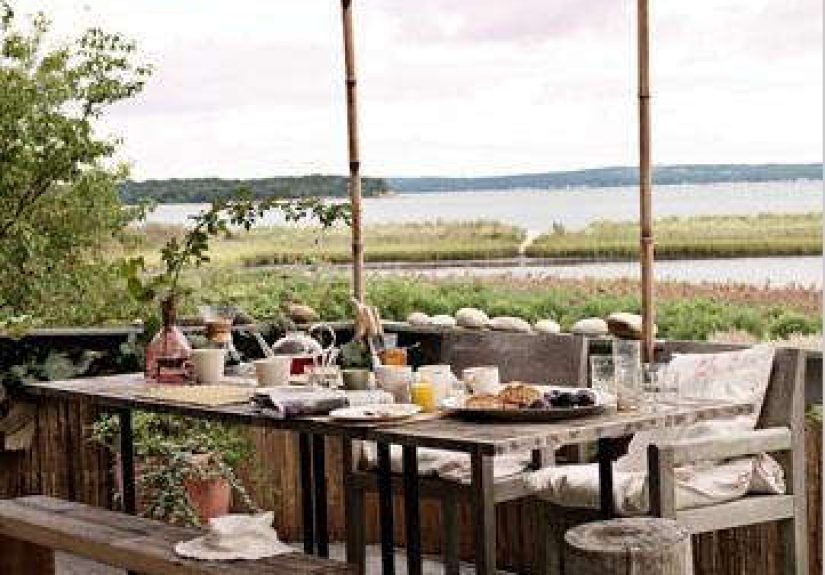
Picture a simple wood pergola or metal frame topped with sun-bleached reed mats, stripes of light and shadow dancing across your outdoor table.
It feels like an aperitivo in Greece or Italy, but it’s actually your backyard (and you didn’t have to sell a kidney to get the look).
Let’s break down what reed roof shading is, why designers love it, and how to use it without ending up with a sad, droopy thatch situation.
What Is Reed Roof Shading, Exactly?
Reed roof shading typically uses panels or rolls of freshwater reedslender, hollow stems that grow abundantly along riverbanks and wetlandsbundled and wired together into flexible mats.
These “reed rolls” are usually marketed as reed fencing or reed screening and come in convenient pre-assembled panels that you can unroll and attach to an existing structure like a pergola, trellis, balcony rail, or freestanding frame.
Unlike solid roofing or fully opaque shade sails, reed shading is about filtered light.
It blocks harsh midday sun while still letting a warm, dappled glow throughthink café patio at noon instead of cave at noon.
That balance between protection and openness is one of the big reasons it shows up so often in coastal and Mediterranean settings.
Why Choose Reed Over Other Shade Materials?
1. Natural, Relaxed Aesthetic
If your design mood board includes words like “boho,” “Mediterranean,” “rustic modern,” or “natural minimalism,” reed roof shading fits right in.
The subtle texture and soft straw tones layer beautifully with limewashed walls, stucco, stone pavers, or simple concrete.
Even a basic urban balcony instantly looks more intentional and designed once reed screening goes up.
2. Lightweight and Easy to Work With
Reed rolls are significantly lighter than wood planks, corrugated metal, or tile.
You can often attach them to a simple timber frame, metal pergola kit, or even tensioned wires without engineering a tiny skyscraper.
The panels are usually held together with thin galvanized or vinyl-coated wire, so you can cut them to size with snips and a bit of patience.
3. Budget-Friendly Shade Upgrade
Compared to custom wood pergola roofs or fully retractable canopies, reed is inexpensive.
Rolls of reed fencing are often sold in big-box stores and garden centers as an affordable privacy or screening solutionmeaning you can repurpose them for overhead shade without blowing your entire outdoor budget.
4. Eco-Conscious Appeal
Reed grows quickly along waterways and is considered a renewable natural resource when harvested responsibly.
Designers and homeowners aiming for more eco-friendly outdoor spaces often pair reed with other sustainable materials like FSC-certified timber, reclaimed paving, and low-water plantings.
5. Comfortable, Not Cave-Like Shade
Reed typically offers partial shadeoften in the range of 60–70% coverage depending on thickness and how tightly the stems are bundled.
You get protection from direct sun and a noticeable drop in temperature under the canopy, while still keeping that airy, open feeling.
For full blackout-style shade, you’d choose a different solution, but for lounging, dining, and reading, reed hits a sweet spot.
Where Reed Roof Shading Works Best
Over a Pergola or Simple Frame
The classic application: a wood or metal pergola covered with reed rolls.
The frame provides structure and stability; the reed provides texture and shade.
In milder climates, you can leave it up for three seasons or even year-round, depending on weather.
On Balconies and Roof Decks
For renters or tight urban spaces, reed screening can be attached to a lightweight frame or railing to create a mini loggia effect.
Use it as a “ceiling” above your outdoor loveseat, or wrap it partially around the sides for extra privacy and wind buffering.
Seasonal Outdoor Dining Areas
If you set up a long table in the garden or on a terrace, a reed roof helps prevent guests from slow-roasting while they eat.
Pair it with string lights woven through the reedsat night, the glow filtering down feels like something straight off a Remodelista mood board.
Poolside Lounges and Daybeds
Reed shading is ideal for chill-out zones near a pool where you want shade but still enjoy reflections of sky and water.
Combine it with low lounge seating, outdoor cushions, and maybe a tiny side table for that “vacation you didn’t technically take” energy.
Reed vs. Bamboo: Which Is Better for a Roof?
If you’ve gone down the patio-cover rabbit hole online, you’ve probably noticed bamboo mentioned alongside reed.
They look similar at a glance, but they behave differently over time.
Durability
Bamboo tends to be denser and more durable than reed, often handling sun, rain, and wind betterespecially when sealed or treated.
Reed, on the other hand, can discolor and break down sooner if it’s constantly exposed to moisture or harsh conditions without maintenance.
Look & Feel
Reed gives a softer, finer texture and usually a more relaxed, straw-like look.
Bamboo is chunkier and visually stronger, which can be perfect for tropical or bold modern spaces but might feel heavy in a small yard.
Cost and Flexibility
Reed rolls are often the most budget-friendly and easiest to cut and shape for curved or irregular structures.
Bamboo rolls are usually a bit more expensive but can last longer if well maintained.
Many designers use reed where they want short- to medium-term shade and a very soft look, and bamboo where they want more permanence.
How to Install a Reed Roof Shade (Without Tears)
Step 1: Build or Check Your Frame
Make sure your pergola or shade structure is solid before adding reed.
The frame doesn’t have to be overbuilt, but it should be able to handle wind loads and the added weight of wet reeds after rain.
For most small backyard pergolas, 4×4 or 6×6 posts with properly anchored footings are standard best practice.
Step 2: Measure Twice, Buy Once
Reed rolls commonly come in standardized heights (like 4, 6, or 8 feet) and lengths around 13–16 feet.
Measure your roof area carefully and plan how you’ll overlap or trim pieces so seams land neatly on rafters or cross beams.
Step 3: Attach the Reed Rolls
Unroll the reed along the top of your structure and temporarily clamp or tie it in place.
Then secure it with galvanized wire, zip ties rated for outdoor use, or stainless-steel staples along each support beam.
Work from one side to the other, keeping the rolls taut but not overly stretched.
Step 4: Layer for More Shade (Optional)
Want more shade or privacy? You can double up the reed for denser coverage, or add a layer of UV-resistant shade cloth underneath.
Just make sure your structure can handle the additional weight and wind resistance.
Step 5: Finish the Edges
Trim stray stems and tidy the edges so the reed looks intentional, not like your pergola is wearing a bad haircut.
Some homeowners add a simple wood batten or narrow board along the edge to sandwich and cleanly finish the ends.
Care, Maintenance, and Lifespan
Reed is natural, which means it will weathersometimes beautifully, sometimes less so if ignored.
Expect some color fading and gradual breakdown over several seasons, especially in harsh climates.
Basic Maintenance Tips
- Annual cleaning: Gently hose off dust, pollen, and debris. Avoid high-pressure washers that can damage the fibers.
- Seal if needed: A clear, UV-protective outdoor sealer designed for natural reeds or bamboo can help extend life and slow fading.
- Check fasteners: Once or twice a year, inspect wire, zip ties, or staples and replace anything that’s rusting or failing.
- Watch for sagging: If sections begin to sag, support them with additional battens or crosspieces before the problem spreads.
Depending on your climate, exposure, and care routine, reed shading might last anywhere from two to five years before needing replacement, sometimes longer in mild, dry climates.
Many homeowners treat it like an upgradeable layer: when it eventually weathers out, you can refresh the entire outdoor space with new reed, a different shade material, or a fresh pattern.
Design Tips for a Remodelista-Worthy Reed Roof
Keep the Palette Simple
Reed looks best when it’s the star texture, not one of fifty.
Combine it with a restrained palette: white or warm plaster walls, pale stone or concrete underfoot, and a limited number of wood tones.
Then add small hits of black metal, terracotta, or woven baskets for contrast.
Layer Plants Strategically
Reed shading plays beautifully with trailing vines and potted trees.
Train jasmine, grapes, wisteria, or ivy to climb the pergola posts while the reed takes care of immediate shade.
Over time, the plants can help soften edges and cool the microclimate even more.
Think About Light at Night
One of the underrated perks of reed roofing is how magical it looks with lighting.
String lights, lanterns, or small spotlights pointed upward can cast intricate shadows of stems and wires, creating a cozy atmosphere without a lot of hardware.
Combine with Other Shade Types
In very hot or rainy climates, reed alone may not be enough.
Some designers pair reed with retractable fabric panels, polycarbonate sheets, or a solid roof over part of the space and reed over the rest.
This lets you mix moodsone zone for full shelter, another for breezy filtered light.
Potential Downsides to Know Before You Commit
- Limited rain protection: Reed slows down the rain but doesn’t stop it. It’s more of a sunshade than a full weatherproof roof.
- Shorter lifespan than solid materials: It won’t last as long as metal roofing or properly treated hardwood.
- Maintenance required: Neglect can lead to premature breakdown, discoloration, or sagging.
- Wind exposure: In high-wind areas, you’ll need a sturdy frame and secure fastening to keep reed mats from loosening or tearing.
Still, for many homeowners and designers, the benefitstexture, ambiance, and that easy, vacation-house vibefar outweigh the drawbacks, especially when reed is part of a broader, layered shade strategy.
Real-World Experiences with Reed Roof Shading
Theory is nice, but outdoor spaces are where theory meets weather, pets, and guests who always lean on the one post you’re worried about.
Here’s what often comes up in real-life experiences with reed roof shadingand how to make those experiences work in your favor.
The “Instant Transformation” Effect
Many homeowners report that adding reed to an existing pergola or simple frame feels like flipping a switch.
Before the reed, the outdoor area was too bright, too exposed, and rarely used in the middle of the day.
Afterward, it suddenly becomes the preferred coffee spot, laptop desk, or kids’ drawing zone.
The combination of shade and a defined “ceiling” makes the space feel like a real outdoor room.
If you want that effect, focus first on creating a clear footprint: anchor seating, a table, or an outdoor rug under the area you’re shading.
The reed roof gives you comfort, but the furniture layout tells people, “This is where we live now.”
Learning to Live with Imperfection
Reed is not a laser-cut aluminum panel. It has knots, color variation, and occasional slightly crooked stems.
Some people fall in love with this immediately; others need a moment to adjust if they’re used to sleek, ultra-modern lines.
Over time, though, many design-conscious homeowners find that the natural irregularity becomes part of the charmespecially as the reed weathers to a softer, silvery tone.
One helpful mindset shift: treat your reed roof like a woven linen shirt, not a pressed dress shirt.
It’s meant to look relaxed. If a few ends stick out, trim them occasionally, but don’t chase perfection so hard that you lose the organic feel that makes reed so appealing.
Seasonal Adjustments (and When to Replace)
In climates with cold winters, some homeowners take the reed down seasonally, storing it in a garage or shed to extend its lifespan.
Others leave it up year-round and accept that it may need replacing a bit sooner.
After a few seasons, you’ll start to notice clear cues: more broken stems, uneven color, and thinning patches where sun and rain hit hardest.
The replacement moment can actually be an opportunity.
Many people use it as an excuse to rethink the whole outdoor setupmaybe shifting seating, upgrading the frame, or adding climbing plants that have finally matured enough to carry some of the shade load themselves.
Reed becomes the flexible layer in a long-term outdoor plan rather than a forever decision carved in stone (or steel).
Blending Old and New Elements
Reed roof shading plays surprisingly well with modern architecture.
A simple steel or black-painted wood frame topped with reed creates a clean, contemporary silhouette, while the natural material softens the edges.
Homeowners with midcentury or minimalist houses often report that this mix keeps the outdoor space from feeling too stark or too rustic.
To pull this off, keep the hardware neat and intentional.
Line up rafters or beams so the reed runs in a consistent direction, and hide fasteners as much as possible.
Add modern outdoor furniturelow-profile sofas, simple dining chairsand let the reed be the one relaxed, tactile element in an otherwise streamlined setting.
Hosting Under Reed Shade
Parties and dinners under reed roofs have their own particular vibe: casual but thoughtful, like you planned just enough without over-planning.
Guests often comment on the dappled light and the way the space feels cozy even in the middle of the day.
Practical note: if you’re serving food directly under the reed roof, especially if the reed is older, a simple linen table runner or lightweight overhead fabric panel can catch any stray bits that might fall during a breezy afternoon.
Add lanterns or warm string lights and the space shifts effortlessly from daytime hangout to evening retreat.
Because reed is semi-open, light filters through in a subtle wayless “spotlight” and more “glow”which tends to be flattering on both people and tabletops.
Takeaways from Lived-In Reed Spaces
- Start simple: A basic frame plus reed can transform a space more than you think.
- Expect evolution: Reed will weather and age; plan to adjust or refresh it every few years.
- Layer wisely: Combine reed with plants, textiles, and lighting for maximum impact.
- Prioritize comfort: Good seating, a fan if needed, and easy access to shade are what make people actually use the space.
In the end, reed roof shading is less about perfection and more about atmosphere.
It gives you that easy, lived-in outdoor room that looks like it’s been there for yearseven if you installed it last weekend.
Final Thoughts: Why Reed Roof Shading Still Feels Fresh
Reed roof shading sits in a sweet spot: natural but not fussy, stylish but not precious, and flexible enough to work with a tiny balcony or a full-scale courtyard.
It brings a touch of Mediterranean charm, softens harsh light, and adds instant texture to otherwise flat outdoor spaces.
If your goal is to create an outdoor area that you actually useand not just photograph once for social mediareed shading is a smart, approachable move.
Plan a solid frame, choose quality reed rolls, maintain them lightly, and let the material do what it does best: filter light, frame views, and quietly make your yard feel like a vacation.