Table of Contents >> Show >> Hide
- A Quick Refresher: Why In Living Color Still Matters
- Here’s What the Cast Is Up To Now
- Keenen Ivory Wayans: The Architect Who Made It All Possible
- Damon Wayans: Still a HeadlinerAnd Still Building New Shows
- Kim Wayans: Performer, Creator, and a Steady Industry Presence
- Jim Carrey: The Physical-Comedy Meteor Who Still Pops Up When It Counts
- Jamie Foxx: From Sketch Player to Award-Winning Multi-Hyphenate
- David Alan Grier: The Scene-Stealer Who Never Stopped Working
- Tommy Davidson: Stand-Up Power and a New TV Chapter
- Kim Coles: Beloved Sitcom Star and Still a Fan Favorite
- T’Keyah Crystal Keymáh: A Foundational Cast Member with a Wide TV Legacy
- Kelly Coffield Park: A Comedic Voice That Shows Up in Unexpected Places
- The Fly Girls and the “Wait, That’s Her?!” Effect
- Why a Reboot Is Complicated (And Why That’s Not a Bad Thing)
- What Fans Notice When They Look at the Cast “Now”
- of “Experience”: What It Feels Like to Revisit In Living Color Today
- Conclusion
Back when TVs were chunky, remotes were constantly missing, and Sunday nights belonged to Fox, In Living Color kicked open the door and basically shouted, “Move overcomedy’s getting louder, weirder, sharper, and way more stylish.” It wasn’t just a sketch show. It was a launchpad, a cultural megaphone, and a weekly reminder that America’s funniest people weren’t all coming from the same placesor telling the same kinds of jokes.
So… what does the cast look like now? In the most important sense: they look like working legends. Some became movie stars. Some became steady TV favorites. Some stepped behind the camera. And a few are still out there popping up in new projects like, “Hey, remember when I used to set comedy on fire every Sunday?” Yes. Yes, we do.
A Quick Refresher: Why In Living Color Still Matters
Premiering in 1990 and running for five seasons, In Living Color helped reshape sketch comedy on mainstream TV. It gave viewers unforgettable characters, catchphrases, and sketch formats that felt bolder than what many people were used to seeing in prime time. It also served as an early mainstream stage for a diverse group of performersespecially Black comediansat a time when that kind of visibility was still too rare.
Even if you’ve only seen the show in clips, the DNA is obvious: fast-paced sketches, physical comedy, big character choices, satire that actually bites, and a visual style that felt more like a party than a polite comedy club. And yes, the Fly Girls helped make every transition feel like a music video break in the middle of a comedy riot.
Here’s What the Cast Is Up To Now
Because In Living Color ran with a rotating cast (and because so many of these folks stayed booked for decades), “where are they now?” is less about “where did they go?” and more about “which lane did they dominate?” Here are some of the biggest names and what their careers look like today.
Keenen Ivory Wayans: The Architect Who Made It All Possible
Keenen Ivory Wayans didn’t just star on In Living Colorhe built the house. As creator and a defining presence, he helped set the tone: fearless, fast, and unapologetically different. After the show, he kept working across entertainment as a producer, director, and comedy force, helping expand what mainstream audiences expected from comedy and who got to lead it.
Today, his legacy isn’t just “the guy from that show.” It’s “the guy who helped launch a comedy generation.” If In Living Color was a rocket, Keenen was mission control.
Damon Wayans: Still a HeadlinerAnd Still Building New Shows
Damon Wayans was one of the show’s brightest comedic engines, delivering characters and sketches that leaned into bold physical comedy and sharp point-of-view humor. Over the years, he’s stayed active in film and TVand in the mid-2020s, he brought something especially fitting: a family-centered sitcom that leaned into his real-life chemistry with Damon Wayans Jr.
That series, Poppa’s House, put Damon back in weekly-TV mode and even included appearances by other familiar names (including fellow In Living Color alum Tommy Davidson and Damon’s brother Marlon). Even when shows end, the Wayans approach remains the same: keep creating, keep collaborating, and keep the timing tight.
Kim Wayans: Performer, Creator, and a Steady Industry Presence
Kim Wayans brought range to In Living Colorthe kind of performer who could do broad comedy one moment and grounded character work the next. Over the years, she’s worked both on camera and in creative roles behind it, continuing the Wayans family tradition of not just being in comedy, but shaping it.
What stands out today is how her career reflects longevity. Not everyone stays in the spotlight 24/7, but plenty of the most influential people in entertainment are the ones who keep working, keep building, and keep showing up in ways that surprise you.
Jim Carrey: The Physical-Comedy Meteor Who Still Pops Up When It Counts
Watching Jim Carrey on In Living Color felt like seeing someone do comedy in a different gravity setting. He wasn’t just funnyhe was elastic. He took characters to cartoon levels without losing the human core, and that skill translated directly into the movie-star run that followed.
In recent years, Carrey has been more selective, but he’s still very much part of the pop-culture conversation. When he returns for a role, it tends to be an eventbecause you don’t “replace” Jim Carrey energy. You just prepare your face muscles and accept what’s about to happen.
Jamie Foxx: From Sketch Player to Award-Winning Multi-Hyphenate
Jamie Foxx’s In Living Color era is one of those “wait, THAT was him?” moments for newer fansbecause his later career got so big it can swallow the origin story. But the show showcased what became his signature: quick charisma, sharp impressions, and an ability to switch modes effortlessly.
In the 2020s, Foxx remained a major figure in entertainment, and he’s also been candid about serious health challenges he faced. What’s notable is the same thing that made him stand out on sketch comedy: resilience and timing. The man knows how to return to the stageliterally and figurativelywith presence.
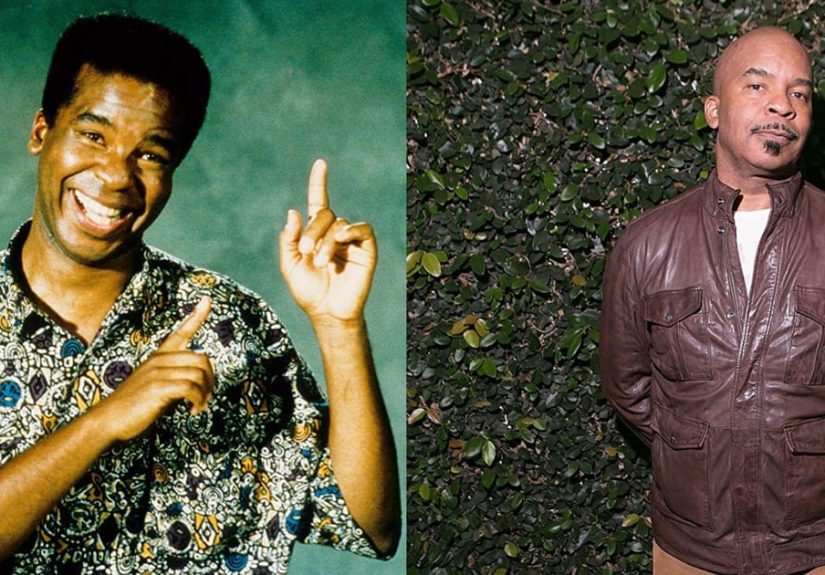
David Alan Grier: The Scene-Stealer Who Never Stopped Working
David Alan Grier was a pillar of In Living Color: the kind of performer who could elevate a sketch simply by walking into frame. His career since has been defined by consistency and versatilityTV, film, stage, guest roles, voice work, and more.
More recently, he’s continued showing up in television comedy, proving that “cast member from a legendary sketch show” isn’t a nostalgia labelit’s a résumé line that still pays off because the talent is real.
Tommy Davidson: Stand-Up Power and a New TV Chapter
Tommy Davidson’s comedy has always carried a live-wire qualityfast, fearless, and ready to zig when everyone else zags. After In Living Color, he kept working steadily, especially in stand-up and television appearances.
In the mid-2020s, he also picked up fresh momentum with new projects, including a spinoff announcement that put him front and center again. It’s a reminder that comedy careers don’t have to follow one straight line. Sometimes the next big chapter shows up after decadesright on time.
Kim Coles: Beloved Sitcom Star and Still a Fan Favorite
Kim Coles was part of the In Living Color universe early on, and many fans also know her from her later sitcom success. In recent years, she’s stayed connected to audiences through appearances, hosting, and projects that tap into the warm, funny energy people have always associated with her.
Her career “now” is the kind that looks like longevity: a performer with a recognizable voice, a loyal fanbase, and the ability to pivot into different platforms as entertainment keeps evolving.
T’Keyah Crystal Keymáh: A Foundational Cast Member with a Wide TV Legacy
T’Keyah Crystal Keymáh was one of the original anchors of In Living Color, and her work after the show includes memorable roles across television, including family-friendly sitcom worlds that introduced her to entirely different generations of viewers.
That’s the kind of career that often gets underrated: not one flashy moment, but decades of “oh wow, she’s in this tooand she’s great.”
Kelly Coffield Park: A Comedic Voice That Shows Up in Unexpected Places
Kelly Coffield Park helped define the original feel of the showcommitted performances, sharp timing, and a willingness to go fully into the weirdness. Post-In Living Color, she’s appeared across film and television in roles that reward audiences who love spotting great comedians in the wild.
Her “now” looks like what a lot of strong comedy careers look like: steady work, a respected name, and a résumé full of projects that make you go, “Waitshe was in THAT?” Yes. Yes she was.
The Fly Girls and the “Wait, That’s Her?!” Effect
The Fly Girls weren’t just background dancersthey were part of the show’s identity. The choreography, styling, and energy helped turn transitions into a signature. And because pop culture loves a glow-up story, In Living Color gave us one of the biggest: Jennifer Lopez.
Jennifer Lopez: From Fly Girl to Global Icon
Jennifer Lopez’s early days as a Fly Girl are now pop-culture trivia that feels almost unreal, because her later fame got so enormous. But it’s also a perfect origin story: stage presence, work ethic, and a camera that clearly knew she belonged in front of it. From there came music superstardom, major film roles, fashion influence, and a career that keeps reinventing itself.
When people say “looks like now” for J.Lo, what they often mean is: still headlining, still being discussed, still setting the pace. Her Fly Girl era isn’t a footnoteit’s the prologue.
Carrie Ann Inaba: From Fly Girl to TV Judge Royalty
Carrie Ann Inaba also came out of the Fly Girls pipeline and later became widely known as a long-running judge on Dancing with the Stars. Her career is a reminder that being a dancer on a major show isn’t a “before” pictureit can be the foundation for decades in entertainment, especially when you bring credibility, warmth, and a real love for the craft.
Rosie Perez: The Choreography Power Behind the Vibe
Rosie Perez helped shape the Fly Girls era as choreographer, and her broader career in entertainment has included acclaimed acting work and cultural influence beyond dance. The Fly Girls didn’t happen by accident; that style and swagger were designed. Rosie was a big part of that design language.
Why a Reboot Is Complicated (And Why That’s Not a Bad Thing)
Whenever a show becomes legendary, the reboot question shows up like clockwork. But In Living Color is tricky to reboot because its secret sauce wasn’t just the formatit was the moment. The show was responding to what TV wouldn’t do at the time, and it thrived on pushing boundaries. Recreating that exact spark in a different era, with different censorship rules, different audiences, and different comedy ecosystems, is hard.
That doesn’t mean the spirit is gone. A lot of the castespecially the Wayans familyhave continued developing new projects and talking about future collaborations. The “reboot” might not be the point. The point might be continuing the tradition: giving talented people room to be loud, weird, brilliant, and honest on screen.
What Fans Notice When They Look at the Cast “Now”
Here’s the funniest thing about revisiting In Living Color in the 2020s: the cast doesn’t just “look older.” They look validated. A lot of the ideas the show fought to put on TVdiverse comedy perspectives, sharper satire, bigger character swingsare now part of the mainstream comedy toolbox.
- You notice the pipeline: sketch show → breakout characters → movies/TV roles → producer/director power.
- You notice the stamina: many cast members stayed active for decades, not just for a “moment.”
- You notice the influence: even modern comedy that feels totally different still borrows the show’s fearlessness.
of “Experience”: What It Feels Like to Revisit In Living Color Today
If you discovered In Living Color through clips, you probably had the same reaction most people do: “They did THAT on network TV?” Because the show hits you with a kind of confidence that feels rarelike everyone involved understood they were making something that didn’t have to ask permission.
Watching it now can feel like time travel with better jokes. The fashion and music cues instantly plant you in the early ’90s, but the big themes still land: who gets to be on TV, who gets to be the punchline, and who gets to tell the story. The sketches can be silly, sharp, absurd, and sometimes wildly committed in a way that makes today’s more “wink at the camera” comedy feel almost shy. When performers go big on In Living Color, they don’t do it halfwaythey go like they’re trying to win a gold medal in character acting.
There’s also a specific kind of joy that comes from recognizing people before they were household names. Seeing Jim Carrey before he became a movie-poster face is like spotting a lightning bolt in a jar. Jamie Foxx shows up and you can practically feel future award-show speeches hovering around him. The Wayans family feels like a creative engine that just keeps producing jokes the way a bakery keeps producing warm bread: consistently, confidently, and with the energy of people who know their work is going to be devoured.
And then there’s the Fly Girls effectthose dance breaks that make the show feel alive between sketches. It’s one thing to know Jennifer Lopez became Jennifer Lopez. It’s another thing to see her in that early environment, moving like a performer who already knows the camera is her friend. It makes you appreciate how many careers start with a “small” job that’s actually a massive audition in disguise.
Rewatching can also feel like a crash course in comedy bravery. Some sketches are pure fun, some are pointed, and some are a reminder that every era has its blind spots. But the overall experience is unmistakable: the show was trying things. It wasn’t polishing itself into being harmless. It was chasing impactsometimes through satire, sometimes through chaos, sometimes through a character so memorable you can’t believe the network let it happen.
That’s why “what they look like now” isn’t only about current photos or current gigs. It’s the feeling that these performers helped change the shape of TV comedyand then went on to build careers that proved the show wasn’t a fluke. The best part of revisiting In Living Color is realizing that its cast didn’t just survive the moment. They expanded it.
Conclusion
In Living Color didn’t just create iconic sketchesit introduced a lineup of performers who kept shaping entertainment for decades. Today, the cast “looks like” award winners, franchise stars, TV leads, creators, directors, and comedy lifers. And the show itself? It looks like a blueprint: bold voices, big swings, and a willingness to make network TV feel less like a rulebook and more like a stage.