Table of Contents >> Show >> Hide
- Before You Start: Is Home Care Safe for You?
- What Exactly Is an Ingrown Toenail (and Why Does It Hurt So Much)?
- The 3 Ways to Heal an Ingrown Toenail
- Mistakes That Make Ingrown Toenails Worse (Avoid These Toe Traps)
- How Long Does It Take to Heal?
- Prevention: Keep Your Nails From Re-Starting the Drama
- Quick FAQ
- Real-World Experiences and Tips (The Part Everyone Learns the Hard Way)
- Conclusion
An ingrown toenail is one of life’s tiniest villains: a sliver of nail with the confidence of a wrecking ball.
One day you’re minding your business, the next you’re limping like you just lost a duel at high noon… to your own big toe.
The good news: most mild ingrown toenails can improve with smart, gentle care at home.
The important news: some need professional treatment quickly to prevent infection and bigger problems.
This guide breaks down 3 practical ways to heal an ingrown toenail, what to avoid (spoiler: “digging it out” is not a hobby),
and how to keep it from coming back.
It’s written in standard American English, based on real clinical guidance, and delivered with the respect your toe deserves.
Before You Start: Is Home Care Safe for You?
Home care is usually reasonable for a mild ingrown toenail (tenderness, slight redness, no pus).
Skip DIY and contact a clinician promptly if any of these apply:
- Pus, bad odor, spreading redness, warmth, or worsening swelling
- Fever or red streaks
- Severe pain, trouble walking, or the toe looks rapidly worse
- You have diabetes, poor circulation, nerve problems, or a weakened immune system
- The ingrown toenail keeps returning (recurrence often needs a more definitive fix)
If you’re unsure, it’s always okay to get it checkedespecially if infection might be involved.
What Exactly Is an Ingrown Toenail (and Why Does It Hurt So Much)?
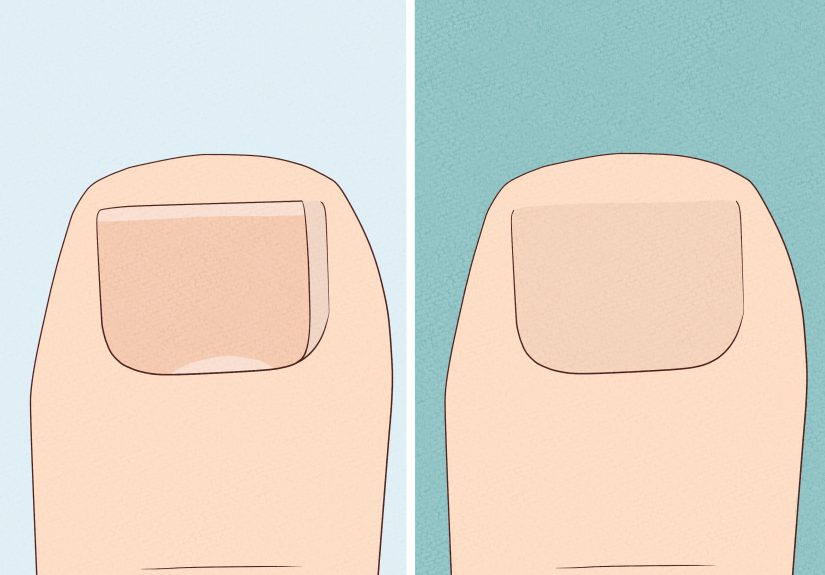
An ingrown toenail happens when the corner or side of your nail grows into (or presses hard against) the surrounding skin.
Your skin reacts like it’s been personally insulted: inflammation, swelling, tenderness, and sometimes an infection if the skin breaks.
The big toe is the usual suspect, but any toe can join the drama.
Common causes and risk factors
- Trimming nails too short or rounding the edges so the nail “encourages” itself into the skin
- Tight shoes or narrow toe boxes that squeeze the toes together
- Toe injuries (stubbing, sports, repeated pressure)
- Nail shape (some nails naturally curve more)
- Pedicure habits that involve aggressive corner cutting
- Sweaty feet and friction (hello, socks-and-sneakers season)
The 3 Ways to Heal an Ingrown Toenail
Think of these as three “lanes.” Mild cases often improve with lanes 1 and 2.
If you see infection or the problem keeps coming back, lane 3 is your best move.
Way #1: Soften, Soothe, and Calm the Skin (Warm Soaks + Smart Aftercare)
When a nail edge is irritating the skin, the immediate goals are to reduce swelling, soften the nail/skin,
and keep the area clean so it can heal. Warm soaks are the classic first step because they’re simple and surprisingly effective.
How to do it (simple, not fancy)
-
Soak your foot in warm water (or warm, soapy water) for 10–20 minutes.
Many clinical references suggest doing this several times a day (often 3–4 times if you can manage it). - Dry the toe well afterward. Moisture that lingers can make it easier for skin to break down or get irritated.
-
Protect the area: apply a thin layer of petrolatum (like petroleum jelly) or an over-the-counter antibiotic ointment,
then cover with a light bandage. (Not a toe mummyjust enough to reduce rubbing.) - Reduce pressure with open-toed shoes or roomy footwear while it’s healing.
What about Epsom salt?
Many clinicians mention warm water with mild soap, and some include Epsom salt as an option for comfort.
The “magic” is mostly the warm soak itself: swelling decreases, the skin softens, and the nail edge becomes easier to manage gently.
Pain control (because you have places to be)
Over-the-counter pain relievers (like acetaminophen or ibuprofen) can help if you can take them safely.
If pain is intense or getting worse despite basic care, that’s a sign to contact a clinician.
Goal check: After 2–3 days of consistent soaking + pressure reduction, a mild ingrown toenail should feel less angry.
If it’s not improvingor it’s getting worsemove to Way #3.
Way #2: Lift the Nail Edge (Gently) and Protect It While It Grows Out
If the ingrown toenail is mild and there’s no sign of serious infection, the next step is often to help the nail edge
stop digging into the skin. The key word is gently. You’re guiding a nail, not wrestling a bear.
Option A: The tiny cotton or dental floss “lift”
Some medical guidance describes placing a small piece of clean cotton or waxed dental floss under the nail corner
after a soak to help the nail grow above the skin edge.
If you try this, keep it clean and stop immediately if it causes sharp pain, bleeding, or you suspect infection.
- Soak first (Way #1) to soften the area.
- Wash hands and use clean materials.
-
Place a tiny piece of clean cotton or waxed floss under the nail edgeonly as far as it comfortably goes.
No forcing, no “digging,” no sharp tools. - Replace daily after soaking to keep it clean.
Option B: Taping to pull the skin away from the nail
Another clinician-described approach is using tape to gently pull the swollen nail fold away from the nail.
This can reduce pressure and let the nail grow out without constantly poking the skin.
- Start after a warm soak when the skin is softer.
- Place a strip of medical tape on the side of the toe near the irritated skin.
- Gently pull the skin away from the nail edge and anchor the tape on the top of the toe.
- Reapply as needed, keeping the toe clean and dry between soaks.
Protective padding (your toe’s personal bodyguard)
While the nail grows out, consider cushioning the toe with a small piece of gauze, a silicone toe cap, or a bandage that reduces rubbing.
The goal is to prevent repeated frictionespecially if you’re walking a lot or wearing closed shoes.
Two important “don’ts”
- Don’t dig it out. Dermatology guidance specifically warns against “digging out” ingrown toenails, especially if sore or infected.
- Don’t perform bathroom surgery. Cutting deep into the nail or skin at home can worsen the problem and raise infection risk.
Way #3: Get the “Definitive Fix” From a Pro (Especially for Infection or Repeat Offenders)
If you have signs of infection, severe pain, trouble walking, or the ingrown toenail keeps returning,
professional care is the fastest route to real relief.
A clinician (often a primary care provider, dermatologist, or podiatrist) can confirm what’s happening and treat it safely.
What a clinician may do
-
Remove a small portion of the nail edge (often called partial nail avulsion) to stop the nail from digging in.
Local anesthetic is used so you’re not white-knuckling the exam table. -
Address the nail “root” for repeat cases (a procedure sometimes called a matrixectomy),
which helps prevent the problem edge from growing back into the skin. -
Treat infection if present. Not every ingrown toenail needs antibiotics,
but if there’s clear infection or surrounding cellulitis, a clinician may prescribe them and advise specific wound care.
What recovery often looks like
After an in-office procedure, you’ll usually be given aftercare instructions like soaking, keeping the toe clean,
applying ointment, and wearing roomy footwear while it heals.
Most people feel noticeably better once the nail edge is no longer poking the skinbecause the “tiny villain” has been evicted.
Mistakes That Make Ingrown Toenails Worse (Avoid These Toe Traps)
- Rounding the corners to match your toe shape (it encourages the nail to curve inward)
- Cutting nails too short (the skin can fold over the nail edge as it regrows)
- Using sharp tools to “dig” under the nail (hello, infection risk)
- Wearing tight shoes while healing (pressure keeps the inflammation going)
- Ignoring early symptoms until it becomes a pus-producing crisis
How Long Does It Take to Heal?
Mild cases may start feeling better within a few days of consistent care (soaks + pressure reduction).
Full healing depends on how far the nail needs to grow out and whether there’s ongoing irritation.
If you’re not seeing improvement after a few daysor symptoms escalateprofessional evaluation is the smart next step.
Prevention: Keep Your Nails From Re-Starting the Drama
Trim like a pro
- Cut straight across (not curved) and keep nails a moderate lengtharound the tip of the toe, not far below it.
- Don’t dig into corners. If edges are sharp, gently smooth with a nail file instead of carving.
- Use proper clippers (toenails are thicker than fingernailstreat them accordingly).
Choose toe-friendly footwear
- Look for a roomy toe box. Your toes should not feel “packed.”
- If sports cleats trigger toe pressure, break them in gradually and consider a wider fit if available.
- Alternate shoes when you can to reduce repeated pressure in the same spots.
Watch out for high-risk situations
- If you have diabetes or circulation issues, don’t self-treat nail problemssee a clinician early.
- If you get pedicures, request straight-across trimming and no aggressive corner digging.
Quick FAQ
Should I cut the nail corner out myself?
Generally, no. Cutting deep into the corner or trying to remove the embedded piece can worsen swelling and raise infection risk.
If you’re tempted to do “bathroom surgery,” that’s your cue to call a professional.
Can I work out with an ingrown toenail?
If it’s mild, low-impact activity may be fineif you can keep pressure off the toe with roomy shoes and it doesn’t worsen pain.
If pain spikes with activity, take a break and focus on healing. Sports that jam the toe (running, soccer, basketball) can aggravate it.
What are the clearest signs of infection?
Increasing redness, swelling, warmth, worsening pain, pus or drainage, bad odor, red streaking, or fever are classic warning signs.
If you see these, contact a clinician promptly.
Real-World Experiences and Tips (The Part Everyone Learns the Hard Way)
Let’s talk about what ingrown toenails look like in everyday lifebecause the internet loves to pretend we all live in a lab
with perfect lighting and unlimited time for foot soaks. In reality, most people are trying to handle this between school,
work, practice, and the urgent need to wear actual shoes in public.
Experience #1: The “New Shoes, New Me” Disaster
A super common storyline: someone buys new sneakers (or dress shoes) that feel “snug but fine,”
then spends a week power-walking through life. The toe box pressure pushes the nail into the skin,
and suddenly every step is a tiny betrayal. The fix that tends to help fastest is almost boring:
switch to roomy shoes (or open-toed sandals when appropriate), soak daily, and protect the toe from rubbing.
People often underestimate how much faster healing happens when friction stops.
If you keep wearing the same tight shoes, you’re basically asking your toe to heal while being repeatedly elbowed in the ribs.
Experience #2: The “I’ll Just Trim It Real Quick” Spiral
Many ingrown toenails start with good intentions and bad angles. Someone rounds the nail corners because it looks tidy.
Or they cut the nail very short because they’re trying to “prevent problems.”
Then the nail grows forward and the skin at the side rises uplike a little speed bumpso the nail edge
collides with it on the way out. This is why “cut straight across” is repeated so often in medical guidance.
In real life, people who switch to straight-across trimming and stop digging into corners often notice fewer recurrences
over the next few nail growth cycles. The trick is to file sharp edges instead of sculpting corners.
Your toenail is not a bonsai tree.
Experience #3: The Athlete’s Toe (Cleats, Courts, and Constant Pressure)
If you play sports, your feet experience repeated pressureespecially in cleats or tight athletic shoes.
A frequent pattern is: toe starts tender, athlete ignores it, then practice makes it worse, and by the time anyone looks,
the skin is swollen and angry. In these cases, the “3 Ways” approach becomes a decision tree:
Way #1 is the daily baseline (soaks + reduce swelling),
Way #2 may help if it’s mild and you can keep it clean,
but if there’s drainage or the pain is escalating, Way #3 is often the quickest return-to-normal.
A lot of athletes are relieved to learn that professional treatment can be straightforward and doesn’t always mean weeks on the couch
but ignoring infection can mean longer downtime. The toe always collects its debt.
Experience #4: The Pedicure “Corner Cleanup” That Backfires
Pedicures can be relaxinguntil the nail corners get cut aggressively and the skin is left irritated.
People often assume the nail looks “cleaner” when corners are trimmed deeper.
But if your nail naturally curves, corner cutting can set you up for the nail edge to grow into tender skin later.
A real-world prevention move: ask for straight-across trimming and minimal corner digging.
If you’re prone to ingrown toenails, it’s okay to be politely firm. You’re paying for care, not a toe plot twist.
Experience #5: The “Is This Infected or Just Mad?” Confusion
Here’s a practical rule people find helpful: mild inflammation often improves with consistent home care in a few days.
Infection tends to worsenmore redness, more swelling, more pain, plus drainage, odor, warmth, or fever.
If you’re staring at your toe every hour like it’s a stock chart, that’s a sign you might need a clinician’s eyes on it.
The goal isn’t to be tough. The goal is to keep a small problem small.
Bottom line from real-life patterns: most people get the best results when they (1) stop the pressure, (2) soak consistently,
(3) keep the toe clean and protected, and (4) seek care early if signs of infection show up or the issue keeps recurring.
Your future selfwalking normally, wearing shoes without wincingwill be very grateful.
Conclusion
Healing an ingrown toenail usually comes down to three smart moves: calm the inflammation with warm soaks,
reduce pressure and gently guide the nail edge as it grows out, and get professional help
when there are signs of infection, severe pain, or repeated recurrences.
Treat your toe like it’s trying its best (even when it’s being dramatic), and you’ll usually get back to normal faster
without turning your bathroom into a questionable nail-surgery suite.