Table of Contents >> Show >> Hide
- Why This Bacon, Potato, and Kale Frittata Works
- Ingredients You’ll Need
- Equipment and Prep Notes
- Bacon, Potato, and Kale Frittata Recipe
- Pro Tips for a Better Frittata
- Easy Variations and Substitutions
- Serving Ideas That Feel Like Brunch (Even on a Tuesday)
- Storage, Reheating, and Make-Ahead Tips
- Troubleshooting: When Life (or Your Oven) Gets Weird
- Conclusion
- Kitchen Notes and Real-Life Frittata Experiences (The Extra Bit)
If breakfast had a “sweatpants but still looks cute” outfit, it would be a frittata. It’s relaxed, forgiving,
and somehow always feels a little fancylike you own matching plates on purpose.
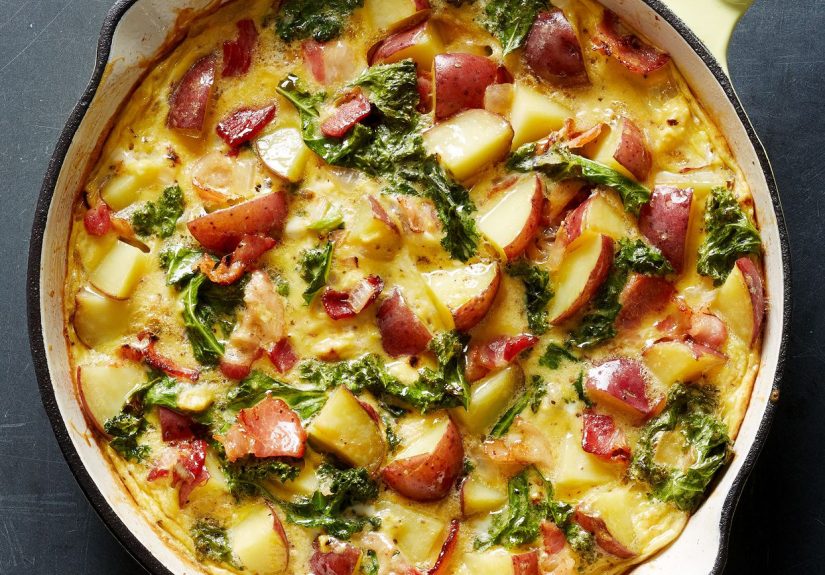
This bacon, potato, and kale frittata is the kind of skillet magic that turns simple ingredients into a
brunch-worthy meal: smoky bacon, golden potatoes, and tender kale tucked into fluffy eggs with crisp edges.
It’s hearty without being heavy, and it’s equally happy on a lazy Sunday or cut into squares for weekday
meal prep.
Why This Bacon, Potato, and Kale Frittata Works
A great frittata is all about balance: you want enough filling to make each slice interesting, but not so much
that the eggs can’t hold everything together. This trio nails it.
- Bacon brings smoky, salty depth (and that “who’s cooking something amazing?” aroma).
- Potatoes add body and a satisfying bitelike built-in toast, but inside the eggs.
- Kale adds color, a slightly earthy flavor, and keeps the whole thing from feeling one-note.
The secret sauce here isn’t actually sauce. It’s timing: cook the potatoes until they’re mostly tender,
wilt the kale so it behaves, then let the eggs set gently so you end up with a tender center instead of “rubbery
omelet cake.” (Yes, that’s a thing. No, we don’t want it.)
Ingredients You’ll Need
Core Ingredients
- Thick-cut bacon (6–8 slices): more flavor, better texture, fewer sad bacon shards.
- Potatoes (about 12 oz): Yukon Gold for creamy texture, or russet for crispier edges.
- Kale (3–4 packed cups chopped): curly or lacinato both work.
- Eggs (8 large): the structural engineers of the operation.
Flavor Builders
- Onion (1 small) or shallot (2): sweetness and depth.
- Garlic (2 cloves): optional, but highly encouraged.
- Milk or half-and-half (1/3 cup): for a more tender, custardy bite.
- Cheese (1/2–3/4 cup): cheddar, Gruyère, feta, or goat cheese are all excellent.
- Salt, pepper, and red pepper flakes: the small things that make a big difference.
Optional “Make It Yours” Add-Ons
- Fresh herbs (chives, parsley, dill)
- A spoonful of Dijon mustard whisked into the eggs
- Hot sauce on top (or, let’s be honest, on everything)
Equipment and Prep Notes
An oven-safe skillet is idealcast iron is a classic, but any sturdy ovenproof pan works. A 10-inch skillet
makes a nice thickness with 8 eggs. If your pan is larger, your frittata will be thinner and cook faster.
Before you start: preheat the oven to 400°F. This temperature helps the center set without
drying out the edges. Keep an eye on the broiler step at the end if you use itbroilers are powerful and have
absolutely no chill.
Bacon, Potato, and Kale Frittata Recipe
Serves: 6 | Prep: 15 minutes | Cook: 25–30 minutes
Ingredients
- 6–8 slices thick-cut bacon, chopped
- 12 oz potatoes (about 2 medium), diced into 1/2-inch cubes
- 1 small onion, diced
- 2 cloves garlic, minced (optional)
- 3–4 cups chopped kale (tough stems removed)
- 8 large eggs
- 1/3 cup milk or half-and-half
- 1/2–3/4 cup shredded cheese (cheddar, Gruyère) or crumbled feta/goat cheese
- 1/2 tsp kosher salt (adjust if your bacon is very salty)
- 1/2 tsp black pepper
- Pinch red pepper flakes (optional)
- 1–2 tsp olive oil (only if needed)
Instructions
-
Crisp the bacon.
In a 10-inch oven-safe skillet over medium heat, cook the chopped bacon until crisp and the fat is rendered,
6–8 minutes. Use a slotted spoon to transfer bacon to a paper towel-lined plate. Leave about 1–2 tablespoons
of bacon fat in the skillet (discard extra if there’s a lot). -
Cook the potatoes until mostly tender.
Add diced potatoes to the skillet and cook, stirring occasionally, until golden and mostly tender,
10–12 minutes. If the skillet looks dry, add a teaspoon of olive oil. (If your potato cubes are stubborn,
cover the pan for 2–3 minutes to steam them a bit, then uncover to re-crisp.) -
Add onion, then kale.
Stir in onion and cook until softened, about 3–4 minutes. Add garlic (if using) and cook 30 seconds.
Add kale and cook until wilted and tender, 2–4 minutes. If the kale is dry or squeaky, add a splash of water
and scrape up any browned bits. -
Whisk the eggs.
In a bowl, whisk eggs with milk (or half-and-half), salt, pepper, and red pepper flakes. Stir in about
two-thirds of the cheese and half the cooked bacon. -
Combine and start setting on the stove.
Spread the potato-kale mixture evenly in the skillet. Pour in the egg mixture. Reduce heat to medium-low and
cook until the edges set and the center is still a little jiggly, about 3–5 minutes. Use a spatula to gently
lift the edges so uncooked egg can flow underneath. -
Bake until just set.
Transfer skillet to the oven at 400°F. Bake 8–12 minutes, until the center is mostly set
(a tiny wobble is fineit keeps it tender). Sprinkle remaining cheese and bacon on top during the last few
minutes, or right after baking. -
Optional: Broil for a golden top.
If you want a browned, bubbly top, broil for 30–90 seconds, watching constantly. Pull it the moment it looks
irresistible. -
Rest, slice, serve.
Let the frittata rest 5–10 minutes. Run a spatula around the edge, slice like a pie, and serve warm or at
room temperature.
Food-safety note: If you like precision, use a thermometer and aim for an internal temperature
of 160°F for egg dishes.
Pro Tips for a Better Frittata
1) Don’t rush the potatoes
Potatoes need a head start. If they’re still firm when the eggs go in, they’ll stay firmfrittatas aren’t
long-bake casseroles. Cook them until they’re mostly tender and nicely browned.
2) Kale needs a quick “tame the texture” moment
Kale can be chewy if it’s barely warmed. Wilt it until it turns a deeper green and softens. If your kale is
especially hearty, cook it an extra minute or two with a splash of water.
3) Gentle heat = tender eggs
High heat makes eggs tough. Let the stove do a slow set, then finish in the oven. You’re looking for
“custardy and sliceable,” not “bouncy.”
4) Avoid sticking drama
Use a nonstick pan or a well-seasoned cast-iron skillet, and make sure there’s enough fat left in the pan after
cooking the bacon. Sticking is the #1 way a gorgeous frittata turns into “rustic breakfast scramble.” (Still
delicious. Just… less photogenic.)
Easy Variations and Substitutions
Make it vegetarian
Skip bacon and sauté onion and potatoes in olive oil or butter. Add smoked paprika for a hint of that smoky vibe.
You can also add mushrooms for extra savory depth.
Swap the greens
Spinach cooks faster (and releases more water), while Swiss chard is similar to kale but slightly milder. If you
use spinach, sauté it briefly and squeeze out excess moisture if needed.
Change the cheese
- Cheddar: classic, bold, and melty.
- Gruyère: nutty and a little fancy without trying too hard.
- Feta: salty pops that pair beautifully with kale.
- Goat cheese: tangy, creamy, and brunch-energy.
Turn it into a meal-prep MVP
Bake, cool, slice, and store. Add fruit and toast for breakfast, or pair with a salad for lunch. It’s basically
edible scheduling.
Serving Ideas That Feel Like Brunch (Even on a Tuesday)
- Top with salsa verde or a spoonful of sour cream
- Serve with a bright side salad (arugula + lemon + olive oil)
- Add toast, English muffins, or roasted tomatoes
- Bring hot sauce to the table and watch everyone become their best self
Frittatas are great warm, but they’re also excellent at room temperaturewhich makes them a superstar for
potlucks, picnics, and anyone who doesn’t feel like microwaving eggs (valid).
Storage, Reheating, and Make-Ahead Tips
Let leftovers cool, then refrigerate in an airtight container. For the best texture, reheat gently:
- Microwave: 30–60 seconds, lower power if your microwave is aggressive.
- Oven/toaster oven: 325°F for about 8–12 minutes.
If you’re making this ahead for guests, you can cook the bacon and potatoes earlier, then assemble and bake
shortly before serving. That way, you get the “freshly made” vibe without spending your entire morning
babysitting a skillet.
Troubleshooting: When Life (or Your Oven) Gets Weird
My frittata is watery
This usually happens when vegetables release moisture. Make sure kale is wilted and any extra liquid in the pan
has cooked off before adding eggs. If you add mushrooms, tomatoes, or spinach, sauté longer to evaporate water.
It’s dry
Eggs keep cooking after you pull the pan from the oven. Bake until just set (a slight wobble is good), then rest.
Next time, reduce bake time by a couple minutes.
It stuck to the pan
Two fixes: use a better-seasoned pan (or nonstick), and make sure you’ve got enough fat in the skillet before the
eggs go in. A quick run around the edge with a spatula while it rests can also help release slices cleanly.
Conclusion
This bacon, potato, and kale frittata is proof that you don’t need complicated steps to make a breakfast that
feels special. Cook the filling well, treat the eggs gently, and you’ll get a skillet full of savory comfort
with crisp edges and a tender centerperfect for brunch, meal prep, or that moment when dinner accidentally
turns into breakfast (a life choice worth celebrating).
Kitchen Notes and Real-Life Frittata Experiences (The Extra Bit)
There’s a reason frittatas show up in so many “easy brunch” conversations: they solve real-life problems in a
surprisingly delicious way. One of the most common scenarios goes something like this: you open the fridge,
spot a bag of kale that’s still optimistic, a couple potatoes that have been quietly auditioning for a new life,
and baconbecause bacon has never once been subtle about its presence. A frittata is what happens when you decide
to turn those ingredients into something that looks intentional.
Home cooks often say the first “aha” moment with frittatas is realizing you can cook it for guests without being
stuck at the stove flipping pancakes like a short-order chef. With a frittata, you do the fun partsautéing bacon
and potatoes so your kitchen smells like a brunch caféthen the oven finishes the job while you set out plates,
slice fruit, or do that last-minute clean that convinces everyone you live like this all the time.
Another experience that comes up a lot: the meal-prep revelation. Frittata slices are oddly civilized. They stack.
They travel. They reheat. They can be eaten with a fork like a proper adult or grabbed in a hurry while you’re
halfway out the door. If you’ve ever tried to meal prep scrambled eggs and ended up with something that feels like
a science experiment by day three, a baked frittata is the calmer, more reliable option.
Then there’s the “customization spiral,” where you make the recipe once and immediately start imagining upgrades.
A sprinkle of feta the next time. A handful of herbs because you bought them for one recipe and now they’re
staring at you. A spoonful of salsa on top because you suddenly remember salsa exists and why didn’t anyone tell
you it makes eggs happier? The bacon, potato, and kale combination is a strong base, but it also plays well with
side charactersroasted red peppers, caramelized onions, even leftover roasted vegetables from last night’s dinner.
People also tend to develop strong opinions about texture after a few tries. Some prefer a puffier frittata that
feels almost quiche-like; others love a denser, custardy center. The “experience lesson” here is that the oven
timing matters more than you think. Pulling the pan a minute early (when there’s still a slight jiggle in the
center) often produces the most tender slices after resting. And yesresting feels optional in the moment,
especially when you’re hungry. But that 5–10 minute pause is when the eggs finish setting and the slices stop
trying to fall apart like an overexcited group project.
Finally, there’s the confidence boost: once you’ve made a frittata that comes out golden and sliceable, you start
treating your skillet like it’s a superpower. A frittata doesn’t demand perfection. It rewards attention, sure
especially with potatoesbut it’s forgiving enough that you can learn your preferences fast. And if a slice breaks
when you lift it out? Congratulations, you just discovered the chef’s portion. Enjoy it immediately for quality
assurance purposes. Very scientific.