Table of Contents >> Show >> Hide
- Why this shrimp and sausage boil works
- Ingredients
- Equipment you’ll want
- Seasoning: getting the boil broth right
- Step-by-step shrimp and sausage boil recipe
- Timing cheat sheet
- Make the lemon-garlic butter sauce
- Variations to match your mood (or your pantry)
- Troubleshooting: common shrimp boil problems
- Serving ideas (and how to look like a host with a plan)
- Leftovers and food safety
- FAQ
- Conclusion
- Bonus: Boil tales (500-ish words of real-life shrimp-and-sausage-boil experience)
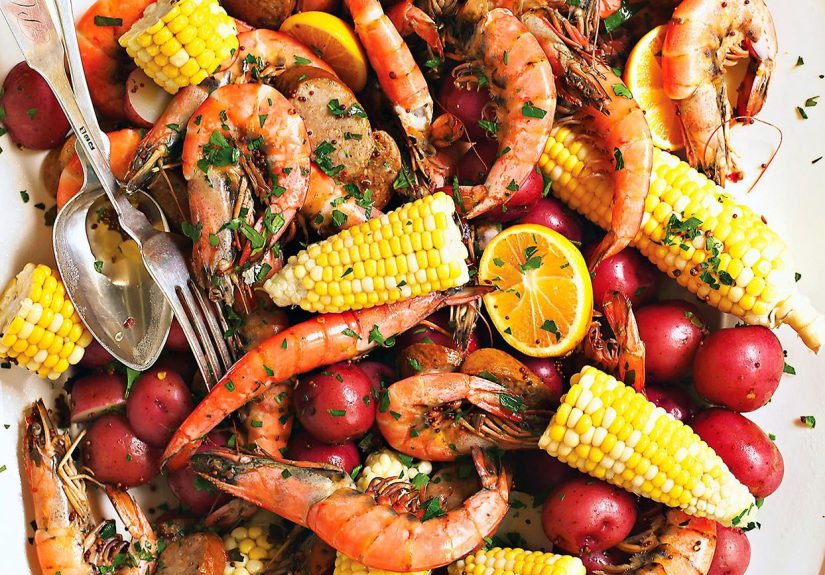
Some meals are polite. They arrive neatly plated, sit quietly under mood lighting, and whisper, “I’m an appetizer.” A shrimp and sausage boil is not that meal. This is the kind of dinner that shows up in flip-flops, brings its own paper towels, and turns your table into a celebration. It’s a one-pot party: tender potatoes, sweet corn, smoky sausage, and shrimp that cooks in minutesthen everything gets drenched in lemony, garlicky butter like it just won the Super Bowl.
Below is a classic shrimp and sausage boil recipe (a.k.a. a seafood boil or Low Country boil) with smart timing, real-world tips, and a few optional upgrades that make it taste like you’ve been doing this forevereven if you just learned what “andouille” means yesterday.
Why this shrimp and sausage boil works
- Staged cooking means nothing is mushy, and the shrimp stays juicy (shrimp is basically allergic to overcooking).
- Seasoned broth + short steep gives big flavor without needing a dozen separate sauces.
- Built for a crowd: easy to double, fun to serve, and cleanup can be as simple as rolling up the paper.
Ingredients
This makes about 6 generous servings (or 4 if your friends “just want a taste” and then mysteriously don’t stop tasting).
For the boil
- 2 pounds large shrimp (shell-on is ideal), deveined
- 1 to 1 1/2 pounds smoked sausage (andouille for Cajun vibes, kielbasa for milder smoke), sliced into 1-inch rounds
- 1 1/2 to 2 pounds baby red or Yukon gold potatoes, halved if large
- 4 ears corn, shucked and cut into thirds
- 1 large yellow onion, cut into wedges
- 2 lemons, halved (plus an extra lemon for serving if you’re feeling fancy)
- 6 cloves garlic, smashed
- 3 to 4 tablespoons seafood boil seasoning (Old Bay style) or a crab/shrimp boil blend
- 2 bay leaves
- Kosher salt (start with 2 tablespoons, adjust to taste)
- 1 (12-ounce) beer (optional, but highly recommendeduse a light lager or pale ale)
- Water (enough to cover the potatoes and corn comfortablyusually 3 to 4 quarts in a 10–12 quart pot)
- Optional add-ins: crab legs, mussels, clams, mushrooms, chunks of smoked turkey, or a pinch of cayenne if you like living dangerously
For the lemon-garlic butter sauce
- 8 tablespoons (1 stick) unsalted butter
- 4 cloves garlic, minced
- 1 tablespoon seafood seasoning
- 1 tablespoon lemon juice (plus zest if you want extra brightness)
- 1 to 2 teaspoons hot sauce (optional)
- Chopped parsley (optional, but makes everything look like you had a plan)
Equipment you’ll want
- Large stockpot (10–12 quarts is great for 2 pounds of shrimp; go bigger for a crowd)
- Spider strainer or large slotted spoon
- Colander for draining
- Sheet pans (helpful for keeping cooked ingredients warm)
- Lots of napkins (and maybe a roll of paper towels that can bench press)
Seasoning: getting the boil broth right
The magic of a great seafood boil is that the water isn’t “just water.” It’s brothsalty, aromatic, and boldly spicedso every potato and corn kernel tastes like it got invited to the same flavor party as the shrimp. A classic Old Bay-style blend is smoky and peppery, while some crab boil blends lean hotter and more assertive. Either works.
Pro tip: Taste the broth early (carefullyno one wants a “boil tongue”). You’re aiming for “pleasantly salty soup” rather than “the ocean personally yelled at me.”
Step-by-step shrimp and sausage boil recipe
1) Prep the shrimp (5 minutes)
Rinse and devein the shrimp (shell-on shrimp stays juicier and adds flavor). Keep it cold in the fridge until the last minute. Shrimp cooks so fast it basically needs supervision. If you’re using frozen shrimp, thaw it in the refrigerator overnight or in a sealed bag under cold running water, then pat dry.
Optional texture upgrade: A quick dry-brine of shrimp with a little salt (and a pinch of baking soda) can help it stay plump and snappy. Keep it short10 to 15 minutesthen rinse and pat dry if it tastes too salty.
2) Build the boil (10 minutes)
- Fill a large stockpot with 3 to 4 quarts water (plus beer if using). Add the onion, garlic, bay leaves, seafood seasoning, and salt.
- Squeeze in the juice from 1 lemon, then drop the spent lemon halves into the pot too (they’re still full of aromatic oils).
- Bring to a rolling boil over high heat.
3) Cook in stages (20–25 minutes)
Timing is everything here. We start with the ingredients that need the most time, then add the “fast stuff” so nothing overcooks.
- Potatoes first: Add potatoes and boil until nearly tender, 10 to 12 minutes (smaller potatoes cook faster).
- Corn next: Add corn and boil 5 minutes.
- Sausage: Add sausage and boil 3 to 4 minutes (it’s usually already cooked; you’re warming it and letting it flavor the broth).
- Shrimp last: Add shrimp and cook just until pink, firm, and curled, 2 to 3 minutes for large shrimp. Turn off the heat.
4) The secret: a short steep (3–5 minutes)
With the heat off, let everything sit in the hot broth for 3 to 5 minutes. This gives the corn and potatoes more time to soak up seasoning without hammering the shrimp into rubber bands. If you’re nervous about overcooking, use a spider strainer to lift out the shrimp immediately, then steep the rest.
5) Drain and serve like you mean it
Drain the pot well. Serve on a big platter, sheet pans, or the traditional method: spread it out on a table lined with butcher paper or newspaper (yes, it’s delightfully messy).
Timing cheat sheet
| Ingredient | When to add | Typical cook time |
|---|---|---|
| Potatoes | At the boil | 10–12 min (until nearly tender) |
| Corn | After potatoes | 5 min |
| Sausage | After corn | 3–4 min |
| Shrimp | Last | 2–3 min (until pink/firm) |
| Steep (heat off) | After shrimp | 3–5 min for flavor |
Make the lemon-garlic butter sauce
- In a small saucepan, melt butter over medium-low heat.
- Add minced garlic and cook 30 to 60 seconds until fragrant (don’t brown it unless you enjoy the flavor of regret).
- Stir in seafood seasoning, lemon juice, and hot sauce if using.
- Finish with parsley. Serve warm for drizzling and dipping.
Variations to match your mood (or your pantry)
Low Country boil style
Keep it classic: shrimp, corn, potatoes, sausage, lemons, Old Bay-style seasoning. This version is perfect when you want that coastal South Carolina/Georgia vibesimple, bold, and built for sharing.
Cajun shrimp boil
Use andouille sausage, add a pinch of cayenne or Cajun seasoning, and toss in a few halved heads of garlic. Serve with hot sauce and extra lemon. Warning: it may inspire backyard dancing.
Oven “shrimp boil” sheet-pan style
If it’s 95°F outside and you refuse to boil anything bigger than your patience, you can roast potatoes and sausage on a sheet pan, add corn, and finish with shrimp near the end. You’ll miss the broth infusion, but you’ll keep your kitchen coolerand you’ll still have butter sauce, which is doing most of the emotional labor anyway.
Instant Pot / multicooker shortcut
A pressure cooker can speed up potatoes, then you add shrimp at the end so it cooks gently in residual heat. It’s a solid option when you want the vibe without the backyard burner setup.
Troubleshooting: common shrimp boil problems
“My shrimp is rubbery.”
It cooked too long. Shrimp goes from “perfect” to “chewy keychain” fast. Add shrimp last, cook briefly, and consider pulling it out immediately before steeping the rest. An ice bath is great when you’re poaching shrimp for cold dishes; for a hot boil, quick draining and separating shrimp from the hottest broth helps prevent carryover cooking.
“Everything tastes bland.”
Two likely culprits: not enough salt or not enough seasoning in the broth. The boil liquid should taste seasoned. Also, don’t be shy with lemon and garlicthey brighten everything.
“My potatoes are still hard when the shrimp is done.”
Potatoes vary wildly. Cut them smaller, start them earlier, or simmer them a few extra minutes before adding corn. The shrimp should never have to wait on a potato’s personal growth journey.
Serving ideas (and how to look like a host with a plan)
- Bread: crusty French bread or hushpuppies for sauce-sopping duty.
- Something crunchy: coleslaw, cucumber salad, or pickles to balance the richness.
- Sauces: lemon butter (mandatory), cocktail sauce, or a quick remoulade.
- Drinks: cold beer, iced tea, or something citrusy.
Leftovers and food safety
Seafood boils are best fresh, but leftovers can still be delicious if you treat them kindly. Refrigerate leftovers within 2 hours in shallow containers so they cool quickly. Reheat gentlysteam in a covered skillet with a splash of water or butteruntil hot. For general leftovers safety, reheated foods should reach 165°F. If you’ve got leftover shrimp, don’t overheat it; warm it just enough to be safe and pleasant.
Smart leftover moves: chop sausage and potatoes into a skillet hash, toss shrimp into pasta at the last minute, or turn corn into a quick salad with mayo, lime, and chili powder.
FAQ
Do I have to peel the shrimp first?
Nope. Shell-on shrimp stays juicier and adds flavor to the broth. Guests can peel as they eat (and feel like they earned dessert).
What’s the best sausage for a shrimp boil?
Andouille brings spice and smoke; kielbasa is milder but still flavorful. Any fully cooked smoked sausage worksjust slice it thick enough to survive the party.
Can I add crab legs or clams?
Absolutely. Add crab legs with the sausage (to heat through). Add clams or mussels near the end; they’re done when shells open. Discard any that stay closed.
Conclusion
A great shrimp and sausage boil recipe is equal parts flavor, timing, and a willingness to eat with your hands like a happy raccoon. Start with a boldly seasoned broth, cook in stages, keep the shrimp’s time in the heat short, and finish with lemon-garlic butter. Whether you serve it on a platter or dump it straight onto paper for the full seafood-boil experience, this is the kind of meal that turns “dinner” into “event.”
Bonus: Boil tales (500-ish words of real-life shrimp-and-sausage-boil experience)
The first time I hosted a shrimp and sausage boil, I learned two important truths: (1) people will RSVP “maybe” and then show up hungry with two friends, and (2) shrimp has a personal vendetta against multitasking cooks. I had my pot roaring, my playlist ready, and my confidence at an all-time highright up until I realized I’d forgotten the corn. I did what any reasonable adult would do: pretended it was “a creative twist” and quietly sprinted back inside for corn like it owed me money.
Here’s what the repeat boils taught me: timing beats talent. You don’t need a secret family recipe carved into a butter dish. You need a plan for what goes in the pot when. Potatoes are the slow, reliable friend. Corn is the friendly extrovert who shows up halfway through. Sausage is the guy who’s already dressed and just needs to warm up. Shrimp is the diva who arrives last and leaves firstbecause if you keep it waiting, it will absolutely fall apart on you.
Another lesson: the best shrimp boils happen when you embrace the chaos. Lining the table with paper feels theatrical the first time, but it’s also pure practicality. It turns serving into a momenteveryone gathers, you dump the steaming pile of goodness in the middle, and suddenly you’ve created an edible campfire. The conversation gets louder, people start comparing which piece of corn is “the best one” (spoiler: they’re all the best one), and someone always asks if there’s a “vegetarian option.” Yes. It’s called “more corn.”
Flavor-wise, my biggest upgrade was learning to steep off the heat. Early on, I boiled everything the same way you boil pasta: hard and fast until done. The vegetables were fine, but the shrimp sometimes came out a touch bouncy. Turning off the heat when the shrimp goes in, or pulling the shrimp first and letting the rest soak, makes the whole pot taste more seasoned and keeps the shrimp tender. It’s the difference between “good” and “why is everyone suddenly hovering near the platter?”
I’ve also become suspicious of anyone who skips the butter sauce. You can have a perfectly seasoned broth and still want that glossy, garlicky, lemony drizzle that ties it all together. The sauce is the handshake at the end of the deal. It’s what convinces the potatoes and sausage to stop arguing and become a team.
Finally: leftovers are real, but they’re different. A shrimp boil the next day isn’t a partyit’s a remix. I like slicing the potatoes and sausage into a crispy skillet hash, then warming the shrimp just long enough to take the chill off. Toss in leftover corn, add a squeeze of lemon, and suddenly it’s brunch. If you can turn yesterday’s backyard feast into today’s skillet victory, you’ve officially earned the title of Boil Person. Wear it proudly (and maybe keep some extra napkins in your drawer).