Table of Contents >> Show >> Hide
- Why a Dansk Teak Pepper Mill Became a Mid-Century Celebrity
- TeakWood 101: Why Teak Was the Perfect Material for Pepper Mills
- Design Details That Make Dansk Mills So Recognizable
- Under the Hood: How Pepper Mills Work (and Why Mechanisms Matter)
- How to Identify an Authentic Vintage Dansk TeakWood Pepper Mill
- Collectibility: Why People Pay Real Money for “Just a Pepper Mill”
- How to Clean and Care for a Vintage Teak Pepper Mill
- How to Use It Like You Mean It: Pepper Choices and Grind Strategy
- Buying Tips: Where to Find One and What to Ask Before You Pay
- Styling a Vintage Dansk TeakWood Pepper Mill in a Modern Kitchen
- FAQ: Quick Answers (Because Sometimes You Just Want the Pepper)
- Conclusion: A Tiny Teak Icon That Earns Its Spot on Your Table
- Experiences With a Vintage Dansk TeakWood Pepper Mill (The Extra You Didn’t Know You Needed)
There are two kinds of pepper mills in this world: the ones that live in a drawer like shy little gremlins,
and the ones that sit out on the table like they pay rent. The vintage Dansk teakwood pepper mill
is firmly in the second category. It’s a kitchen tool, surebut it’s also a tiny piece of Danish modern
sculpture that just happens to make your eggs taste better.
If you’ve ever picked one up at an estate sale and thought, “Why does this feel like a museum object that
learned to cook?”you’re not imagining things. Dansk’s pepper mills (especially the teak ones associated with
designer Jens Quistgaard) became icons because they nailed a rare combo: warm natural material,
clever engineering, and shapes that look like they wandered off a mid-century credenza and into your dinner party.
Let’s break down what makes these mills so collectible, how to spot the real deal, how to keep teak looking gorgeous,
and how to actually use the thing without grinding your patience along with your peppercorns.
Why a Dansk Teak Pepper Mill Became a Mid-Century Celebrity
Dansk is a funny name for an American companykind of like naming your dog “Professor” and then acting surprised
when guests expect it to do math. But that identity twist is part of the charm. In the 1950s, Dansk helped sell
Americans on the idea that everyday home goods could be modern, relaxed, and design-forward. Quistgaard’s work
in particular leaned into simplicity, tactility, and utilitythe holy trinity of Scandinavian style.
Dansk pepper mills fit perfectly into that story. They weren’t fussy, overly decorated objects. They were smooth,
sculptural formsoften in teakmade to be handled. They looked at home next to stoneware casseroles, teak salad
bowls, and stainless-steel flatware. In other words: they weren’t just seasoning your food; they were seasoning
your whole vibe.
What “Vintage” Usually Means Here
When people say “vintage Dansk teak pepper mill,” they’re typically talking about pieces produced during the
mid-century boom (roughly the 1960s through 1970s), though some designs continued later, and production locations
can vary. You’ll find mills made in Denmark, and later examples marked with other manufacturing locations.
The design language stays consistent: rounded profiles, balanced proportions, and a “friendly sculpture” feel.
TeakWood 101: Why Teak Was the Perfect Material for Pepper Mills
Teak has a reputation for being the overachiever of hardwoods. It’s dense, durable, and naturally resistant to
decayqualities that made it famous in boats and outdoor furniture long before it became a darling of Danish modern
kitchens. For a pepper mill, that matters: you want a wood that can tolerate handling, minor moisture exposure, and
the general chaos of daily cooking without turning into a sad, splintery relic.
Patina: The Glow-Up You Don’t Have to Force
One reason collectors love teak is how it ages. Over time, teak develops a soft sheen and richer tone (especially
when gently cleaned and occasionally conditioned). It’s the opposite of “pristine plastic perfection.”
A little wear can actually make the piece look betterlike laugh lines on a beloved actor.
Design Details That Make Dansk Mills So Recognizable
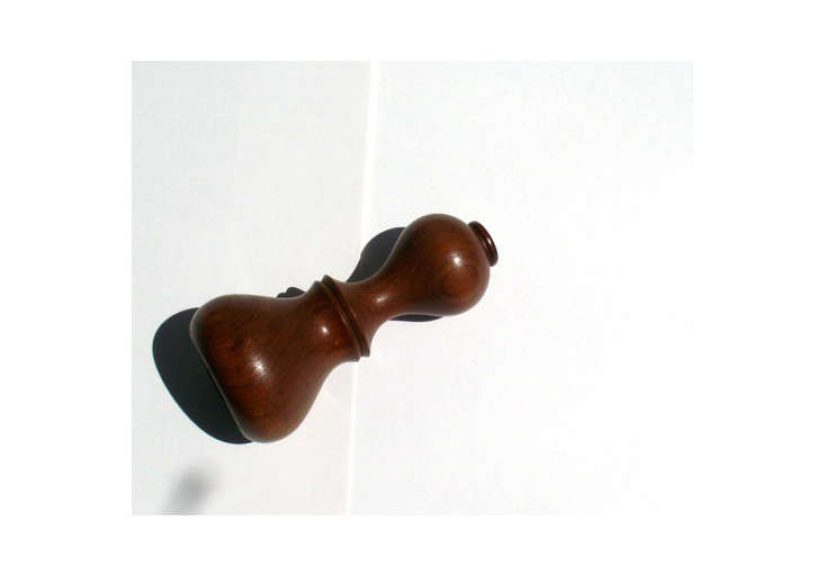
Many Quistgaard-associated Dansk mills are instantly recognizable because they look like abstract chess pieces,
smooth river stones, or minimalist totems. Some designs are nicknamed by collectors, and one well-known shape is
sometimes called the “Pawn” because of its silhouetterounded, grounded, and slightly regal without being dramatic
about it.
The “Pawn” Style: Form Meets Function (and a Tiny Surprise)
A classic “Pawn” format is extra fun because it can be more than a pepper mill: some versions store peppercorns in
the lower chamber while the upper section acts as a salt shaker. That’s the kind of multitasking we likequiet,
elegant, and not the chaotic “all-in-one printer” energy.
Under the Hood: How Pepper Mills Work (and Why Mechanisms Matter)
A pepper mill is only as good as its burr mechanism. The wood can be stunning, but if the grinder is dull,
corroded, or poorly aligned, you’ll get uneven pepper dust and regret. In general, pepper grinders use burrs to
crush and cut peppercorns, and the material of those burrs affects durability, grind consistency,
and long-term performance.
Steel vs. Ceramic Burrs (and the Real-World Difference)
Modern reviews often debate ceramic vs. steel burrs. Some cooks prefer stainless steel for durability, while others
value ceramic for corrosion resistance and longevity in certain applications. The main takeaway for vintage:
the mechanism should turn smoothly, grip peppercorns without slipping, and produce a consistent grind.
Adjustability: Your Pepper Deserves Options
A good mill should let you adjust grind sizeat least fine, medium, and coarse. Fine pepper disperses more evenly
(great for soups, eggs, and salad dressings), while coarse pepper gives sharper bursts of flavor (ideal for steaks,
roasted vegetables, and anything trying to be dramatic on purpose).
Dansk teak mills vary by model, but many follow the classic logic: adjust via a knob, screw, or internal setting,
then grind with a steady twist. If your vintage mill feels stiff, it may simply need cleaningor it may be packed
with pepper “sediment” from the previous owner who apparently believed in storing peppercorns for geological eras.
How to Identify an Authentic Vintage Dansk TeakWood Pepper Mill
The vintage market is full of legitimate pieces, “inspired by” pieces, and the occasional item that looks like it
was made during a long layover with only a pocketknife and determination. Here’s how to shop smart.
1) Look for Markings and Maker Info
- Brand marks: Many examples are marked Dansk Designs Ltd or Dansk International Designs.
- Designer shorthand: You may see IHQ or JHQ associated with Quistgaard on certain pieces or components.
- Country of origin: Some are marked Denmark; later production runs for Dansk items can show other locations.
2) Study the Shape and Proportions
Dansk/Quistgaard pepper mills tend to have confident, balanced silhouettes. The curves feel intentional, not random.
If the piece looks “almost right” but slightly clunkylike a knockoff of a knockoffthat’s your cue to slow down.
3) Check the Wood Quality
Teak typically has a fine-to-medium texture and a warm brown tone that deepens with age. Expect variationreal wood
isn’t a paint chip. Watch for heavy cracking, severe dryness, or obvious modern varnish that looks like it belongs
on a bowling alley.
4) Test the Mechanism
- Does it turn smoothly without grinding noises that sound like haunted cutlery?
- Does it actually grind pepper, not just politely rearrange peppercorns?
- Is the output consistent, especially at a medium setting?
Collectibility: Why People Pay Real Money for “Just a Pepper Mill”
Here’s the thing: collectors don’t just collect objectsthey collect stories. Dansk mills represent a whole era of
design optimism, when home goods were treated like small-scale architecture. And Quistgaard is known for producing
many distinct pepper mill forms, which turns collecting into a treasure hunt: one shape becomes three, then six,
then suddenly you’re googling “rare Dansk pepper mill model number” at 1:00 a.m. like it’s a perfectly normal hobby.
What They Can Be Worth
Pricing varies widely based on condition, rarity, size, and whether a collector has decided that your specific mill
is the missing puzzle piece to complete their “teak pepper dynasty.” Some vintage Dansk/Quistgaard mills can sell
around the low hundreds, while rarer examples or exceptional sets can climb much higher.
What Drives Value Up
- Condition: intact wood, minimal repairs, clean mechanism
- Rarity: unusual forms, limited runs, harder-to-find sizes
- Documentation: clear markings, known provenance, strong listing details
- Completeness: matching salt/pepper pairs or integrated designs in working order
How to Clean and Care for a Vintage Teak Pepper Mill
Teak is tough, but your pepper mill still deserves respectful treatmentlike a classic car that happens to make
pasta taste better. The biggest enemies are soaking water, harsh detergents, and leaving pepper residue to build up
inside the mechanism.
Everyday Cleaning (Fast, Safe, and Lazy-Friendly)
- Wipe the exterior with a slightly damp cloth, then dry immediately.
- Avoid the dishwasher. Teak does not want to become “steam-cleaned into sadness.”
- Keep it away from prolonged humidity or direct heat sources that can dry the wood unevenly.
Occasional Conditioning: Bringing Back the Teak Glow
If the wood looks dry, you can lightly condition it with an appropriate wood oil used for food-contact items
(many people use mineral oil on wood surfaces). Apply sparingly, let it absorb, and wipe off the excess. The goal
is a soft sheennot a slippery, “buttered bowling ball” finish.
Mechanism Maintenance (The Part Everyone Forgets Until It Squeaks)
If the grinder feels stiff, empty the peppercorns and gently clean out internal residue. Avoid soaking metal parts
unnecessarily. If corrosion is present, you may need careful restorationor, in some cases, a mechanism replacement.
Collectors often prefer preserving original parts, but usability matters if you actually cook (which, rumor has it,
some of us do).
How to Use It Like You Mean It: Pepper Choices and Grind Strategy
Your mill is only half the equation. The other half is what you feed it. Specialty peppercorns can turn a “normal”
meal into something that tastes like you did a culinary apprenticeship, even if your true apprenticeship was
binge-watching cooking videos in sweatpants.
Peppercorn Picks That Make Your Mill Shine
- Tellicherry or Malabar: robust, classic black pepper energy
- Kampot: complex and aromatic if you want to feel fancy on a Tuesday
- White pepper: gentler flavor and a cleaner look in creamy sauces
- Pink/green peppercorns: lighter, floral notes (often best as blends)
Match the Grind to the Moment
- Fine: eggs, soups, mashed potatoes, vinaigrettes
- Medium: everyday table pepper, roasted vegetables, pasta
- Coarse: steaks, hearty stews, grilled mushrooms, crusts and rubs
Buying Tips: Where to Find One and What to Ask Before You Pay
Vintage Dansk teak pepper mills show up in the usual places: estate sales, mid-century shops, online marketplaces,
and auctions. The trick is buying with enough confidence to avoid regrets, but not so much confidence that you
accidentally pay “rare museum artifact” prices for “wooden object that squeaks.”
Smart Questions to Ask Sellers
- Is the mechanism smooth and working? Can you share a quick grinding video?
- Are there markings (Dansk, IHQ/JHQ, Denmark, etc.)? Where are they located?
- Any repairs to the wood, cracks, or replaced parts?
- Does it produce a consistent grind, and is it adjustable?
Red Flags
- Heavy gloss varnish that looks new (often used to disguise wear)
- Loose, wobbly construction
- Rusty internals with seized movement
- Listings that avoid showing the underside/markings entirely
Styling a Vintage Dansk TeakWood Pepper Mill in a Modern Kitchen
The most satisfying part of owning one of these is that it works in almost any kitchen style. Teak is warm and
neutral, so it plays nicely with stainless steel appliances, marble counters, colorful enameled cookware, and the
minimalist “everything is white and I own one plant” aesthetic.
Easy Styling Ideas
- Pair it with a teak salad bowl or serving tray for a cohesive Danish-modern look.
- Set it beside stoneware dinnerware for a warm, tactile table setting.
- Use it as a small sculptural accent on open shelvingbecause yes, pepper can be décor.
FAQ: Quick Answers (Because Sometimes You Just Want the Pepper)
Is “pepper mill” different from “pepper grinder”?
People use the terms interchangeably, but technically a pepper mill is designed specifically to crush/cut peppercorns,
while “grinder” can be broader and may use different mechanism materials.
Can I use one side for salt and the other for pepper?
Some vintage designs integrate salt storage/shaking and pepper grinding, but be cautious with salt inside metal
mechanisms over time. If your model was designed for it, follow its intended compartments and keep everything dry.
Should I restore the wood or keep the patina?
Light cleaning and minimal conditioning are usually best. Heavy sanding can erase character and soften crisp lines.
Most collectors prefer an honest patina over an “I just got dipped in polyurethane” makeover.
Conclusion: A Tiny Teak Icon That Earns Its Spot on Your Table
A vintage Dansk teakwood pepper mill isn’t just a way to add fresh pepper. It’s a reminder that good
design can live in your hands, not just behind glass. It can be sculptural without being precious, practical without
being boring, and charming without trying too hard (the best kind of charming).
Whether you’re collecting Quistgaard forms, hunting for that “Pawn” shape, or just want a pepper mill that doesn’t
look like it came free with a rental apartment, teak Dansk has a way of making everyday cooking feel a little more
intentionaland a lot more fun.
Experiences With a Vintage Dansk TeakWood Pepper Mill (The Extra You Didn’t Know You Needed)
Owning a vintage Dansk teak pepper mill tends to create a very specific kind of domestic storyline. It usually starts
with a casual purchase“Oh wow, this is cute”and then escalates into a tiny design obsession you defend like a family
member. Collectors talk about these mills the way other people talk about classic watches: the feel, the balance, the
quiet satisfaction of a mechanism that does one thing really well. And unlike a watch, it improves dinner.
One common experience is the thrift-store moment: you spot a rounded teak shape on a shelf between a
bread machine from 1997 and a mug that says “World’s Best Grandpa.” You pick it up and it has that unmistakable weight.
It doesn’t feel hollow or flimsy. It feels… serious. The kind of serious that says, “I have seasoned many soups, and I
regret nothing.” You turn it over, and if you’re lucky, you find markings that confirm it’s Dansk. Suddenly, you’re no
longer browsingyou’re hunting. Your heart rate rises. You consider texting someone, but you don’t want to jinx it.
Then comes the first cleaning. Teak can look dull when it’s thirsty, and vintage mills sometimes arrive
wearing years of kitchen residue like a badge of honor. A gentle wipe-down reveals warmer tones, and the grain starts
to show up like it’s stepping into better lighting. If you condition the wood lightly, the teak doesn’t become shiny
so much as alive. It’s the difference between a dry sponge and a well-made cutting board: the material looks
proud again.
The first grind is the make-or-break moment. If the mechanism turns smoothly and the pepper falls in a
consistent sprinkle, you feel an absurd amount of satisfactionlike you just fixed a bicycle even though all you did
was twist a wooden sculpture. It’s also when you realize why people fuss about grind size. Fine pepper gives you this
even, gentle warmth across a dish; coarse pepper hits in bright bursts. The same peppercorn can taste like two different
spices depending on how you grind it. Your mill becomes a flavor dial.
Then there’s the dinner-party effect. A vintage Dansk mill on the table is a conversation starter,
whether you meant it to be or not. Someone will pick it up. Someone will say, “This is coolwhat is it?” Someone else
will inevitably try to guess the decade. And someoneusually the friend who claims to hate “stuff”will quietly look it
up later and ask where you found it. The mill turns into a small object lesson: functional design can be beautiful
without being fragile.
Finally, the experience that sneaks up on you: it becomes a daily ritual. You grab it one-handed while
tasting soup. You twist it over avocado toast. You keep it on the counter because it makes you happy to see it. And
at some point you realize this is why vintage design endures: it’s not nostalgia. It’s utility with soul. Also, yes,
you may find yourself wanting a second onebecause apparently pepper mills, like potato chips, are not always a one-time
commitment.