Table of Contents >> Show >> Hide
- What “inoperable” really means (and what it doesn’t)
- How doctors decide surgery isn’t the best move
- What the first few weeks usually look like
- Treatment options when surgery is off the table
- If it’s early-stage but medically inoperable: SBRT (high-precision radiation)
- If it’s unresectable stage III NSCLC: chemoradiation, then consolidation immunotherapy
- If it’s metastatic (stage IV) NSCLC: systemic therapy + smart symptom relief
- If it’s small cell lung cancer (SCLC): chemo-based care, sometimes with immunotherapy
- Targeted therapy: when the tumor has a “driver” mutation
- Tumor Treating Fields: a wearable device option in some metastatic NSCLC
- Clinical trials: how “tomorrow’s standard” becomes today’s option
- What treatment feels like day to day
- Supportive and palliative care: not a white flag
- Prognosis and “how long do I have?” conversations
- Questions to ask your cancer team
- Real-world experiences: what people often share
- The emotional whiplash is real (and normal)
- “Inoperable” can feel like a verdictuntil the plan shows up
- Energy becomes a budget, not a personality trait
- Breathlessness is scarybut it’s also addressable
- Palliative care is often described as “the team that gives me my life back”
- Small wins matter more than inspirational posters
- Conclusion
“Inoperable” is one of those medical words that lands with a thud. It can sound like a dead endlike your options just got shoved into a broom closet and the
door got locked. But in lung cancer, “inoperable” usually means something much more specific (and much less hopeless): surgery isn’t the safest or most
effective tool right now. That’s very different from “there’s nothing we can do.”
This guide breaks down what “inoperable lung cancer” really means, what your care team is likely to do next, which treatments are commonly used when surgery
is off the table, and how people actually cope day-to-day. It’s general educationnot a substitute for medical advicebecause your best answers will come from
your oncologist, who knows your exact type of lung cancer, stage, test results, and overall health.
What “inoperable” really means (and what it doesn’t)
Inoperable vs. unresectable vs. medically inoperable
You’ll often hear a few related terms:
- Inoperable: Surgery isn’t recommendedeither because the tumor can’t be removed safely/fully, or because surgery would be too risky for the person.
- Unresectable: A surgeon can’t remove the whole tumor with clear margins (or doing so would cause unacceptable harm).
- Medically inoperable: The tumor might be removable in theory, but the person’s healthoften lung function, heart disease, frailty, or other conditionsmakes surgery unsafe.
Here’s the key reassurance: “Inoperable” does not automatically mean “terminal,” and it does not mean “untreatable.” Lung cancer care has
multiple lanesradiation, chemotherapy, immunotherapy, targeted therapy, clinical trials, and strong symptom-focused (supportive) caremany of which can
control cancer for meaningful periods of time and, in some situations, aim for cure even without surgery.
How doctors decide surgery isn’t the best move
Technical (tumor-related) reasons
A lung tumor may be considered unresectable if removing it would likely leave cancer behind, or if it’s wrapped around structures you can’t safely “unpeel”
it frommajor blood vessels, the heart, the spine, or certain central airway areas. Cancer that has spread to distant organs (metastatic disease) is also
usually not treated with surgery as the main approach, because removing one spot doesn’t address disease elsewhere.
Medical (person-related) reasons
Lung surgery is real surgerymeaning anesthesia, pain control, and the reality that part of your breathing capacity may be taken out of service. If someone has
severe COPD, advanced heart disease, poor kidney function, significant frailty, or other serious conditions, the risk of complications can outweigh the benefit.
That’s when doctors may call the cancer “medically inoperable,” even if the tumor is technically removable.
Second opinions can be helpful
Lung cancer is complex, and “inoperable” isn’t always a forever label. Different surgeons and cancer centers may have different experience with borderline
cases, and new imaging or treatment response can change the plan. If you’re able, a second opinionespecially at a high-volume cancer centercan confirm the
strategy or open additional options.
What the first few weeks usually look like
Staging: the “map-making” phase
Before anyone recommends a treatment plan, they need a reliable map of where the cancer is. That often includes CT imaging, PET-CT, and sometimes brain
imaging, plus a careful review of lymph nodes. “Stage” guides what the goal is (cure, long-term control, symptom relief) and which treatments make the most
sense.
Biopsy and biomarker testing
A biopsy confirms the cancer type (most commonly non-small cell lung cancer or small cell lung cancer). For many NSCLC cases,
the biopsy is also used for biomarker and molecular testinglooking for gene changes (like EGFR, ALK, ROS1, and others) and
immune markers (like PD-L1). These results help decide whether you’re more likely to benefit from targeted therapy, immunotherapy, or combinations.
Meet-the-team visits
Inoperable lung cancer care is usually a “multiplayer game” (not the relaxing kind): medical oncology, radiation oncology, pulmonology, thoracic surgery
(even if surgery isn’t planned), radiology, pathology, and often supportive care. You may feel like you’re collecting specialists like trading cards. The
upside: you get a plan that considers both the cancer and your whole-body health.
Treatment options when surgery is off the table
The right approach depends on the cancer type (NSCLC vs. SCLC), stage, tumor location, biomarkers, and how strong your lungs and overall health are. Below are
the most common scenarios.
If it’s early-stage but medically inoperable: SBRT (high-precision radiation)
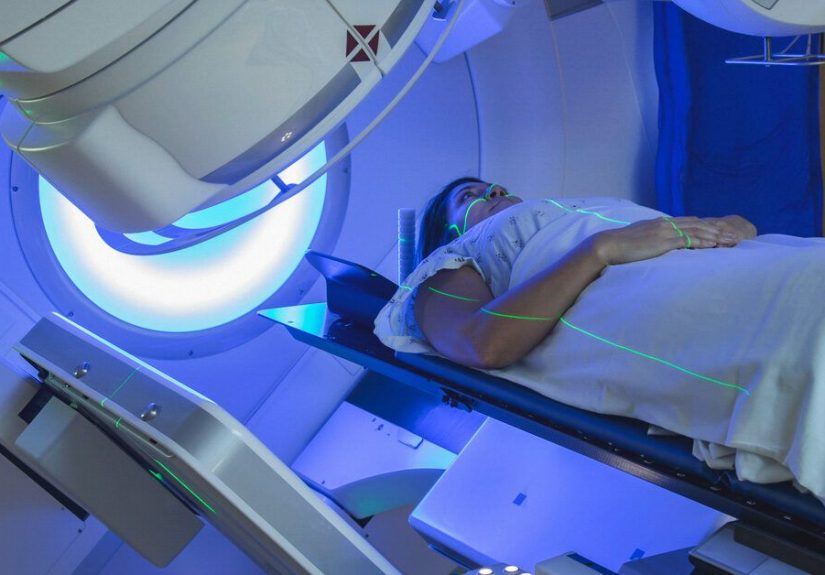
When the cancer is small and localized (often stage I), but surgery isn’t safe, doctors frequently recommend stereotactic body radiation therapy
(SBRT). SBRT delivers a high dose of radiation to a small target with precision, usually over a small number of treatments. In many medically
inoperable early-stage NSCLC cases, SBRT is considered a standard approach.
Example: A 72-year-old with severe COPD has a small stage I lung tumor. Surgery could cause major breathing problems. SBRT becomes the
“laser-focused” alternative: no incisions, outpatient treatments, and a goal of long-term local control.
If it’s unresectable stage III NSCLC: chemoradiation, then consolidation immunotherapy
For many people with unresectable stage III NSCLC, the standard backbone has been concurrent chemoradiation (chemotherapy at
the same time as radiation), followed by a period of consolidation immunotherapy with durvalumab for eligible patients whose
cancer has not progressed after chemoradiation. This approach reflects major clinical trial results and is widely used in practice.
Example: A person with stage III NSCLC has cancer in the lung and nearby lymph nodes, in a pattern that can’t be safely removed completely.
They receive 6–7 weeks of radiation with chemotherapy, then transition to durvalumab for up to a year if appropriateaiming for durable control and, for some,
long-term survival.
If it’s metastatic (stage IV) NSCLC: systemic therapy + smart symptom relief
When NSCLC has spread beyond the chest, treatment typically focuses on systemic therapy (medicine that treats the whole body). Depending on
biomarker results and overall health, this may include:
- Immunotherapy (immune checkpoint inhibitors), sometimes alone and sometimes with chemotherapy
- Targeted therapy if the tumor has a targetable genetic change
- Chemotherapy (often in combination with other treatments)
- Radiation to specific areas for pain relief, bleeding control, or symptom improvement
“Inoperable” at this stage doesn’t mean “no plan.” It means the plan is medicine-driven rather than surgery-drivenand it often includes supportive care to
reduce symptoms and protect quality of life.
If it’s small cell lung cancer (SCLC): chemo-based care, sometimes with immunotherapy
Small cell lung cancer behaves differentlyoften faster-growing and more likely to be widespread when found. Surgery is uncommon, so many SCLC cases are
“inoperable” by default. Treatment frequently includes chemotherapy, and immunotherapy is used in some SCLC settings. Radiation may be included depending on
whether the disease is limited to the chest or more extensive, and whether symptoms need local control.
Targeted therapy: when the tumor has a “driver” mutation
In NSCLC, certain tumors are driven by specific gene changes. When testing finds one, targeted drugs can be very effectiveand they often have
side effects that differ from standard chemotherapy. Targeted therapy is most often used in advanced disease, but the decision depends on the whole clinical
picture and current standards of care.
If you hear your team say, “We’re waiting on molecular results,” that’s not procrastinationit’s precision. The wrong drug first can waste time; the right
match can change the trajectory.
Tumor Treating Fields: a wearable device option in some metastatic NSCLC
A newer option in certain metastatic NSCLC situations is Tumor Treating Fields (TTFields), which uses alternating electric fields delivered
through electrodes placed on the skin and connected to a portable device. In the U.S., TTFields (Optune Lua) has been cleared for specific metastatic NSCLC
scenarios after progression on platinum-based therapy, used alongside certain systemic treatments.
Clinical trials: how “tomorrow’s standard” becomes today’s option
Clinical trials can provide access to promising treatments and combinations (and often closer monitoring). They’re not just for “last resort” momentsmany are
designed for people earlier in treatment. Ask your team what trials might fit your stage and biomarkers, and whether there’s an NCI-designated center nearby.
What treatment feels like day to day
Common side effectsand the reality that most are treatable
Side effects depend on the treatment, dose, and your baseline health. Common experiences include fatigue, appetite changes, nausea, diarrhea or constipation,
and “brain fog” (yes, that’s a medical term in spirit if not on paper). Radiation to the chest may cause a sore throat or trouble swallowing, and some people
develop lung inflammation (pneumonitis), which your team watches for.
Immunotherapy can cause immune-related side effects (because it revs up the immune system), sometimes affecting skin, gut, lungs, thyroid, or other organs.
The important point: reporting symptoms early matters. Many side effects can be managed when caught promptly.
The practical stuff: work, school, errands, and “can I still live my life?”
Most people don’t experience treatment as one dramatic movie montage. It’s more like a series of ordinary days with extra appointmentsand a few days that feel
like your body is negotiating terms. Many people continue some work and routines with adjustments:
- Scheduling energy-heavy tasks for “good mornings” (if that’s your pattern)
- Accepting help with meals, rides, and chores (yes, it’s hard; yes, it helps)
- Tracking symptoms in a simple notebook or app so you can report patterns clearly
- Asking for referrals early (nutrition, pulmonary rehab, counseling, social work)
Supportive and palliative care: not a white flag
Palliative care is appropriate at any stage
Palliative care (also called supportive care or symptom management) focuses on quality of lifebreathing comfort, pain control, fatigue, sleep, mood, appetite,
and stress. It can start at diagnosis and continue alongside cancer treatment. The goal is not “giving up.” The goal is feeling as well as possible while you
fight the cancer with whatever tools make sense.
Hospice vs. palliative care
Hospice is a specific kind of care for people who are nearing the end of lifetypically when treatment to control the cancer is no longer working or is no
longer wanted, and the focus shifts fully to comfort. Palliative care is broader and can happen at any time, including while you’re receiving active
treatment.
Advance care planning (quietly powerful, not gloomy)
Planning ahead can reduce stress for you and your family. This may include choosing a healthcare proxy, discussing what “quality of life” means to you, and
putting your preferences in writing. It’s not pessimismit’s practicality. Think of it as a seatbelt: you hope you won’t need it, but you’re glad it’s there.
Prognosis and “how long do I have?” conversations
Prognosis in inoperable lung cancer depends on many factors: cancer type, stage, biomarkers, response to treatment, overall health, and how well symptoms are
controlled. Two people with the same stage can have very different paths, especially now that treatments are increasingly personalized.
If you want numbers, it’s okay to ask in a way that protects your emotional bandwidth. Some people prefer a range; others want best-case/typical/worst-case
scenarios. You can say: “I’d like a realistic overview, but I also want hope. Can you walk me through the possibilities?”
Questions to ask your cancer team
- What exactly makes my cancer inoperabletumor factors, my health factors, or both?
- What is my cancer type and stage, and what does that mean for the goal of treatment?
- Were my tumor biomarkers tested (including PD-L1 and key gene changes)? What were the results?
- What treatment plan do you recommend firstand what’s the backup plan if it doesn’t work?
- What side effects should I watch for, and which symptoms are “call today” symptoms?
- Should I see a palliative/supportive care specialist now?
- Are there clinical trials I should consider at this point?
- How will we know whether treatment is working (scans, blood work, symptom changes)?
- What can I do to support my lungsvaccines, pulmonary rehab, breathing exercises, smoking cessation support?
Real-world experiences: what people often share
Everyone’s story is different, but certain themes come up again and again from people living with inoperable lung cancer and from the families walking beside
them. Think of these as “patterns,” not predictionsuseful for mentally rehearsing what may happen, without assuming it will.
The emotional whiplash is real (and normal)
Many people describe the diagnosis phase as a weird mix of urgency and waiting: urgent because it’s cancer, waiting because the team needs scans, pathology,
and biomarker results. It can feel like you’re standing in a storm holding an umbrella made of paperwork. People often say it helps to pick one person to
handle logistics (appointments, insurance calls, a shared calendar), so the patient can focus on rest and decision-making.
“Inoperable” can feel like a verdictuntil the plan shows up
A common shift happens after the first full treatment visit: the word “inoperable” stings less once you hear a concrete plan. People often report relief when
the care team outlines a sequence“radiation plus chemo, then immunotherapy,” or “targeted therapy first, re-scan in 8 weeks”because it turns fear into a set
of next steps. Even when the goal is control rather than cure, having a roadmap can reduce that free-floating panic.
Energy becomes a budget, not a personality trait
Fatigue is one of the most commonly reported challenges across lung cancer treatments. People often say the best mindset shift is treating energy like money:
you don’t spend it all in one place. Short walks (when approved), naps without guilt, and asking for practical help (rides, meals, laundry) are not “being
lazy”they’re smart resource management. Caregivers often mention that the most helpful question isn’t “How are you?” but “Do you want company, quiet, or a
distraction?”
Breathlessness is scarybut it’s also addressable
Shortness of breath can come from the tumor, fluid around the lungs, anemia, infection, anxiety, or treatment effects. People often describe breathlessness as
one of the most frightening symptoms, not because it always signals danger, but because it feels like danger. Many also report improvement when they
get the right combination of strategies: medication adjustments, pulmonary rehab techniques, anxiety support, positioning, oxygen (when needed), and quick
access to a clinician when symptoms change. The consistent advice from experienced patients is: report changes earlydon’t “tough it out” alone.
Palliative care is often described as “the team that gives me my life back”
People sometimes delay palliative care because they think it means end-of-life care. Those who do start early often describe the opposite experience: better
symptom control, clearer communication, and more support for sleep, appetite, pain, and stresswhile still receiving active cancer treatment. Caregivers often
say palliative care helped them, too, by offering coaching, resources, and emotional backup.
Small wins matter more than inspirational posters
Many people share that the “most helpful” support isn’t toxic positivity. It’s concrete support: a meal train, a ride to radiation, someone who sits quietly
during infusion, a friend who texts a meme at exactly the right moment, or a nurse who explains side effects without making you feel dramatic. Patients often
say they remember the people who treated them like a personnot a diagnosis. If you’re the patient: it’s okay to set boundaries (“I’m not up for advice right
now”). If you’re supporting someone: try asking, “Would you like problem-solving, or would you like me to just be here?”
Conclusion
Inoperable lung cancer is a hard diagnosisbut it is not a blank page. “No surgery” simply means the care team is choosing other tools: precise radiation,
systemic therapies like chemotherapy, immunotherapy, and targeted drugs, newer options like TTFields in select settings, and supportive care that helps you
breathe, sleep, eat, and live more fully through treatment.
The most important next step is getting clarity on your specific situation: your cancer type, stage, biomarker results, and the goal of treatment. Ask for a
plan you can understand, ask what success looks like, and ask what you should do if symptoms change. And if you can, build a support system earlybecause you
shouldn’t have to carry this alone.