Table of Contents >> Show >> Hide
- First, Confirm It’s Really the Port (Not the Usual Suspects)
- Safe Cleaning: The #1 Fix for “Charging Port Not Working”
- Fix Common Software Glitches That Block Charging
- Know These iPhone Warnings: They’re Trying to Help (Mostly)
- When the Port Is Actually Damaged (and What That Looks Like)
- Battery Health Can Make Charging Feel Weird
- Prevent Future Charging Port Problems (Low Effort, High Reward)
- Conclusion
- Real-World Experiences: What Usually Fixes It (and What Doesn’t) 500+ Words
When your iPhone refuses to charge, it can feel personallike your phone woke up and chose chaos.
The good news: most “charging port not working” situations aren’t fatal. They’re usually a simple mix of
lint, a tired cable, a picky power adapter, or a software hiccup.
This guide walks you through easy, realistic fixes (the kind that actually work in the real world),
whether your iPhone uses a Lightning port (many models) or USB-C (iPhone 15 and newer).
We’ll start with the quickest checks, move into safe cleaning, then cover alerts like “Accessory may not be supported”
and “Liquid Detected,” and finish with when it’s time to call in the pros.
First, Confirm It’s Really the Port (Not the Usual Suspects)
A “bad port” is often just a “bad everything else.” Before you poke at anything, try to narrow down what’s failing:
Do this 2-minute “swap test”
- Try a different cable (preferably a known-good one you trust).
- Try a different power adapter (wall brick) and a different wall outlet.
- Try charging from a computer USB port if you have one handy (slower, but useful for testing).
- If you have MagSafe or Qi wireless charging, test that too. If wireless works but the cable doesn’t, the port or cable path is the likely culprit.
If your iPhone charges normally with another cable or adapter, congratulationsyou just diagnosed the problem without
performing surgery. Cables are consumables. They bend, fray, and silently quit like a bad date.
Quick visual checks (yes, they matter)
- Look for fraying, kinks, or discoloration near the cable ends.
- Check the adapter for loose prongs or signs of overheating.
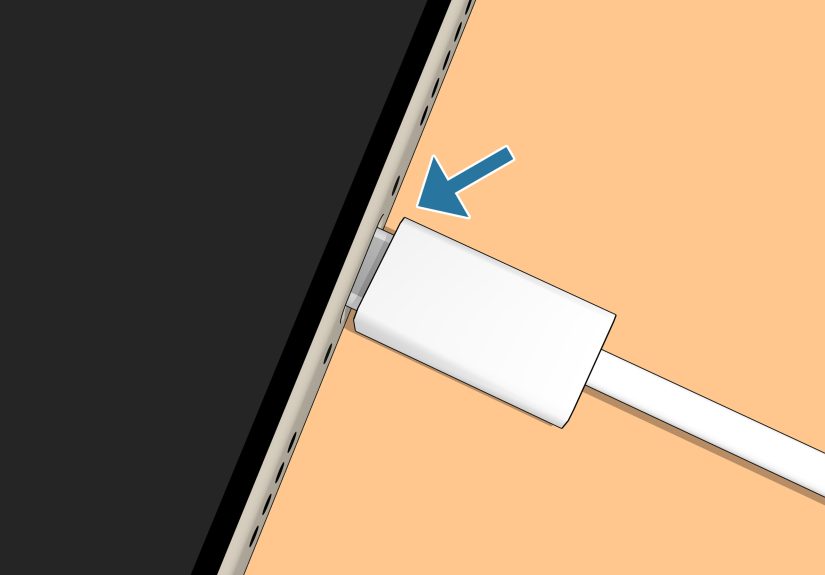
- Make sure the cable sits fully in the portif it feels “mushy” or won’t click/seat properly, debris is a top suspect.
Safe Cleaning: The #1 Fix for “Charging Port Not Working”
Pocket lint is the unofficial landlord of iPhone charging ports. Even if you can’t see it, debris can pack down and prevent
the connector from seating fullymeaning no charge, intermittent charge, or “only charges at a weird angle” behavior.
Before you clean: safety rules (please don’t freestyle)
- Power off your iPhone before cleaning if possible.
- Do not use metal tools (paperclips, pins, needles). Metal can damage delicate contacts.
- Do not spray liquids into the port or soak anything.
- Do not blow into the port with your mouth (moisture = bad idea).
What you need
- A bright flashlight (your phone’s flashlight worksborrow someone else’s phone if needed)
- A soft, dry brush (like a clean, soft toothbrush or electronics brush)
- A wooden or plastic toothpick (optional, and only used gently)
Step-by-step: the gentle clean
- Inspect the port with a flashlight. Look for fuzzy lint, dust clumps, or anything that looks like it pays rent.
- Brush first: Use a soft brush to loosen debris near the opening. Small, light strokesno digging.
-
If the cable won’t seat fully: very gently use a wooden/plastic toothpick to lift lint out.
Keep the tool shallow and slow. You’re trying to remove lint, not remodel the interior. - Test charging with a known-good cable. If it suddenly clicks in firmly, you likely solved it.
If you’re unsure, uncomfortable, or the port looks damaged, skip the DIY deep-clean and head to an Apple Store
or an Apple Authorized Service Provider. A “quick clean” is often something they can handle safely.
Fix Common Software Glitches That Block Charging
Sometimes the port is fine, but iOS is being dramatic. If your iPhone recognizes a charger inconsistently,
charges slowly without reason, or refuses to charge after an update, try these:
1) Restart your iPhone (simple, underrated)
Restarting clears minor system hiccups and can restore normal charging behaviorespecially if the phone has been running
for days or just installed an iOS update.
2) Force restart (when the phone is stubborn)
If your iPhone is frozen, unresponsive, or acting weird, a force restart can help. On most modern iPhones:
- Press and quickly release Volume Up
- Press and quickly release Volume Down
- Press and hold the Side button until you see the Apple logo
3) Update iOS
Charging behavior and accessory compatibility can be affected by software. If you’re seeing accessory alerts or strange charging behavior,
installing the latest iOS update can resolve known issues and improve compatibility with some accessories.
Know These iPhone Warnings: They’re Trying to Help (Mostly)
“Accessory may not be supported”
This alert often appears when a cable or accessory is damaged, not certified/supported, or when the port/connector is dirty.
Translation: your iPhone is basically saying, “I don’t trust this thing you plugged into me.”
Try this:
- Switch to an Apple-certified or known-good cable.
- Clean the cable connector with a soft, dry, lint-free cloth.
- Gently clean the iPhone port (as described above).
- Update iOS and restart.
“Liquid Detected” or “Charging not available”
If your iPhone detects moisture in the Lightning/USB-C connector area, it may block charging to prevent corrosion and damage.
This can happen after spills, humid conditions, workouts, rain, orsurprisedebris triggering false alarms.
What to do (the safe method):
- Unplug the cable from the iPhone and the power source.
- Hold the phone with the connector facing down and gently tap it against your hand to encourage moisture to leave.
- Let it dry in a well-ventilated area. After about 30 minutes, try charging again.
- If it keeps happening with one specific cable/accessory, that cable/accessory may be the problem.
Skip internet folklore like “stick it in rice.” You’re trying to dry your phone, not season it.
Also avoid heat sources or blasting air aggressivelyyour goal is safe drying, not a DIY weather event.
When the Port Is Actually Damaged (and What That Looks Like)
If you’ve tried multiple cables/adapters, cleaned carefully, restarted, and updated iOSand it still won’t chargethen yes,
the port (or related charging circuitry) may be damaged.
Common signs of physical port trouble
- The cable feels loose or falls out easily.
- Charging works only if you hold the cable at a certain angle.
- You see bent pins, corrosion, or discoloration inside the port.
- The phone connects/disconnects rapidly (charging “flickers”).
At this point, the safest move is a professional evaluation. Apple Stores and Apple Authorized Service Providers can check
the port, run diagnostics, and confirm whether the issue is the connector, the battery, or internal hardware.
Battery Health Can Make Charging Feel Weird
If your iPhone charges very slowly, stops charging unexpectedly, or behaves inconsistentlybattery health can be part of the story.
Batteries wear down over time, and extremely degraded batteries can cause performance and charging quirks.
What to check
- Go to Settings > Battery > Battery Health & Charging
- Look at Maximum Capacity and any service messages
A severely worn battery doesn’t always prevent charging, but it can make charging feel unpredictable. If your battery is significantly degraded,
a replacement can restore reliabilityespecially if your phone is older or has seen heavy daily use.
Prevent Future Charging Port Problems (Low Effort, High Reward)
- Keep your iPhone out of lint-heavy pockets when possible (or use a cleaner pocketyes, that’s a thing).
- Avoid yanking the cable out sidewayspull straight out to reduce wear.
- Use reputable, certified cables to avoid compatibility issues and flaky charging.
- Consider wireless charging as a backup plan if your household is prone to cable chaos.
- Do a quick port inspection monthly if you live the “phone-in-pocket” lifestyle.
Conclusion
If your iPhone charging port isn’t working, don’t jump straight to worst-case thinking (or worsebuying a new phone out of frustration).
In many cases, the fix is simple: swap the cable, try a different adapter, clean out pocket lint, restart iOS, and handle moisture alerts correctly.
If none of that helps and the cable still won’t seat firmlyor charging only works at strange anglesprofessional service is the smart next step.
Real-World Experiences: What Usually Fixes It (and What Doesn’t) 500+ Words
After helping friends and family troubleshoot “my iPhone won’t charge” moments (usually while they stand over you like you’re the Genius Bar),
a few patterns show up again and again.
Experience #1: The lint plug is real. The most common story goes like this: “My cable won’t go in all the way.”
People assume the port is broken, but the cable is actually hitting a dense lint wall. The lint isn’t fluffy anymoreit’s been compressed
by weeks of pocket time into something that could qualify as a building material. Once it’s gently removed, the cable suddenly seats with a
satisfying, secure fit, and charging works like nothing ever happened. The funniest part? People swear the port looked “clean” until a flashlight
proved otherwise. Moral: the flashlight is the truth serum of tech troubleshooting.
Experience #2: The “one cable” trap. Many people only own one cable they trust, and it becomes their everyday workhorse.
It lives in backpacks, gets wrapped around adapters, bent in car consoles, and occasionally used as a lasso (not recommended).
Cables often fail before ports do, but because the failure is gradual, it’s easy to blame the phone. The fix here is almost boring:
test with a truly known-good cable. If the phone charges normally, you didn’t have a port problemyou had a cable that quietly retired.
Experience #3: Car chargers are chaotic neutral. A phone that charges fine at home but not in the car is usually dealing with
a low-quality adapter, a worn cable, or a finicky port connection made worse by vibration. The moment the car hits a bump, charging flickers on and off
and the driver declares the port “dead.” In reality, the port connection might just be shallow because of lint, or the cable tip is worn.
Swapping the car adapter (and cable) often solves it instantly.
Experience #4: Moisture alerts aren’t always “water.” People see “Liquid Detected” and panicthen swear the phone has never been wet.
Sometimes it truly is humidity, a damp environment, or a cable end that picked up moisture. Other times, debris inside the port contributes to weird behavior.
The reliable move is patience: unplug, let it dry with airflow, and don’t force it. Trying to override warnings, heat-dry the phone, or jab around the port
usually turns a small issue into an expensive one. The calm approach wins.
Experience #5: Sometimes it really is damageand that’s okay. If a phone only charges at a certain angle, the cable feels loose,
or you can see discoloration/corrosion, it may be time for professional service. People often feel like getting a repair is “failing.”
It’s not. Ports and batteries are wear items, and iPhones are used daily. Getting a proper diagnostic can save money and prevent repeated frustration
(and repeated cable purchases that don’t fix anything).
In short: most charging problems are simple. Start with swaps and cleaning, keep things gentle, respect moisture alerts, and don’t hesitate to get help
if the port behaves like it’s physically worn. Your sanity is worth it.