Table of Contents >> Show >> Hide
- What “Traditional Series” Means (and Why It’s Not Just a Vibe)
- Terrazzo 101: What You’re Actually Buying
- Cement Terrazzo vs. Epoxy Terrazzo: Two Cousins, Very Different Personalities
- Slab Specs: Size, Thickness, Finish, and Why These Numbers Matter
- Color and Pattern: How to Choose Without Regret
- Design Moves That Make Traditional Series Look Expensive (Because It Usually Is)
- Where Traditional Series Slabs Shine
- Fabrication and Installation: What to Expect (and What to Ask)
- Care and Maintenance: Keep It Beautiful Without Babying It
- Cost and Value: The Part Where Your Wallet Clears Its Throat
- Safety and Sustainability Notes (Quick, But Important)
- Buying Checklist: Traditional Series Slab and Countertop
- Real-World Experiences: Living With a Traditional Series Slab Countertop (About )
- Conclusion
If you’ve ever looked at a kitchen and thought, “Wow… that countertop is doing the most (in a good way)”,
there’s a decent chance you were staring at a slab product with real presencesomething with depth, texture, and
a finish that doesn’t scream for attention but still gets it.
Enter the Traditional Series slab and countertop: a terrazzo-forward, design-friendly surface that can
feel old-school elegant, quietly modern, or “my designer friend definitely helped me pick this.” This guide breaks down
what the Traditional Series is, how terrazzo slabs behave in real homes, what to expect from fabrication and care, and
how to make the look feel intentionalnot accidental.
What “Traditional Series” Means (and Why It’s Not Just a Vibe)
In the slab-and-countertop world, “Traditional Series” usually refers to a classic terrazzo aesthetic:
a balanced mix of marble-like aggregate chips in a neutral-to-rich matrix, polished to a smooth finish. It’s the
“timeless sweater” of surfacesdependable, flattering, and surprisingly versatile.
Unlike a busy natural stone slab where the pattern can dominate the room, terrazzo tends to read as texture and tone
from a distance, and detail up close. That makes a Traditional Series slab a strong choice when you want a surface that
adds character without turning your kitchen into a geology museum.
Terrazzo 101: What You’re Actually Buying
Terrazzo is a composite materialchips (often marble, sometimes glass or other aggregates) suspended in a
binder (cement-based or resin-based), then ground and polished to reveal the “confetti” pattern. The magic is that it’s
not a printed look; it’s a real cross-section of the material.
That matters for countertops because it impacts everything: stain resistance, sealing needs, thickness, weight, repair
options, and even how seams blend. In other words: this is not just “a pretty surface.” It’s a system.
Cement Terrazzo vs. Epoxy Terrazzo: Two Cousins, Very Different Personalities
Traditional Series products often show up in cement terrazzo and sometimes epoxy terrazzo formats.
They can look similar, but their performance profiles are different enough that it’s worth choosing on purpose.
Cement terrazzo (classic, substantial, old-school durable)
- Pros: traditional look, sturdy feel, great for classic interiors and commercial-grade durability.
- Trade-offs: more porous than epoxy terrazzo, so it typically needs more attention to sealing and spill cleanup.
Epoxy terrazzo (smoother, less absorbent, very design-flexible)
- Pros: extremely low absorption and often easier day-to-day stain management.
- Trade-offs: still not a “do whatever you want forever” surfaceabrasives and harsh chemicals can dull it over time.
If your household is the type to leave spaghetti sauce “for later” and consider coffee a food group, epoxy terrazzo can
be a calmer daily companion. If you love the romance of classic materials and don’t mind a little upkeep, cement terrazzo
gives you that traditional soul.
Slab Specs: Size, Thickness, Finish, and Why These Numbers Matter
Many Traditional Series terrazzo slabs used for countertops come in a large-format slab size around
96 inches by 62 inchesa generous footprint that helps reduce seams on standard runs.
Typical cement terrazzo slab/countertop format
- Slab size: about 96" x 62" (roughly 41.33 sq. ft.)
- Thickness: often around 1 1/4" (3 cm)
- Finish: polished (the classic terrazzo sheen)
- Weight: substantialplan cabinet support accordingly
Typical epoxy terrazzo slab/countertop format
- Slab size: about 96" x 62" (roughly 41.33 sq. ft.)
- Thickness: often around 3/4" (2 cm)
- Finish: polished
- Weight: generally lighter than cement terrazzo
Why the specs matter: slab size influences seam placement; thickness influences edge options; weight affects how your
cabinets and supports need to be built. (Yes, the countertop can be the diva, but it still needs a sturdy stage.)
Color and Pattern: How to Choose Without Regret
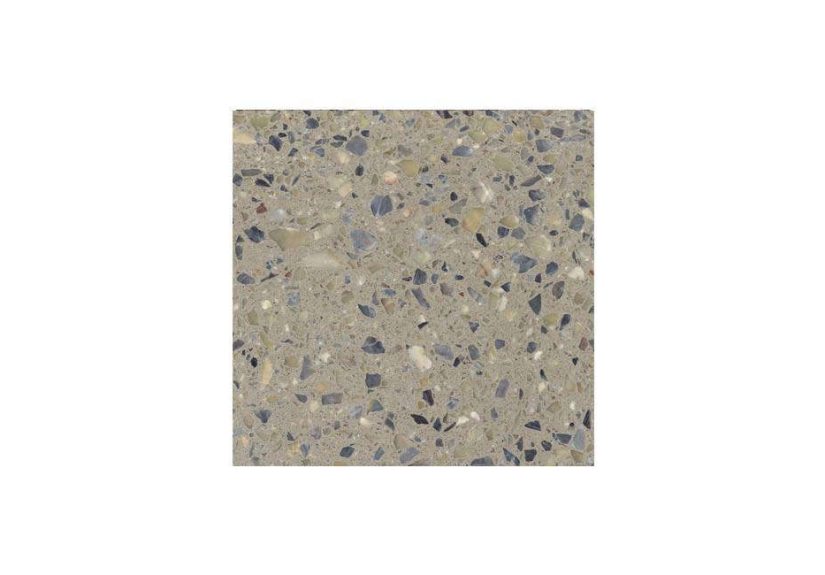
With terrazzo, color decisions are less about “which vein do I like” and more about matrix tone + chip character.
A Traditional Series look usually aims for balanced, familiar combinationsthink warm grays, soft whites, charcoals, and
classic midtones that play nicely with wood, brass, and painted cabinetry.
Three practical ways to pick your color
-
Start with your cabinets. White cabinets + dark terrazzo feels crisp and tailored. Wood cabinets + warm
matrix colors feel inviting. Painted cabinets + neutral terrazzo keeps things timeless. -
Choose your “zoom level.” Large aggregate reads bolder and more playful up close; finer aggregate reads
calmer and more uniform from a distance. -
Insist on real samples. Terrazzo color guides are great for early direction, but samples are how you avoid
the “Wait… why is it greener in my kitchen?” moment.
Design Moves That Make Traditional Series Look Expensive (Because It Usually Is)
Terrazzo is inherently decorative. The goal is to frame it so it feels like a deliberate design choicenot a surface
that wandered in and made itself comfortable.
Cabinet pairings that work almost every time
- Shaker cabinets: classic + classic, but still fresh.
- Inset cabinetry: Traditional Series terrazzo loves a tailored silhouette.
- Flat-panel (modern) cabinets: lets the terrazzo be the texture hero.
Edge profiles: keep it clean, or go full “old money kitchen”
- Eased / softened square: modern-traditional sweet spot.
- Half bullnose: friendly, classic, and less prone to looking sharp.
- Ogee: the most traditional moveuse it when you want the countertop to feel like furniture.
Backsplash strategies
- Simple subway tile: lets the terrazzo shine without competition.
- Full-height slab backsplash: dramatic, seamless, and very “designer kitchen reveal.”
- Warm zellige-style tile: adds handmade texture; keep grout and tone cohesive.
Where Traditional Series Slabs Shine
A Traditional Series slab and countertop can work in more places than you’d expectbecause terrazzo doesn’t have to be
“modern.” It can read classic when you pair it with the right shapes and finishes.
- Kitchens: perimeter counters, islands, baking stations.
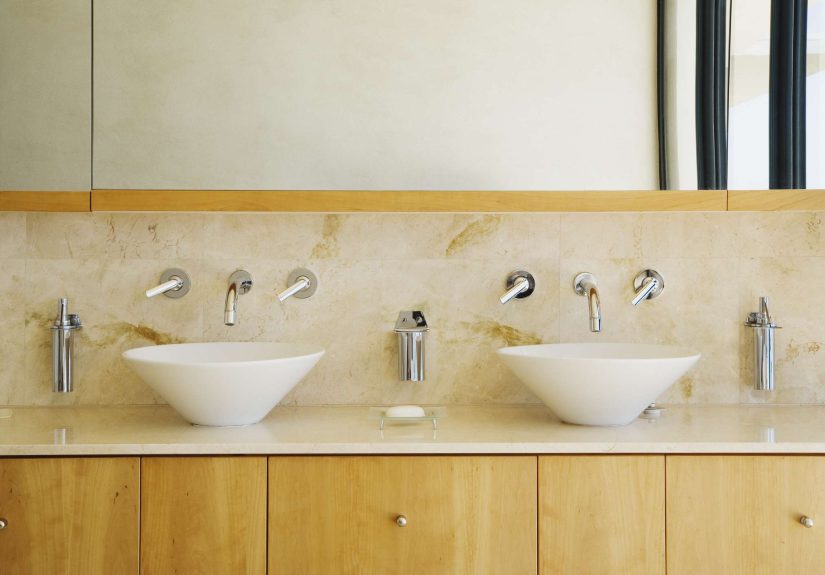
- Bathrooms: vanity tops, integrated-looking backsplashes, even shower thresholds in some designs.
- Laundry/mudrooms: durable work surfaces with style.
- Bars and serving areas: terrazzo photographs well and holds up to heavy use.
- Commercial or hospitality spaces: Traditional Series aesthetics fit both retro and contemporary interiors.
Fabrication and Installation: What to Expect (and What to Ask)
Terrazzo countertops typically follow a familiar countertop workflow: measure, template, fabricate, install. The details
matter because terrazzo behaves differently than veined marble or patterned granite when it comes to seams and edge work.
Step-by-step, in plain English
- Measurement + templating: your fabricator maps runs, corners, sink cutouts, and seam placements.
- Slab layout: because terrazzo is more uniform, seam placement can be driven by structural logic, not vein matching.
- Cutouts + edge fabrication: plan sink style early (undermount, drop-in, farmhouse) so the reveal is right.
- Transport + install: slabs are heavy and rigidprofessional handling is non-negotiable.
- Finishing touches: sealing/protectant considerations, caulking at walls, and final cleanup.
Smart questions to ask your fabricator
- What thickness are we using, and what edge options work best for that thickness?
- Where will seams land, and can we place them away from high-focus zones?
- How do you handle sink cutouts and reinforcement around vulnerable rails?
- What is your recommended daily cleaner and resealing schedule for this terrazzo type?
Care and Maintenance: Keep It Beautiful Without Babying It
Terrazzo countertops are durable, but they’re not indestructible. Think of them like leather shoes: strong, long-lasting,
and better when you treat them correctlyworse when you pretend they’re made of plastic.
The daily routine (easy)
- Wipe spills sooner rather than later. Especially oils, wine, coffee, tomato sauce, and anything acidic.
- Use a neutral cleaner. Skip harsh chemicals and abrasive scrubbing pads.
- Go gentle. Soft cloths and non-scratch tools keep the finish looking polished longer.
What to avoid (your countertop’s “no thanks” list)
- Acidic cleaners (and surprise acids like vinegar solutions) that can dull certain finishes over time.
- Harsh abrasives that scratch or haze polished surfaces.
- Heat shortcuts like setting a ripping-hot pan directly on the surfaceuse trivets.
Resealing: how often is “often”?
This depends on whether your terrazzo is cement-based or epoxy-based, how it was finished, and how your household lives.
Some terrazzo surfaces need more frequent resealing than others. The safest approach: follow the manufacturer and fabricator
guidance, and treat resealing as inexpensive insurance for a high-investment surface.
Cost and Value: The Part Where Your Wallet Clears Its Throat
Traditional Series terrazzo slabs are typically not budget countertops. The cost is driven by slab production, thickness,
finishing, customization, fabrication, and installation complexity. If you’re comparing options, compare them honestly:
terrazzo is competing with premium quartz, high-end granite, or statement natural stonenot with laminate.
Why people still choose it anyway
- It looks custom. Even simple layouts read intentional and upscale.
- It’s design-flexible. Traditional, transitional, modernterrazzo can play in all of them.
- It ages well. Classic surfaces tend to outlive short-lived trends.
Safety and Sustainability Notes (Quick, But Important)
Two realities can be true at once: (1) terrazzo is often celebrated for durability and potential use of recycled aggregates,
and (2) cutting and finishing stone-like surfaces can create hazardous dust for workers if handled without proper controls.
The finished countertop in your home isn’t the hazardfabrication processes are where safety standards matter.
When hiring a fabricator/installer, choose reputable pros who take dust control seriously and follow workplace safety practices.
It’s not “extra.” It’s the baseline for responsible work.
Buying Checklist: Traditional Series Slab and Countertop
- Confirm material type: cement terrazzo vs epoxy terrazzo.
- Verify slab size: and plan seams based on your layout.
- Choose finish: polished is classic; confirm if honed options exist for your product line.
- Get real samples: view them in your lighting morning/noon/night.
- Plan sinks + fixtures early: cutouts and reveals affect the final look.
- Ask about sealing/protectant: what’s applied at factory vs what’s needed later.
- Confirm support: cabinet structure, overhang supports, and edge thickness.
Real-World Experiences: Living With a Traditional Series Slab Countertop (About )
Let’s talk about the part nobody puts in the brochure: the day-to-day relationship you’ll have with a terrazzo countertop.
It’s not dramatic. It’s more like living with a well-dressed friend who appreciates good manners.
Week one is the “learning curve.” People tend to baby a new countertop at firstwiping every splash like it’s
a crime scene. With a Traditional Series terrazzo slab, the first real test is usually coffee, red sauce, or that mysterious
cooking oil mist that appears whenever you sauté something “quick.” The good news: terrazzo doesn’t show dust and fingerprints
as aggressively as glossy black stone. The less fun news: if you leave a strong-color spill sitting too long, you may notice
a slight shadowing. Not a catastrophejust a reminder that this is a premium material, not a magic force field.
Seams are oddly… calm. With dramatic veined stone, seams can be a whole emotional journey. Terrazzo’s pattern is
distributed, so seams often fade into the background fasterespecially if the layout is smart. Most homeowners report that
after a few weeks, they stop “seeing” the seam entirely. Visitors won’t notice either, unless they’re the type of person who
critiques grout lines at parties. (If they are: offer them a snack and redirect the conversation.)
It’s the ultimate “lived-in luxury” surface. Traditional Series terrazzo looks designed, but it doesn’t demand a
museum lifestyle. Kids doing homework? Great. Friends leaning on the island with a drink? Fine. A weekend baking project?
The surface feels solid and comfortablelike it belongs in the room. The only habit you really want to build is using cutting
boards and trivets consistently. Not because the countertop is fragile, but because polished surfaces stay prettier when you
don’t drag rough stuff across them or shock them with heat.
Cleaning is pleasantly boring. The daily routine tends to be: wipe, mild cleaner, done. People who switch from
high-maintenance natural stone often say terrazzo feels more forgiving. People who switch from laminate say terrazzo feels more
“adult.” (In a good way. Like paying your bills on timesatisfying, but still stylish.)
The biggest surprise is how well it photographs. Terrazzo has depth. Under warm lighting, it can look cozy and
classic; under daylight, it can look crisp and architectural. That’s why you’ll see Traditional Series-style terrazzo in both
traditional kitchens and modern builds. It adaptswithout losing its personality.
Bottom line from real kitchens and baths: a Traditional Series slab countertop feels like a long-term design decision. It’s the
kind of surface that doesn’t beg for attentionbut quietly earns compliments anyway.
Conclusion
A Traditional Series slab and countertop is a smart pick when you want a surface that feels timeless, tailored,
and genuinely architectural. The terrazzo story is equal parts beauty and performance: large slabs that reduce seam drama,
a polished finish that reads classic, and a pattern that plays nicely with everything from shaker cabinets to sleek modern fronts.
Choose cement vs epoxy intentionally, insist on real samples, plan your seams and sink cutouts early, and commit to simple
maintenance habits (neutral cleaner, quick wipe-ups, periodic sealing as advised). Do that, and you’ll end up with a countertop
that still looks right when today’s trendiest backsplash has become tomorrow’s “What were we thinking?”