Table of Contents >> Show >> Hide
- What Is Yerba Mate (and Why Turn It Into a Latte)?
- Key Benefits of a Yerba Mate Latte
- How to Brew Yerba Mate for a Latte (Without the Bitterness)
- Classic Hot Yerba Mate Latte Recipe
- Iced Yerba Mate Latte Variation
- Flavor Variations and Fun Twists
- Safety, Caffeine, and Who Should Go Easy on Yerba Mate
- What I Learned After Making Yerba Mate Lattes Every Day for a Month
- Bringing It All Together
If coffee has you feeling wired, tired, or just a little too jittery, it might be time to make friends with a new mug mate – literally. A creamy yerba mate latte gives you the gentle buzz of tea, the comforting foam of a latte, and a flavor that sits somewhere between green tea, toasted hay, and “wow, what is this and why do I like it so much?”
In this guide, you’ll learn exactly how to make a yerba mate latte at home, how to avoid the bitter mistakes beginners make, and how to customize it hot or iced. We’ll also talk about the real benefits and caveats of yerba mate, so you can sip smarter, not just trendier.
What Is Yerba Mate (and Why Turn It Into a Latte)?
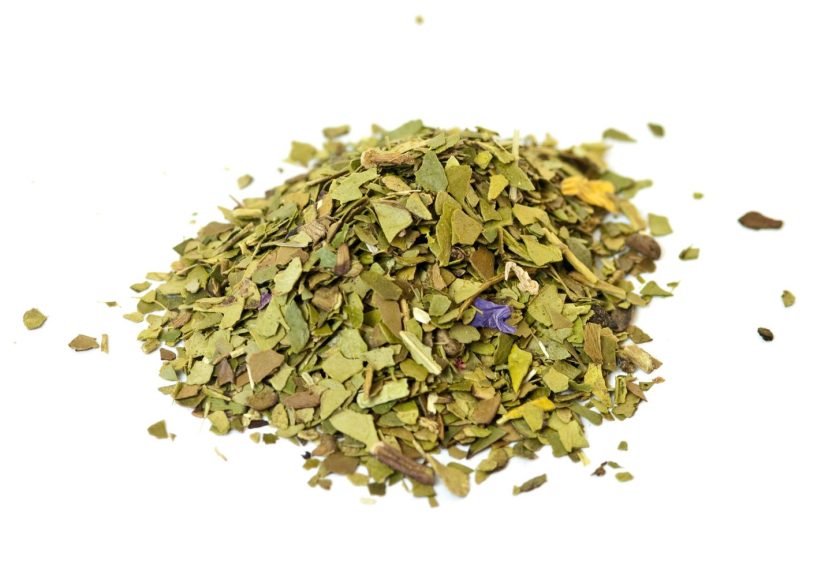
Yerba mate comes from the dried leaves and stems of the Ilex paraguariensis plant, traditionally grown and enjoyed in countries like Argentina, Paraguay, Uruguay, and southern Brazil. The leaves are usually dried (often over a fire), then steeped in hot water to make a strong herbal infusion that’s shared from a gourd with a metal straw.
It’s naturally caffeinated, but the buzz is often described as smoother than coffee. Yerba mate contains caffeine along with other plant compounds like theobromine and theophylline, plus a mix of antioxidants and minerals. Many people say they feel focused and energized without the hard crash they get from a big cup of drip coffee.
Turning it into a latte is simple: you brew yerba mate like strong tea, then mix it with hot milk (or a plant-based milk) and a touch of sweetness. The result is a drink that feels like a café latte but tastes brighter, greener, and a bit more herbal – like coffee’s outdoorsy cousin who hikes on weekends and reads nutrition labels.
Key Benefits of a Yerba Mate Latte
While a yerba mate latte is still a treat (especially if you add sugar and rich milk), it comes with some potential perks:
- Gentler energy than coffee: Yerba mate’s caffeine can help with alertness and concentration, but many drinkers notice fewer jitters and a more gradual comedown.
- Antioxidant support: Yerba mate contains polyphenols and other antioxidants that help neutralize free radicals and may support overall health.
- Exercise and focus support: Some research suggests yerba mate may support endurance, fat oxidation, and mental performance, making it a favorite pre-workout or study drink.
- Heart and metabolic health: Early evidence points to possible benefits for cholesterol and blood sugar when yerba mate is part of an overall healthy lifestyle.
- Social ritual – even in latte form: Traditional mate is meant to be shared. Turning it into a latte and serving it to friends is a modern twist on that same social ritual.
Of course, it’s still a caffeinated drink, so more is not always better. We’ll talk about who should be cautious a bit later.
How to Brew Yerba Mate for a Latte (Without the Bitterness)
The number-one reason people say they “hate” yerba mate? They accidentally torture it with boiling water. Too-hot water can scorch the leaves and pull out harsh, bitter flavors. The good news: you don’t need a fancy kettle, just a little patience.
Ideal Water Temperature and Steeping Time
- Water temperature: Aim for about 150–170°F (around 65–77°C). Many mate drinkers like the 160°F range. If you don’t have a thermometer, simply let boiled water sit for 5–7 minutes before pouring.
- Yerba mate amount: For a latte, use about 1–1½ tablespoons of loose-leaf yerba mate (or 2 tea bags) per 8 ounces of liquid.
- Steeping time: Steep for 3–5 minutes for a balanced flavor. Longer will give you a stronger brew but can edge into bitterness, depending on the brand and cut.
Use a tea infuser, French press, or even a simple strainer in a heat-safe mug. If you’re using a French press, you can brew a small “concentrate,” then top with plenty of milk.
Classic Hot Yerba Mate Latte Recipe
This cozy yerba mate latte recipe gives you café vibes with minimal equipment. Feel free to tweak the sweetness and milk choice to your taste.
Ingredients (1 Large Mug or 2 Small Cups)
- 1–1½ tablespoons loose-leaf yerba mate (or 2 yerba mate tea bags)
- 4 ounces (½ cup) hot water, about 160°F (not boiling)
- 6–8 ounces (¾–1 cup) milk or plant-based milk (oat, almond, soy, or coconut)
- 1–2 teaspoons honey, maple syrup, or sugar, to taste
- ½ teaspoon vanilla extract (optional, but highly recommended)
- Pinch of ground cinnamon or nutmeg (optional garnish)
Step-by-Step Instructions
- Heat the water: Bring water just to a boil, then let it cool for a few minutes so it drops into the 150–170°F range.
- Brew the yerba mate: Add the yerba mate to an infuser, French press, or teapot. Pour the hot (not boiling) water over the leaves. Steep for 3–5 minutes, depending on how strong you like it.
- Strain the tea: Remove the infuser or press the French press plunger. You should now have a concentrated yerba mate brew.
- Sweeten while warm: Stir in honey, sugar, or your preferred sweetener while the mate is still hot, so it dissolves easily. Taste and adjust – remember you’ll be adding milk, which softens the flavor.
- Warm and froth the milk: In a small saucepan or microwave-safe container, gently heat the milk until steaming but not boiling. If you have a milk frother, go ahead and froth it to create foam. No frother? You can vigorously whisk the milk, shake it in a jar (lid on!) for 30 seconds, or give it a quick blend.
- Combine mate and milk: Pour the sweetened yerba mate into a mug, then top with the hot milk. If your milk is very foamy, hold back the foam with a spoon at first, then spoon it over the top for a latte-style look.
- Add flavor and garnish: Stir in vanilla extract if using. Dust the top with cinnamon or nutmeg for a cozy finish.
- Sip and adjust: Taste your latte. Too strong? Add a bit more hot milk. Too mild? Next time, increase the yerba mate or steep a bit longer.
That’s your no-fuss, everyday yerba mate latte. Once you’re comfortable with this base recipe, it’s easy to riff on it.
Iced Yerba Mate Latte Variation
When it’s hot out or you’re just in an iced-drink mood, a chilled yerba mate latte is incredibly refreshing. Think of it as iced coffee’s more herbal cousin with a lighter, cleaner finish.
Quick Iced Yerba Mate Latte
- Brew double-strength yerba mate: Use 2–3 tablespoons loose leaf (or 3–4 bags) in 8 ounces of water, steep 3–5 minutes, then strain.
- Sweeten while warm so your sugar or honey dissolves completely.
- Cool the concentrate: Let it reach room temperature, then chill in the fridge. To avoid a watery drink, don’t pour piping hot tea directly over ice.
- Fill a tall glass with ice, add ½ cup mate concentrate, then top with ½–¾ cup cold milk or plant milk. Stir and taste.
For extra café-level flavor, you can blend the cooled mate, milk, and sweetener in a blender for a frothier texture. If you want to go full barista, make a flavored syrup (vanilla, cinnamon, or even a little caramel) and swirl it in the glass before adding the latte.
Flavor Variations and Fun Twists
Once you’ve nailed the basic yerba mate latte recipe, you can dress it up in endless ways. Here are a few ideas:
- Spiced Mate Latte: Add a pinch of cinnamon, ginger, and cardamom to the brewed mate or directly to the milk as it warms. It gives a chai-like vibe with a herbal twist.
- Mocha Mate Latte: Stir 1–2 teaspoons unsweetened cocoa powder and a touch of sugar into the hot mate before adding milk. You’ll get a chocolatey, slightly earthy latte that feels indulgent but still lighter than a full-on mocha.
- Citrus Vanilla Mate: Add a strip of orange peel to the brewed mate as it steeps, then finish with vanilla and honey. The citrus makes the herbal notes pop.
- Coconut Mate Latte: Use full-fat coconut milk or a coconut-oat blend for tropical creaminess. A little toasted coconut on top as a garnish never hurts.
- Protein Boost Latte: Blend the cooled mate with milk and a scoop of vanilla or unflavored protein powder for a pre- or post-workout drink that doesn’t taste like a sad shake.
As always, adjust sweetness to your own taste. Yerba mate can handle both very light and quite sweet preparations, depending on what you prefer.
Safety, Caffeine, and Who Should Go Easy on Yerba Mate
Just because yerba mate feels smoother than coffee doesn’t mean it’s caffeine-free. One cup of brewed yerba mate often falls somewhere between strong tea and coffee in caffeine content, and if you drink multiple lattes back-to-back, you’ll definitely feel it.
A few practical tips:
- Start with 1 cup a day: Especially if you’re sensitive to caffeine or switching from coffee, see how your body responds before you scale up.
- Avoid very hot temperatures: Consistently drinking any beverage extremely hot may be linked with a higher risk of esophageal irritation. Let your latte cool a bit before chugging.
- Talk to your healthcare provider: If you’re pregnant, breastfeeding, have heart rhythm issues, high blood pressure, or are on medications affected by caffeine, check in with a professional before making yerba mate a daily habit.
Also, remember that a yerba mate latte often contains sugar, milk, or flavored syrups. It’s totally fine as a treat, but if you’re drinking it daily for health reasons, consider lowering the sweetener and using unsweetened plant milks or low-fat dairy.
What I Learned After Making Yerba Mate Lattes Every Day for a Month
Spending a month experimenting with yerba mate lattes teaches you a lot – some of it about tea, and some of it about patience. Here’s what tends to happen when you really live with this drink, not just try it once on a whim.
Week 1: The Learning Curve (a.k.a. “Why is this so bitter?”)
Most people start excited, dump yerba mate into a mug, hit it with boiling water, and then wonder why it tastes like angry spinach. The first lesson is that temperature matters. Once you get in the habit of letting your water cool a bit, the flavor softens dramatically. The latte suddenly goes from “medicinal” to “pleasantly herbal.”
During this first week, it’s also normal to lean hard on sweeteners and flavored creamers. That’s okay. It’s like training wheels for your palate. Over time, most people naturally dial the sugar back as they get used to the taste of the actual mate.
Week 2: The Routine Kicks In
By the second week, brewing yerba mate starts to feel like a ritual rather than a science experiment. You know roughly how long to let your kettle sit before pouring, how much mate you like in your French press, and how sweet you prefer your latte. This is also when many people notice the difference in how they feel compared to coffee.
Instead of the spike-and-crash pattern, the energy from yerba mate often feels more stable. You might still have a clear “I’m awake now” moment, but the mid-morning crash is usually much gentler. You may also notice less stomach upset or shakiness if coffee used to bother you.
Week 3: Customization and Confidence
Around week three, you start getting brave. You try oat milk one day, almond the next, maybe a coconut-oat blend for weekend brunch. You experiment with iced versions, blended versions, even a little cocoa or cinnamon. At this point, yerba mate latte stops being a “coffee replacement” and becomes its own thing – a drink you choose on purpose, not just because you’re trying to quit coffee.
Many people also realize that mate works well in different time slots. A slightly lighter latte in the afternoon can be perfect for staying focused without wrecking sleep, especially if you reduce the amount of tea or switch to a weaker brew later in the day.
Week 4: Finding Your “Signature Latte”
By the fourth week, you’ve usually discovered your personal standard – the version you can make half-asleep that almost always tastes good. Maybe it’s a hot latte with whole milk, honey, and a pinch of cinnamon. Maybe it’s an iced version with oat milk and a tiny splash of vanilla syrup. Whatever it is, it feels familiar and satisfying.
You might even notice that the smell of yerba mate signals “time to focus” for your brain. That’s one of the underrated benefits of a consistent drink ritual: your body learns to associate the aroma and flavor with concentration and productivity.
The Biggest Takeaway
The biggest lesson from a month of yerba mate lattes is that small adjustments make a huge difference – a slightly cooler water temperature, a teaspoon less sweetener, a different milk, or an extra minute of steeping can transform the drink. If your first attempt isn’t love at first sip, don’t write mate off. Treat it like you would coffee: you didn’t discover your perfect order on day one, either.
In the end, the yerba mate latte becomes more than just a recipe. It turns into a daily ritual that feels a little grounded, a little energizing, and a lot more intentional than grabbing the nearest oversized coffee. And if all else fails, at least you’ve discovered a drink that makes you feel worldly and slightly mysterious when guests ask, “Wait, what are you drinking?”
Bringing It All Together
A good yerba mate latte is simple: brew mate gently, sweeten it while warm, mix with your favorite milk, and adjust until it makes you smile. Along the way, you get a drink that can offer smoother energy, interesting health benefits, and a flavor that grows on you with every mug.
Start with the basic recipe in this guide, then experiment. Try it hot, try it iced, try it with spices, or blend it into a creamy afternoon pick-me-up. With a little practice, you’ll have a signature yerba mate latte recipe that feels like your personal café ritual – minus the long lines and the confusing seasonal menu.