Table of Contents >> Show >> Hide
- What Is an Adnexal Mass?
- Symptoms of an Adnexal Mass
- When an Adnexal Mass Becomes an Emergency
- How Doctors Diagnose an Adnexal Mass
- Treatment Options for an Adnexal Mass
- How an Adnexal Mass Affects Pregnancy
- Can an Adnexal Mass Affect Fertility?
- When to Call a Doctor Right Away
- Patient Experiences: What This Journey Often Feels Like
- Conclusion
- SEO Tags
An adnexal mass sounds like one of those phrases doctors say while the rest of us silently wonder whether we should panic, hydrate, or both. In plain English, it means a growth near the uterus, most often involving an ovary, a fallopian tube, or the nearby connective tissue. Sometimes it is a simple cyst that disappears with time. Sometimes it is related to endometriosis, a benign tumor, a twisted ovary, or, more rarely, cancer. The tricky part is that the name itself is not a diagnosis. It is more like a label on a mystery box.
That mystery gets even more stressful during pregnancy, when every ache suddenly feels like it deserves its own dramatic soundtrack. The good news is that many adnexal masses are benign, many cause no symptoms at all, and many can be monitored without treatment. Still, some need prompt care, especially if they cause severe pain, grow, look suspicious on imaging, or interfere with pregnancy. Here is what symptoms to watch for, how treatment works, and what an adnexal mass can mean if you are pregnant or hoping to be.
What Is an Adnexal Mass?
An adnexal mass is a lump or growth found in the adnexa, which includes the ovaries, fallopian tubes, and surrounding tissues. These masses may be fluid-filled, solid, or a mix of both. That means one phrase can cover several different conditions, which is why imaging and follow-up matter so much.
Common examples include:
- Functional ovarian cysts, which form as part of the normal menstrual cycle
- Corpus luteum cysts, often seen in early pregnancy
- Dermoid cysts, which are usually benign but can grow large
- Endometriomas, cysts linked to endometriosis
- Hydrosalpinx or tubo-ovarian problems, involving the fallopian tube
- Ectopic pregnancy, a medical emergency in which a pregnancy develops outside the uterus
- Benign or malignant tumors, which are less common but important to rule out
In other words, an adnexal mass is not one disease. It is a starting point for figuring out what is actually going on.
Symptoms of an Adnexal Mass
One of the most annoying things about adnexal masses is how inconsistent they can be. Some are completely silent and get discovered by accident during an ultrasound for something else. Others make their presence known like an unwanted houseguest who rearranges the furniture and refuses to leave.
Possible adnexal mass symptoms include:
- Pelvic pain or lower abdominal pain
- A sense of pressure, fullness, or heaviness
- Bloating or swelling
- Pain during sex
- Pain that worsens during a period
- Frequent urination or trouble emptying the bladder
- Constipation or feeling full quickly when eating
- Abnormal vaginal bleeding
- Nausea or vomiting
- Fever in some urgent or inflammatory cases
The pattern of symptoms can offer clues. A simple cyst may cause mild pressure or no symptoms at all. An endometrioma may cause chronic pelvic pain and painful periods. A torsed ovary, on the other hand, tends to arrive with sudden, intense pain, often with nausea and vomiting. That is not your body being subtle. That is your body sending a priority notification.
When an Adnexal Mass Becomes an Emergency
Most adnexal masses are not emergencies, but some definitely are. The big red flags include sudden severe pain, dizziness, faintness, heavy bleeding, fever, or vomiting that does not let up. These symptoms can point to complications such as rupture, hemorrhage, infection, ectopic pregnancy, or adnexal torsion, which happens when the ovary or tube twists and loses blood supply.
Emergency evaluation is especially important if you are pregnant or could be pregnant. In early pregnancy, an adnexal mass may not be an ovarian cyst at all. It can sometimes represent an ectopic pregnancy, which requires urgent care. If there is intense one-sided pain plus bleeding or lightheadedness, that should not be handled with internet optimism and a heating pad alone.
How Doctors Diagnose an Adnexal Mass
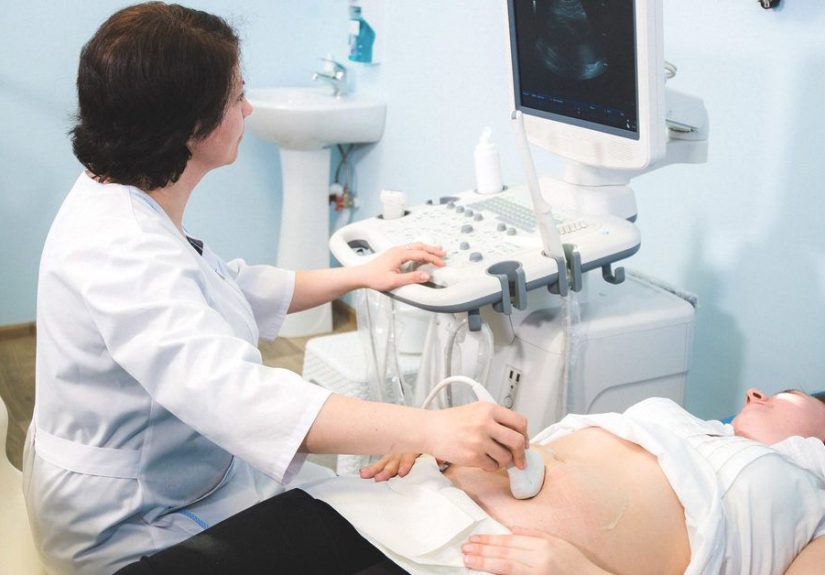
Diagnosis usually starts with a health history, a symptom review, and a pelvic exam, but imaging does most of the heavy lifting. A pelvic or transvaginal ultrasound is the main test because it can show:
- Whether the mass is solid, fluid-filled, or mixed
- Its size and location
- Whether it has septations, nodules, or other complex features
- Whether blood flow appears normal
If the ultrasound leaves unanswered questions, an MRI may be used for a closer look. Blood tests may also be part of the workup. In some cases, doctors order tumor markers such as CA-125, but the results are not always straightforward. Benign conditions and even pregnancy itself can affect those levels, so a blood test alone cannot diagnose ovarian cancer.
That is why the final diagnosis often depends on the full picture: symptoms, exam, imaging appearance, age, pregnancy status, and follow-up. If cancer is strongly suspected, surgery and tissue analysis may be needed to know for sure.
Treatment Options for an Adnexal Mass
Treatment depends on the type of mass, its size, how it looks on imaging, whether it is causing symptoms, and whether the patient is pregnant. There is no one-size-fits-all plan, because the pelvis loves complexity.
1. Watchful Waiting
Many simple cysts can be monitored with repeat ultrasounds and symptom checks. This is often the best option when the mass looks benign, is small or moderate in size, and is not causing major symptoms. A lot of functional cysts shrink or disappear on their own over time.
2. Medication and Symptom Relief
Pain relief may be used if symptoms are mild. Hormonal treatment can sometimes help reduce the risk of future functional cysts in nonpregnant patients, though the exact plan depends on the diagnosis. If infection is involved, antibiotics may be necessary.
3. Surgery
Surgery may be recommended when a mass is:
- Large or growing
- Persistent over time
- Painful or causing pressure symptoms
- At risk for torsion or rupture
- Complex or suspicious for malignancy
When possible, doctors often prefer minimally invasive surgery, such as laparoscopy. If the mass appears benign, the goal is frequently to remove the cyst while preserving as much healthy ovarian tissue as possible. That fertility-sparing approach can matter a lot for future hormone function and pregnancy plans.
How an Adnexal Mass Affects Pregnancy
This is where things get more emotional, because pregnancy already comes with enough plot twists. An adnexal mass during pregnancy may be found before conception, discovered during an early prenatal ultrasound, or show up later because of pain or other symptoms.
In many pregnant patients, the mass is benign and can simply be observed. A corpus luteum cyst is a classic example. It forms on the ovary after ovulation and helps support early pregnancy by producing hormones. These cysts often go away on their own as the pregnancy progresses.
Still, pregnancy changes the conversation in several ways:
Symptoms Can Be Harder to Interpret
Nausea, bloating, pelvic pressure, and mild abdominal discomfort can all happen in a normal pregnancy. That overlap can make it harder to tell whether a mass is causing trouble or just sharing symptoms with pregnancy itself.
There Is a Risk of Torsion
An ovarian or adnexal mass can increase the chance that the ovary twists. This may be more likely with certain cysts, including corpus luteum cysts. Torsion causes sudden pain and usually requires urgent surgery to save ovarian tissue and protect the pregnancy.
Rupture Can Trigger Acute Pain
If a cyst ruptures, the result can be sudden pain, internal bleeding, dizziness, or weakness. Some ruptures can be managed without surgery, but others need immediate treatment.
Most Masses Do Not Harm the Baby Directly
A benign adnexal mass usually does not affect fetal development. The bigger concern is whether the mass causes complications for the pregnant patient, such as pain, torsion, rupture, or obstruction during labor. Very large masses may occasionally create mechanical problems later in pregnancy or at delivery.
Sometimes Surgery Is Still the Best Choice
If the mass looks suspicious, causes severe symptoms, or keeps growing, surgery may be safer than waiting. When surgery can be planned rather than done as an emergency, clinicians often try to schedule it during the second trimester. That timing can provide easier surgical access and may lower some pregnancy-related risks compared with earlier or later surgery. Emergency surgery, however, can be necessary in any trimester if torsion, rupture, or serious concern for cancer is present.
Can an Adnexal Mass Affect Fertility?
Sometimes yes, sometimes no. A simple ovarian cyst often has little or no long-term effect on fertility. Other conditions, such as endometriomas or significant tubal disease, can affect the chances of conception or increase the risk of complications. Surgery can also influence fertility depending on the size and location of the mass and how much ovarian tissue must be removed.
That is why reproductive goals matter during treatment planning. For someone who wants future pregnancy, doctors often try to preserve the ovary whenever that is medically safe. If cancer is suspected, the plan may need to balance fertility concerns with the need for accurate diagnosis and effective treatment.
When to Call a Doctor Right Away
Call your healthcare provider promptly if you have:
- Sudden or severe pelvic pain
- Pain with nausea or vomiting
- Fever
- Dizziness, weakness, or fainting
- Heavy vaginal bleeding
- Rapid abdominal swelling
- Persistent bloating or pressure that does not improve
If you are pregnant, do not shrug off severe one-sided pelvic pain or unusual bleeding. Pregnancy can make the diagnostic picture more complicated, not less important.
Patient Experiences: What This Journey Often Feels Like
People dealing with an adnexal mass often say the physical symptoms are only half the story. The other half is the uncertainty. One person may go in for a routine scan and walk out with the phrase “we found a mass,” which is not exactly calming language. Another may have been struggling with pelvic pain for months and finally gets an explanation that is both a relief and a brand-new source of anxiety.
A very common experience is confusion. Many patients say they felt fine and were stunned when an ultrasound found a cyst or other mass. That can make the diagnosis feel strangely unreal. If nothing hurts, why does it sound so serious? Then follow-up imaging begins, and the waiting game starts. For many people, the hardest part is not the test itself. It is the time between tests, when every internet search seems to end in catastrophe.
For patients who do have symptoms, the experience is often more frustrating than dramatic. They may describe a nagging pressure on one side, bloating that feels different from ordinary digestive issues, or a pelvic ache that comes and goes. Some say the pain becomes more noticeable around their period, during exercise, or during sex. Because these symptoms can overlap with menstrual cramps, bowel issues, or normal pregnancy discomfort, many people worry that they are overreacting. Then they find out they were not imagining anything at all.
Pregnancy adds another emotional layer. Patients often describe a strange mix of gratitude and fear when a mass is found during prenatal care. On one hand, they are already being monitored closely, which helps. On the other hand, every decision suddenly feels like it involves two patients instead of one. Some people worry constantly that the mass could hurt the baby, even when the clinical team says it looks benign. Others feel nervous about needing surgery while pregnant, even if the doctors explain that the procedure is sometimes the safest choice.
Patients who go through emergency symptoms, such as torsion or rupture, often describe the pain as sudden, intense, and impossible to ignore. Many say the experience was frightening because it escalated quickly. What began as “maybe I pulled a muscle” turned into an ER visit and urgent treatment. Afterward, some feel relieved to have a clear answer, while others need time to process how fast everything happened.
There is also the long-term side of the experience. Patients hoping to conceive may worry about fertility, surgery, and recurrence. People with endometriomas may feel exhausted by ongoing pain and the repeated need for scans, treatment decisions, and symptom management. Even when a mass turns out to be benign, the mental aftershock can linger. It is hard to hear the word “mass” and immediately become a zen master about it.
What tends to help most is clear communication. Patients usually feel better when they understand what kind of mass is suspected, what the ultrasound actually showed, what symptoms should trigger urgent care, and what the plan is if things change. A solid follow-up plan can turn a vague threat into something manageable. In real life, that matters. Medical uncertainty is stressful, but informed uncertainty is usually much easier to carry.
Conclusion
An adnexal mass can range from a harmless cyst to a condition that needs urgent surgery, which is why the label alone never tells the whole story. The most important next steps are proper imaging, careful follow-up, and a treatment plan based on symptoms, pregnancy status, and the appearance of the mass. During pregnancy, many adnexal masses can be watched safely, but severe pain, bleeding, dizziness, or vomiting should never be brushed aside. With the right evaluation, most patients get a clearer answer, a calmer plan, and far fewer terrifying guesses from the internet.